Repurposing & Revitalization
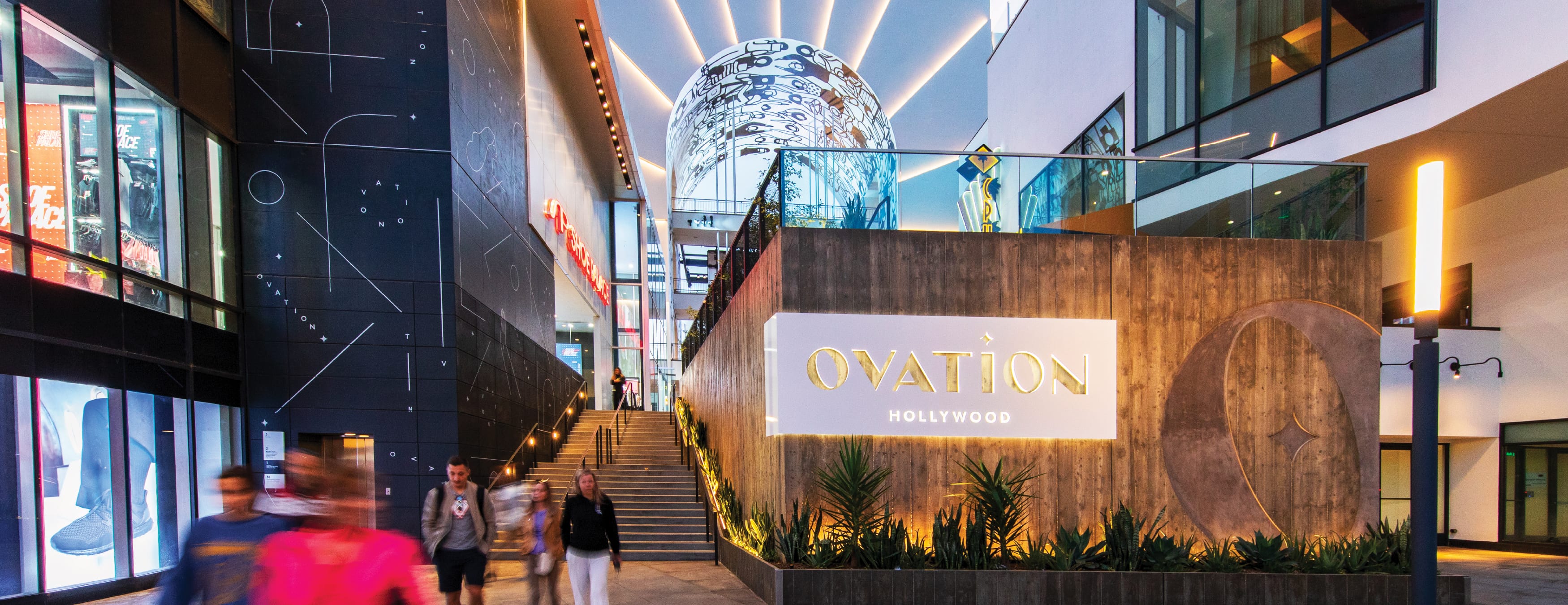
Repurposing and revitalization brings a reimagined life into environments that have evolved, creating new landmarks from existing structures.
Revitalizing the Built Environment with Purpose
This architectural strategy, also known as adaptive reuse, honors the embodied energy, intrinsic character, and cultural significance of existing buildings while redirecting their innate potential towards more contemporary and immediate needs.
Through RSM Design’s thoughtful integration of environmental graphic design, wayfinding, and placemaking strategies, warehouses become innovation hubs, retail corridors transform into mixed-use neighborhoods, and office towers evolve into vibrant residential communities. RSM Design uses a Principle Centered Design approach to create repurposed spaces that preserve design integrity and authenticity while rising to meet today’s challenges.
Repurposing and revitalization initiatives represent a unique opportunity to address architectural heritage while inspiring the urban landscape with new possibilities. These sustainable solutions work to reduce demolition, preserve local history, and reinvigorate the connections between people and the places that shape their community.
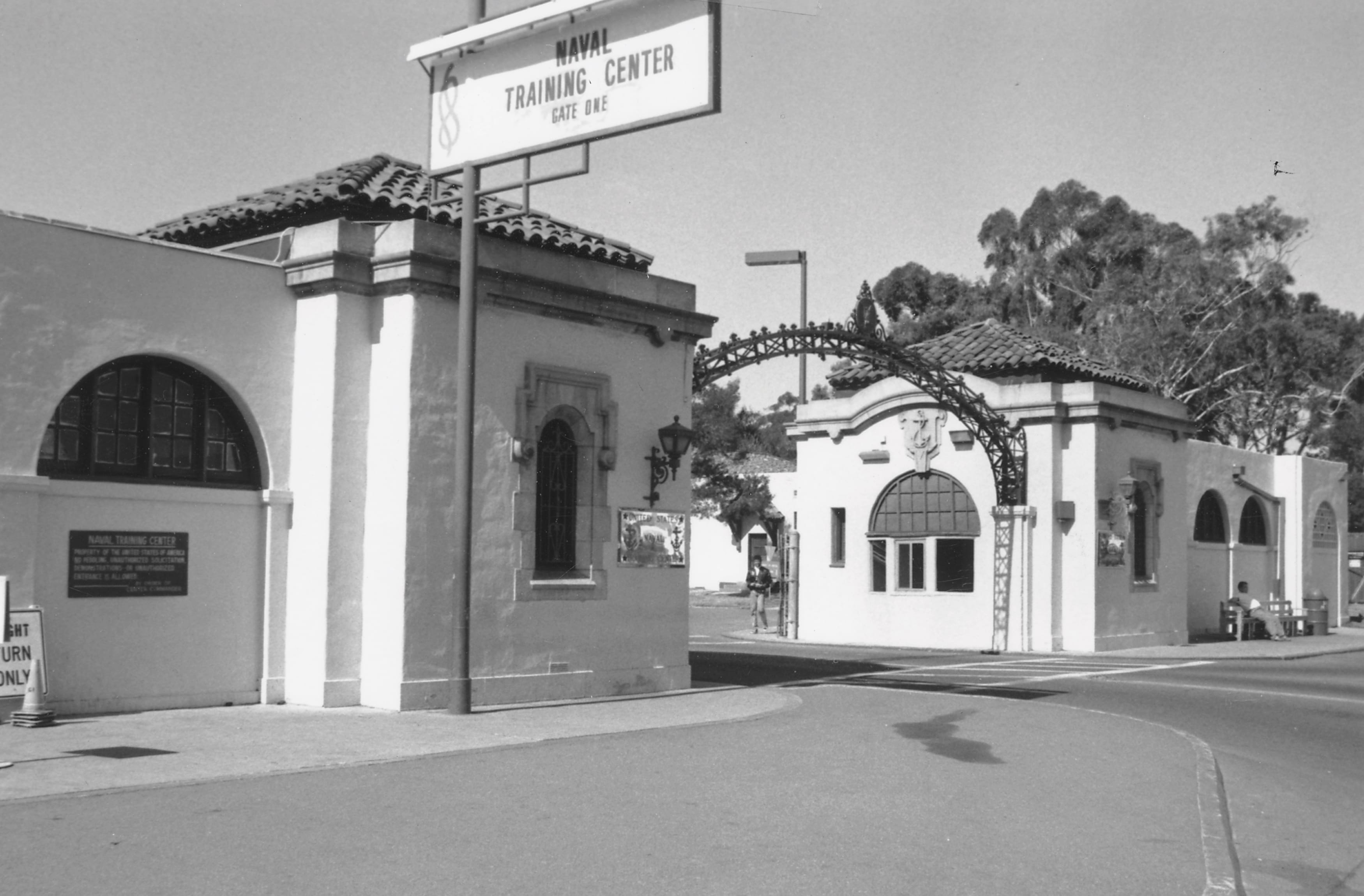
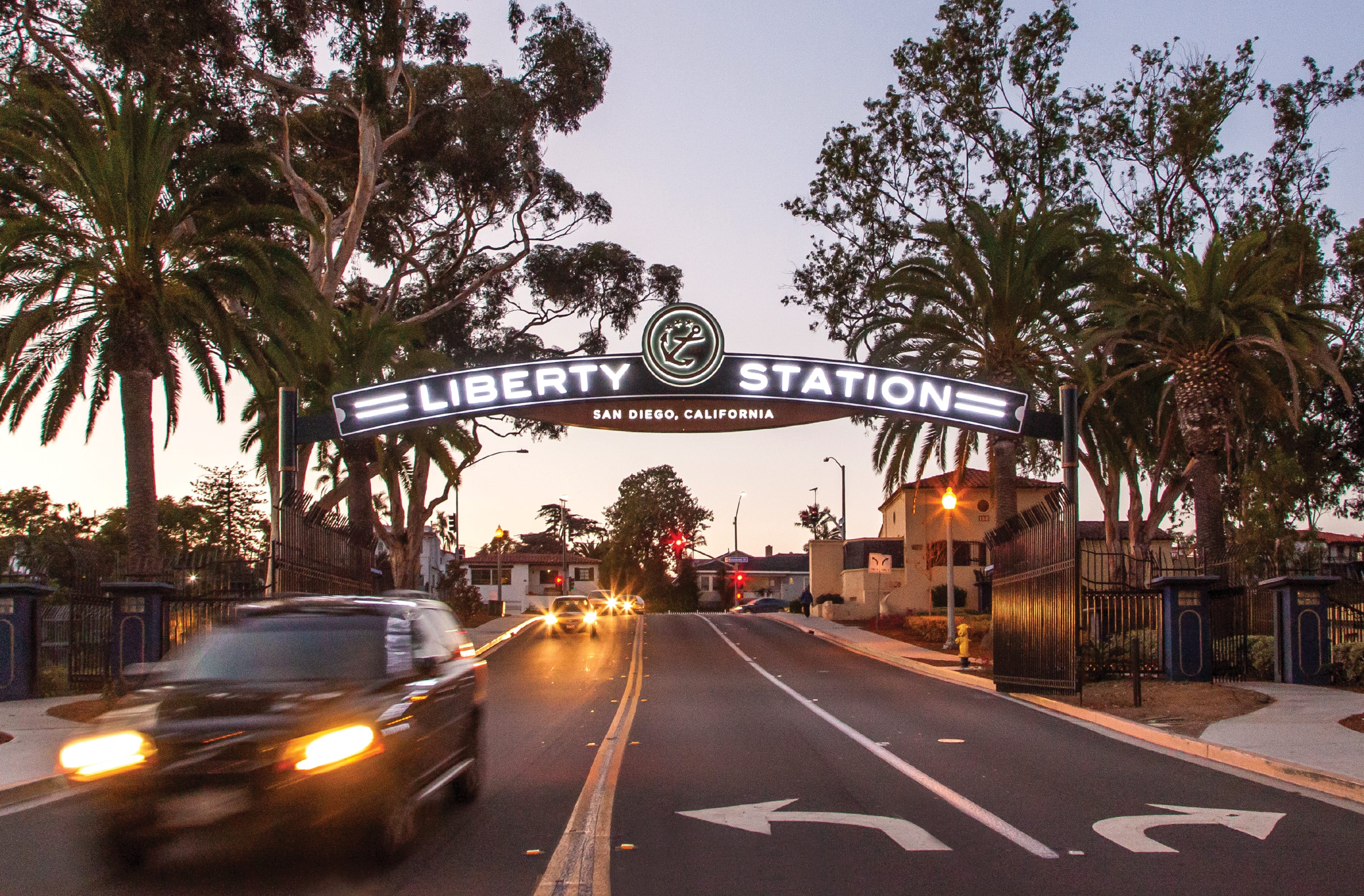
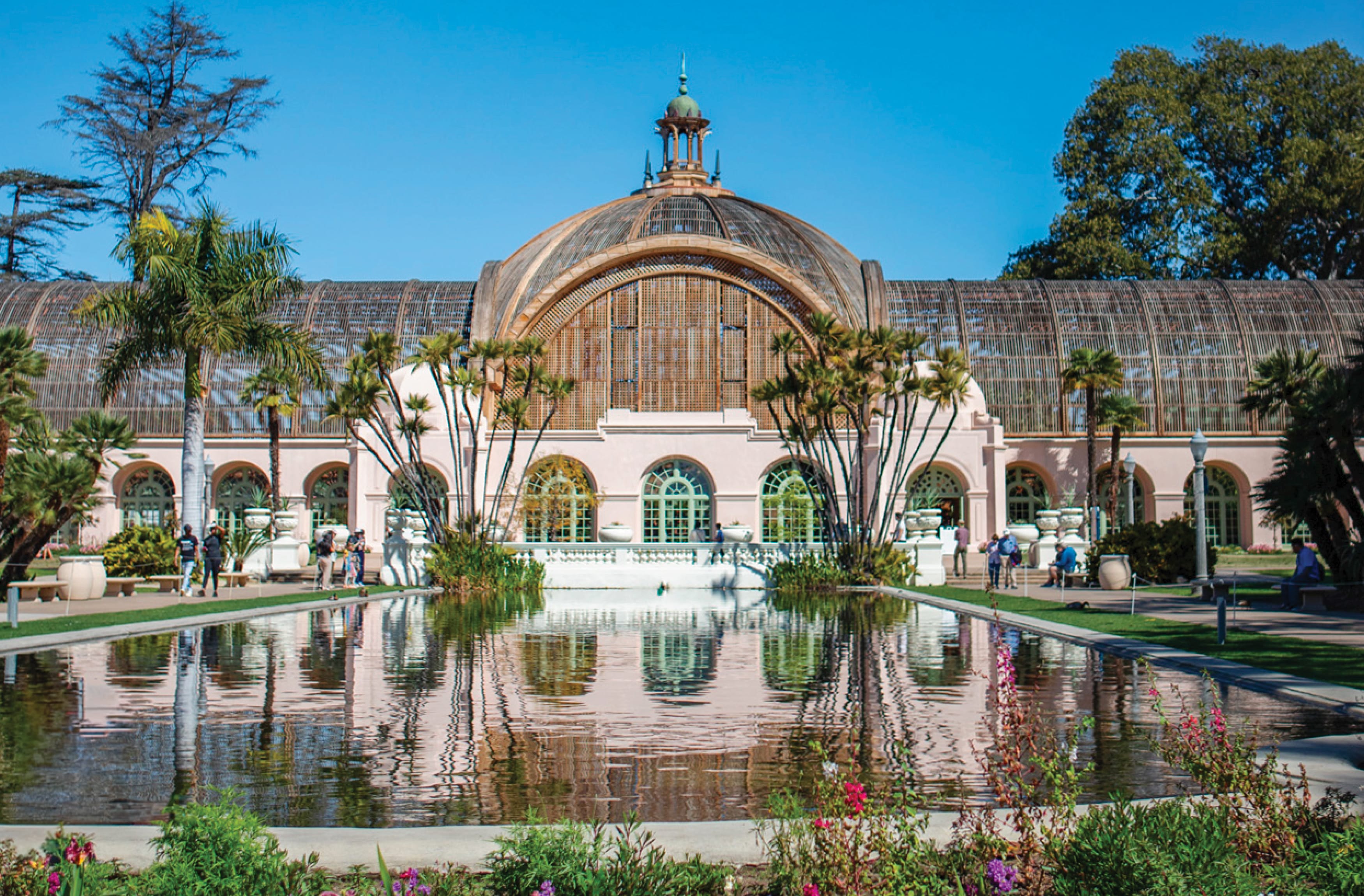
Repurposing Historic Buildings
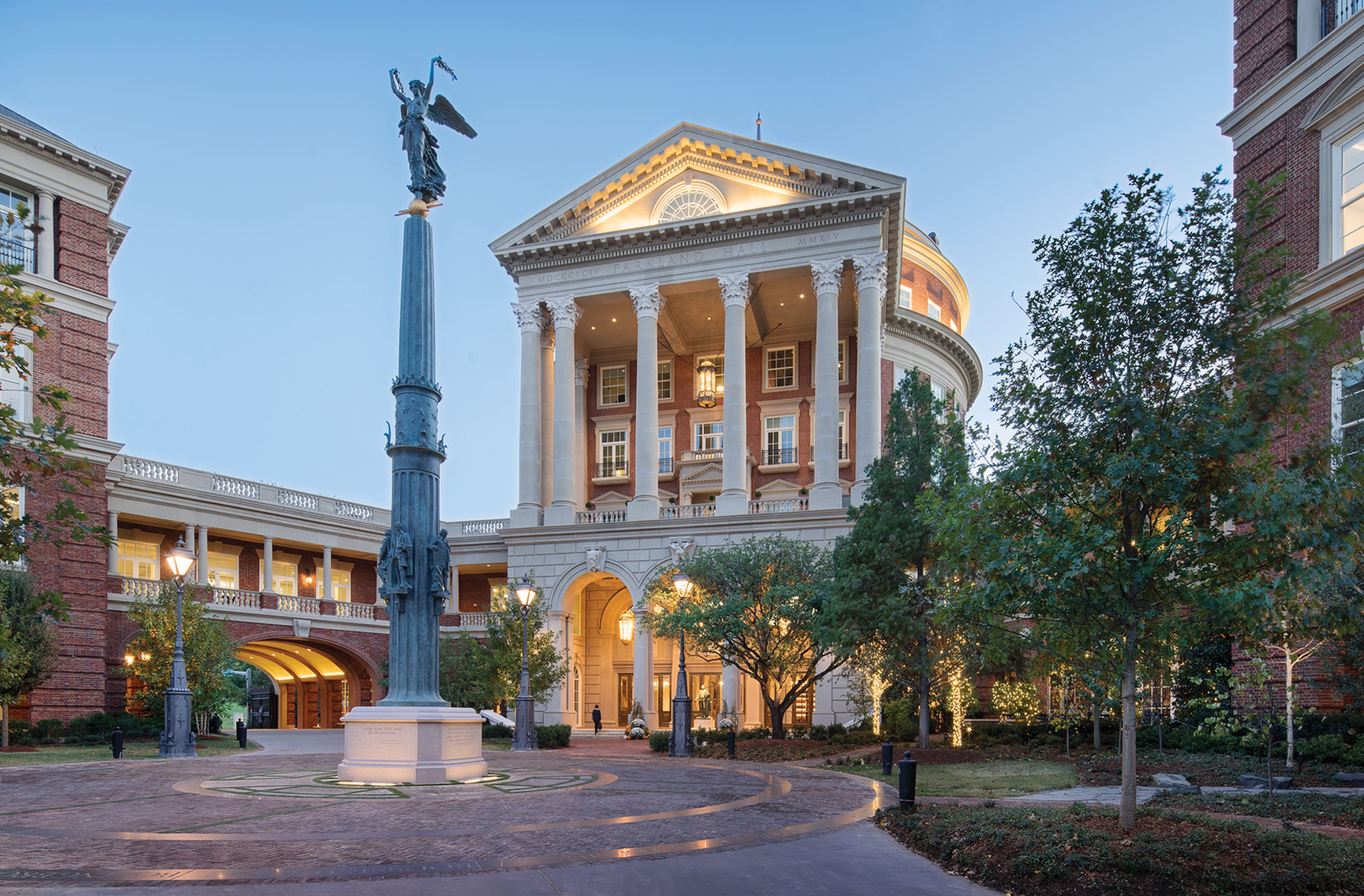
Historic buildings offer unique architectural character and craftsmanship that defines community identity and preserves collective memory within the built environment. Repurposing historic buildings honors original design intent while accommodating modern building codes, accessibility standards, and contemporary functional requirements. The transformation process balances the preservation of unique architectural features with the necessary interventions for new programming; repurposing historic buildings for contemporary use can lead to the recognition of a project’s unique cultural value.
‹ ›
Repurposing Retail Space
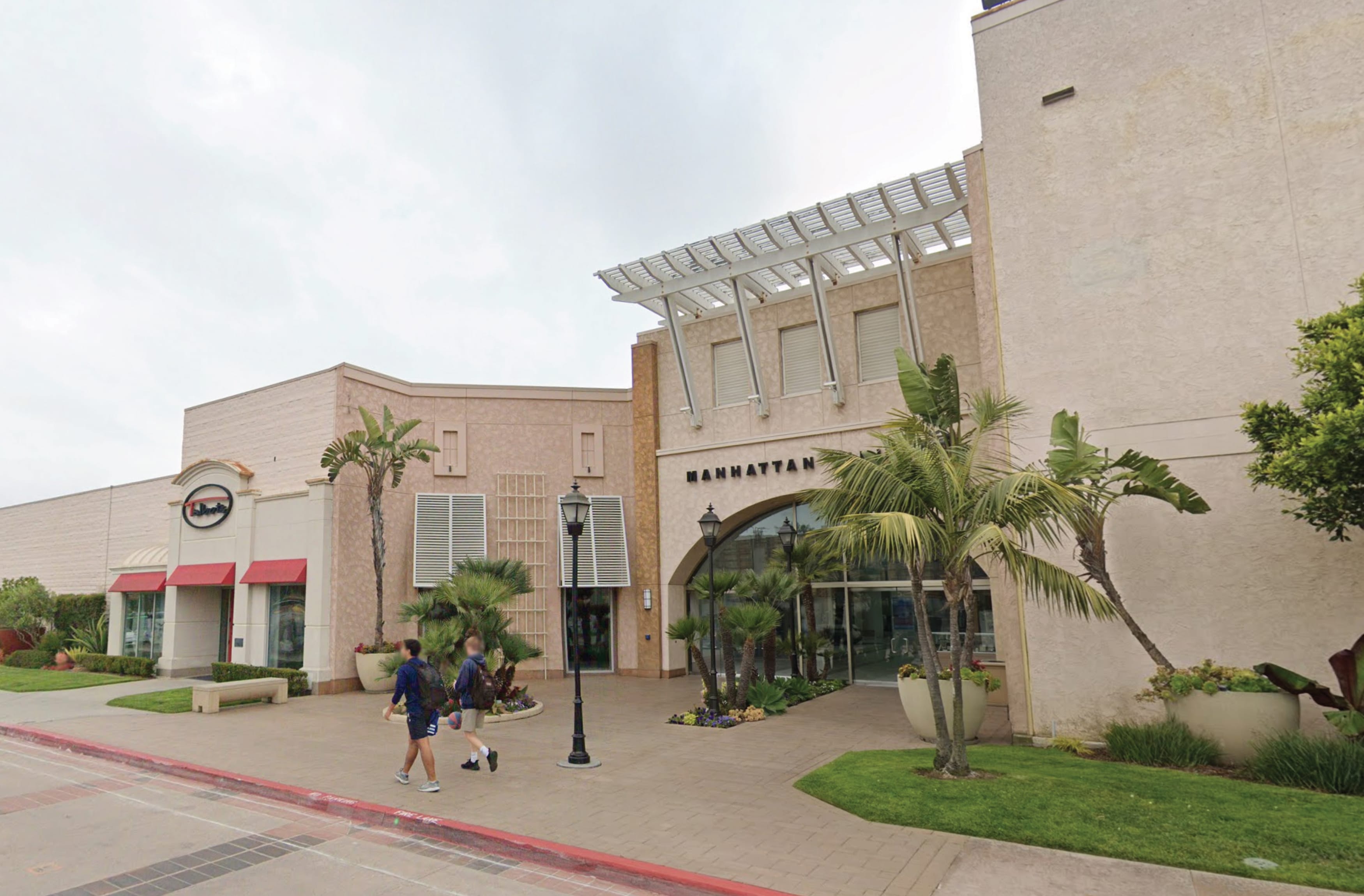
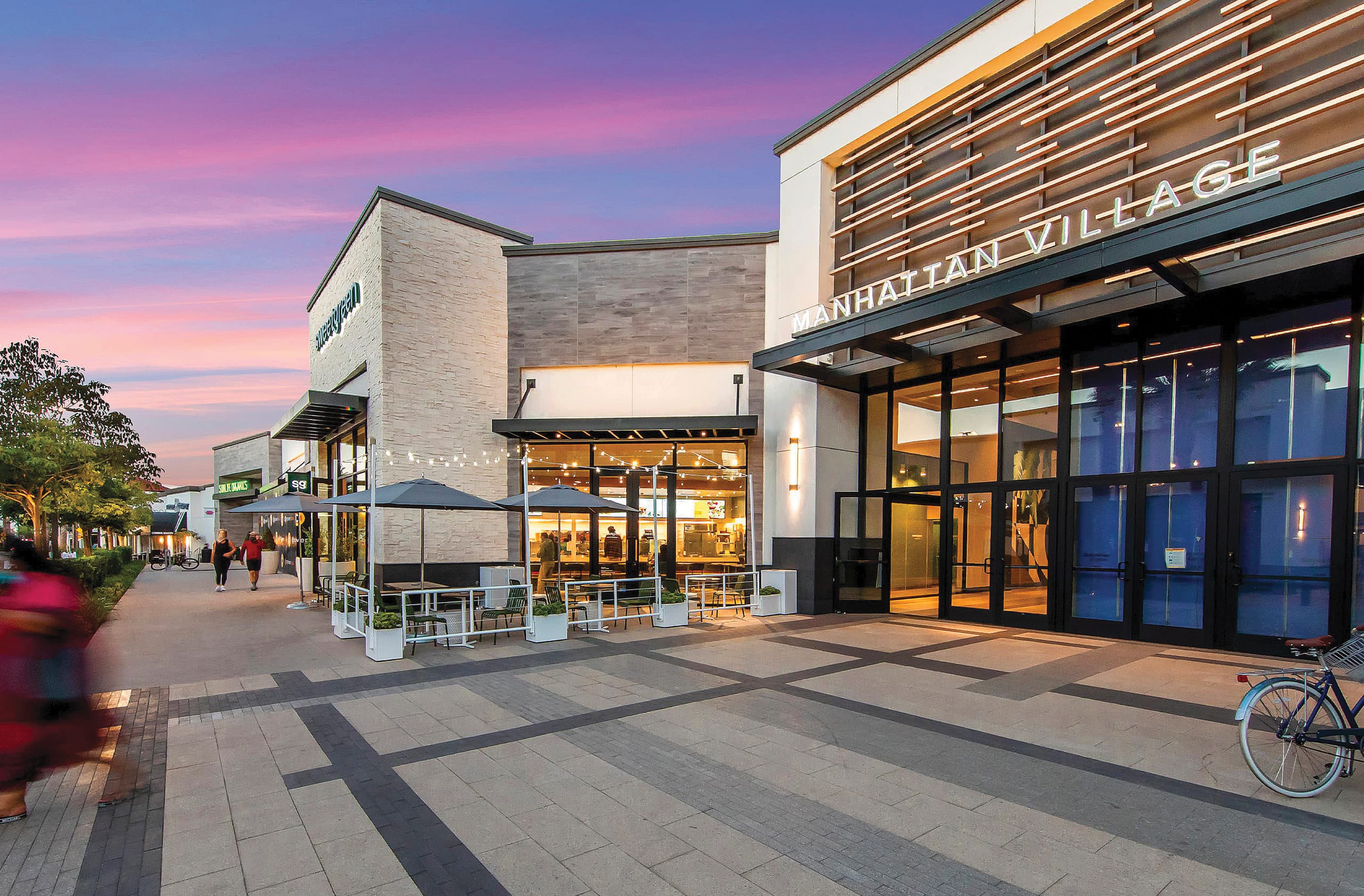
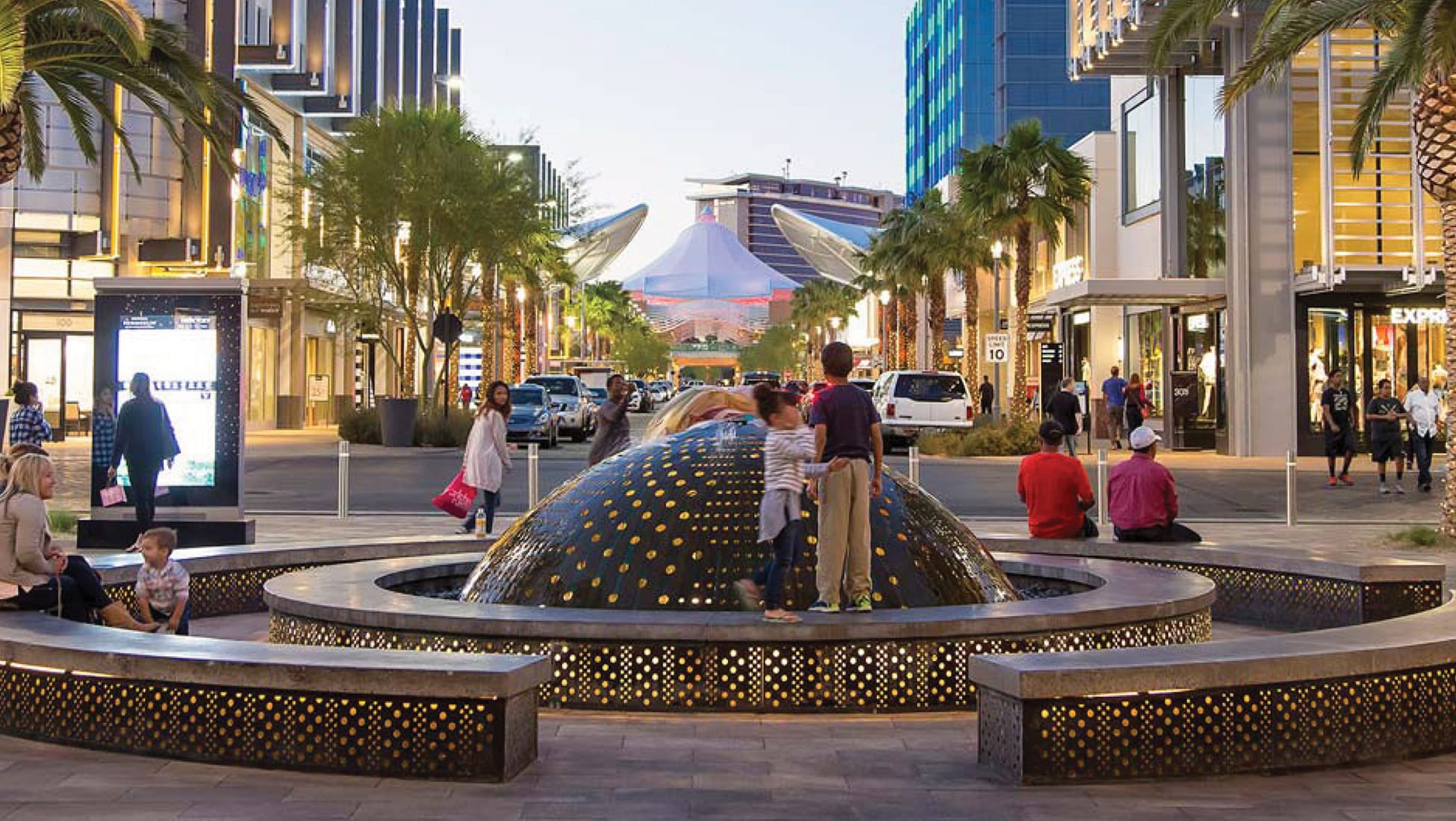
Retail centers present opportunities to enhance the shopping experience, allow for mixed-use transformation, and the potential to bring residential, entertainment, and community programming to underutilized commercial corridors. Strategic placemaking transforms these spaces into cohesive destinations where updated tenant signage, distinctive monumentation, and unified branding create a fresh identity that signals a commitment to reinvention.
Repurposing a retail space works to revive shopping districts by creating engaging, walkable destinations that serve diverse community needs beyond the scope of traditional retail functions. Clear wayfinding and interior branding initiatives help visitors navigate repurposed retail environments where familiar layouts now serve entirely new purposes and user groups. Thoughtful environmental graphics and branded touchpoints integrated throughout the project reinforce a new and cohesive vision—helping visitors connect with the place’s evolution, moving from a transactional environment into a transformational experience.
‹ ›
Repurposing Commercial Space
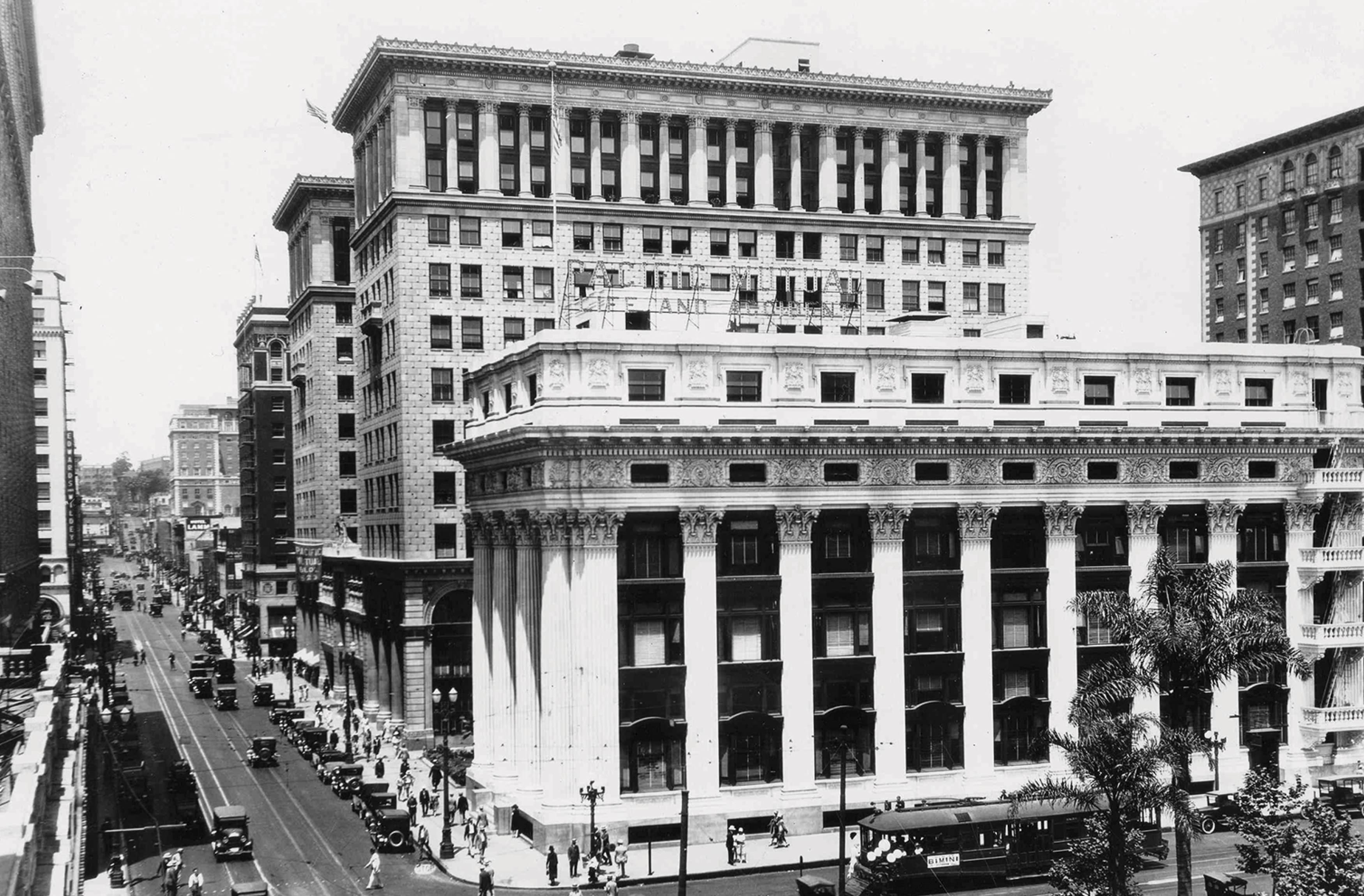
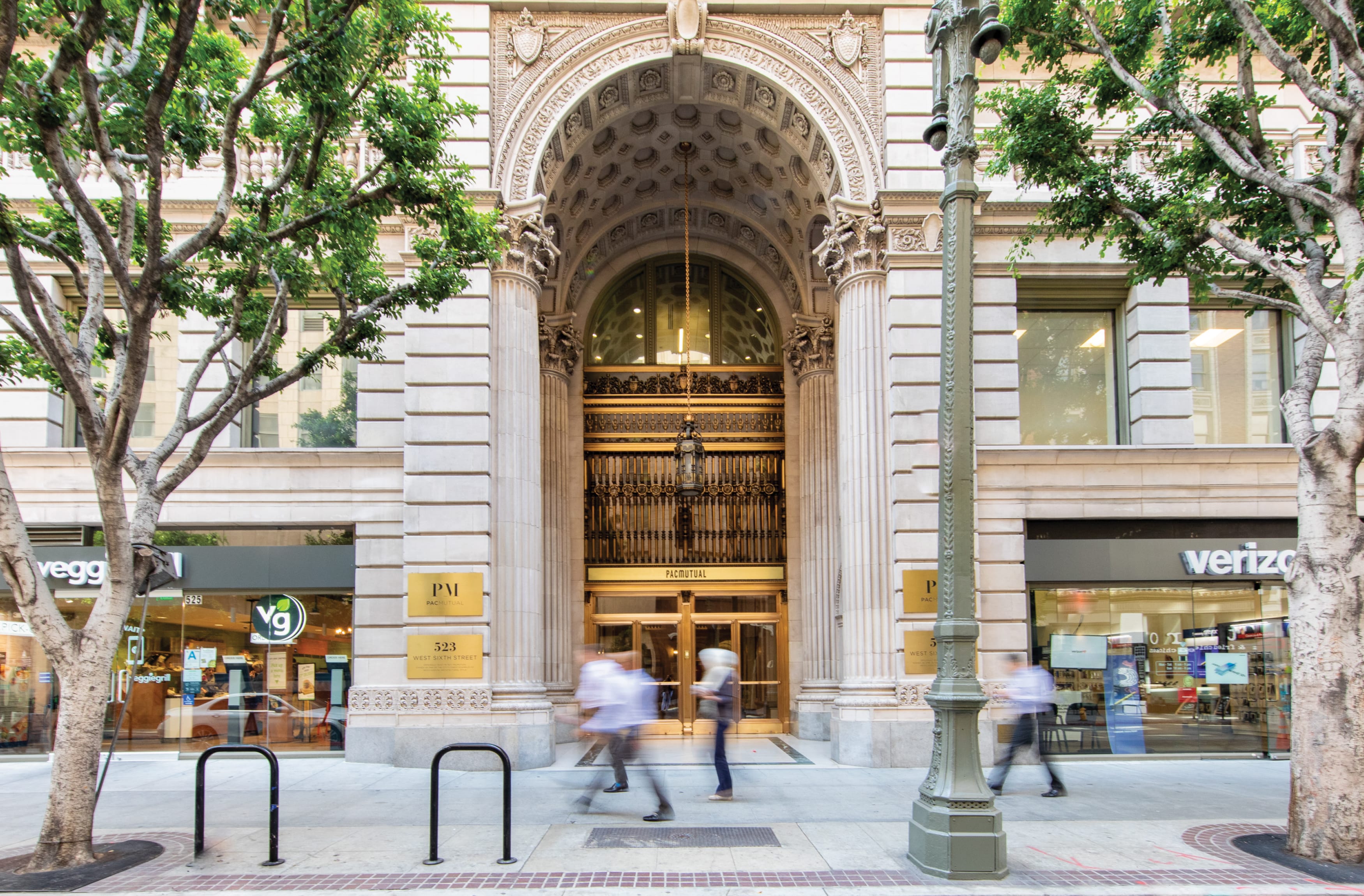
Commercial buildings offer unique structural systems with diverse floor plans that may be ideal for conversion to residential, educational, or other uses. Successful conversions require comprehensive signage and wayfinding systems that redefine how users experience and navigate large spaces originally designed for entirely different functions.
These transformations reduce urban sprawl by reactivating existing architecture in established neighborhoods that contain preexisting infrastructure and amenities. New residents and tenants benefit from immediate access to transit networks, utilities, sidewalks, parks, schools, retail corridors, and other civic amenities that took decades to establish—eliminating the need for costly development. Repurposing commercial spaces and properties can help to meet community needs, address housing shortages, support local economic development, and reduce the environmental impact of new construction.
‹ ›
Repurposing Office Spaces
Office buildings continue to evolve towards flexible, collaborative, and hybrid arrangements. Projects that involve repurposing office spaces often require the reconfiguration of mechanical systems, the addition of natural light, and the creation of amenities that support alternative programming. Strategic wayfinding design addresses updated circulation patterns, new building entries, and navigation needs. Repurposing office spaces to become residential units, co-living spaces, or mixed-use developments is important in addressing the evolving needs of a growing city.
Repurposing Large Urban and Civic Spaces
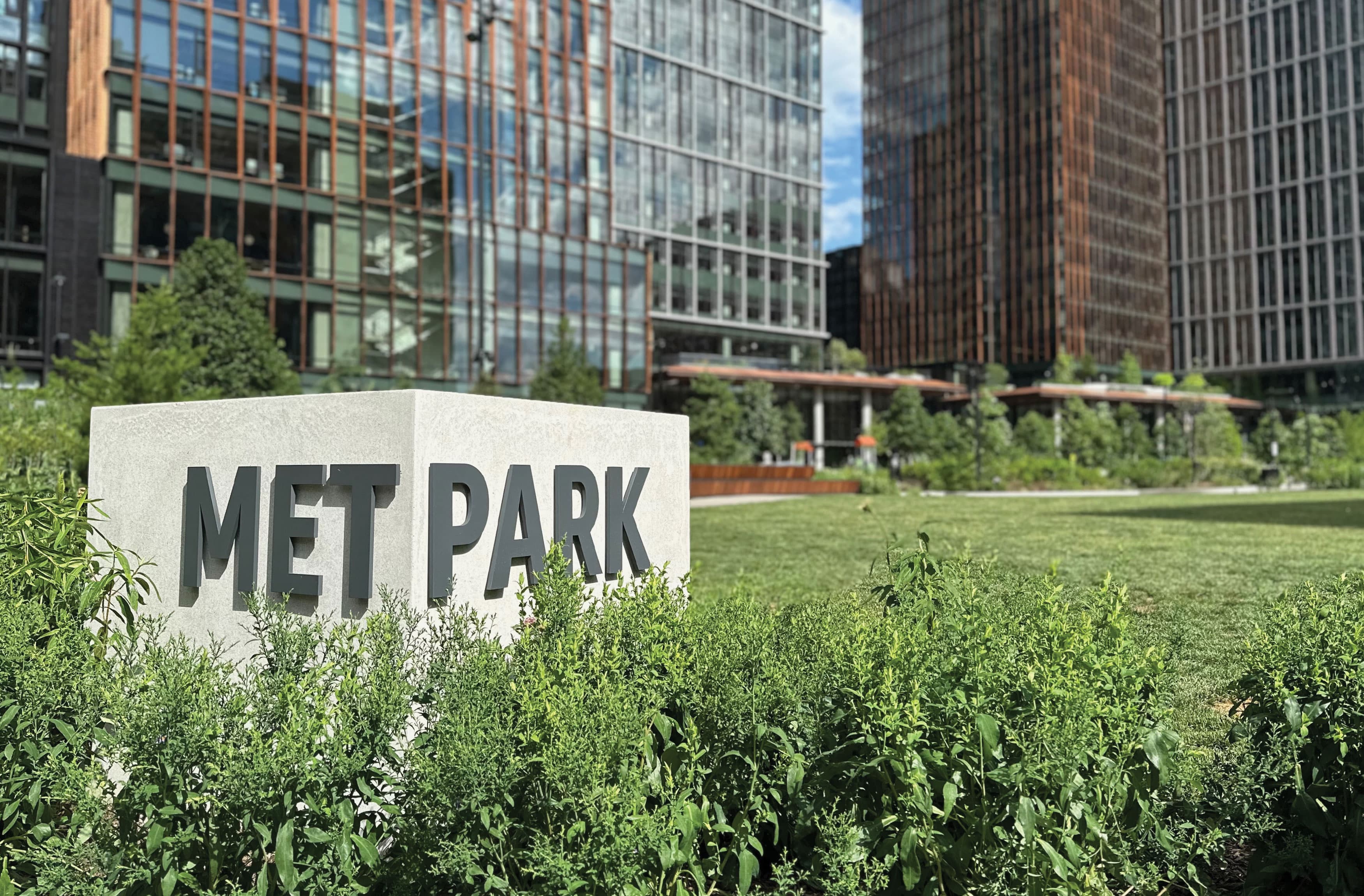
Large-scale urban properties provide substantial square footage and structural capacity suitable for transformation into innovation districts, cultural centers, educational campuses, or residential communities. Wayfinding for these expansive sites must accommodate a diverse audience of users navigating interconnected buildings, outdoor plazas, and public amenities that previously served other civic functions. Public art, park design, and master signage programs provide cohesive visual frameworks that unify diverse civic zones while maintaining flexibility and prioritizing future growth.
Repurposing civic spaces can catalyze neighborhood revitalization by attracting tourism, creating jobs, and establishing new public gathering nodes within a city’s existing urban fabric. Former government offices become food halls, decommissioned power plants transform into museums, and retired buildings find new life as mixed-use developments—each conversion preserving unique civic heritage while addressing contemporary community needs.
Repurposing & Revitalization
Creating Sustainable Futures Through Design
Repurposing and revitalization represents more than preservation and environmental responsibility—it creates opportunities to reimagine how communities interact with their environment. RSM Design’s Principle Centered Design approach to adaptive reuse projects ensures that repurposed buildings respond to the unique needs of the community. As the stories, contexts, and history of the environment reveal themselves over time, RSM Design makes it a priority to honor those legacies.
The future of development increasingly depends on the ability to breathe new life into existing structures while honoring their heritage through innovative architectural placemaking. Each urban repurposing project offers unique transformative solutions that reduce environmental impact, strengthen community identity, and reimagine what a destination can be.
The built environment holds untold possibility. RSM Design discovers the unique thread of a place and weaves it forward into new purpose.