May 05, 2026
Crafting Places That Cultivate Connection
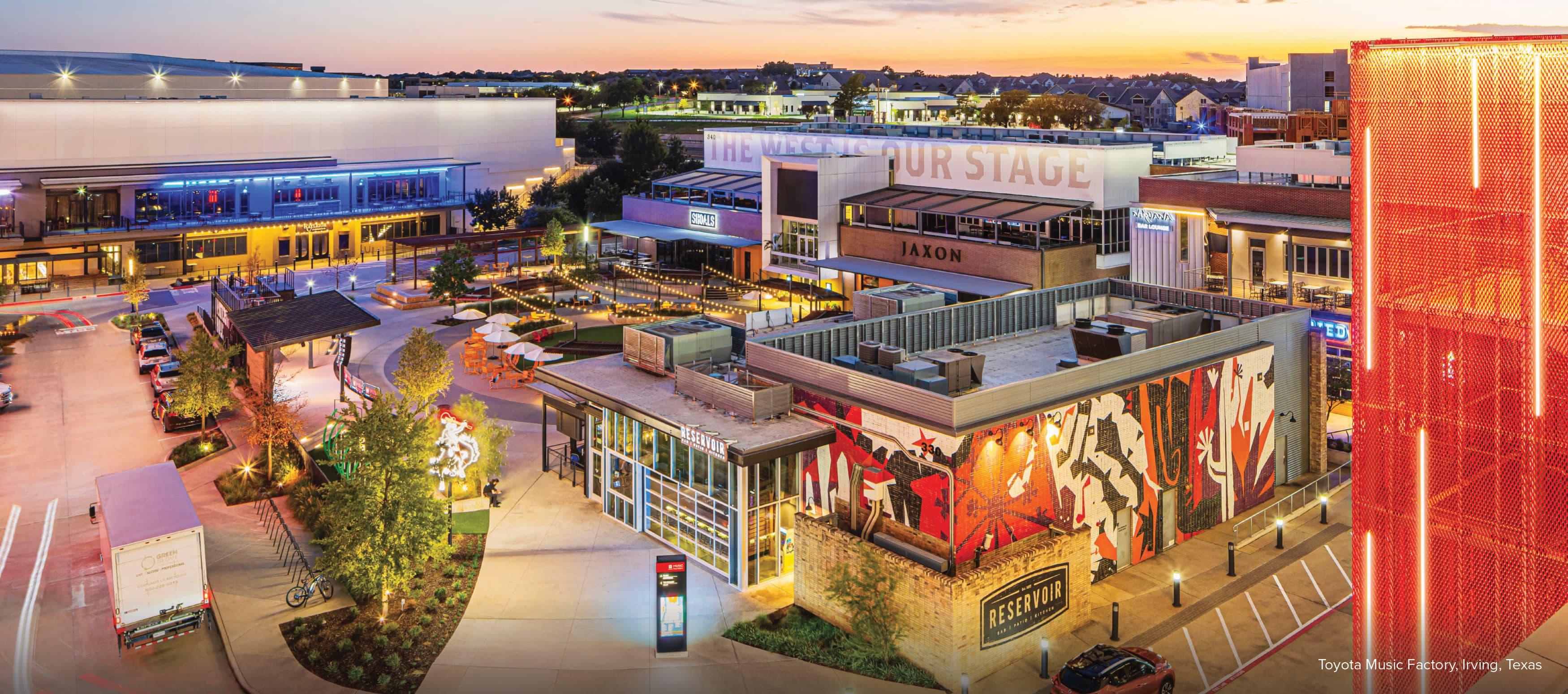
May 05, 2026
BY KYLE RICHTER, PRINCIPAL & SAN CLEMENTE STUDIO DIRECTOR
In the field of design, equating a space or a project to a “blank canvas” often amounts to little more than myth. Each project arrives with its own unique challenges, history, character, and inherent wisdom, shaped by climate, terrain, natural materials, and, perhaps most importantly, the countless human stories that have unfolded there over time.
Thoughtful design begins not with imposing a vision onto the environment, but by first listening closely to what the environment has to say. This type of deep listening reveals practical truths that have guided human architecture for centuries. Wayfinding systems honor natural pedestrian flow, guiding movement along intuitive paths rather than forcing unfamiliar routes. Signage materials echo the palette of their surroundings: weathered steel in industrial districts, warm wood in forest retreats, polished stone in urban plazas. Typography adapts to viewing distance and speed of travel, from leisurely pedestrian zones to fast-moving transit corridors. Color and form respond to cultural memory, drawing from local traditions, regional landscapes, and the stories communities carry forward.
These aren’t arbitrary stylistic choices, they represent accumulated wisdom about how to dwell harmoniously within specific environmental contexts. Principle Centered Design is a creative process that synthesizes the rich contextual story of a place and uses it to authentically address the design challenges within the built environment. When design honors these inherent qualities and connects them to the needs of the people who use a space, the result is architecture that feels aligned with the rich context, history, and communities that brought it into being in the first place.
Connecting People to Place
Creating environments that invite people to pause, linger, and engage requires intentional design decisions rooted in human behavior and sensory experience.
Slowing movement begins with choreography. Pathways that curve rather than cut straight through invite curiosity. Nodes along a route such as a shaded seating area, an art installation, or a water feature offer natural stopping points that transform transit into experience. Varied paving textures signal transitions, subtly communicating when to shift from hurried passage to mindful presence.
Connection to place deepens through sensory detail. Materials chosen from regional sources like local stone, nearby wood, or colors drawn from surrounding landscapes, create visual and tactile coherence. Seasonal plantings and natural light patterns tie experience to tim and the environment, anchoring people in the present moment.
Meaningful engagement emerges when design addresses multiple scales simultaneously. Monumental signage and architectural forms establish identity from a distance. Wayfinding graphics and seating arrangements support orientation and interaction. Intimate details including thoughtful typography, crafted hardware, or unexpected moments of delight reward close attention and invite return visits.
The result is an accumulation of carefully considered details that together communicate care, intention, and respect for the people who connect with these spaces.
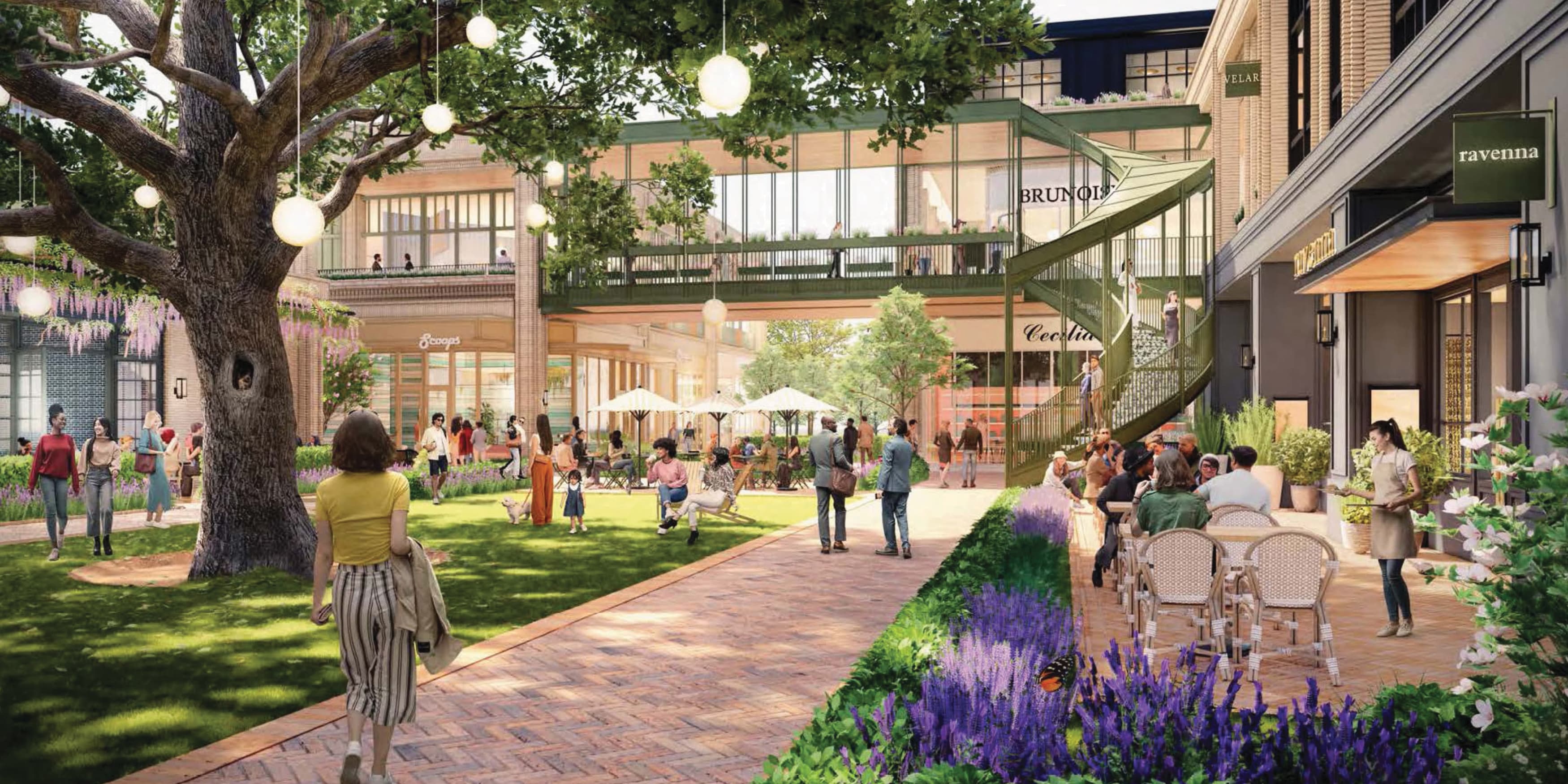
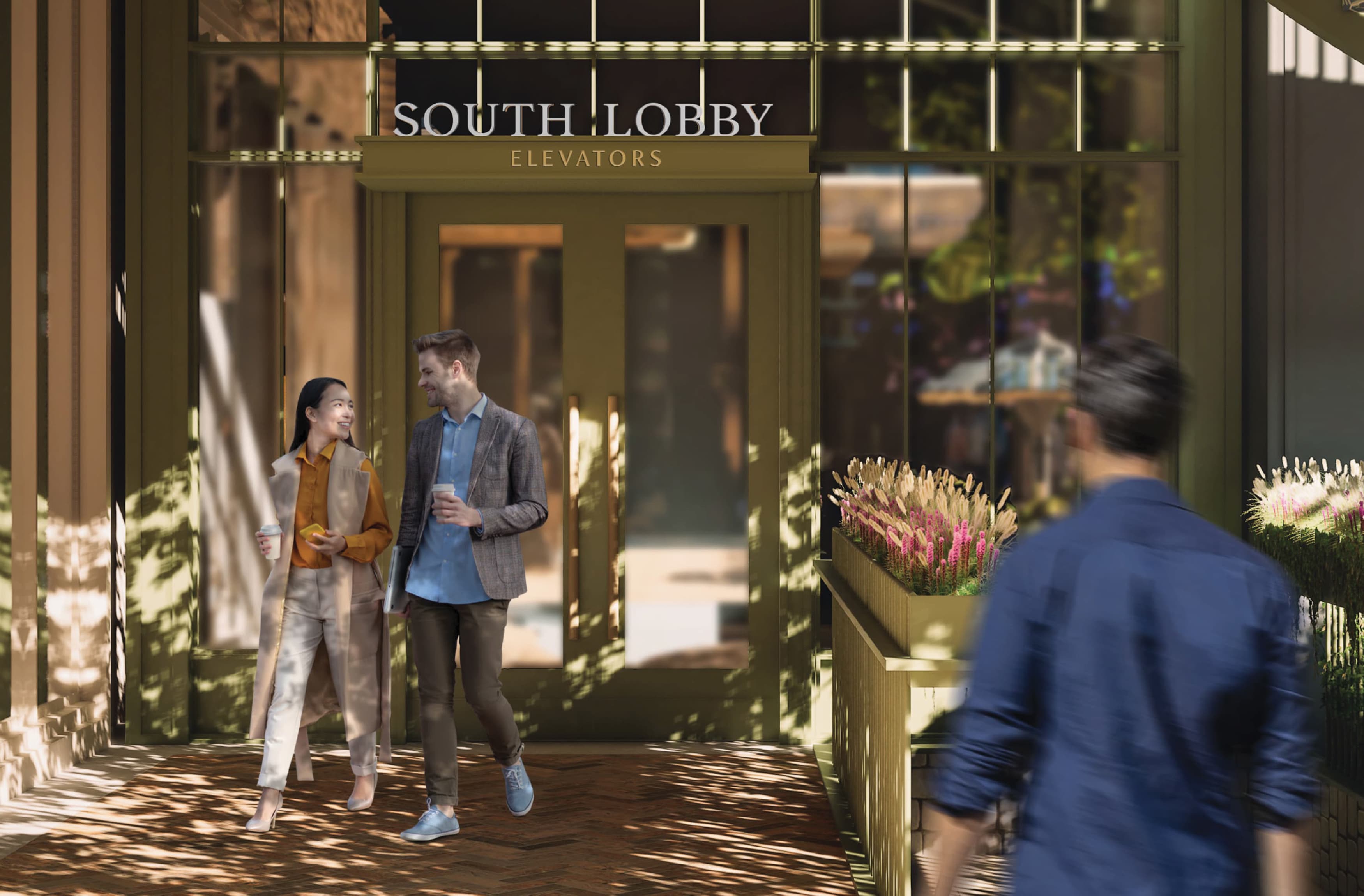
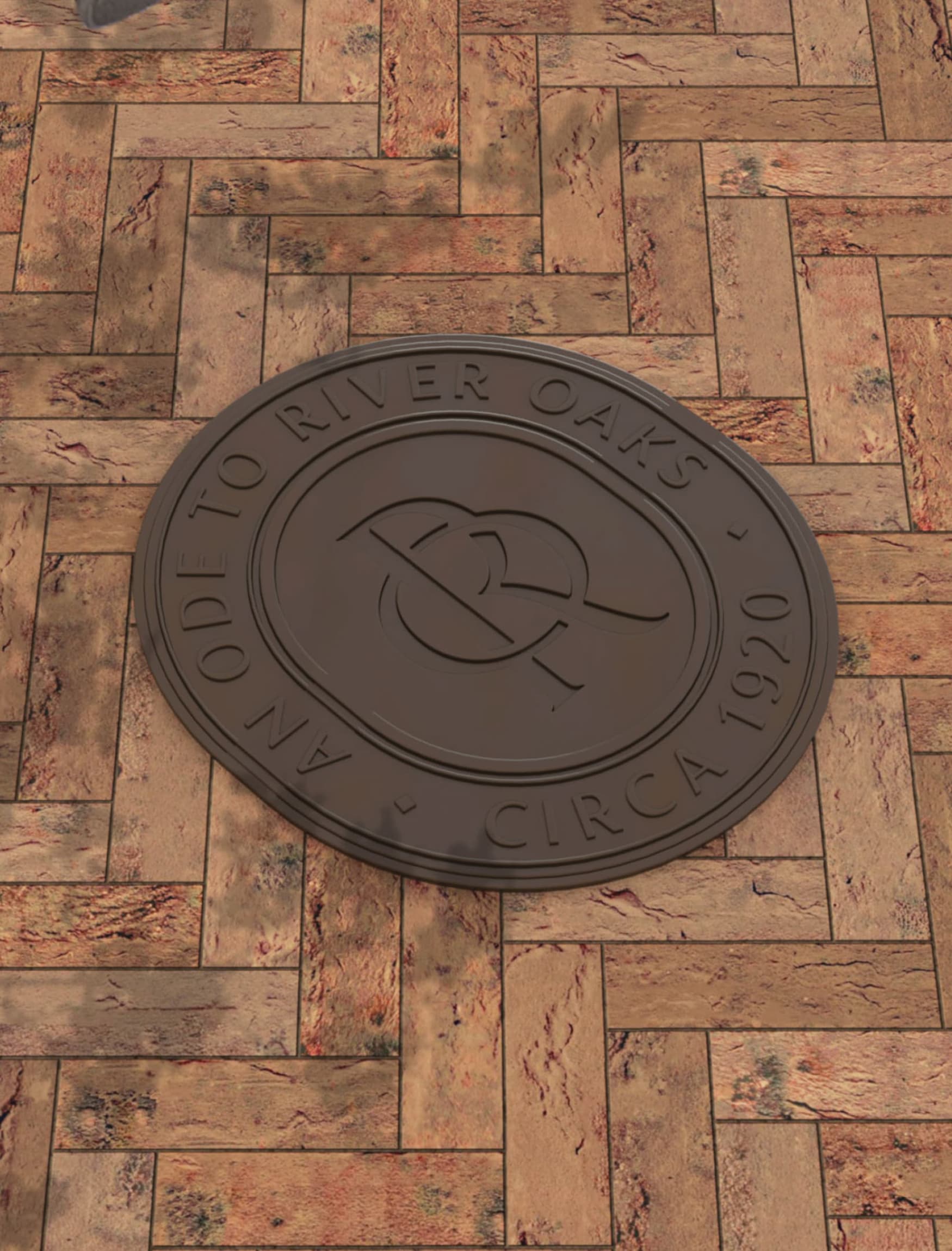
The RO, Houston, Texas
Experience Design & Spatial Storytelling
Every environment tells a story. Experience design embraces this narrative potential, choreographing how people navigate, engage with, and remember a space. It considers the full arc of engagement: the anticipation before arrival, the moments of pause and reflection throughout the journey, and the lasting impressions that linger after departure.
Experiential design operates on multiple registers simultaneously; wayfinding elements provide practical orientation while reinforcing brand identity, while material and color choices communicate values and set emotional tone. Transitions between zones create rhythm and pacing, preventing monotony while building toward meaningful destinations. Art installations and graphic elements punctuate the journey with moments of surprise, delight, or reflection.
This multidisciplinary approach recognizes that people don’t simply occupy space, they actively experience it with the environmental cues at hand. Every design decision sends both visual and intuitive signals about how a place should be used, what natural character gives it life, and what communal values matter most to the people interacting with the space.
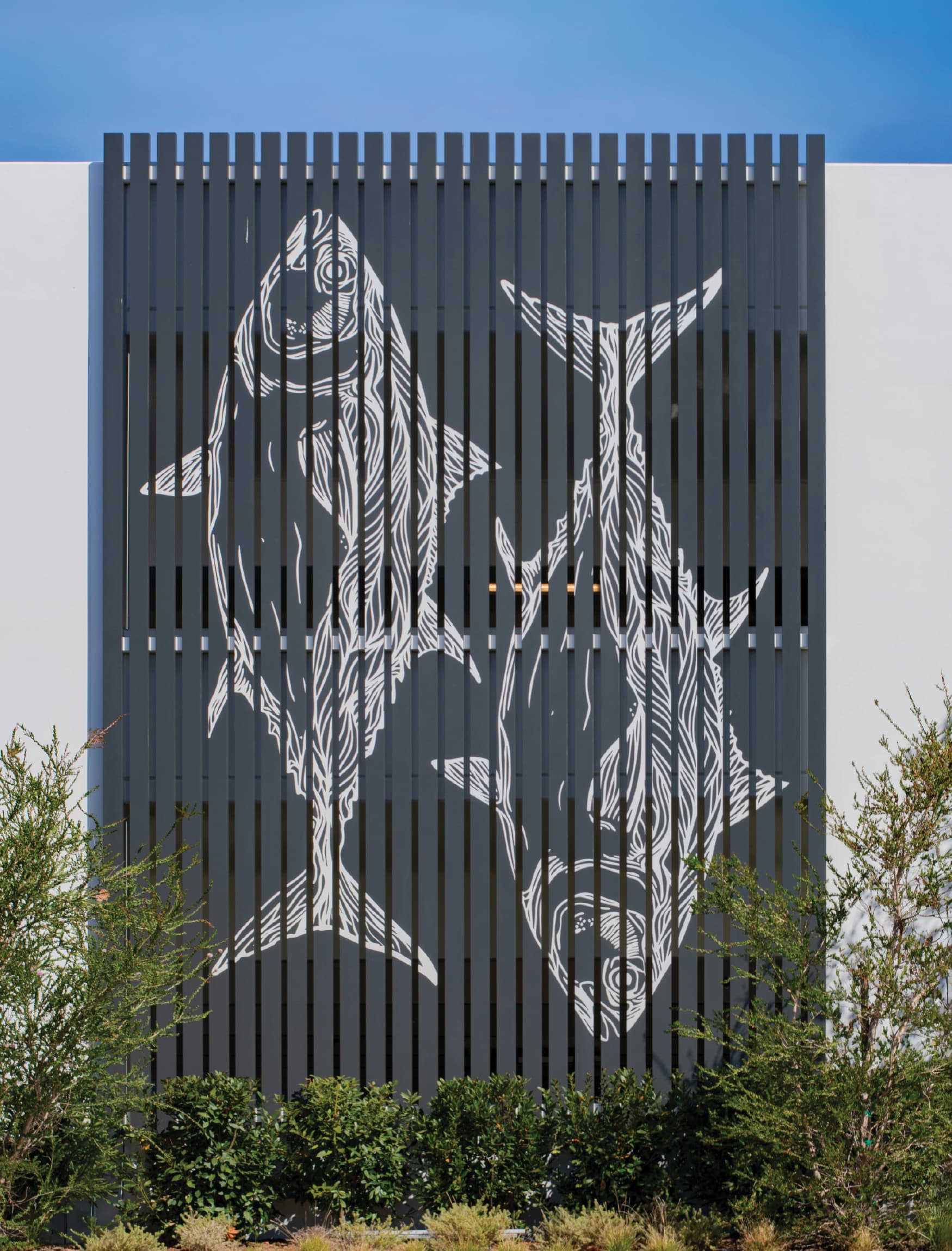
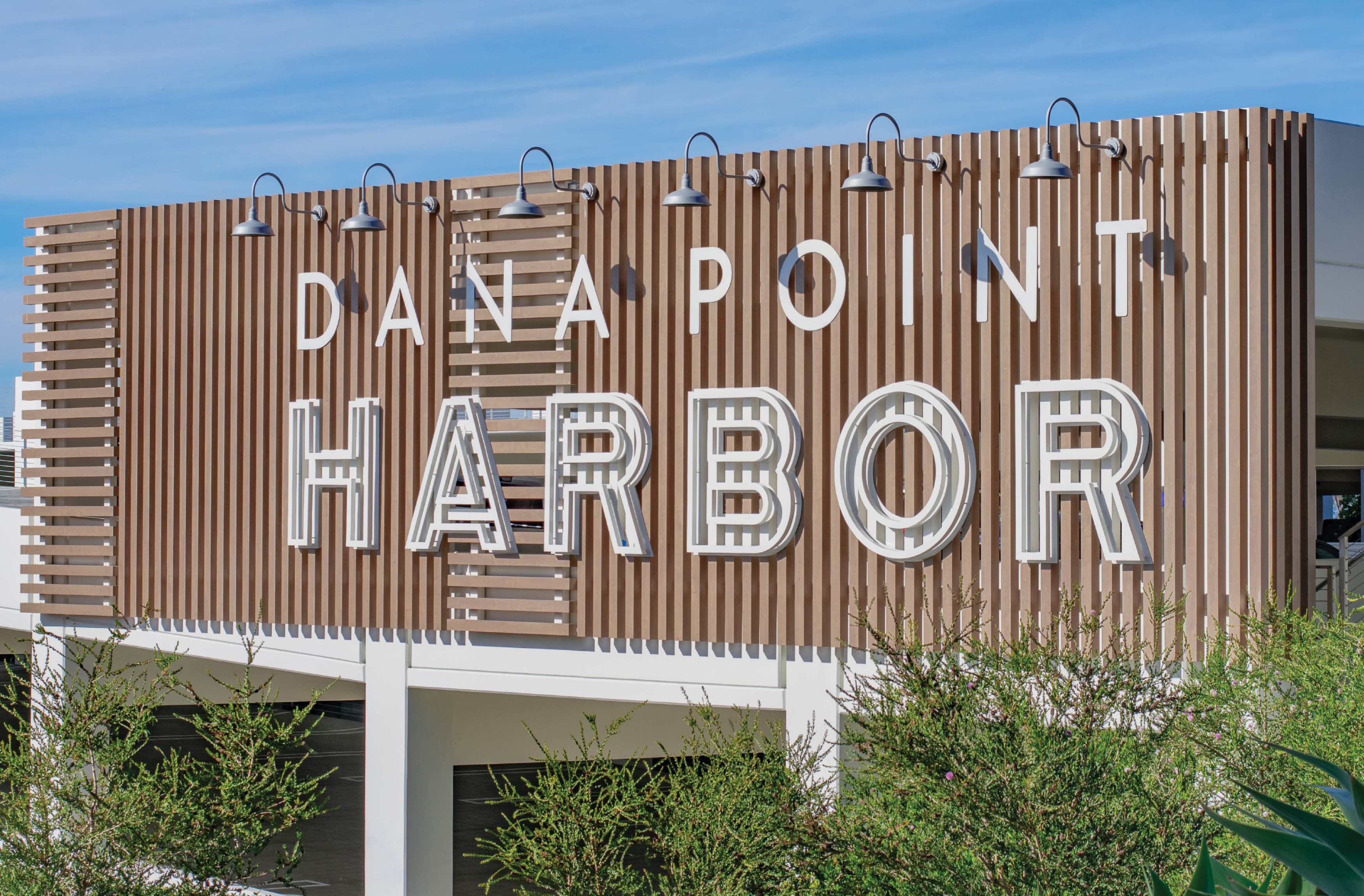
Dana Point Harbor, Dana Point, California
When Place & Identity Speak the Same Language
When these environmental signals align, physical space becomes woven into personal and collective identity. This identification elevates the relationship between people and place, carrying it beyond the realm of transactional and into a meaningful realm of transformation. Creating environments that foster this level of attachment requires understanding what communities value by engaging in an authentic dialogue. It means honoring existing narratives while creating space for new experiences to emerge.
This holistic vision recognizes that environments shape human behavior in profound ways. At RSM Design, we strive to find design solutions that engage with the four intelligences: Mental intelligence (IQ), Physical intelligence (PQ), Emotional intelligence (EQ), and Spiritual intelligence (SQ). Contemporary research offers insight into how these intelligences manifest in the built environment. A workspace flooded with natural light affects productivity and satisfaction, engaging both mental focus and physical well-being. A neighborhood with accessible green space influences physical health outcomes while fostering emotional restoration. A civic center designed for public gathering strengthens community participation, building emotional connections and a sense of shared purpose that speaks to spiritual intelligence. These creative decisions ripple outward, not only acknowledging historical precedents but allowing communities to shape new patterns that further the greater good. These are environments that connect, think, activate, and inspire.
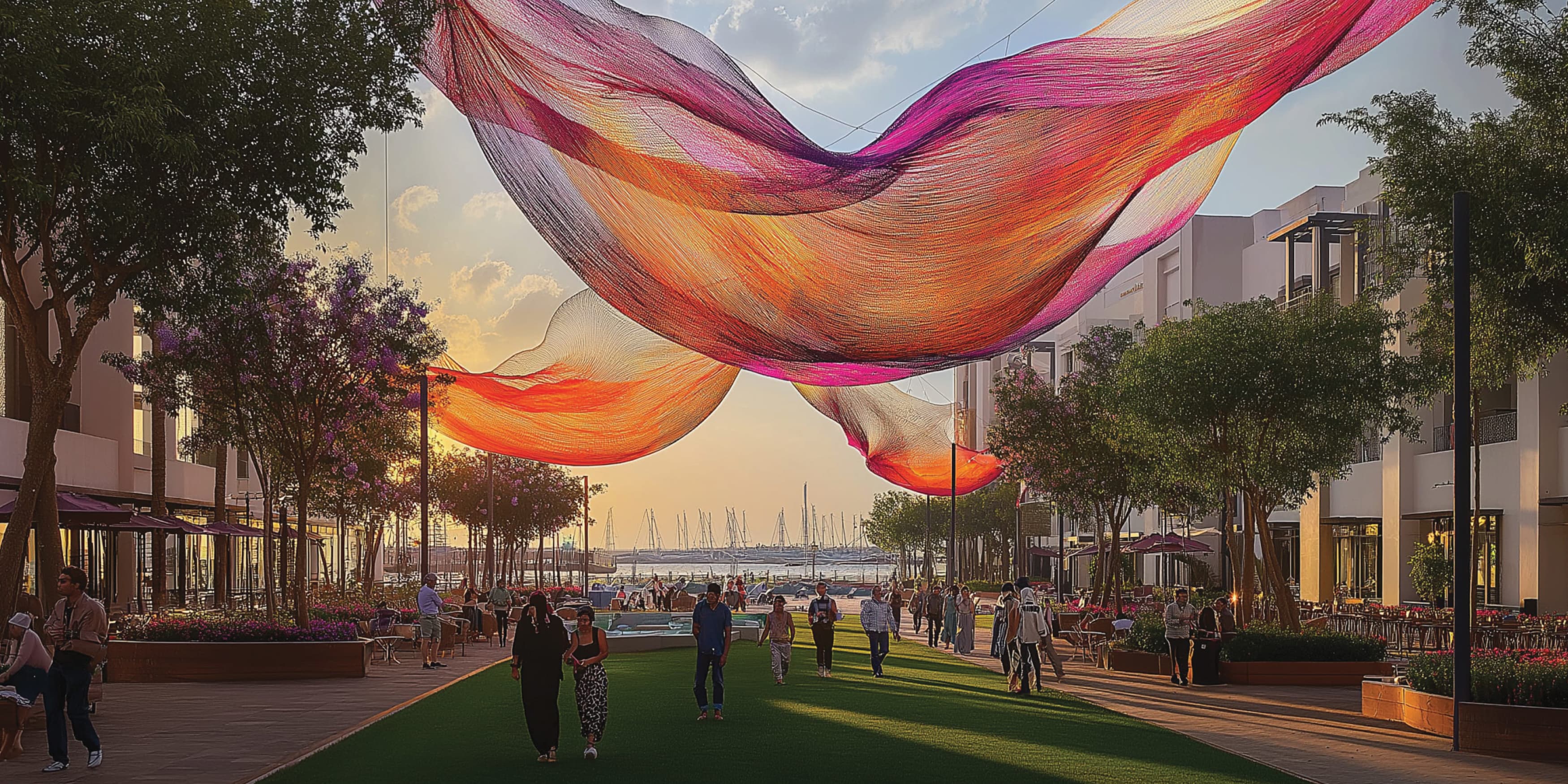
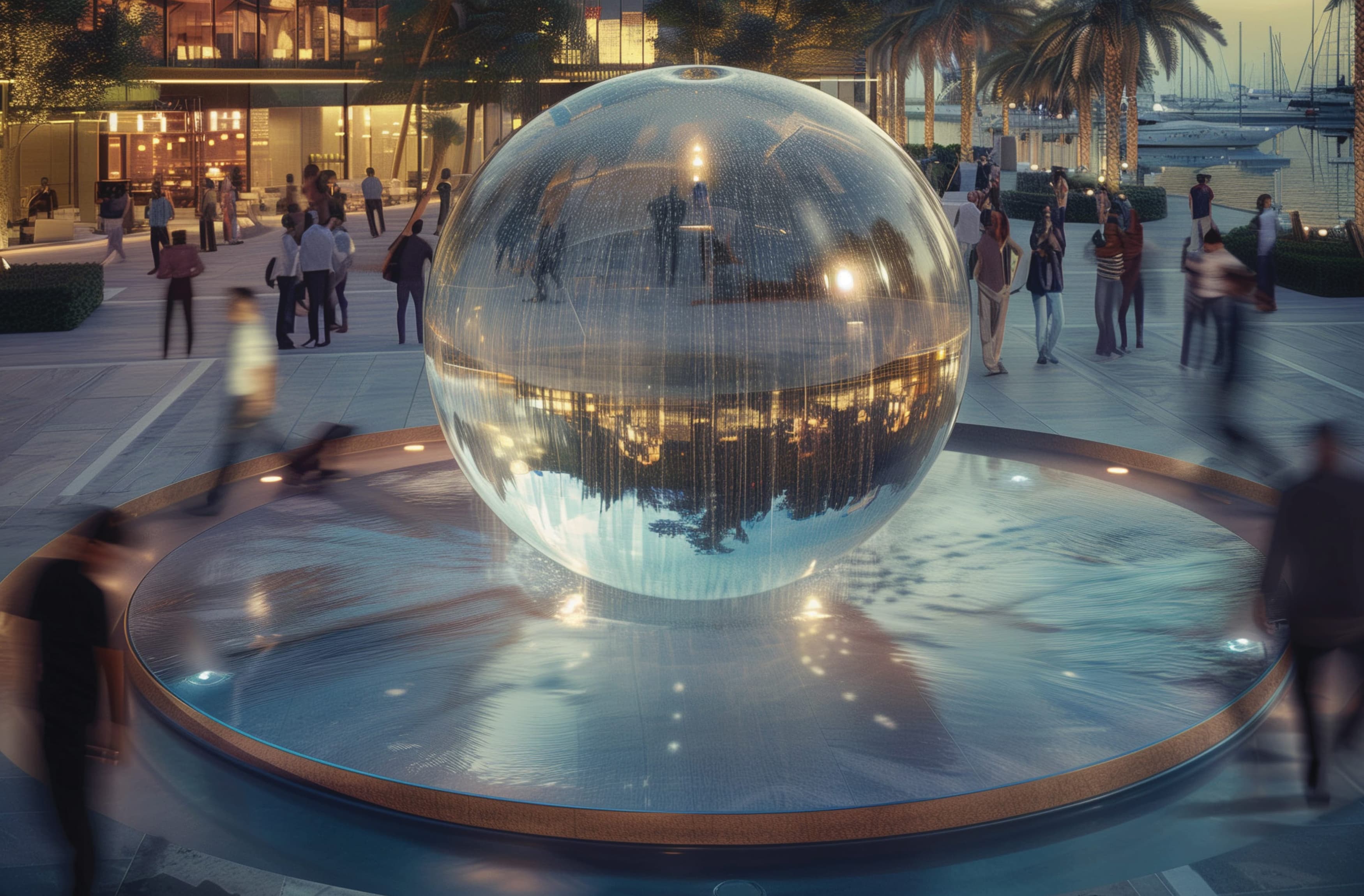
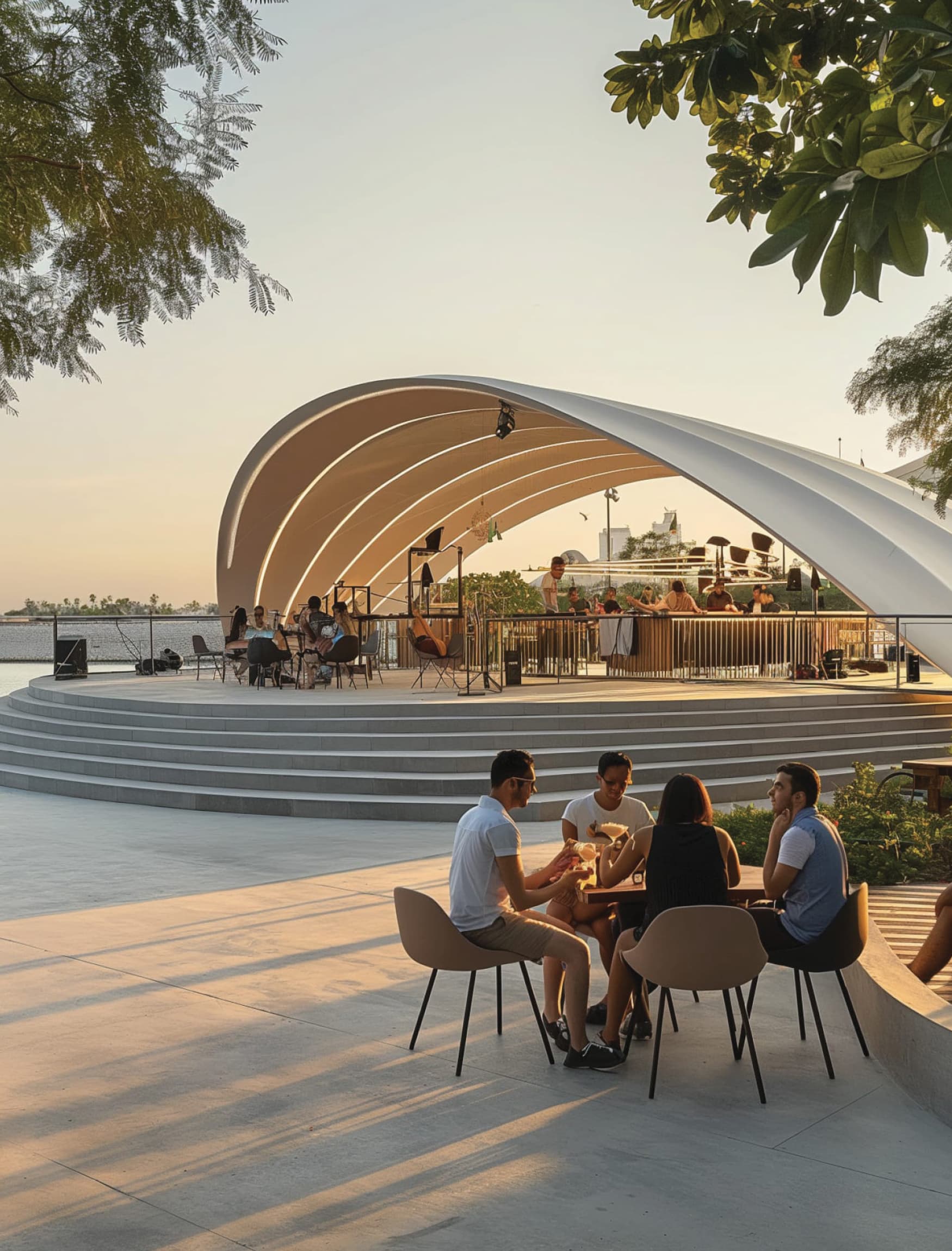
Ramhan Marina Island, Abu Dhabi, United Arab Emirates
Placemaking as a Remedy to Disconnection
Modern life presents a paradox: people are more connected than ever through technology, yet many report feeling increasingly isolated. The result is a quiet hunger for experiences that feel tangible, rooted, and real in the places that we cherish.
Thoughtful placemaking initiatives offer a solution to this disconnection. They are designed to invite people to look up and outward, to notice the quality of light and the texture of materials, to encounter strangers and share public space.
Human flourishing requires balance between the digital and the physical human experience. It is necessary for both the efficiency of digital tools and the grounding presence of meaningful places to root people in shared experience. The built environment, when designed with intention, can gently draw people back into engagement with their surroundings and their communities.
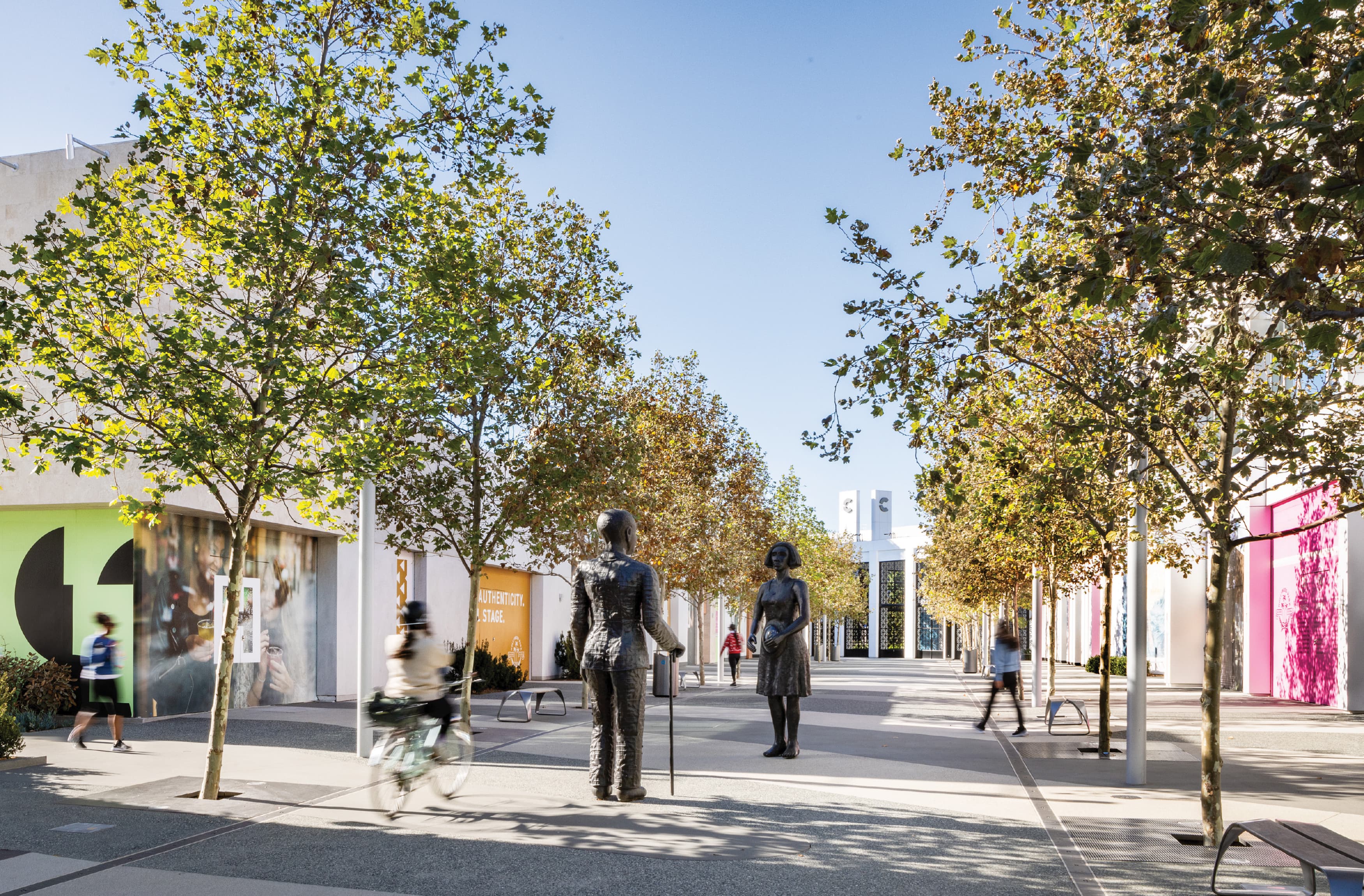
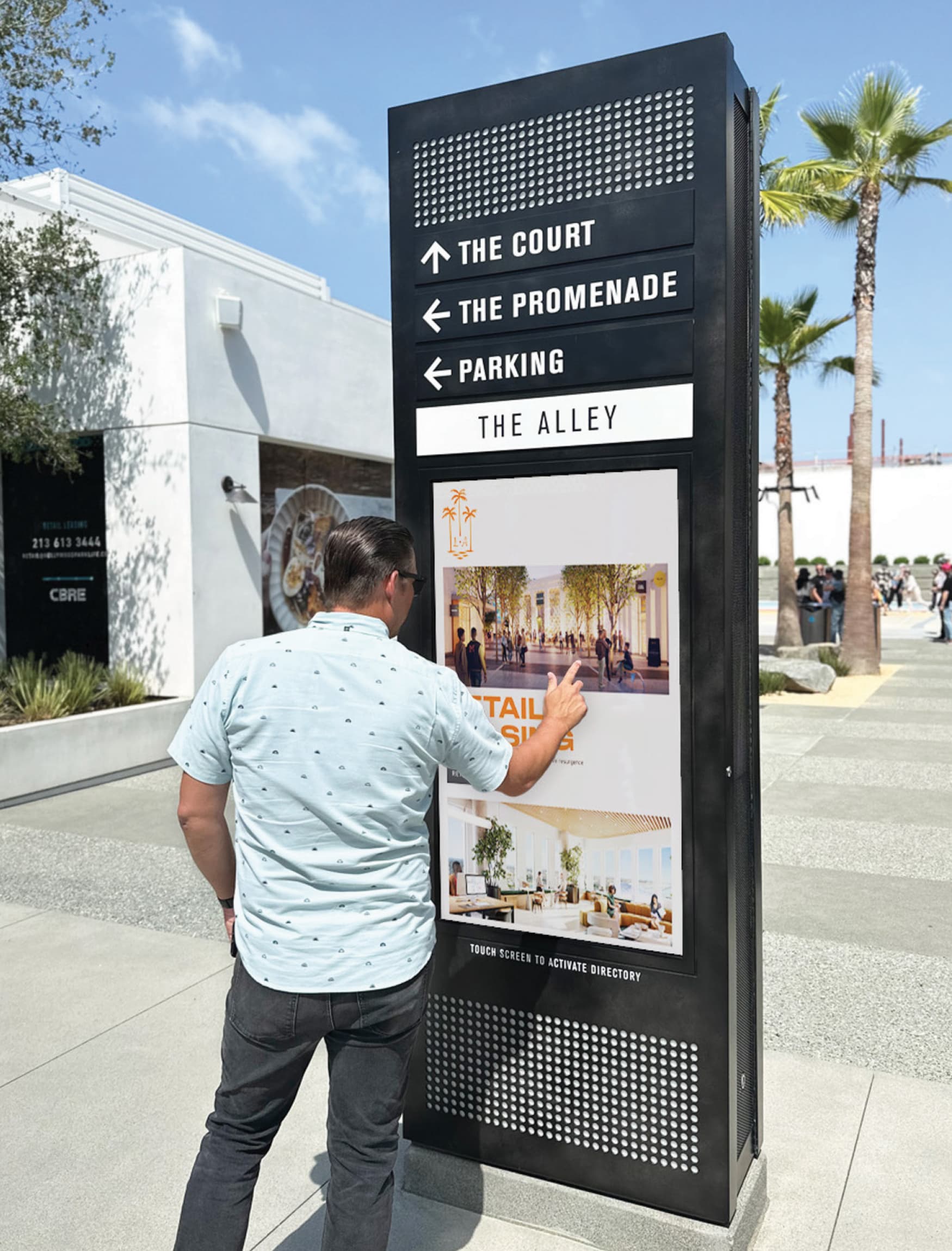
Hollywood Park, Inglewood, California
Shaping Human Connection & Belonging
Ultimately, place-based design extends an invitation: to walk rather than drive, to linger rather than rush, to look closely at the environment and collectively envision what it will become. It creates spaces that spark curiosity and participation, that reveal new experiences with repeated visits, that grow richer through communal use and cultivate harmony with the landscape.
The places people engage with can serve as sources of stability, identity, and connection. The impact of place on the built environment is, in essence, the impact of place on people: how they see themselves, how they relate to others, and how they find footing on solid ground in an evolving world.
Learn more about RSM Design's approach to placemaking ›