May 01, 2026
Experience-Led Design for Retail Environments
May 01, 2026
BY KYLE RICHTER, PRINCIPAL & SAN CLEMENTE STUDIO DIRECTOR, WITH AARON FERBER, SENIOR ASSOCIATE
Since the 1950s, the dominant model for retail real estate has been straightforward: maximize tenants, fill square footage, and let foot traffic do the rest. As the industry convenes at ICSC Las Vegas 2026, the largest commercial real estate conference in the world, that formula is being reassessed. Designers, developers, and owners are arriving with new questions about what makes a place worth returning to.
That question is now driving conversations across ICSC: How do you craft destinations that transform a visit into a meaningful experience which invites people to linger, return, and connect with the environment? The answer requires rethinking what retail destinations are designed to do, and looking toward experience-driven strategies that are reshaping the field of commercial design.
The Shift from Transaction to Experience in Retail Design
Physical retail is not disappearing so much as it is being actively redefined. The contemporary destinations gaining traction today are those that offer qualities that digital commerce cannot: social energy, spatial identity, and interpersonal encounters. When it comes to consumer behavior, dwell time has become one meaningful proxy for a destination’s overall health; longer visits correlate with stronger tenant performance, repeat visitation, and word-of-mouth referrals.
Experience design sits at the center of the dwell time equation. When a space is organized around exploration rather than efficiency alone, or when it gives people reasons to linger, visitors and tenants experience a shift in their relationship to place. For developers and investors, this is not an abstract creative conversation, but a shift directly connected to leasing performance, customer engagement, and long-term asset value.
Designing Social Spaces for Community
Entertainment concepts and immersive installations have become a meaningful part of how developers think about mixed-use and destination programming. Experience-driven tenants, such as food halls anchored by local operators, entertainment venues, and interactive attractions, work to draw visitors into a larger narrative and extend their reasons to stay beyond the purview of a single errand. These concepts also change the social dynamic of a retail environment by offering something to do, not just something to buy. For owners and developers turning towards more immersive strategies, experiential programming is not an amenity layer added on top of a leasing plan but a central design directive.
Experience-led retail extends beyond entertainment concepts and immersive activations. It encompasses the quieter, more enduring design decisions that make a place feel worth inhabiting: wayfinding systems that reduce friction and encourage exploration, placemaking elements that support spontaneous gathering, donor recognition and public art installations that become destinations in their own right, and environmental graphics that reinforce a property’s identity at each turn. These are the elements that form the infrastructure of social life, and the foundation of contemporary retail placemaking.
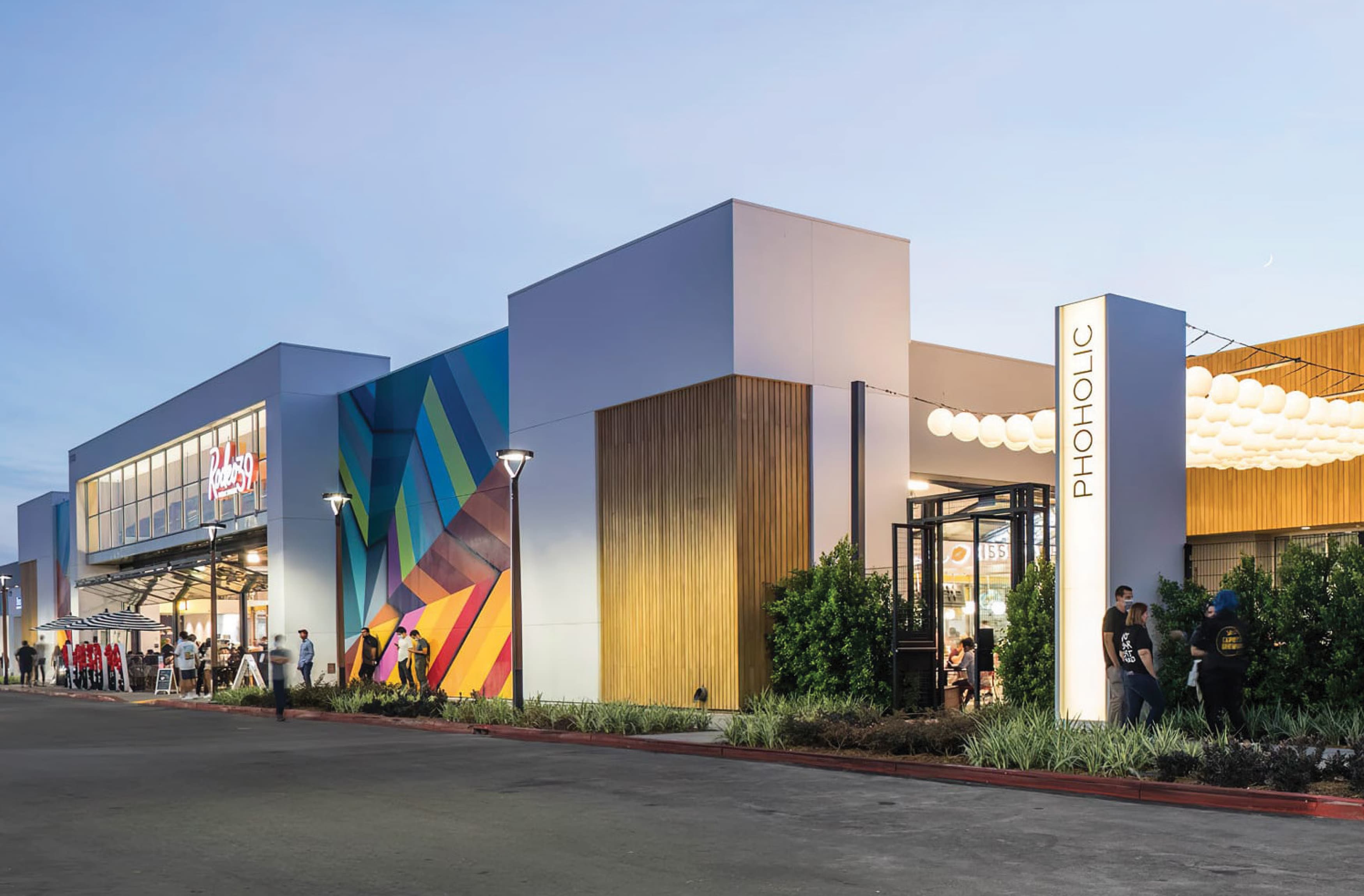
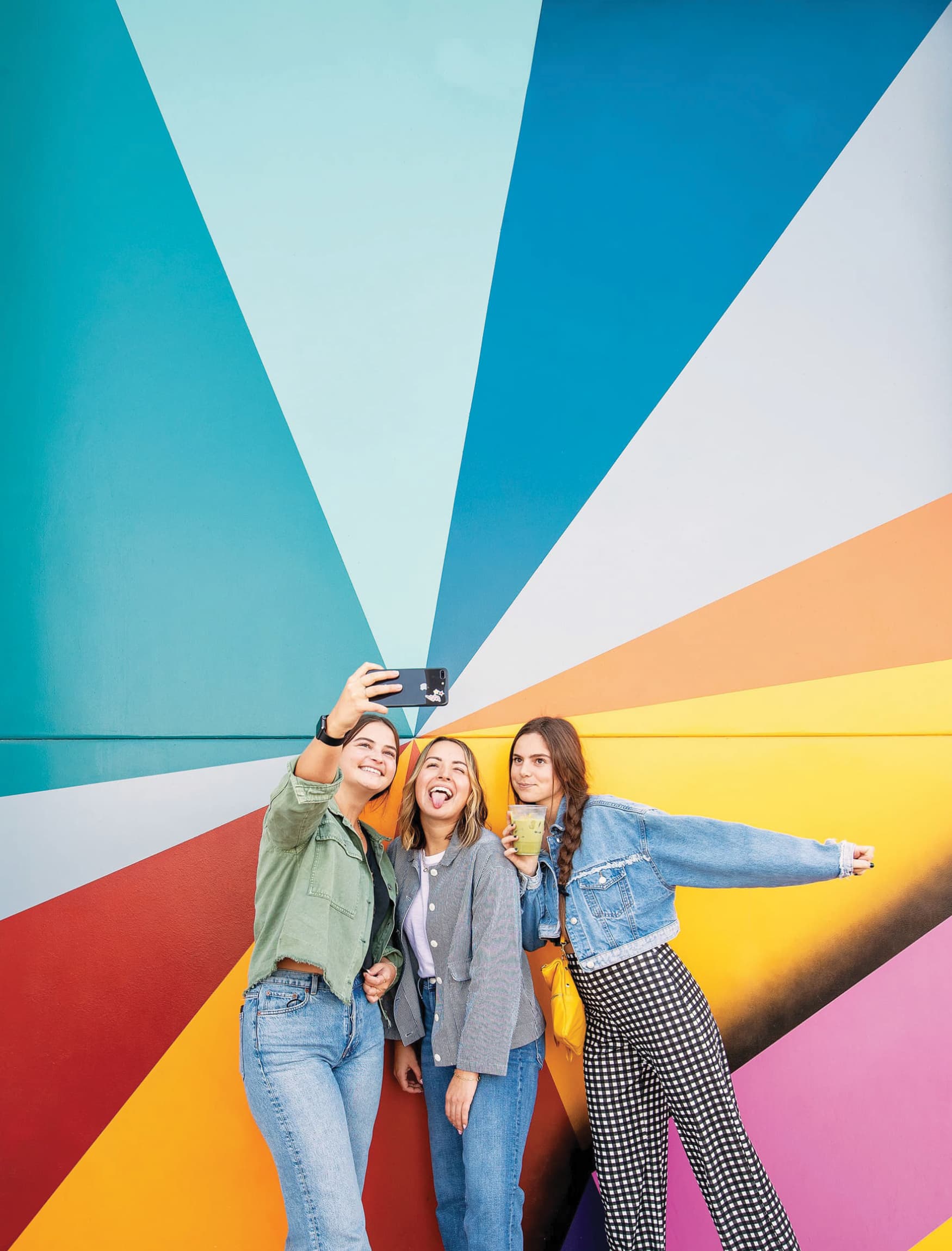
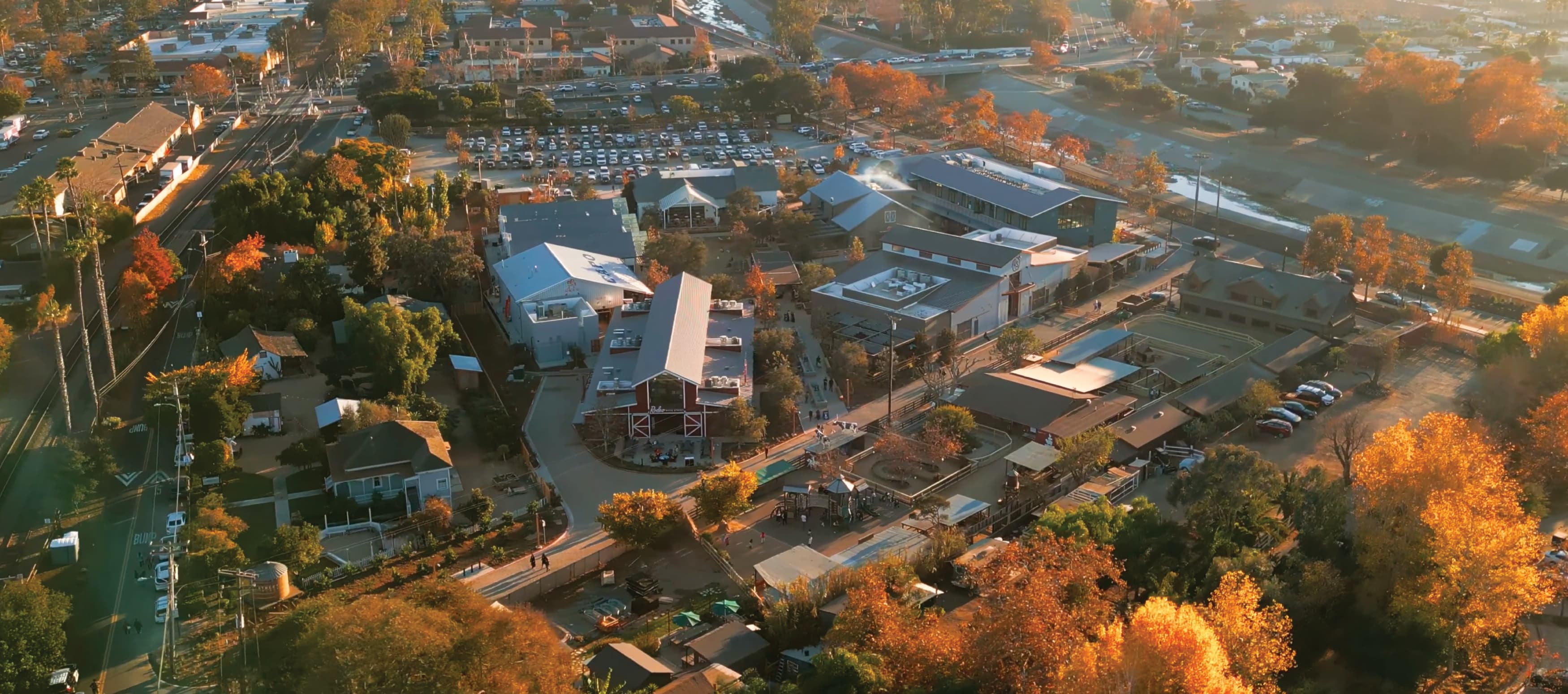
Rodeo 39, Stanton, California
Experience-Based Repositioning Opportunities
New ground-up development projects capture significant industry attention, but a growing share of activity in experiential real estate is focused on repositioning. At ICSC, designers and developers are examining what already exists within the built environment and how those spaces can be transformed to meet current market demands.
Vacant big-box spaces, decommissioned urban buildings, and aging common areas present both a challenge and an opportunity. With infrastructure and a physical footprint already in place, the central question is what kinds of experiences these spaces can support and how design can make those experiences clear and accessible. These design decisions, when integrated early in the repositioning process, have downstream effects on tenant mix, lease terms, and long-term asset performance.
Crafting Signage & Identity Within Retail Districts
Repositioning a physical space extends to how that space communicates with visitors. Environmental graphic design, including architectural graphics, wayfinding systems, identity signage, and placemaking touchpoints, plays a direct role in whether a repositioned destination reads as coherent and purposeful.
A center that has evolved over decades, changing tenants, adding building wings, and updating common areas at different intervals, can accumulate a visual inconsistency that works against a unified sense of place. A mixed-use destination that has grown beyond its original identity often requires a new visual language to match its current use and audience.
A comprehensive master sign program and brand standards guidelines that unify graphics, color, materials, and typography allow a repositioned retail destination to establish a coherent visual identity without diminishing the character of individual tenants or districts within the property. Updated wayfinding and accessibility initiatives ensure that complex retail environments remain legible and intuitive for all users.
Repositioning & Experiential Case Studies by RSM Design
Liberty Station - San Diego, California
Liberty Station occupies 361 acres in San Diego, California’s Point Loma neighborhood on the site of the former Naval Training Center, which officially closed in 1997 and is listed on the National Register of Historic Places. The repositioning effort set out to honor the site’s military history while transforming it into a mixed-use public destination organized around several distinct districts, including retail and commercial, a nonprofit-focused promenade, and educational, residential, hospitality, and workplace uses. RSM Design was engaged from the earliest stages of the project, leading the initial visioning and brand strategy before developing the site-wide signage design system and a comprehensive set of brand and signage guidelines to support future expansion. The design drew directly from the Naval history of the site, carrying the clean, strong shapes and edges of military architecture into the branding, logo, and signage system. The result is a destination where environmental graphic design and wayfinding work together to give a complex, multi-district property a unified identity rooted in the specific history of the place it occupies.
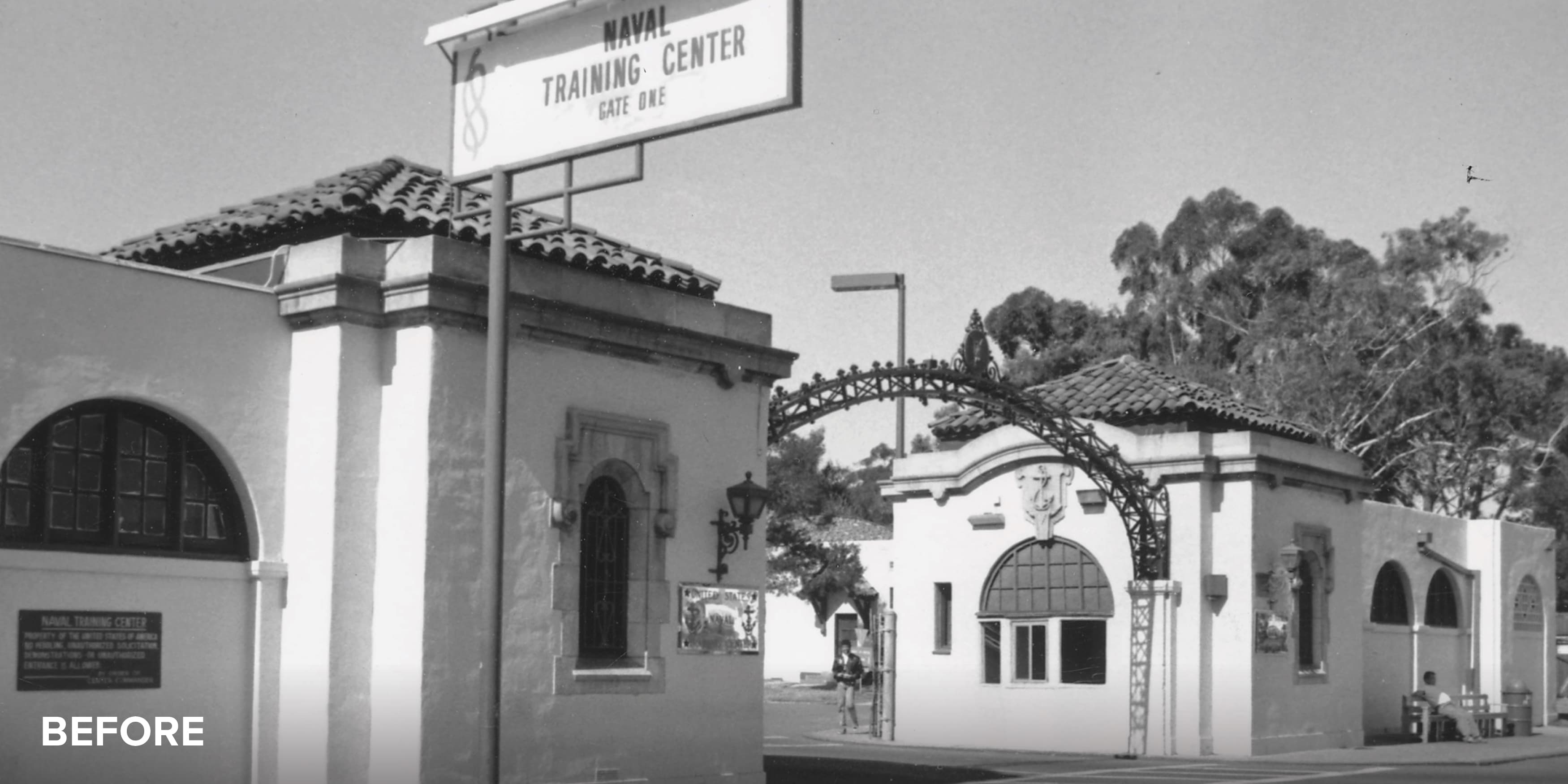
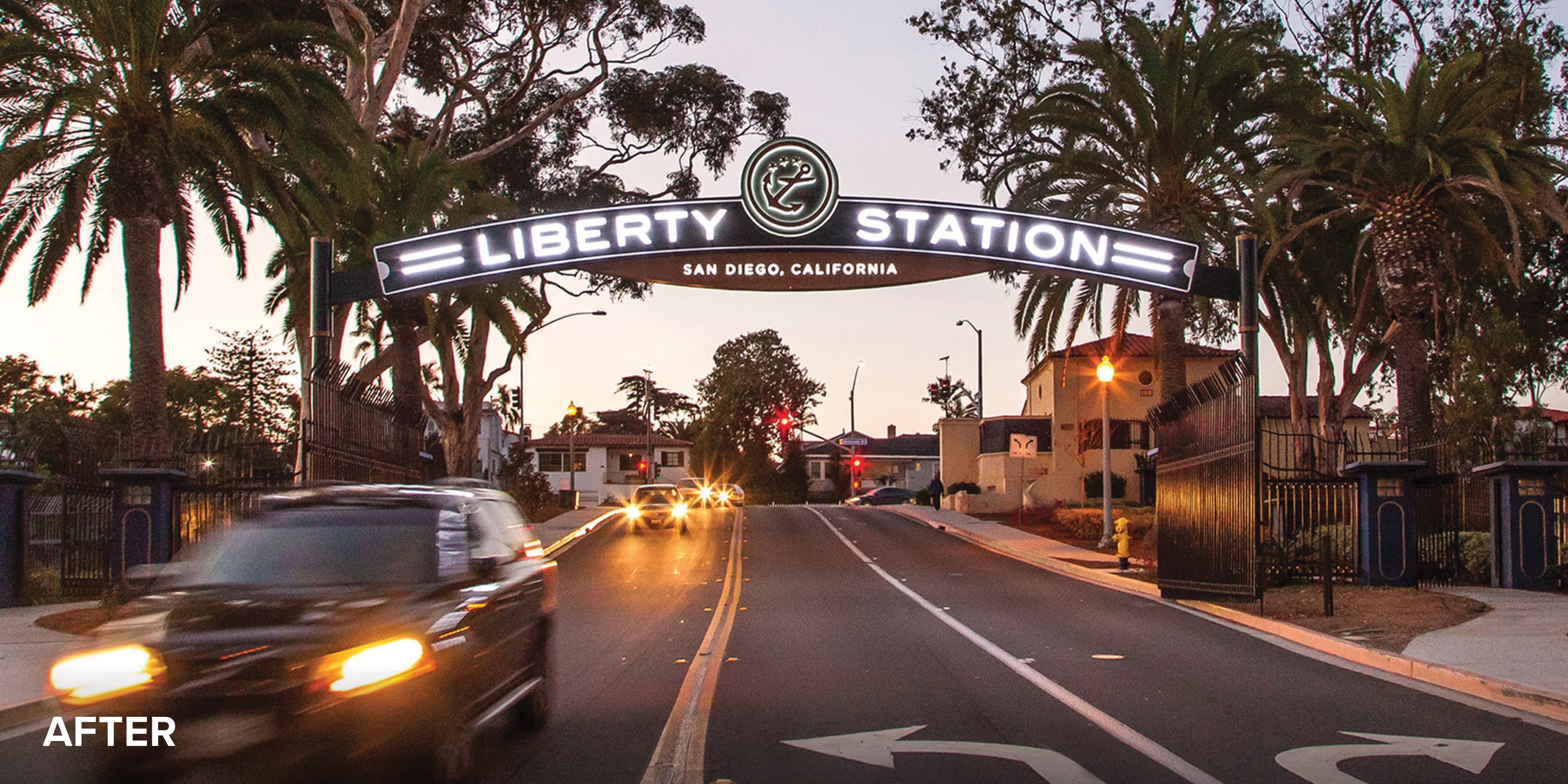
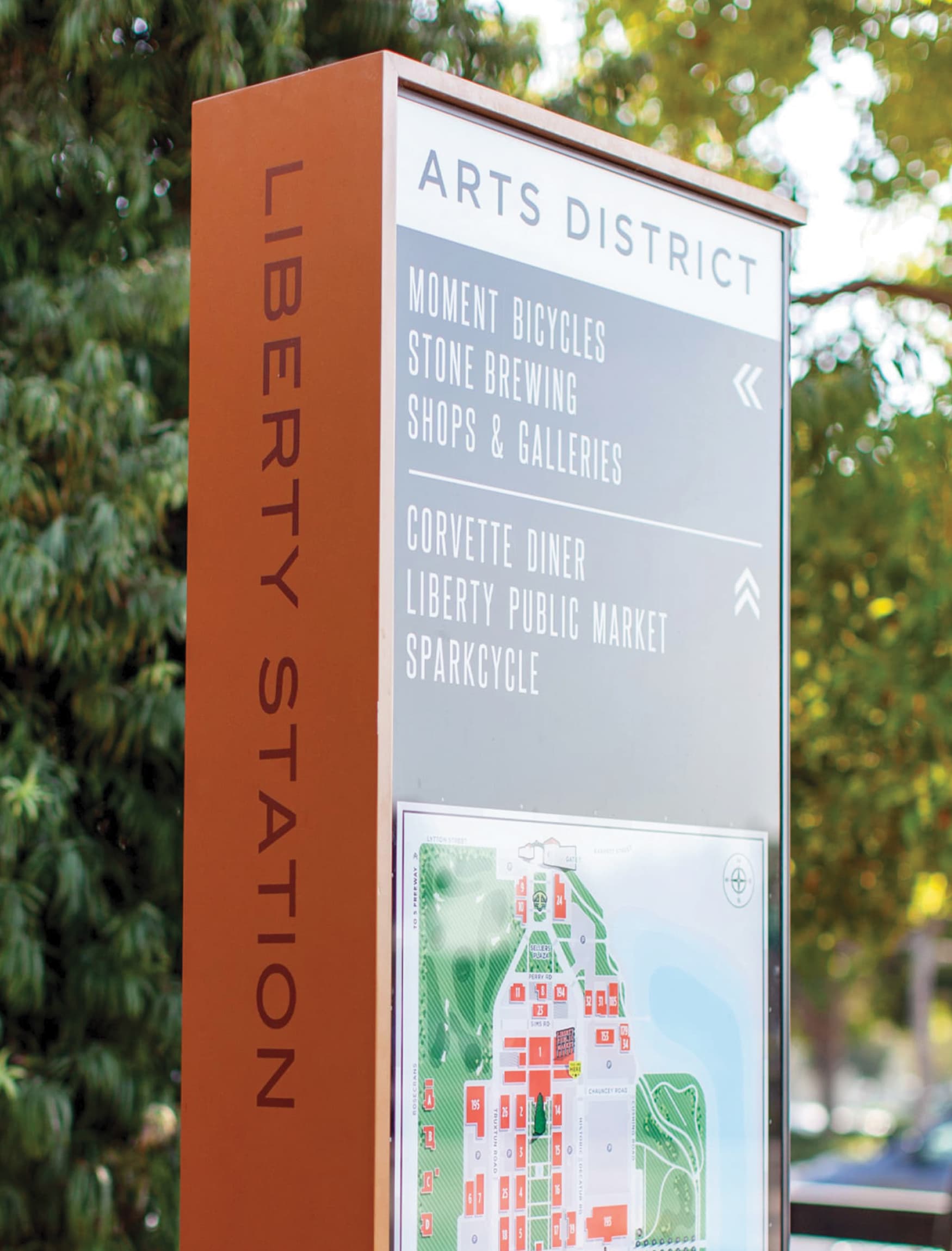
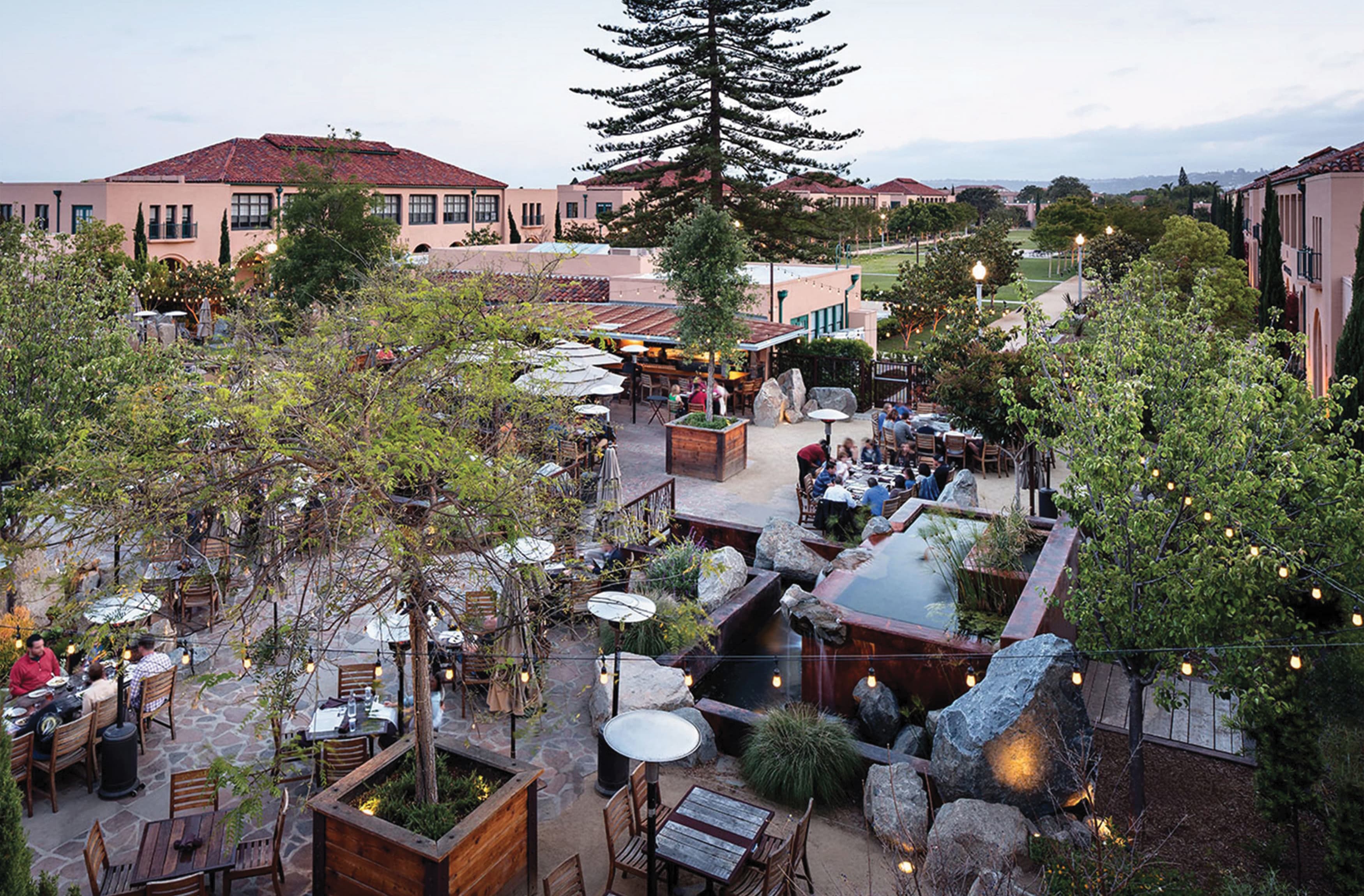
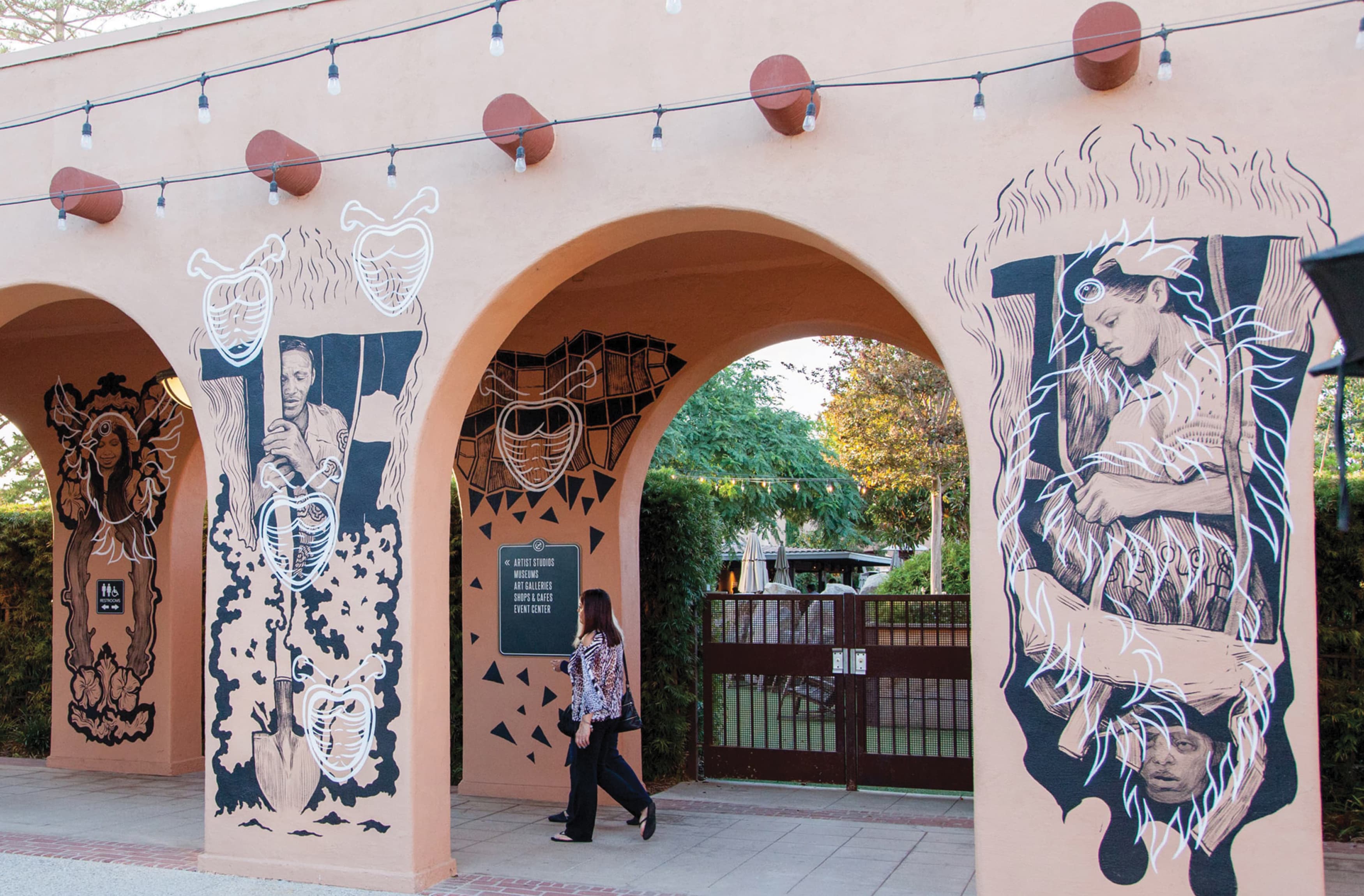
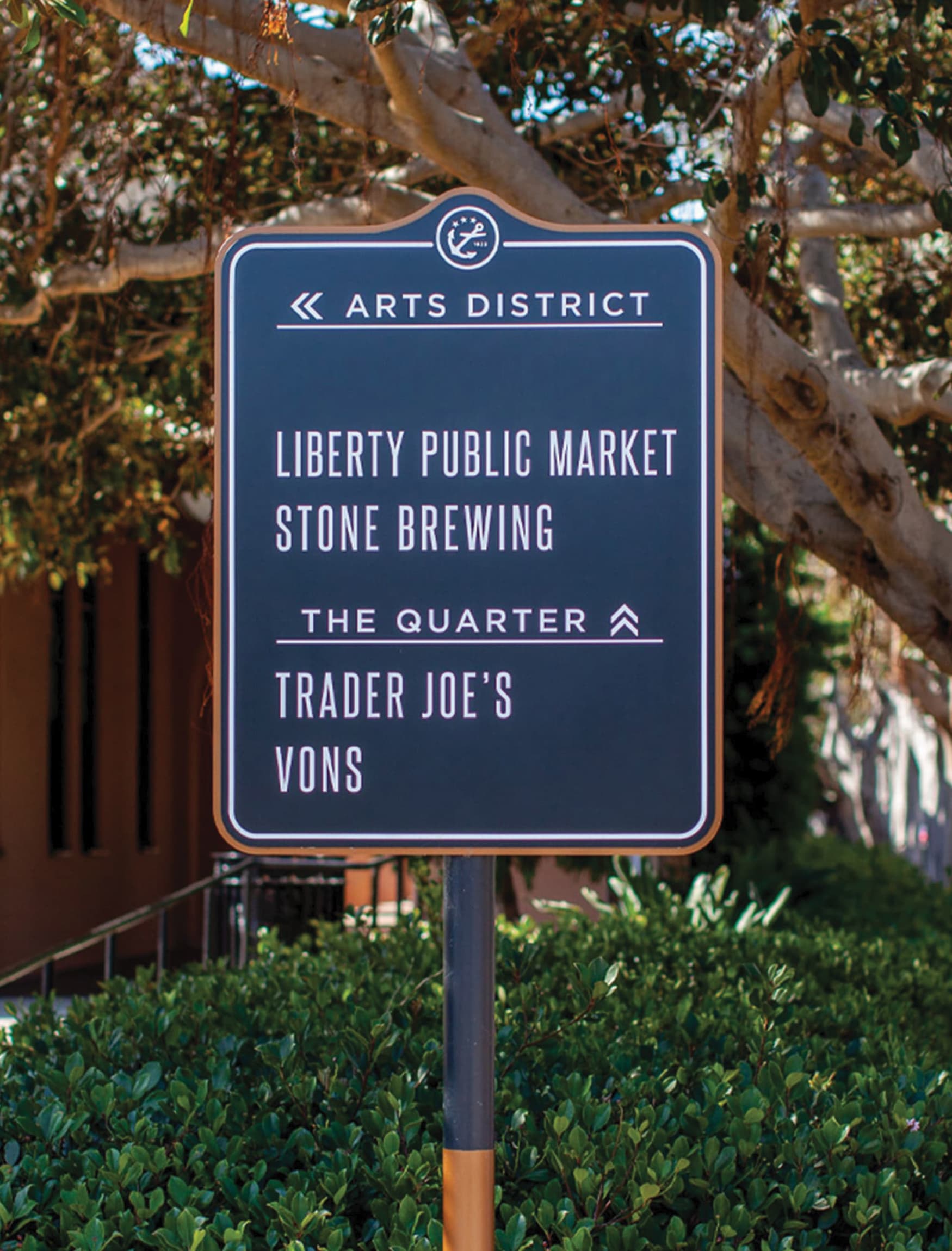
Liberty Station, San Diego, California
Manhattan Village - Manhattan Beach, California
Manhattan Village, originally built in 1982 and spanning 44 acres in Manhattan Beach, California, is a suburban retail center that had grown outdated over time before undergoing a revitalization effort. RSM Design was engaged to develop the property’s environmental graphic design program, translating the character of Manhattan Beach into a cohesive design system built around a coastal material palette of wood, aluminum, and concrete. Placemaking graphics, architectural graphics, and environmental signage were implemented throughout the center’s public spaces to give guests a clear sense of place, while murals and wayfinding graphics in the parking garage served a dual purpose: orienting visitors and animating an otherwise utilitarian space. The result is a retail destination whose visual identity reflects the casual sophistication of its surrounding community, with design decisions that support both navigation and a stronger sense of belonging for the people who use the space.
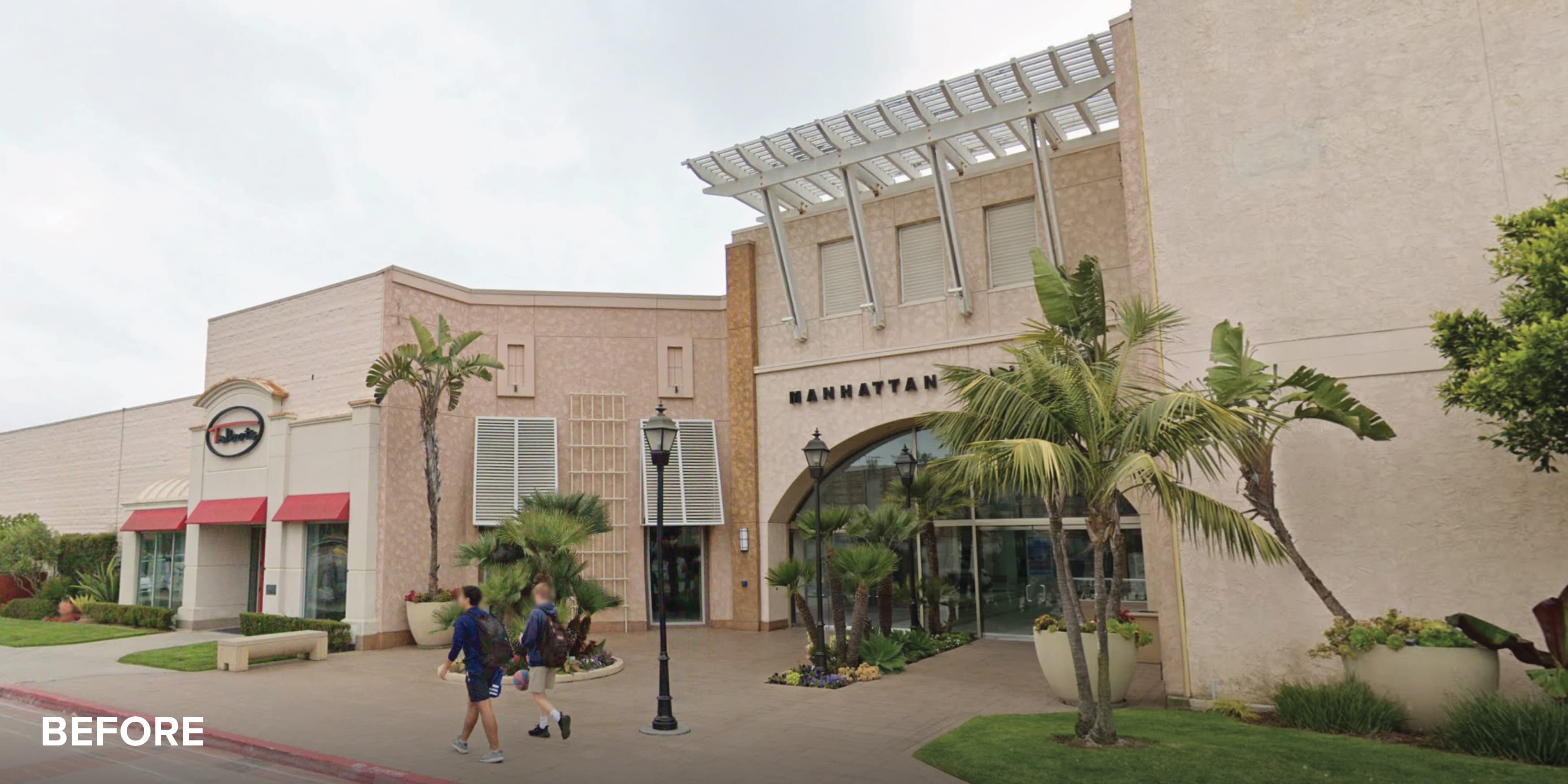
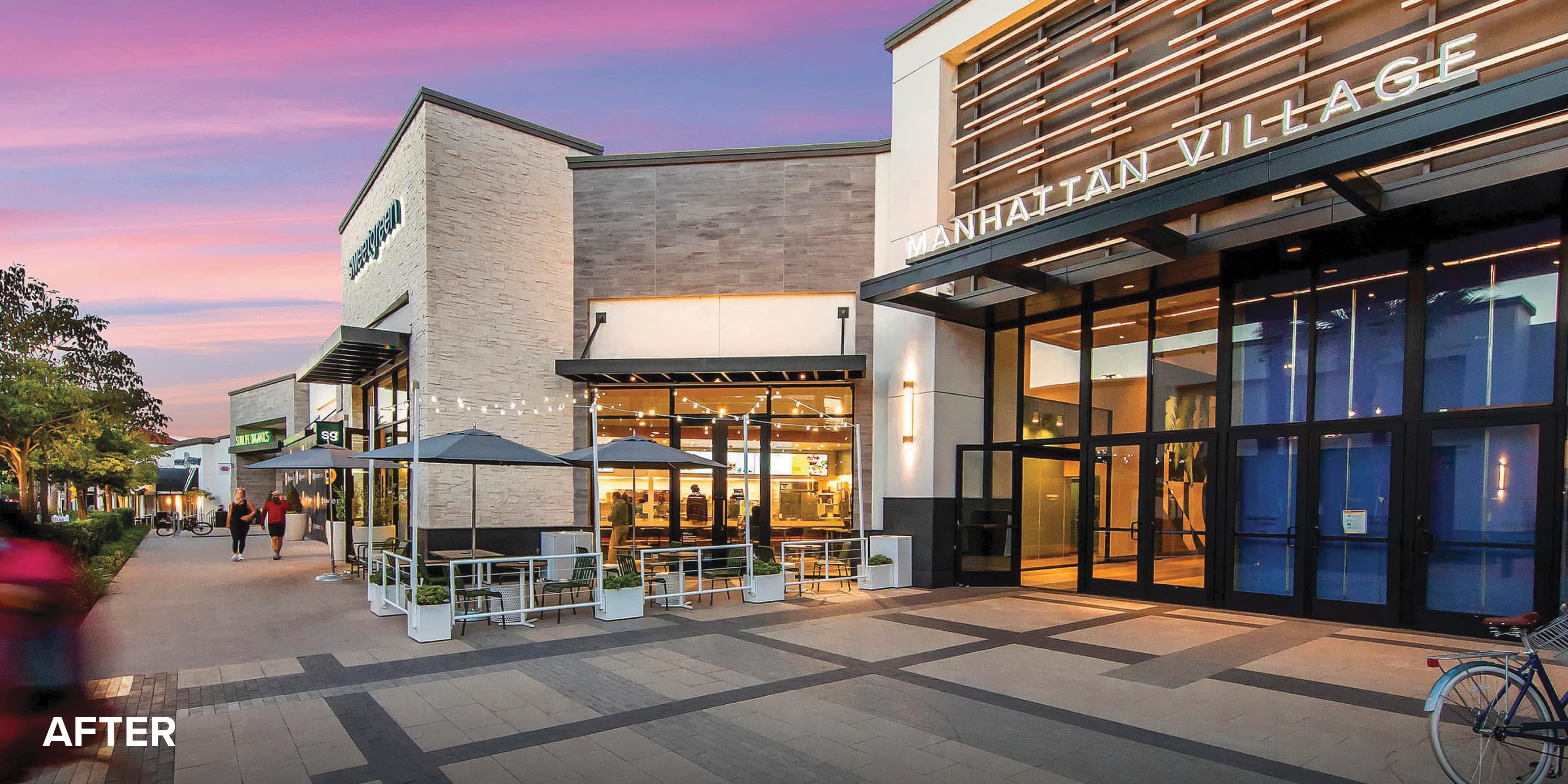
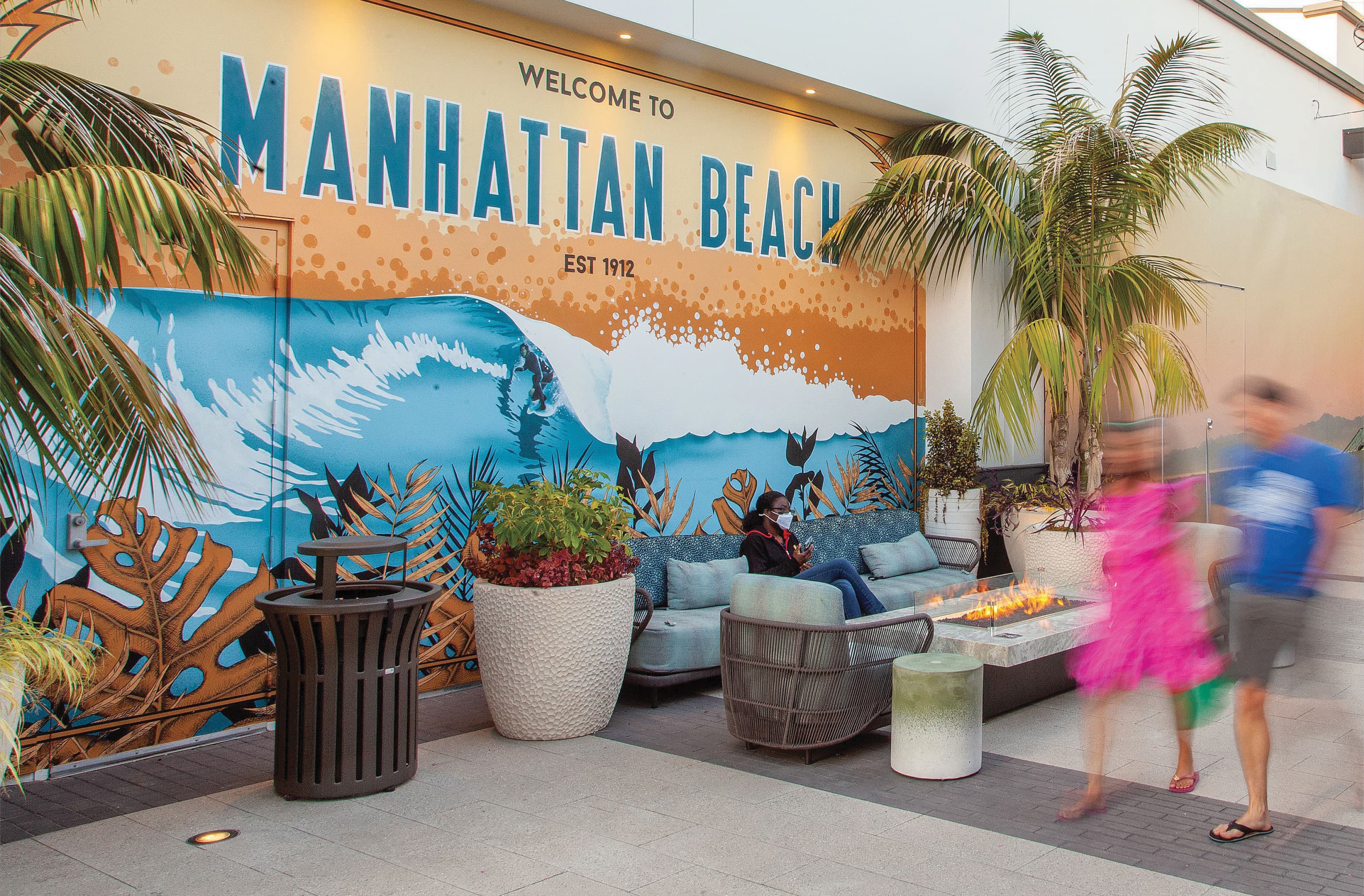
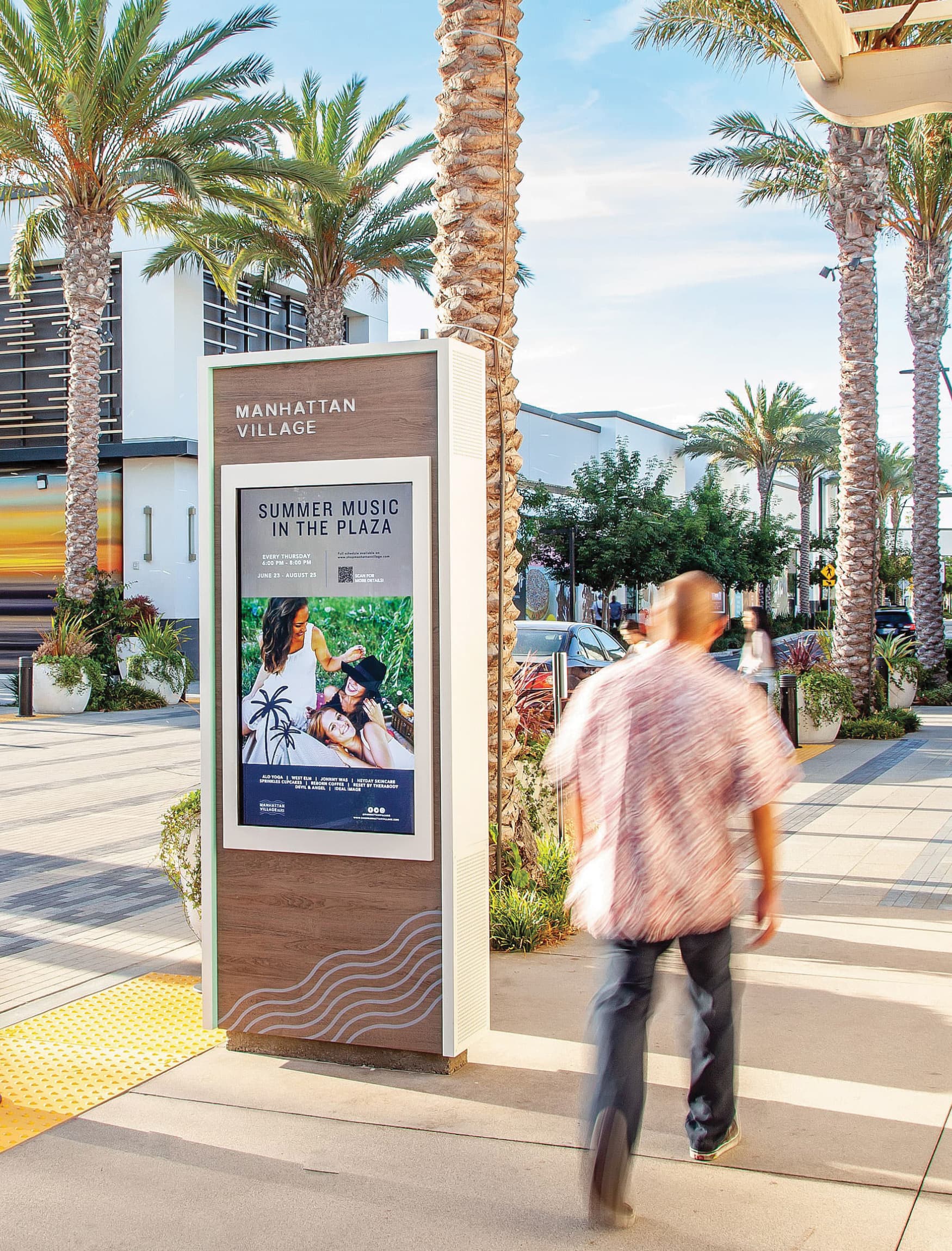
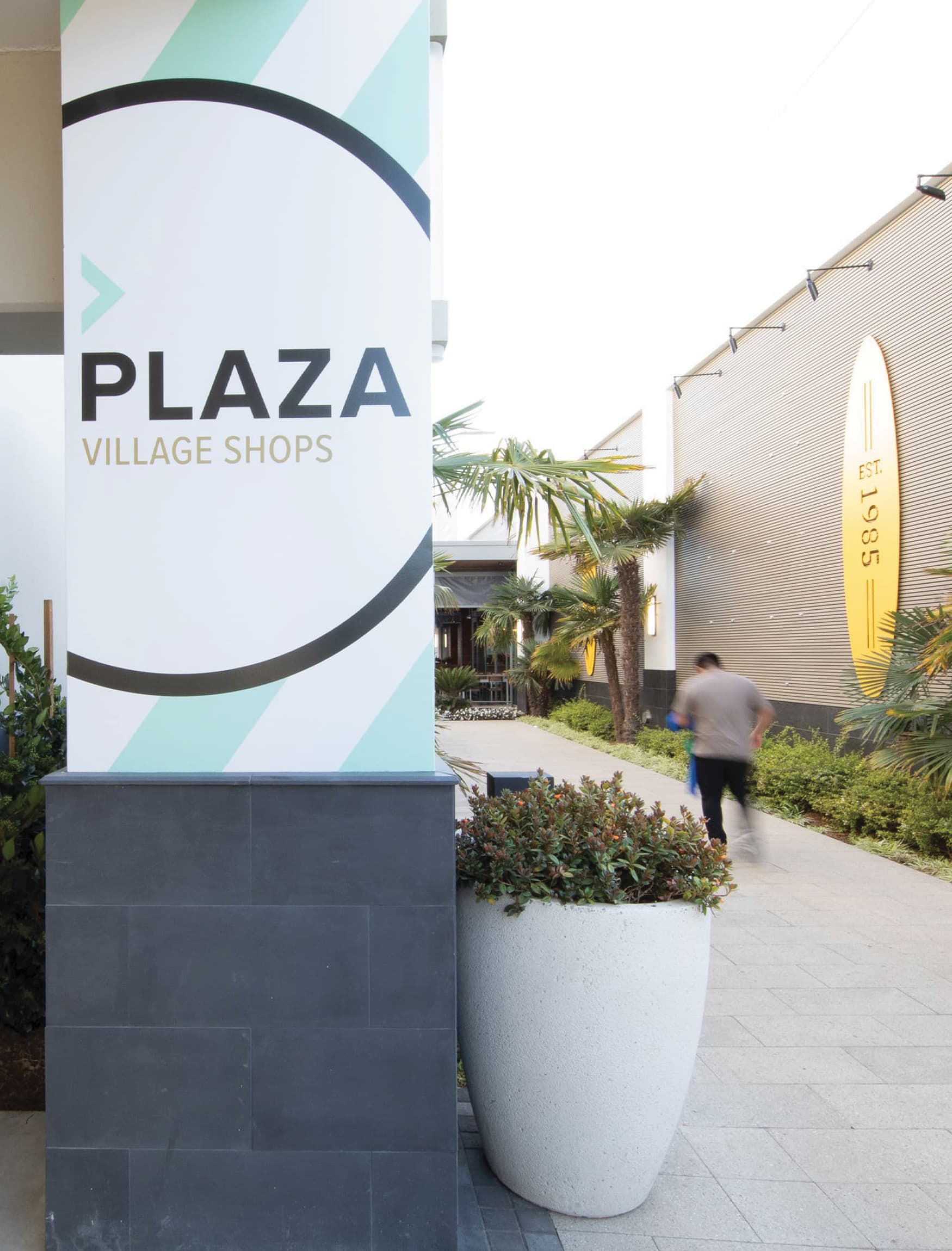
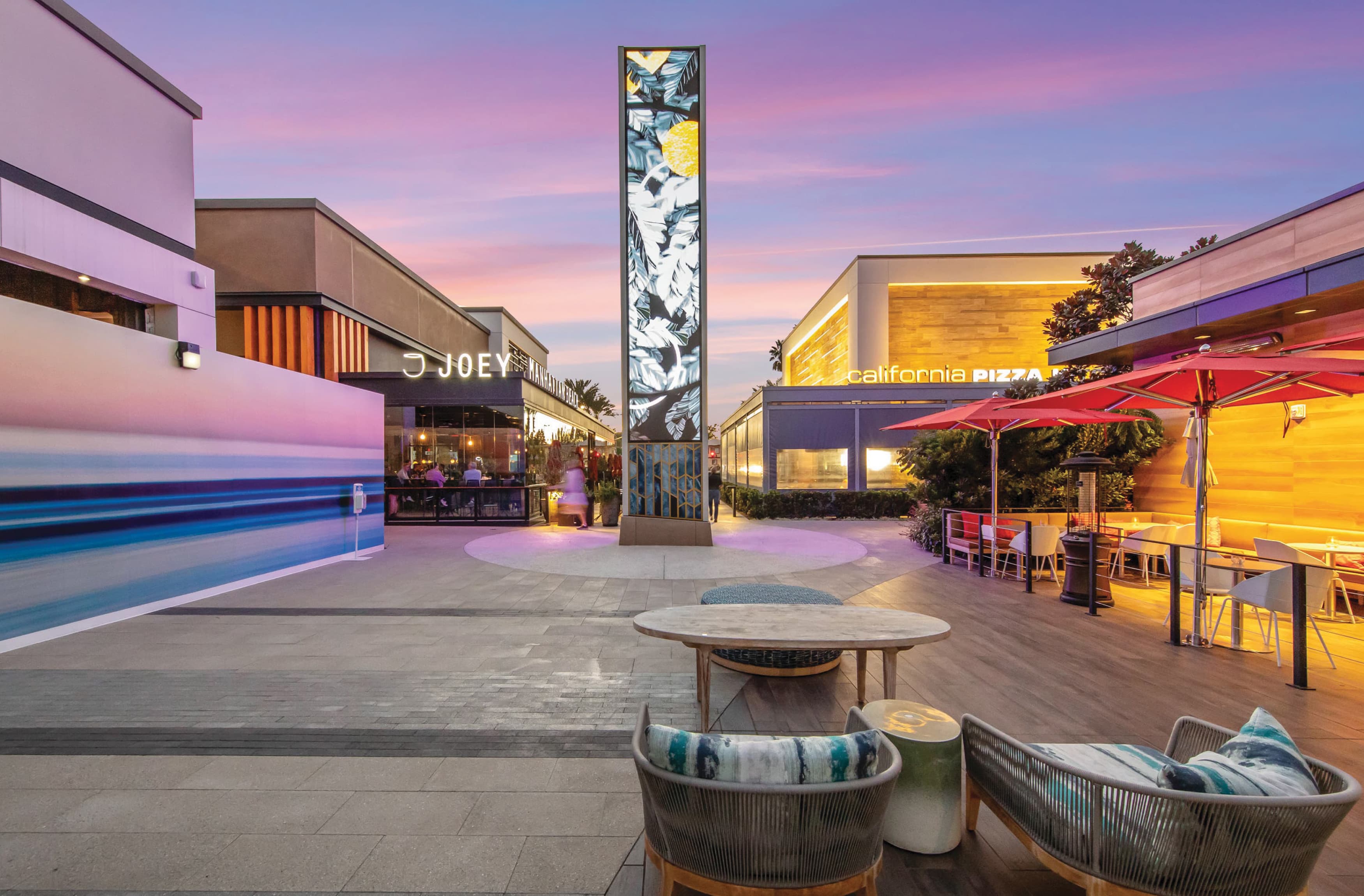
Manhattan Beach, Manhattan Beach, California
Ovation Hollywood - Hollywood, California
Ovation Hollywood represents a large-scale urban revitalization effort in one of Los Angeles, California’s’ most visited corridors. Originally developed as Hollywood & Highland in 2001, the 387,000-square-foot destination had grown outdated over time, prompting a repositioning effort to reimagine the property for a new generation of visitors. RSM Design played an integral role in that transformation, developing an environmental graphic design program that gave the repositioned destination a coherent visual identity rooted in the culture of Hollywood itself. Placemaking graphics, mural designs, and a comprehensive wayfinding system worked together to resolve longstanding legibility challenges across the property’s complex mix of interior and exterior spaces, while reinforcing the project’s central brand principle: a celebration of the culture, diversity, and accomplishments of the Los Angeles community.
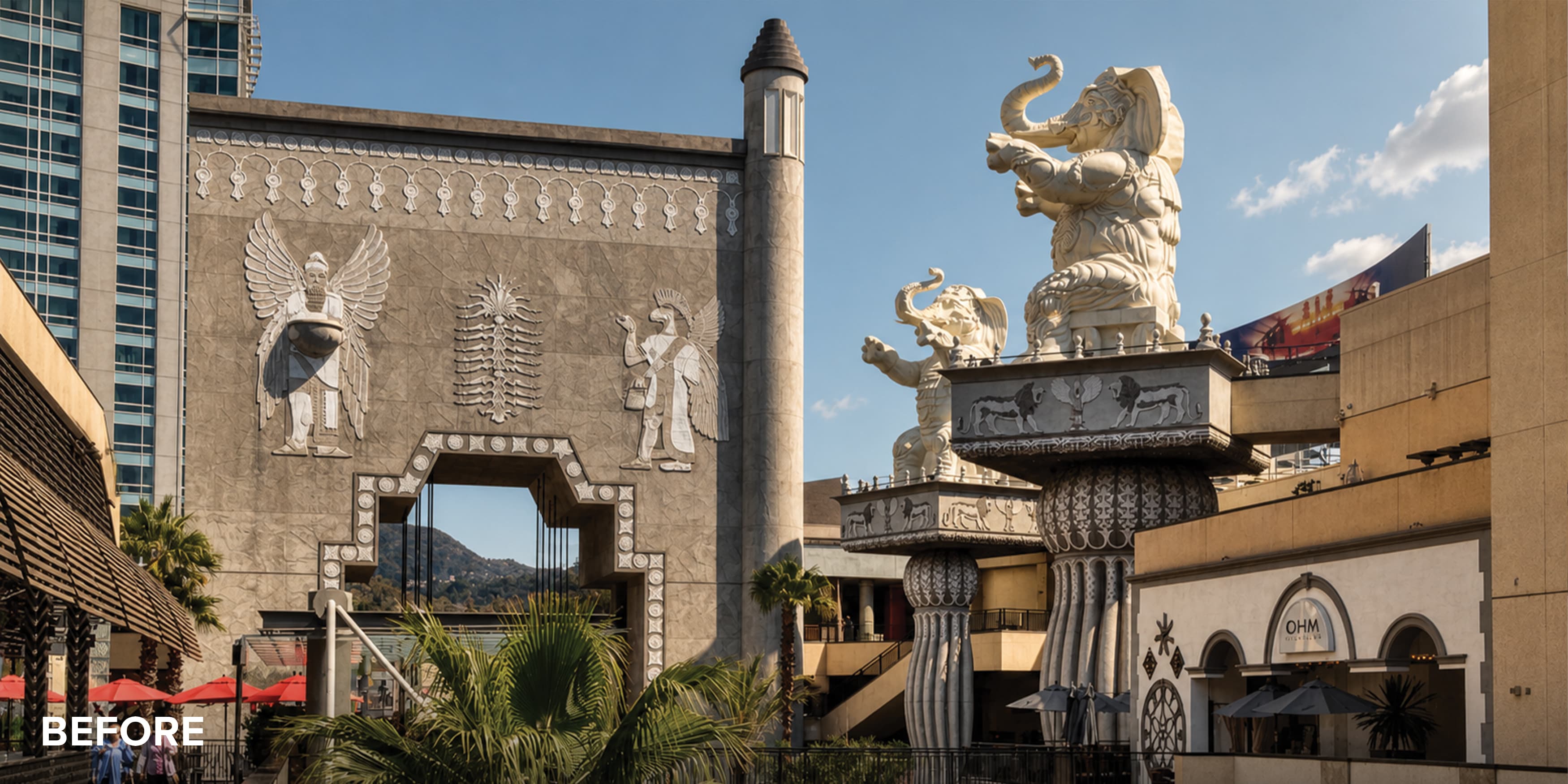
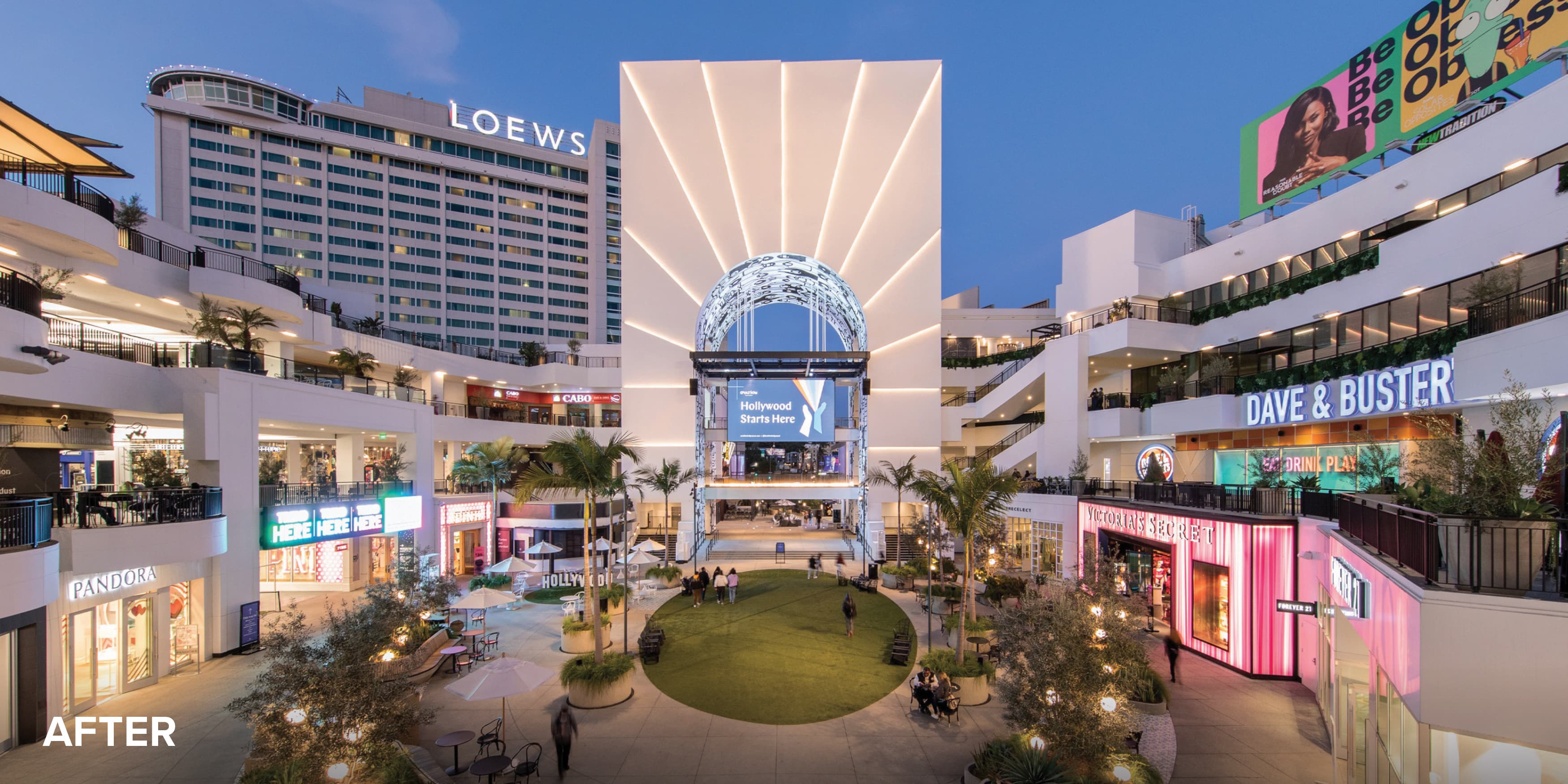
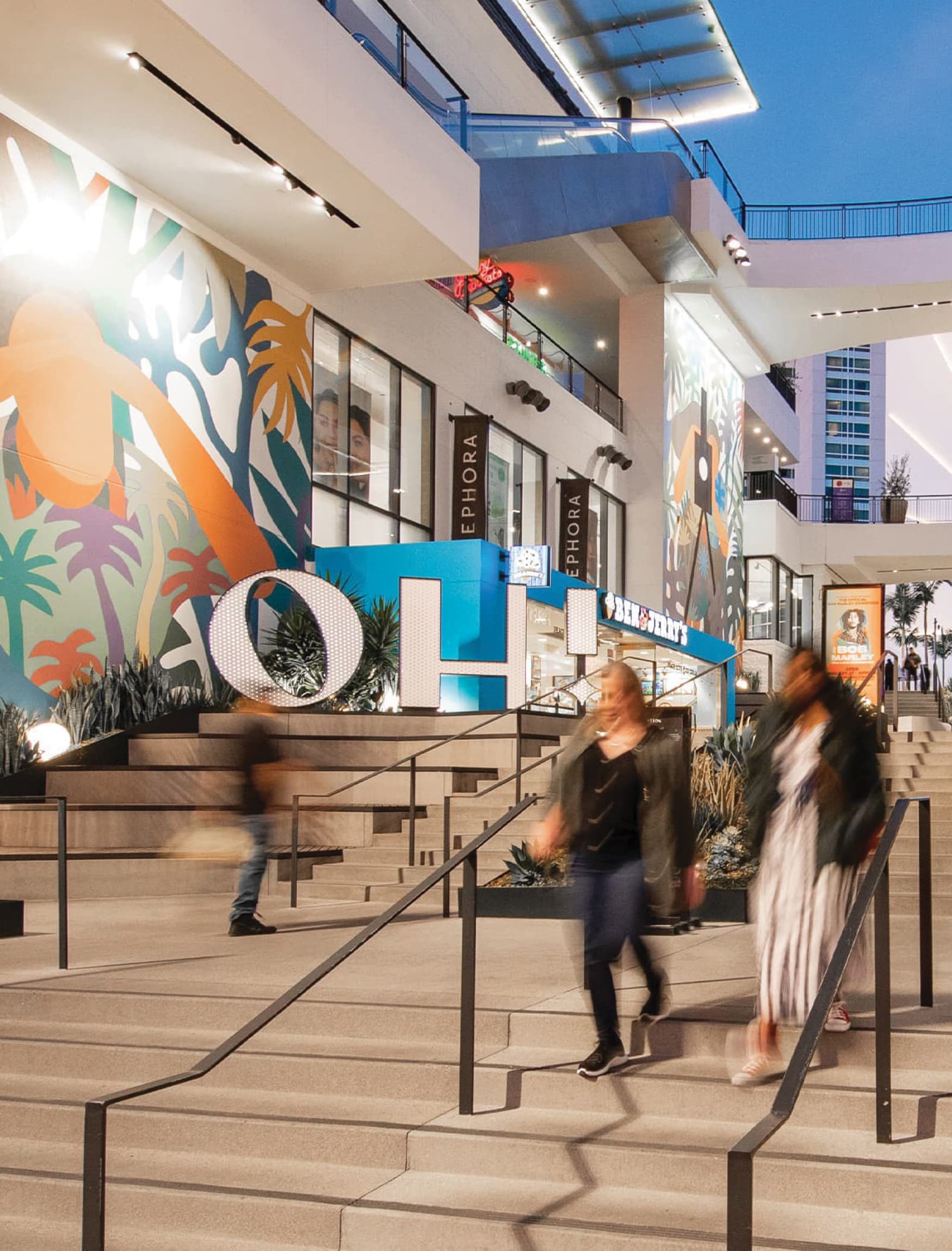
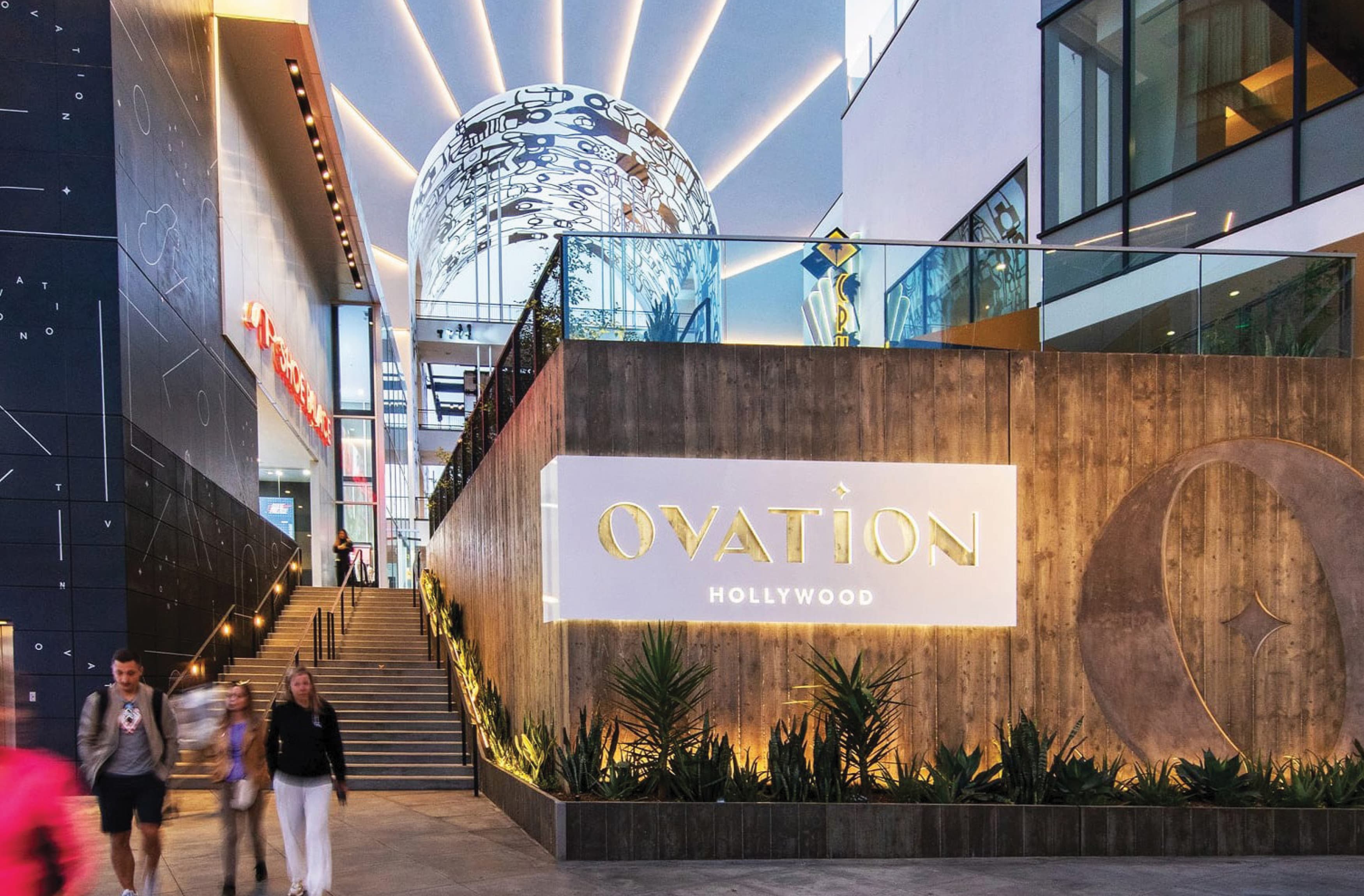
Ovation Hollywood, Hollywood, California
Additional Industry Case Studies
Holey Moley & Hijinx Hotel - Irvine, California
When a large 24 Hour Fitness anchor vacated at Irvine Spectrum Center, the ownership team chose repositioning over simple backfill. Rather than replacing one large tenant with another, they divided the 35,000-square-foot footprint into two distinct experiential concepts operated by Australian entertainment company Funlab. Holey Moley Golf Club brings 27 themed holes of competitive mini golf alongside a full-service bar and restaurant, while Hijinx Hotel offers immersive challenge rooms where groups can compete across interactive games, alongside three karaoke lounges and a speakeasy-style restaurant. The two concepts occupy the same address but serve meaningfully different audiences and occasions.
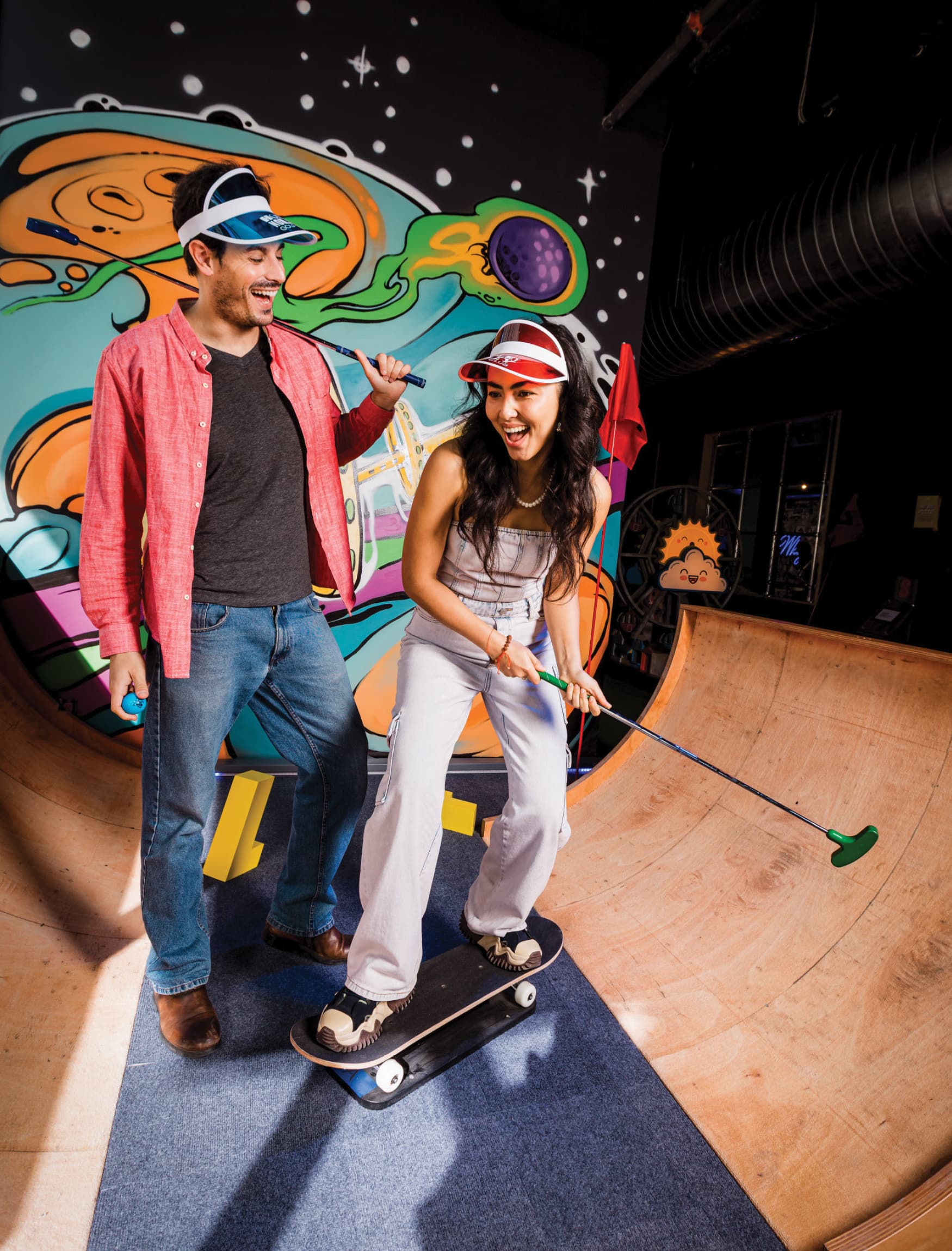
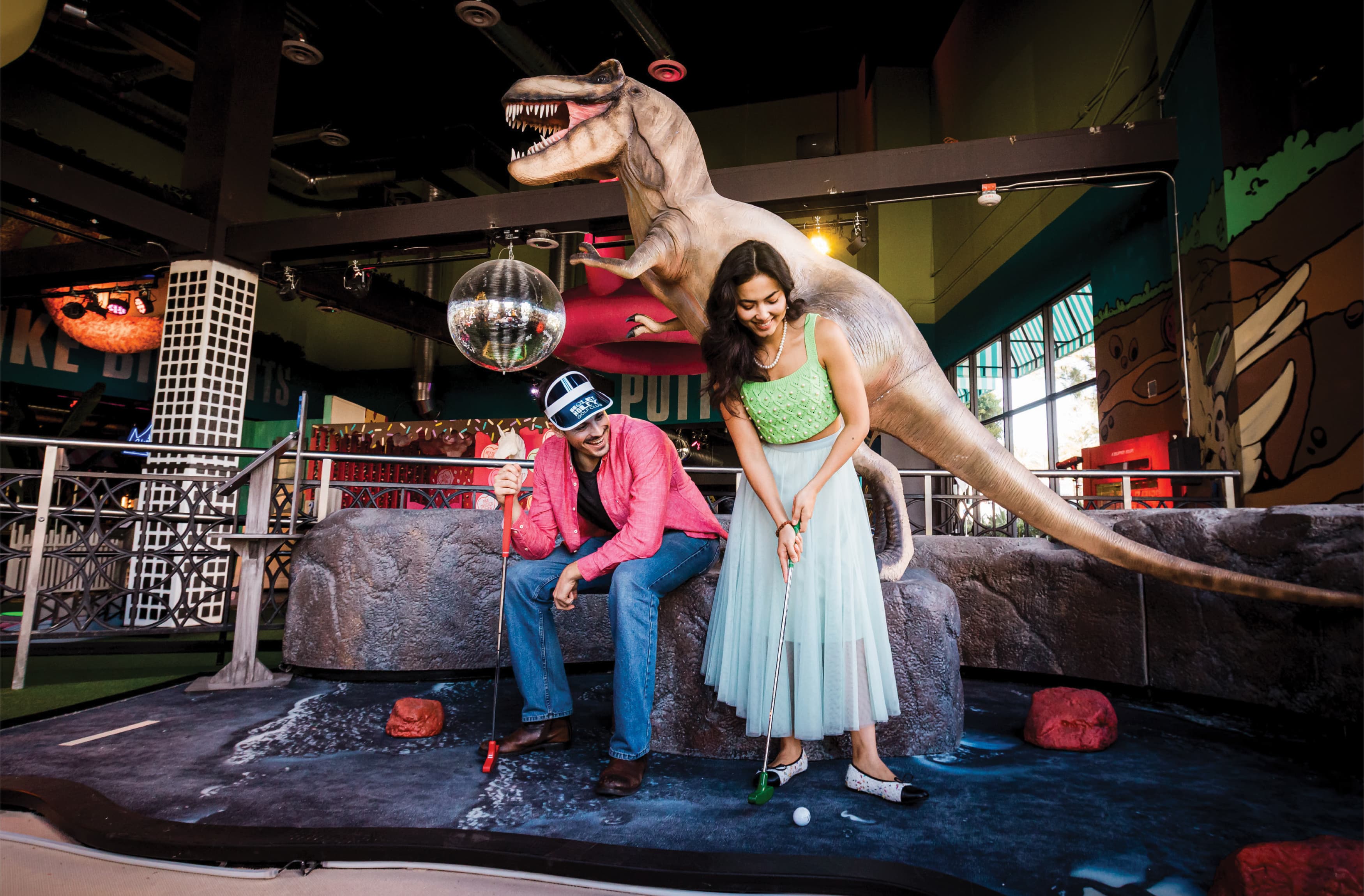
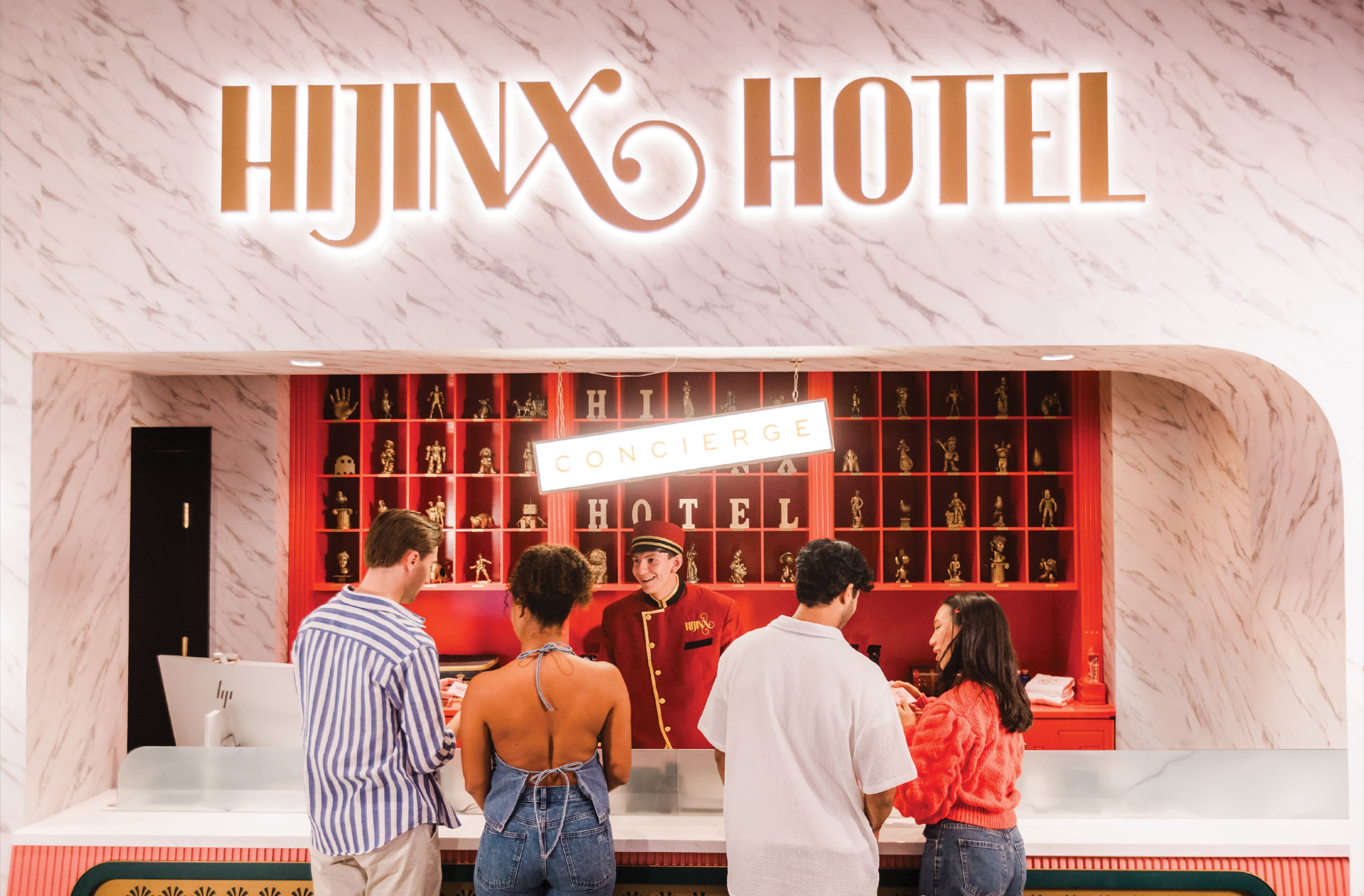
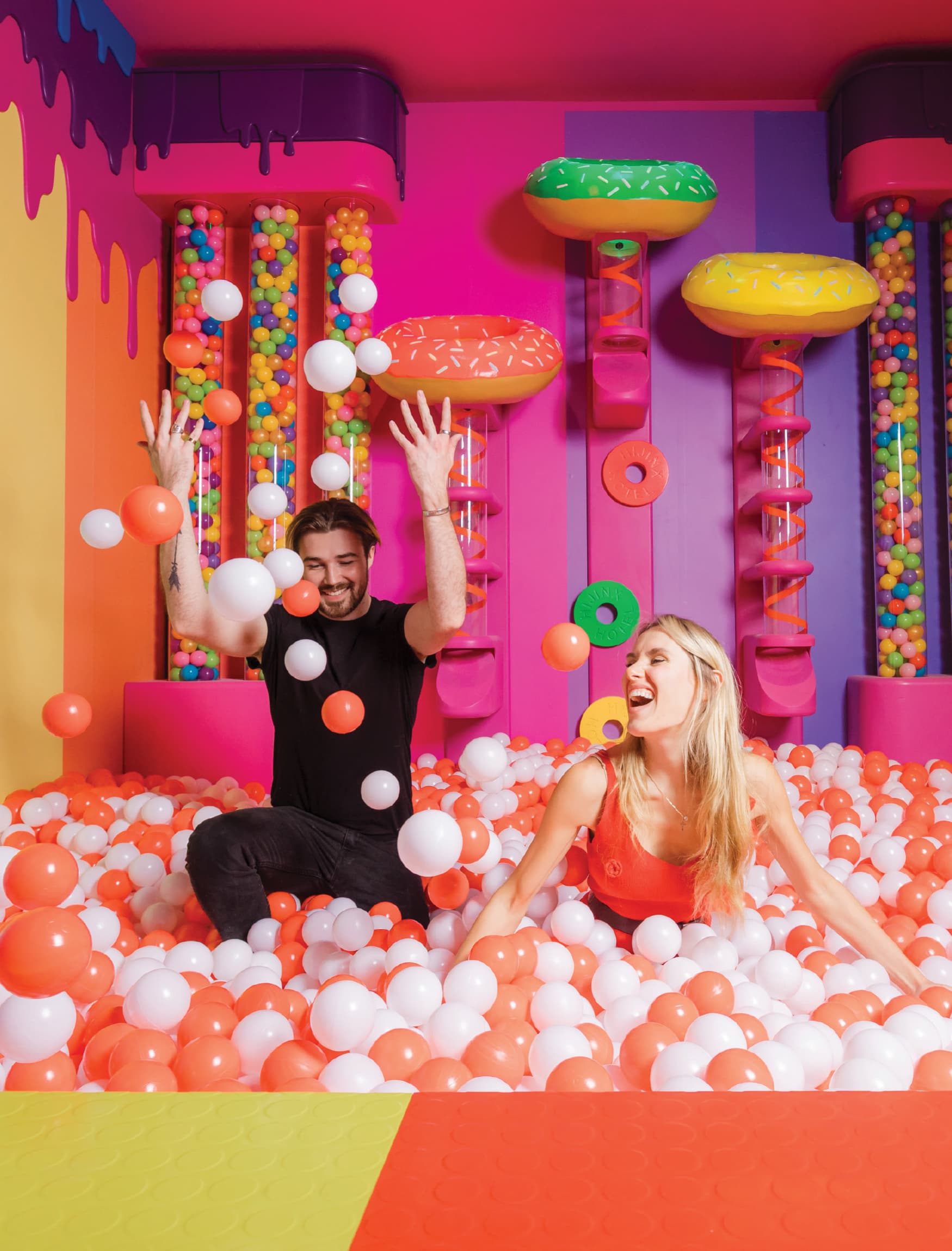
Holey Moley Golf Club, Irvine, California (top), Hijinx Hotel, Irvine, Claifornia (bottom). Images Courtesy of Funlab.
Meow Wolf - Santa Fe, New Mexico
Meow Wolf is an arts and entertainment company that transforms existing spaces into large-scale, multi-sensory environments where narrative storytelling and interactive art intersect. Their flagship installation, the House of Eternal Return, opened in March 2016 inside a 33,000-square-foot former bowling alley in Santa Fe, New Mexico, built by more than 100 artists over the course of two years. The installation spans 70 distinct interconnected spaces centered around a full-size reproduction of a two-story Victorian house, through which visitors are invited to explore an open-ended narrative hidden throughout the environment. The experience draws audiences of all ages and has become one of Santa Fe’s most visited attractions, demonstrating how adaptive reuse paired with a strong experiential concept can generate destination-level draw well beyond a property’s original geographic market.
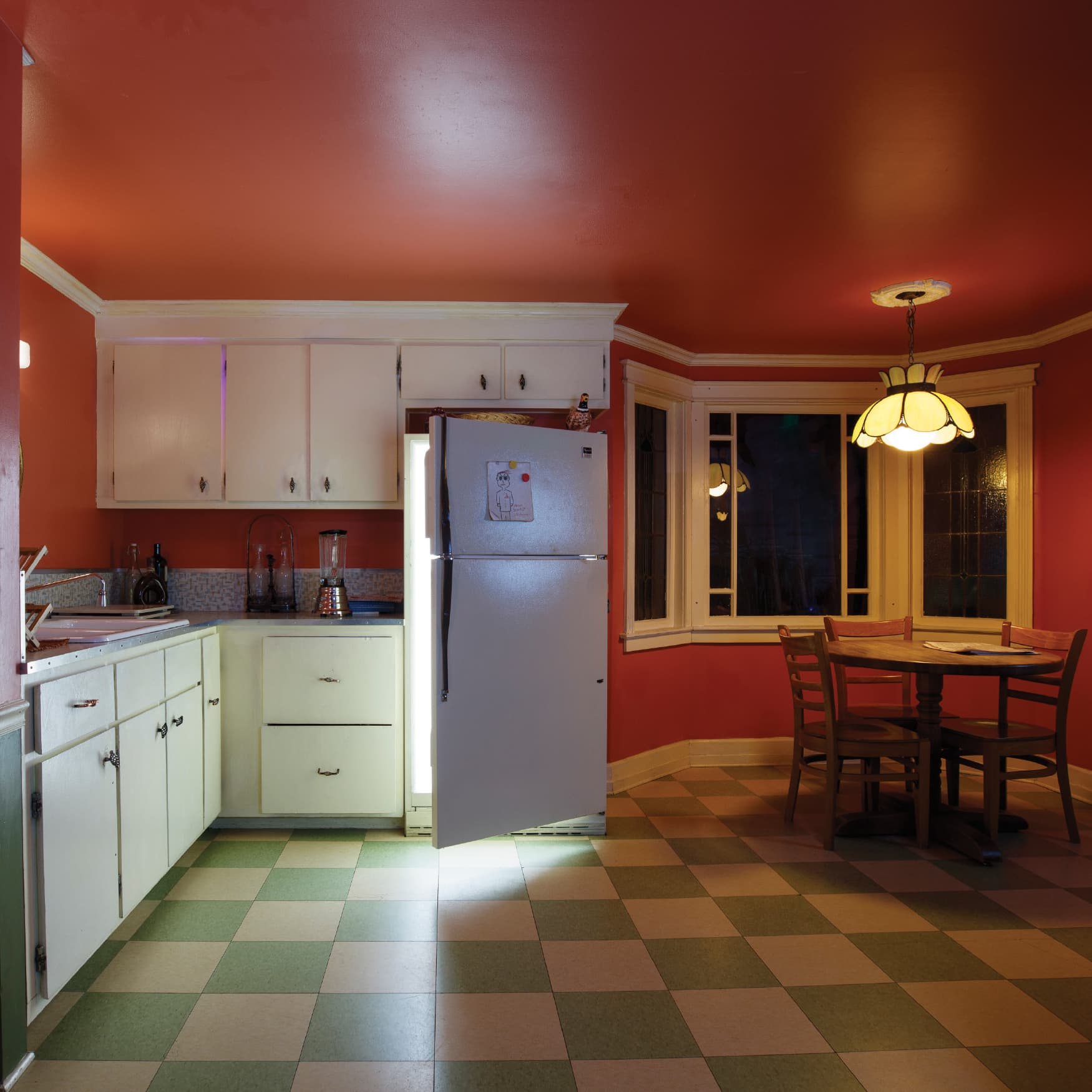
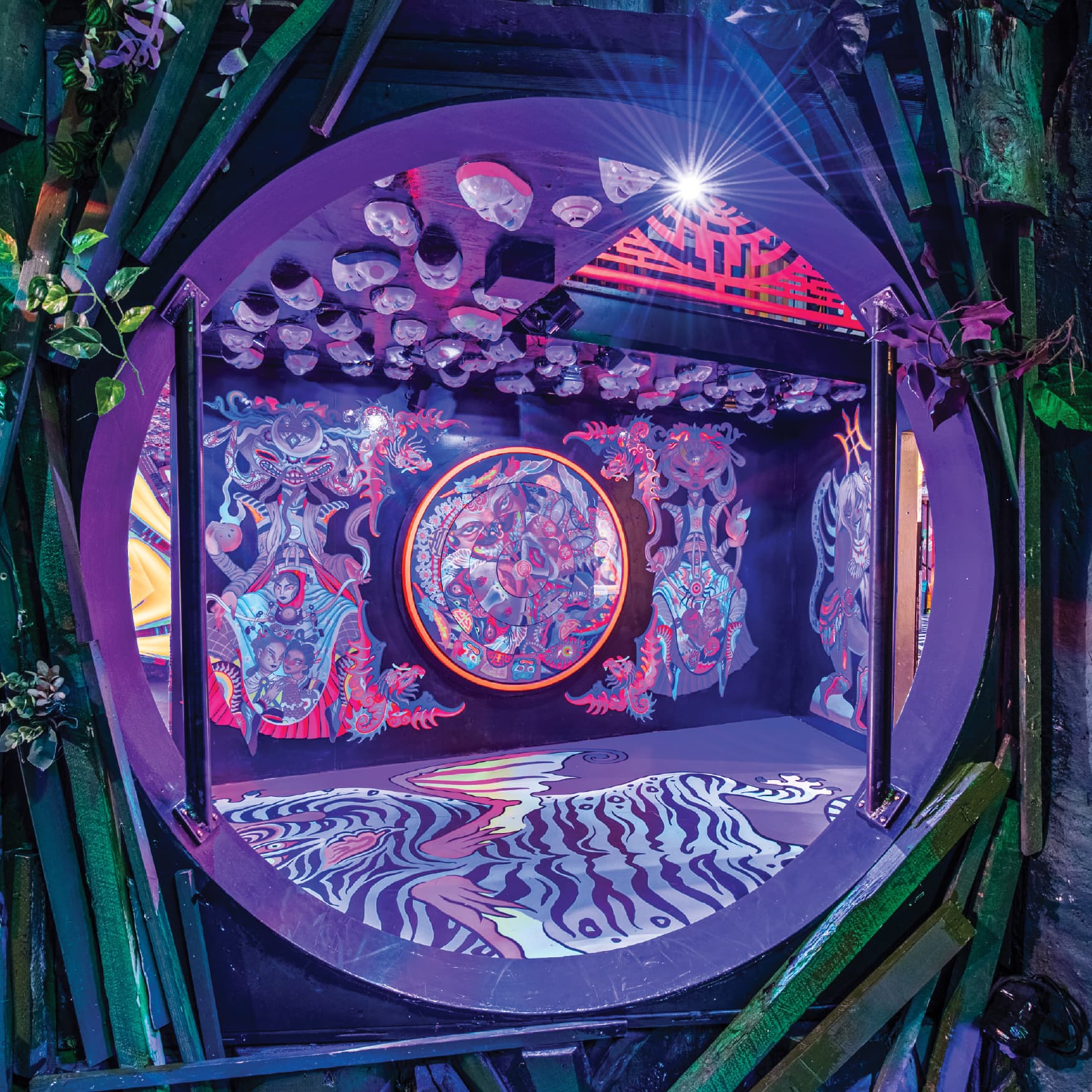
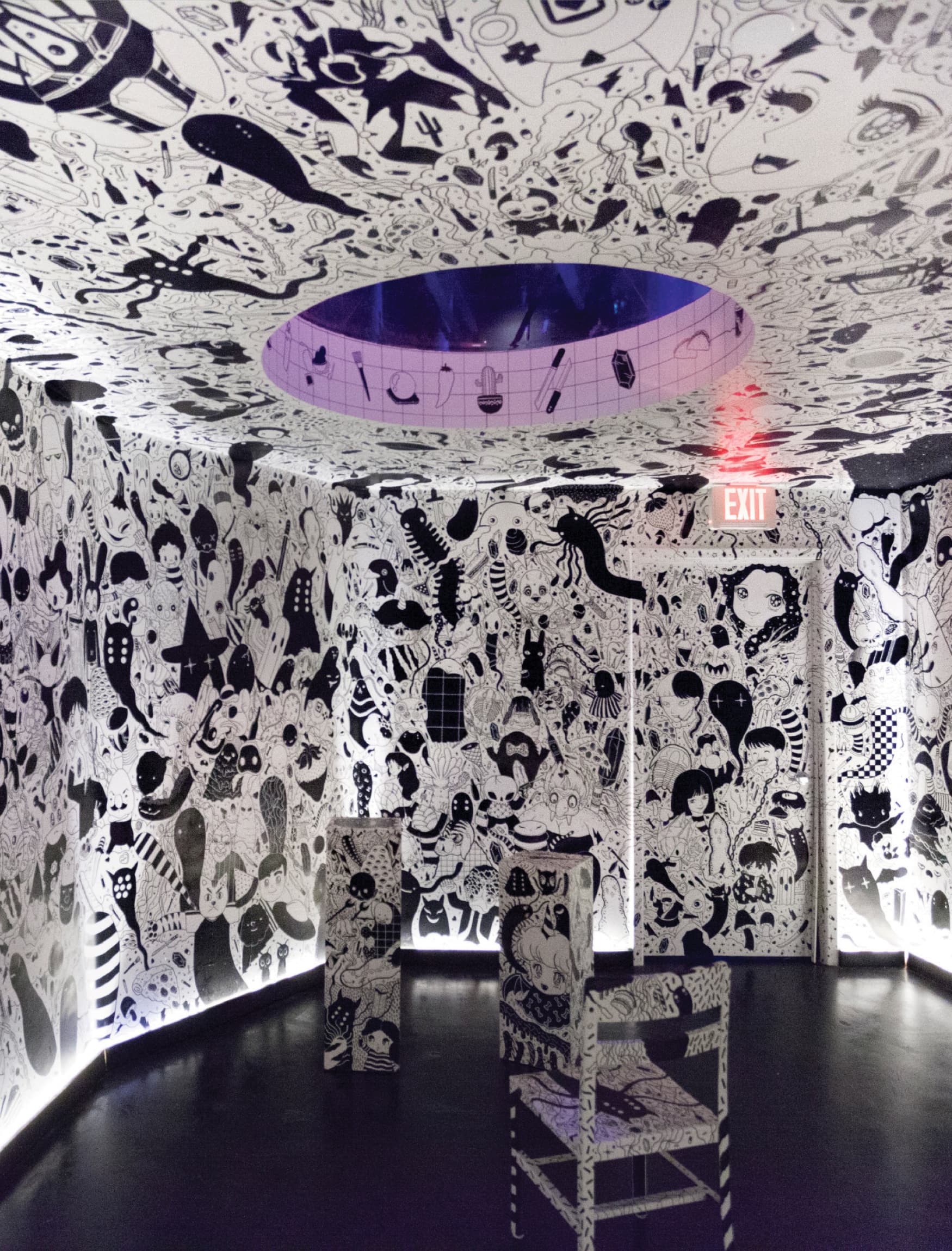
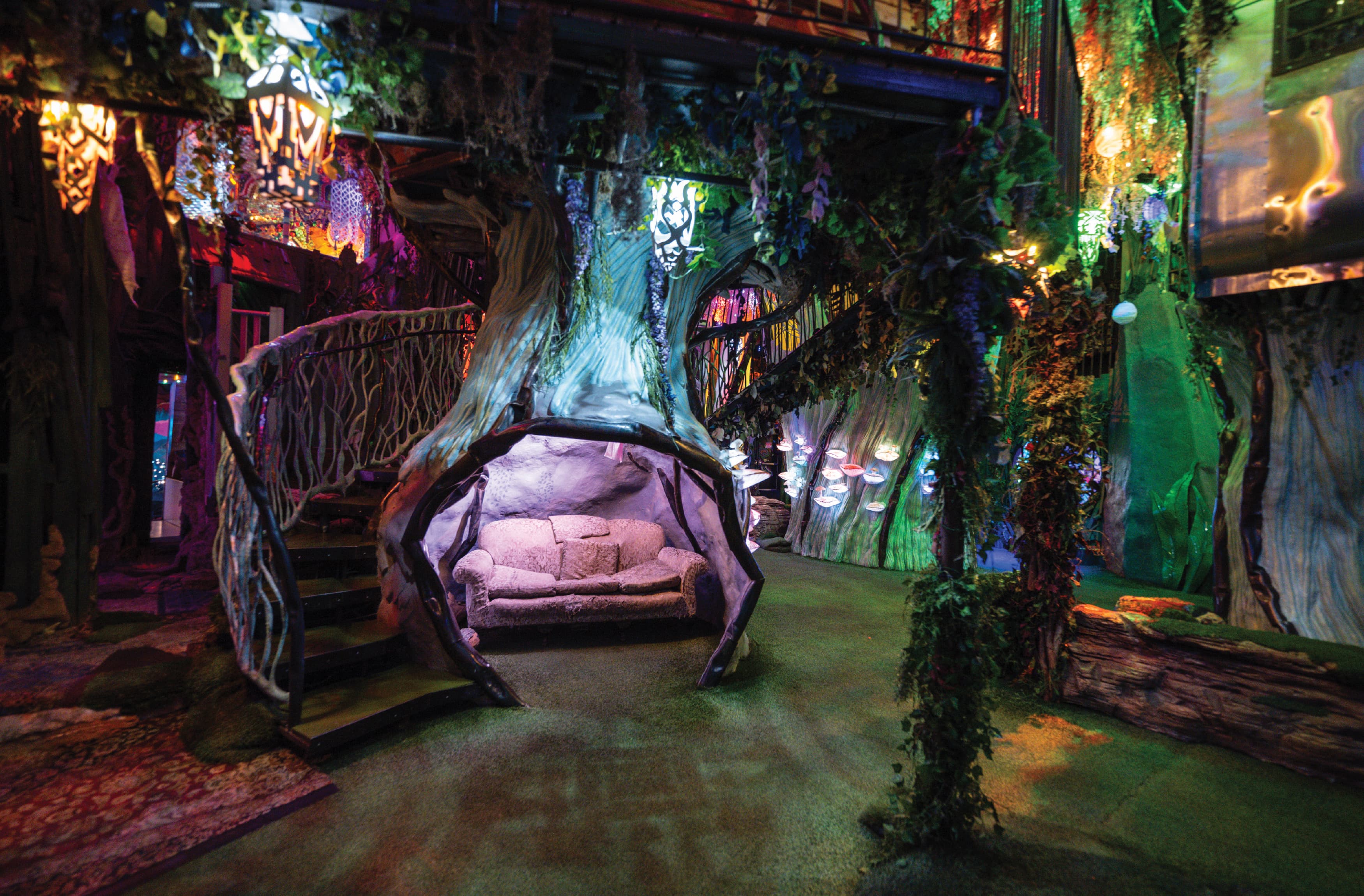
Meow Wolf, Santa Fe, New Mexico. Images Courtesy of Meow Wolf.
Paradox Museum - Miami, Florida
Located in Wynwood, Miami’s creative and arts district, the Paradox Museum brings together more than 70 illusion-based exhibits that place visitors inside the experience rather than in front of it. Built on the principles of optical illusions, physics, and psychology, the space invites visitors to step inside each installation and become an active part of the visual trickery, creating an environment that is as shareable as it is spatially engaging. The museum’s position within Wynwood’s broader cultural ecosystem reinforces how experiential concepts can perform successfully when they are embedded within a larger identity.
Building Experiential Strategies
The ICSC Las Vegas gathering brings together developers, retailers, brokers, and investors because retail destinations perform best when all disciplines are working toward the same goals. Destinations with clear identities, legible wayfinding strategies, and compelling experiential layers are better positioned to attract tenants who want to be part of a larger narrative and visitors who feel oriented and engaged. Together, these conditions support sustained occupancy and growth over time.
RSM Design brings nearly three decades of experience working at the intersection of retail placemaking, wayfinding, and environmental graphic design. The studio partners with developers, architects, and ownership groups to design retail destinations where identity, navigation, and atmosphere work in tandem to support the visitor experience end to end.
For the developers and investors at ICSC Las Vegas working to reposition, revitalize, and differentiate their properties, the experiential design decisions being made today will shape the landscape of commercial real estate for years to come. RSM Design is engaged in that work across each stage of the process.