Next article
Curious by Design
How Thoughtful Questioning Shapes Meaningful Retail Destinations
Posted November 11, 2026 · Education
An Interview Featuring Paige Terrell, IIDA, Cody Clark, & Kyle Richter
For nearly thirty years, RSM Design has supported retail destinations in establishing their unique identity, cultivating environments where communities come together to connect and shop. Looking ahead to the upcoming ICSC+CenterBuild conference, three RSM Design principals gathered to discuss evolving industry trends and core design philosophies. The conversation brings together Los Angeles Studio Director Cody Clark, San Clemente Studio Director Kyle Richter, and Dallas Studio Director Paige Terrell, IIDA, drawing on decades of collective expertise in retail space design.
Having designed retail environments for 29 years, how has RSM Design evolved its strategy, and what shifts have you noted in what people expect from these spaces today?
Kyle Richter: Retail environments have transformed significantly throughout the years. At its core, our work involves constantly asking thoughtful questions and aligning with a project’s core goals and vision. That alignment allows us to deliver an authentic, tailored experience for each project we are involved in. The retail landscape of nearly three decades ago bears little resemblance to today’s. Open spaces have expanded to host community gatherings and encourage visitors to linger. Tenant mixes have leaned toward entertainment, redefining a property’s brand and giving people a new reason to visit. Parking fields are being densified into mixed-use destinations, with residences rising directly alongside retail so people can live steps from where they shop. RSM Design adapts to each shift, guided by the ambitions of the client and the project unique site.
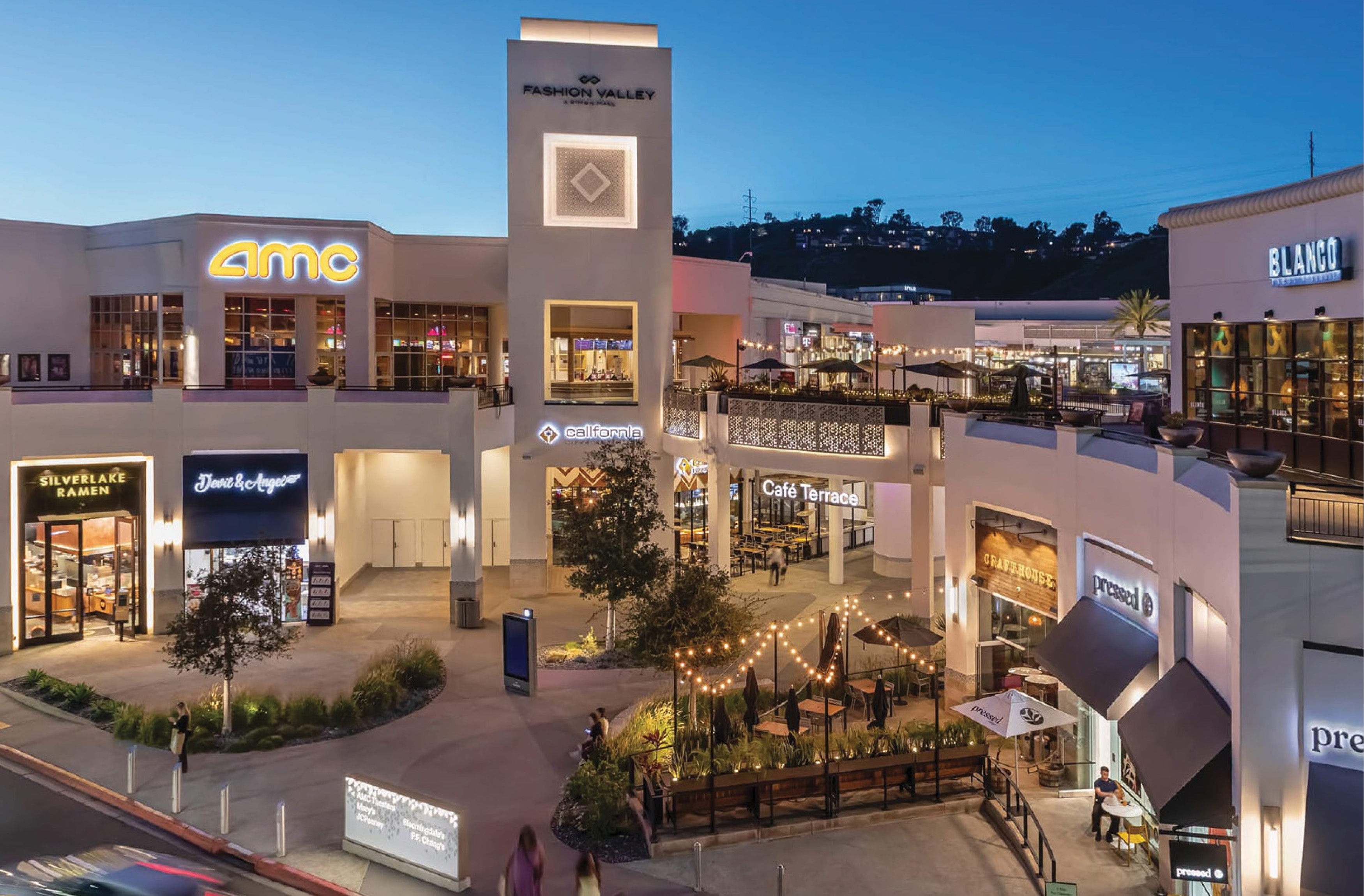
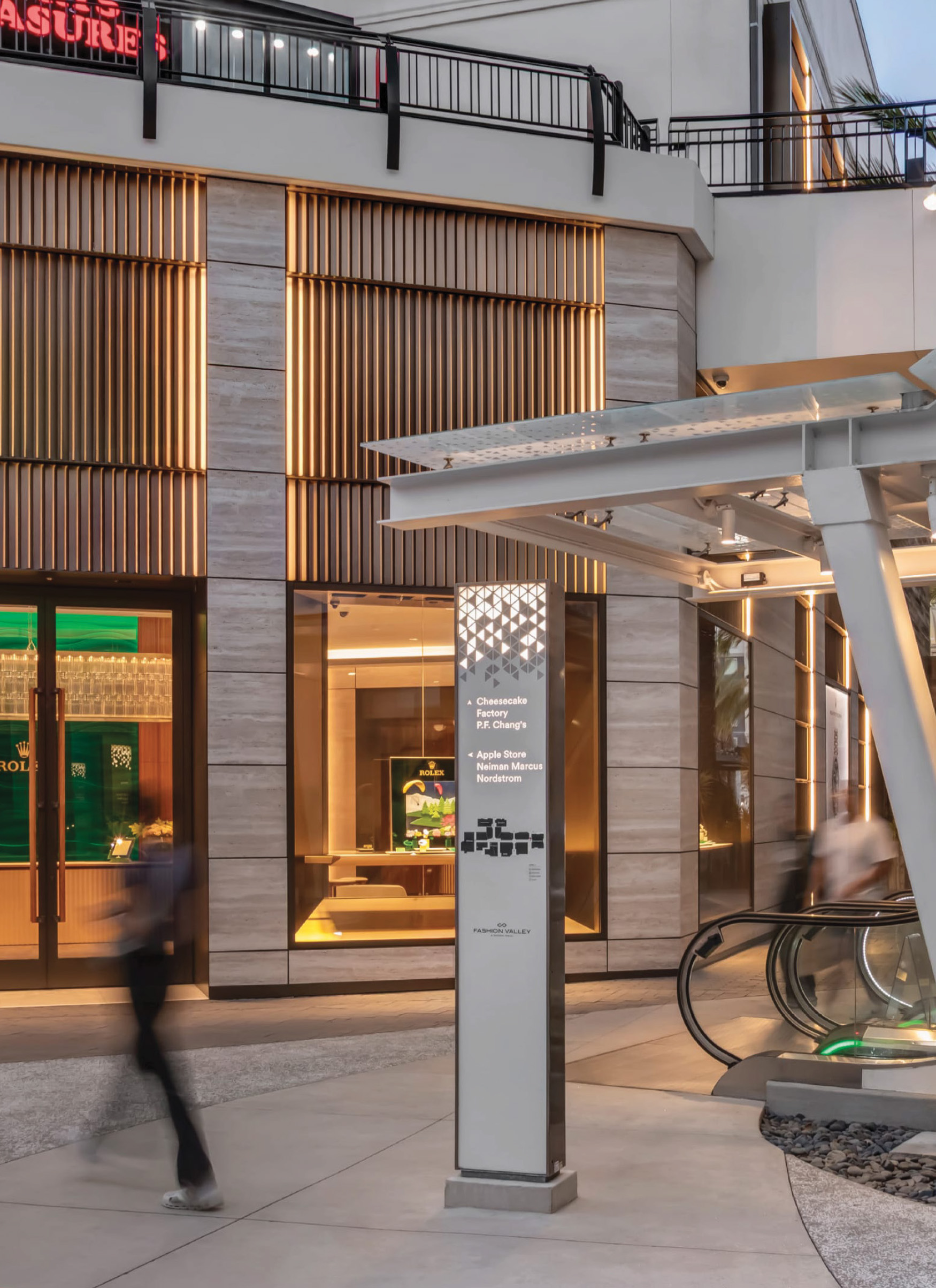
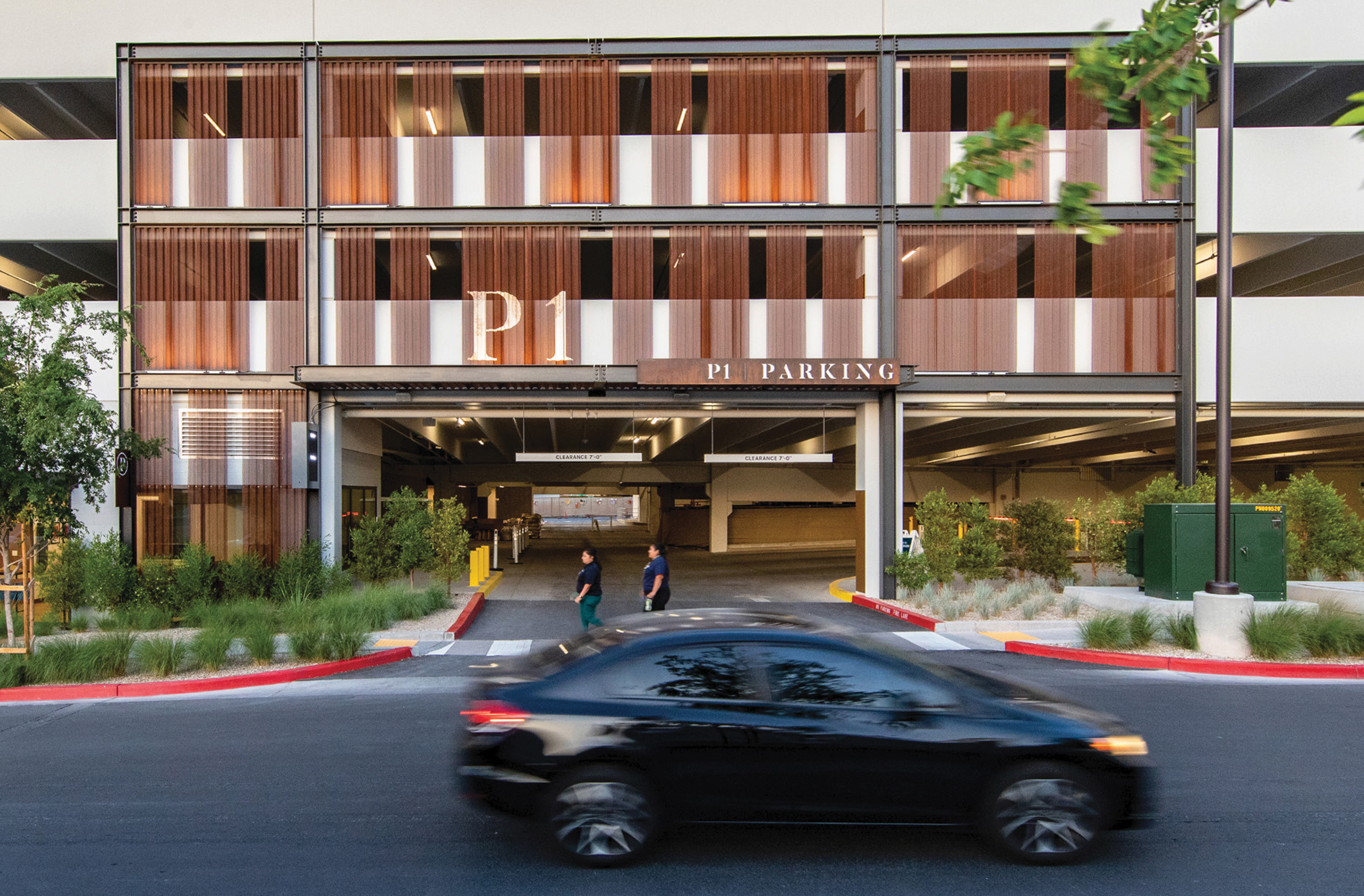
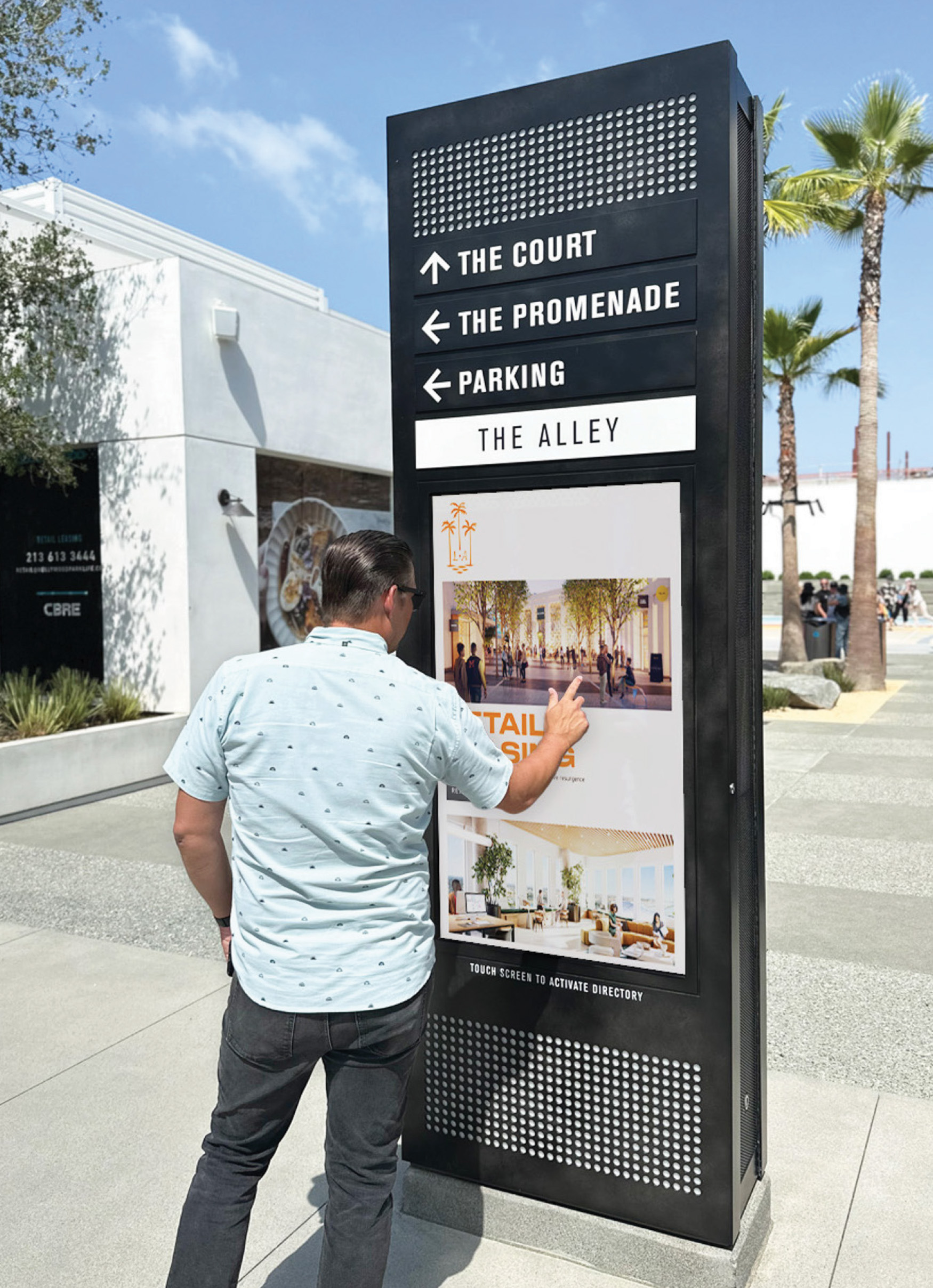
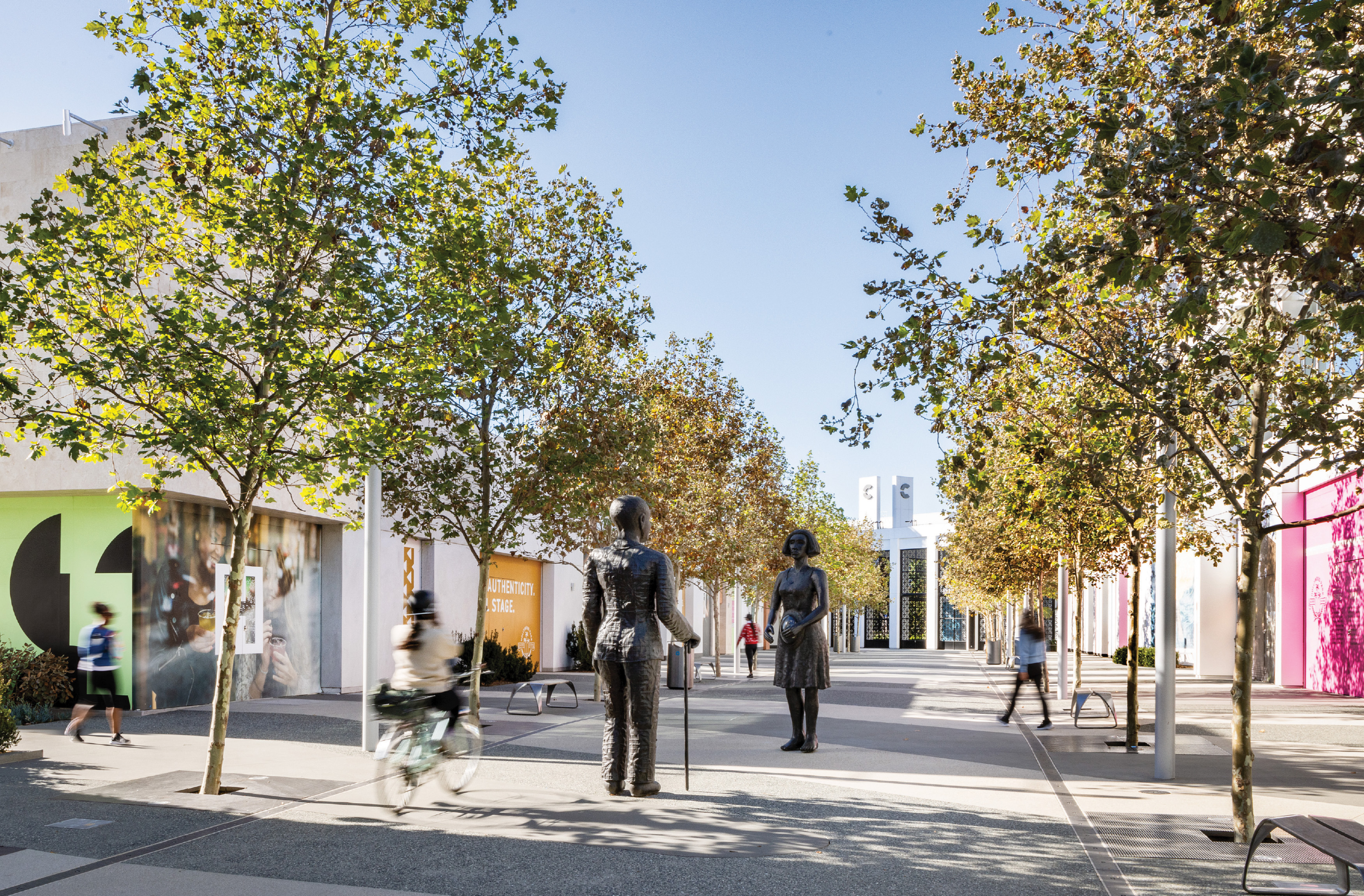
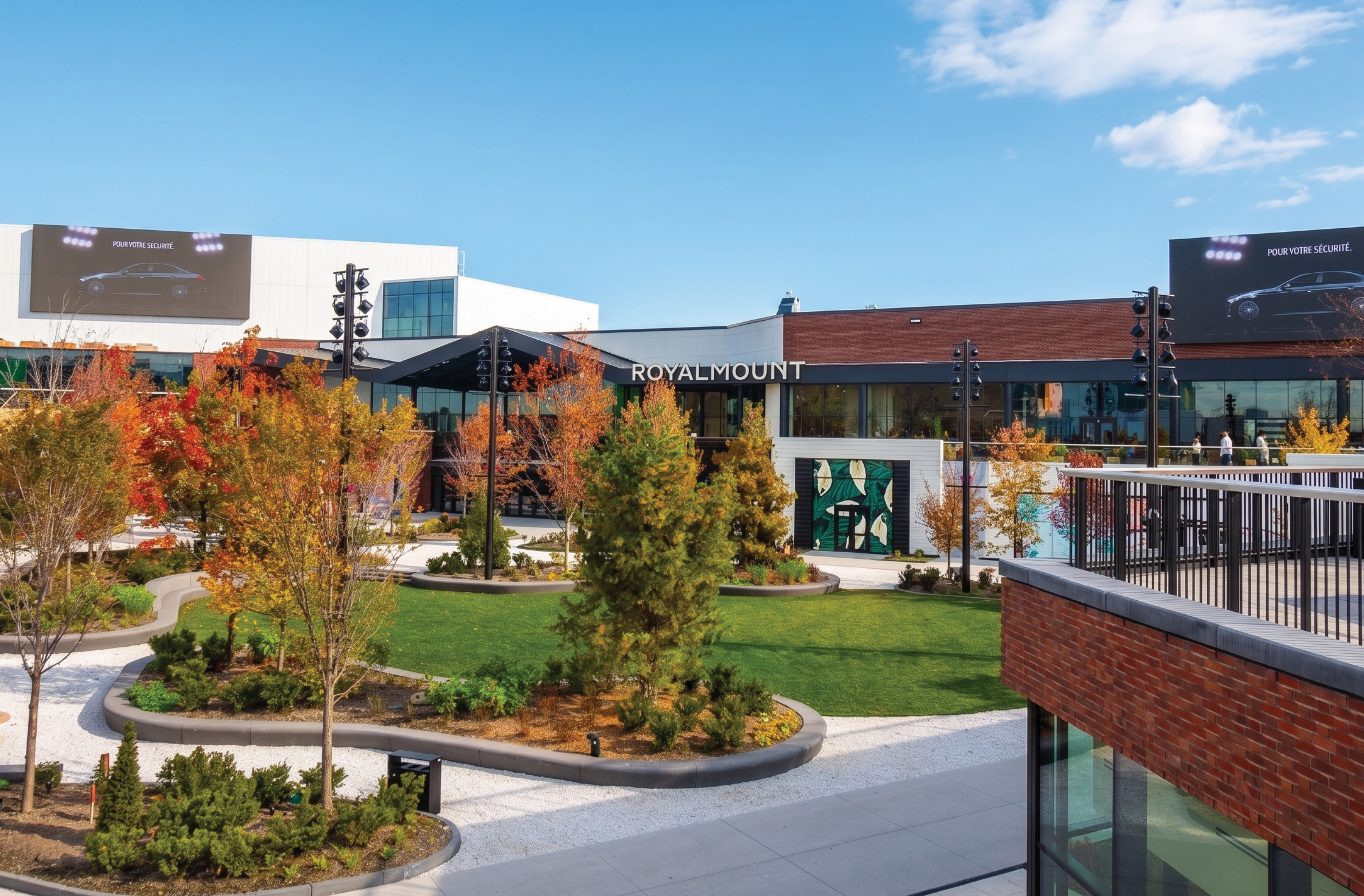
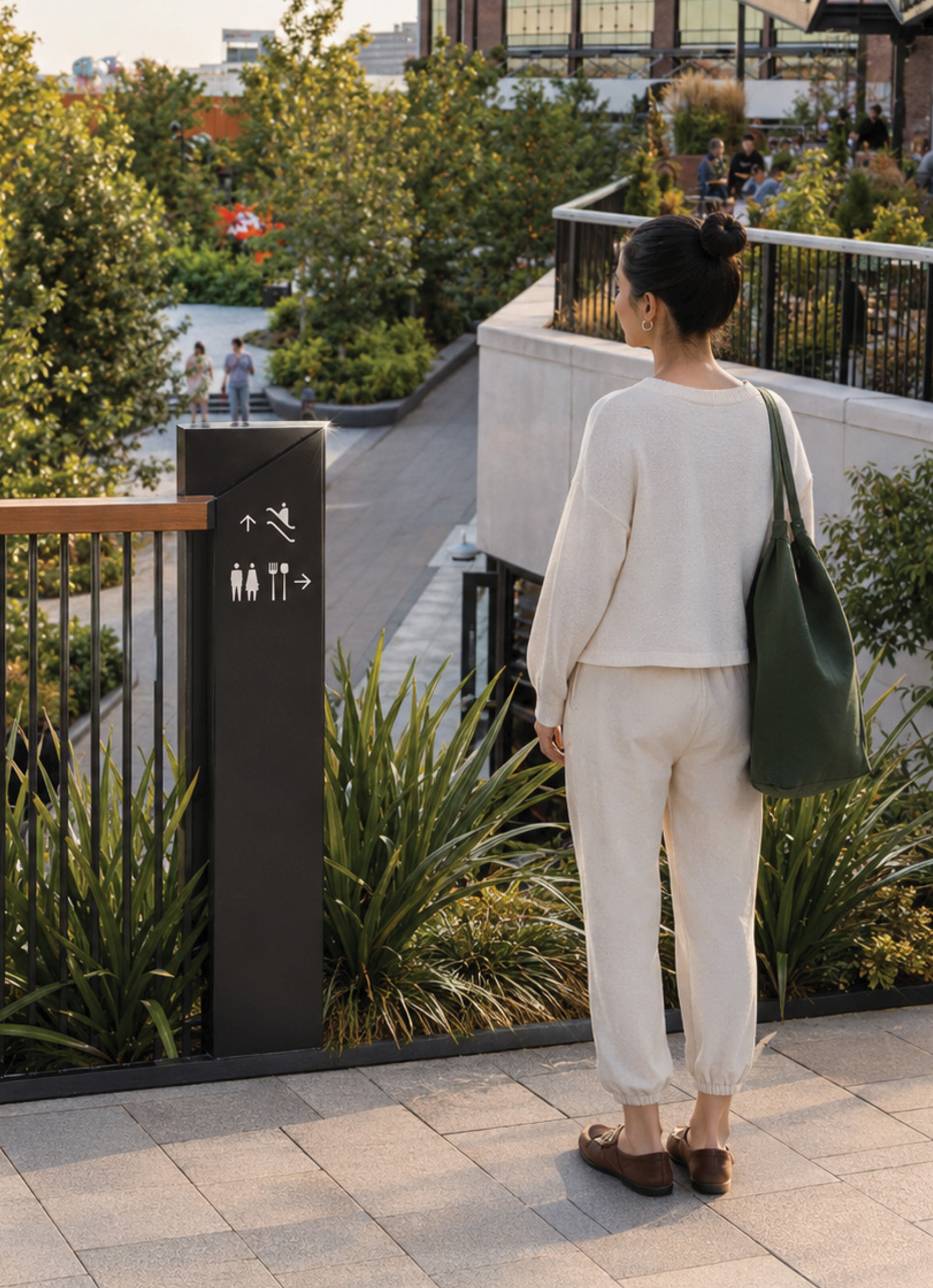
Fashion Valley Mall, San Diego, CA (row 1), UnCommons, Las Vegas, NV (row 2), Hollywood Park, Los Angeles, CA (row 3), Royalmount, Montreal, CAN (row 4)
Malls gained widespread popularity for decades before experiencing a noticeable dip in attendance over the past ten years or so. However, there seems to be a resurgence happening, especially centered on outdoor settings and experiential concepts. What are you observing?
Cody Clark: Over my 35 years of designing for retail environments, I’ve watched the industry undergo substantial shifts, yet the central goal remains unchanged: curating memorable experiences. Though our strategies (ranging from placemaking and branding to artwork, signage, graphics, and tenant design) continue to evolve and adapt, the core objective of engaging visitors endures.
The evolution from themed environments to genuine storytelling stands out as the most prominent shift. Retail design once relied heavily on artificial or thematic concepts, incorporating exaggerated architectural motifs or regional symbols. Today, the emphasis has pivoted toward authenticity. Visitors are seeking genuine connections to a location’s unique story. While visual representations have transformed dramatically, our overarching mission to connect people to a place remains constant.
Paige Terrell, IIDA: With online shopping now so prevalent, do you believe developers are increasingly focused on designing spaces that encourage visitors to linger? What attracts guests and prolongs their stays?
Kyle Richter: Absolutely, Paige. Today’s retail developers prioritize shaping environments that facilitate meaningful social interaction among guests.
What are the primary inquiries from retail clients today, and how is RSM Design guiding this dialogue?
KR: Retail repositioning is on the rise. After years of vacancy and decline for traditional malls, developers are finding new ways to bring these properties back to life. Depending on the community, that might mean a central gathering place, or experiential retail woven into the tenant mix to draw visitors in. The next challenge is keeping them there, whether over dinner or a community movie night in a shared public space. The approach has shifted, but the aim has not: creating a meaningful connection between people and the built environment.
CC: After nearly 30 years of designing spaces that tell a story, RSM Design often hears the same thing from new clients: the inspirational images they gathered on Pinterest and elsewhere trace back to its portfolio. Their next question, how those places came to life, shows the work resonates, and it opens a reflective process that begins with simple questions. What are your goals? What vision are you working toward?
No two projects look alike. Ovation Hollywood stands apart from Runway at Playa Vista, yet both rest on spatial storytelling, the pull of places that connect the mind and the heart. RSM Design’s Principle Centered Design process uncovers a project’s own narrative and shapes it into a meaningful experience. Clients say these places bring joy and well-being and invite people to engage, return, and bring the people they love. Creating those moments is the purpose behind the work we do at RSM Design.
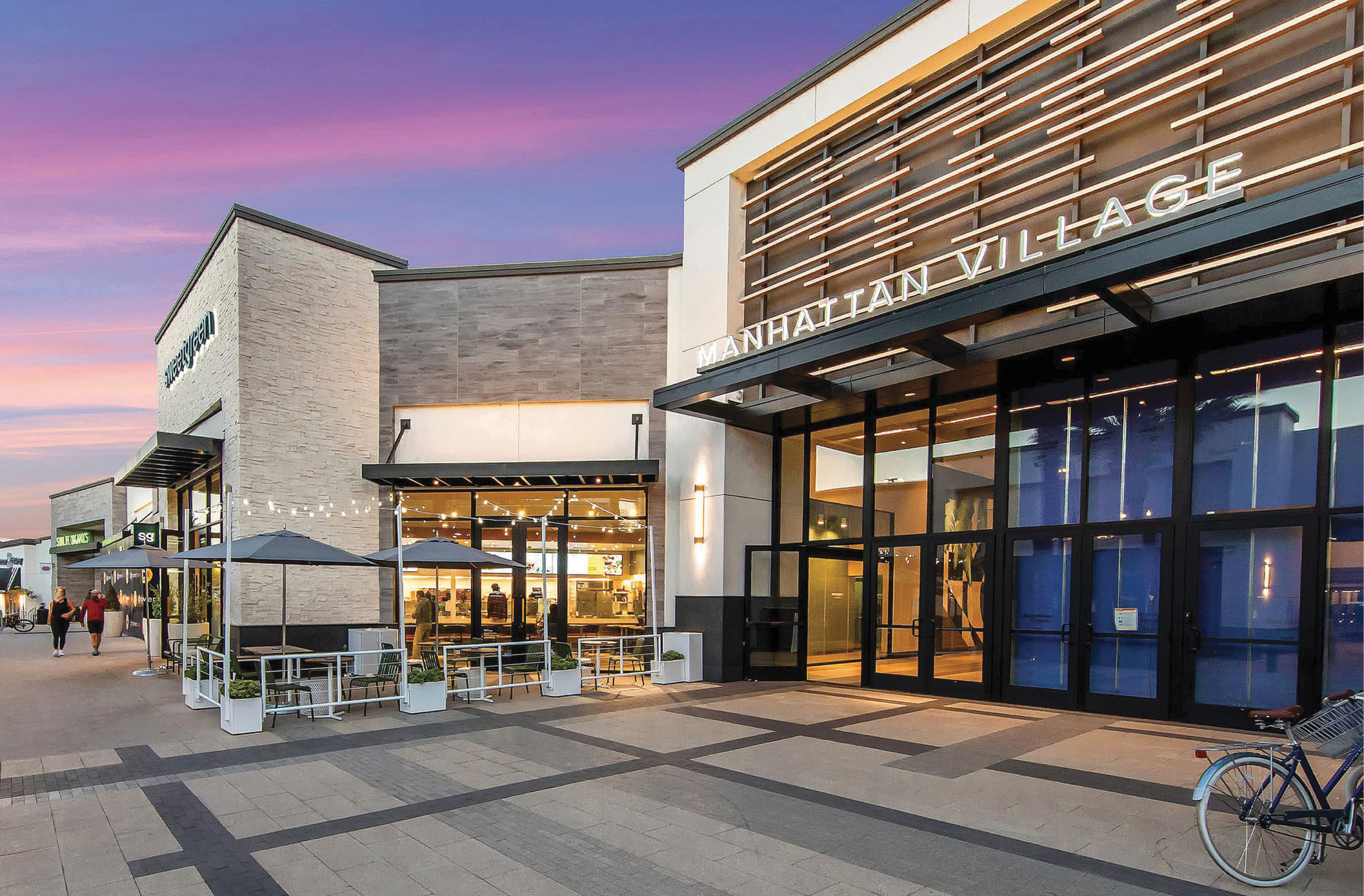
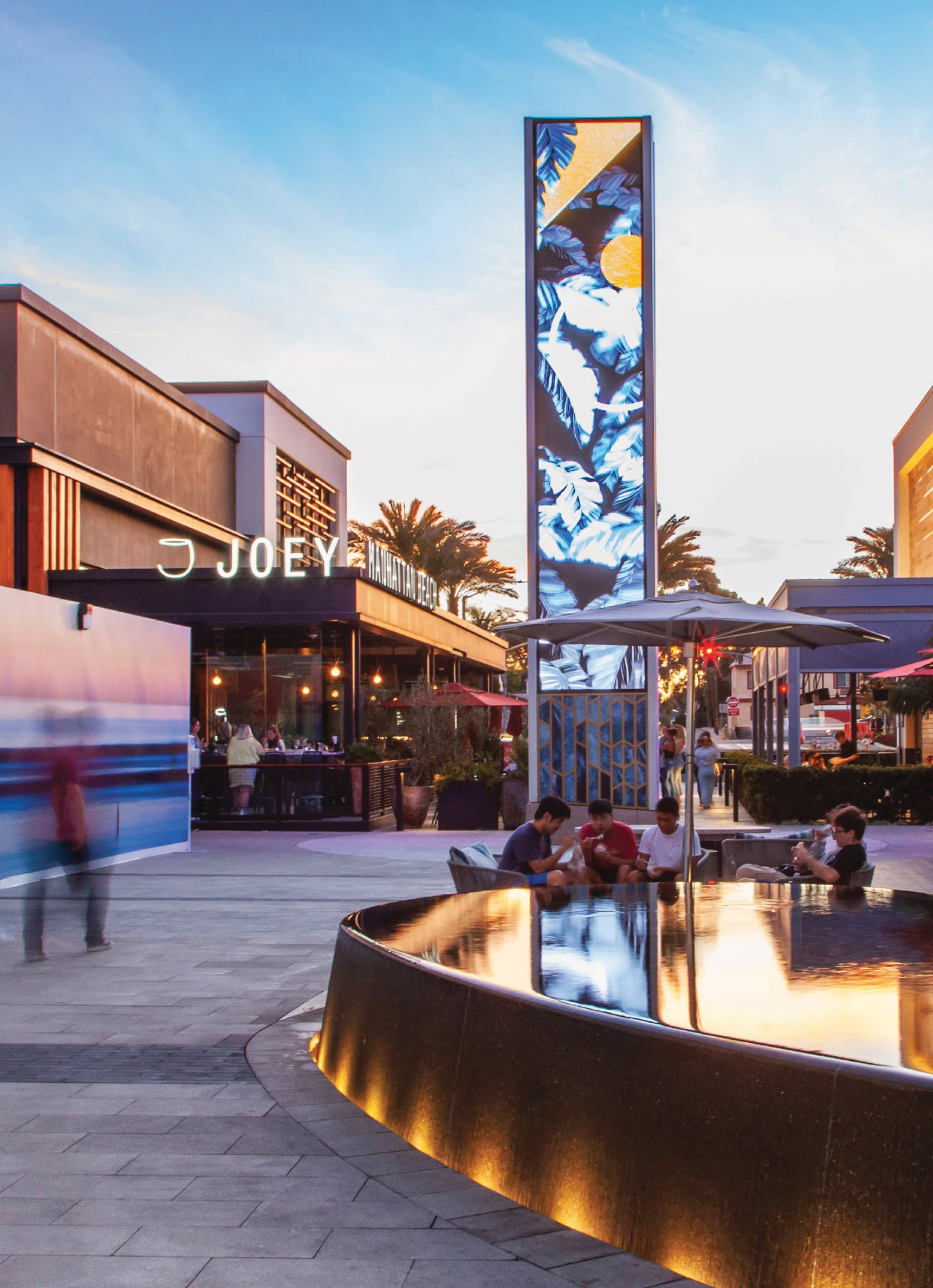
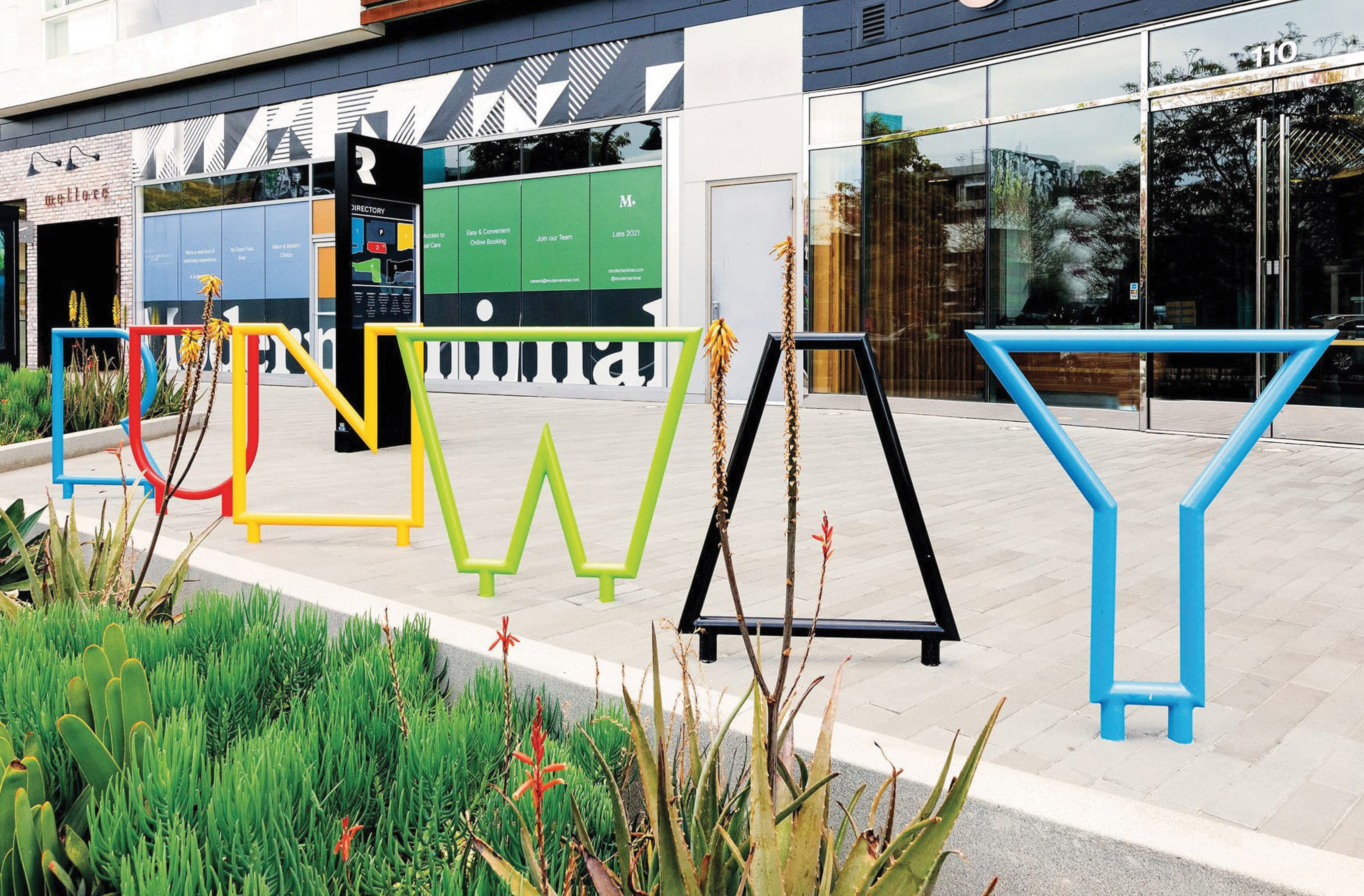
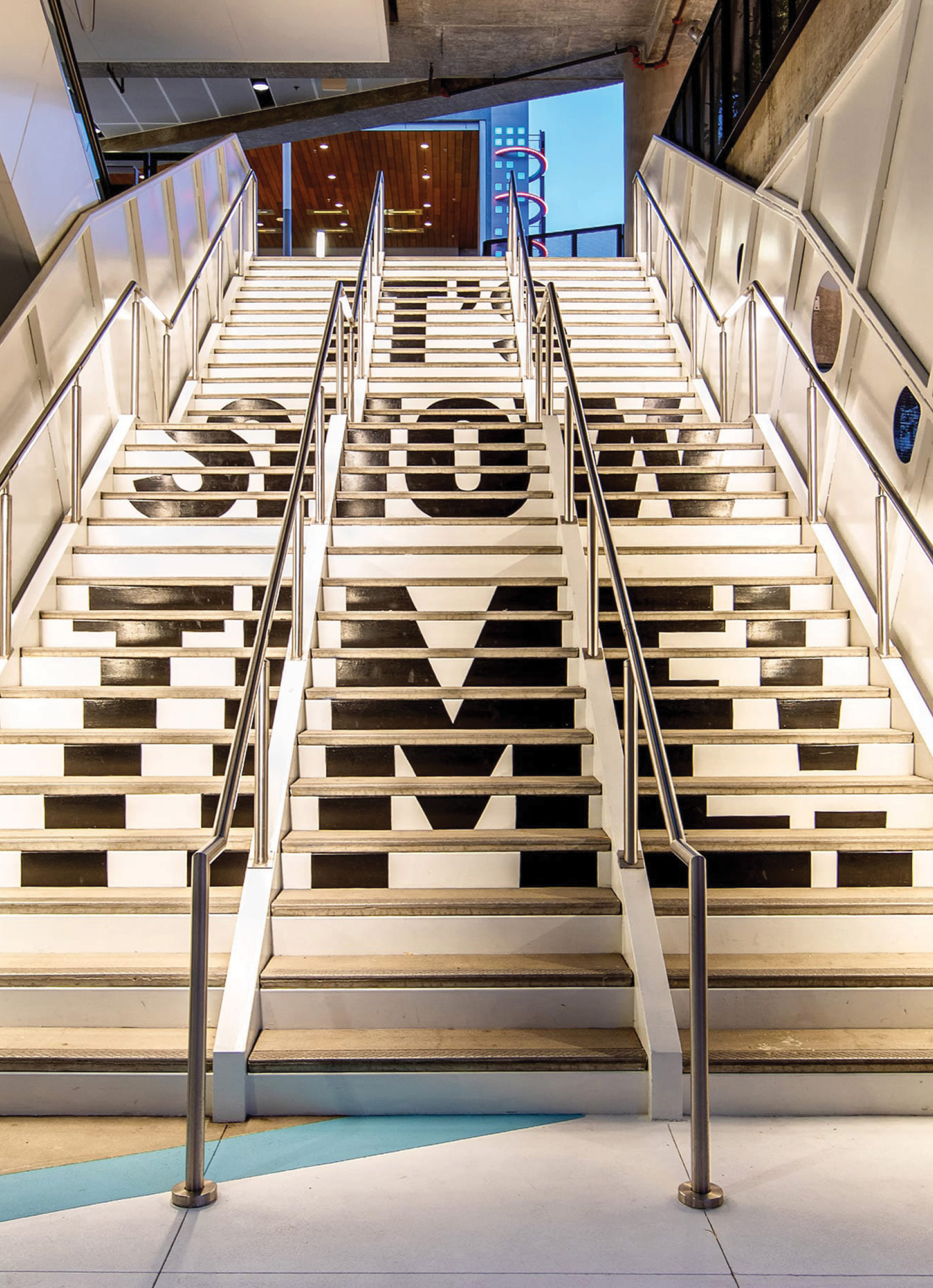
Manhattan Village, Manhattan Beach, CA (row 1), Ovation Hollywood, Los Angeles, CA (row 2), Runway , Playa Vista, CA (row 3)
Retail repositioning often begins with branding and identity. Why is narrative the initial priority, and how is a fresh vision translated into the built environment?
KR: The narrative serves as the foundation because it grounds the destination in authentic context and community. The branding phase involves synthesizing multiple inputs such as historical background, demographic data, and strategic positioning research to align with the client’s vision. This tailored narrative should be rooted in the site’s unique identity while establishing a meaningful link to the community.
The transitioning phases after the branding effort will translate that narrative into the tangible visitor journey. Bringing the brand into the built environment is all about conveying a cohesive sensory experience. Upon arrival, guests should encounter the story reflected across each touchpoint, ranging from architectural graphics and signage to wayfinding systems, transitional spaces, and key site destinations.
PT: Collaborating with architectural teams offers another vital avenue for integrating branding and identity. I’m currently working on a retail repositioning project where we developed the brand and then expanded it into signage and wayfinding. We then guided the architects through the brand package, emphasizing how identity extends far beyond a logo or a surface pattern, and that it relies on authenticity and brand-specific layers. Because a narrative informs design elements such as spatial layouts, surface textures, material selections, and signature features such as entry plazas, we strive to help architects connect with the brand story and take pride in executing it. Ultimately, we try to ensure the entire project team shares a unified vision.
Why does RSM Design consistently participate in ICSC+CenterBuild, and what key takeaway should attendees gain from the studio’s presence?
CC: Industry conferences are, above all, about relationships. They offer a chance to reconnect with friends and project partners of three decades or more, and to talk about far more than the next deliverable. Those long-term partnerships are what make lasting developments possible.
Conferences also offer a read on where the industry is heading. Conversations about leasing trends, economic shifts, and evolving anchor tenant experiences refresh RSM Design’s view of the market.
They are also a chance to share current work. As an independent studio, RSM Design partners across many retail scales, property types, and global markets, so clients and architects often ask for perspective on the economy and the future of retail. That reach into client sectors other consultants may not touch makes RSM Design a bridge across the field, and a source of engaging, collaborative dialogue.
KR: Additionally, the scaled-down nature of the event is a key advantage. Its intimate atmosphere creates a welcoming space that makes engaging in meaningful conversations far more approachable.
PT: Conferences like ICSC+Centerbuild allow the opportunity to connect multiple times during the duration of the event. You might sit at a roundtable with someone in the morning and connect again the next day in a session or just in passing. We are excited to host a roundtable this year, which speaks to another reason we attend: leading a conversation, aligning voices, and helping to facilitate. The theme this year is curiosity, so our roundtable topic will dive into the discovery process and learn how we can build trust through curiosity.
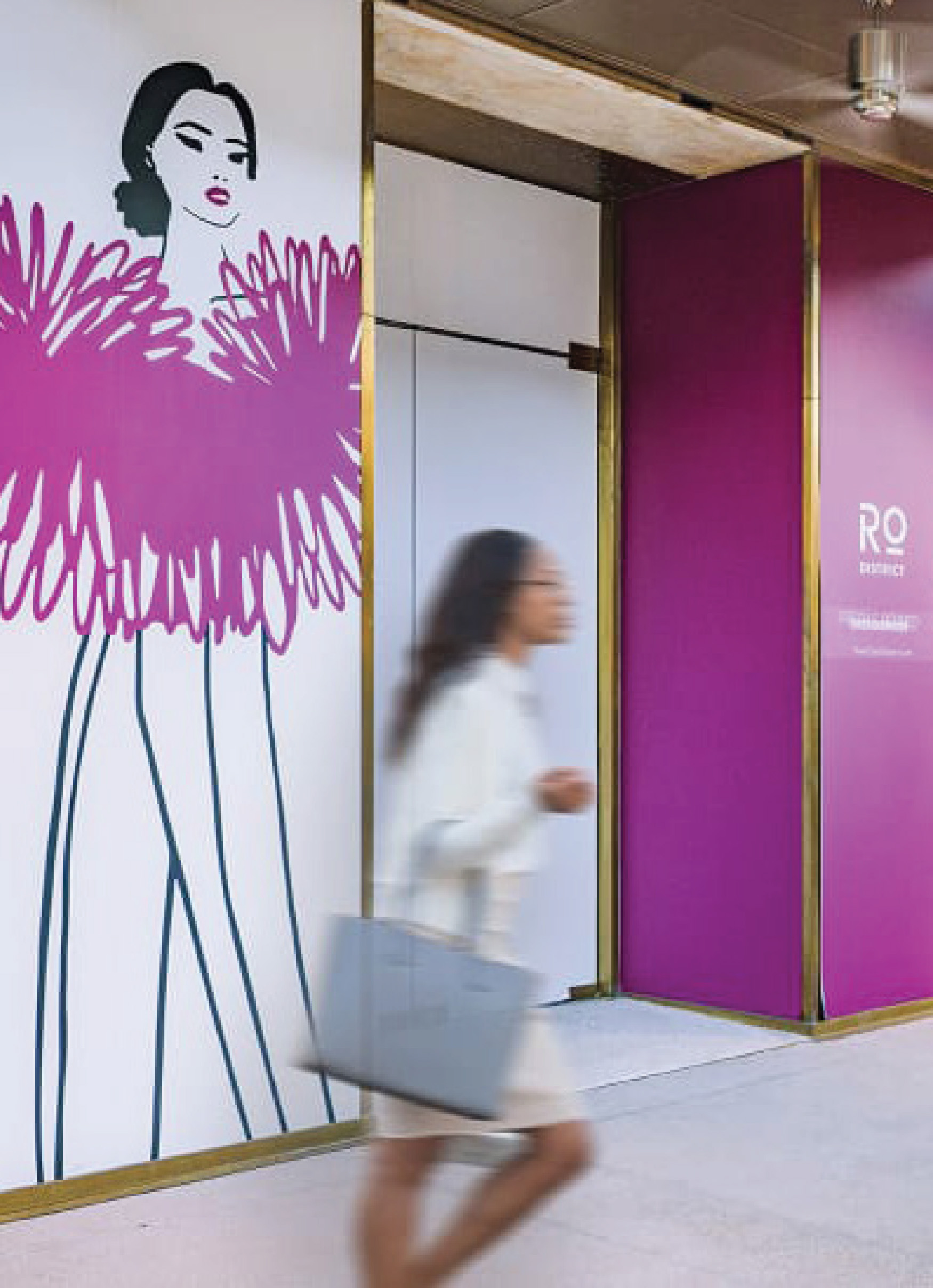
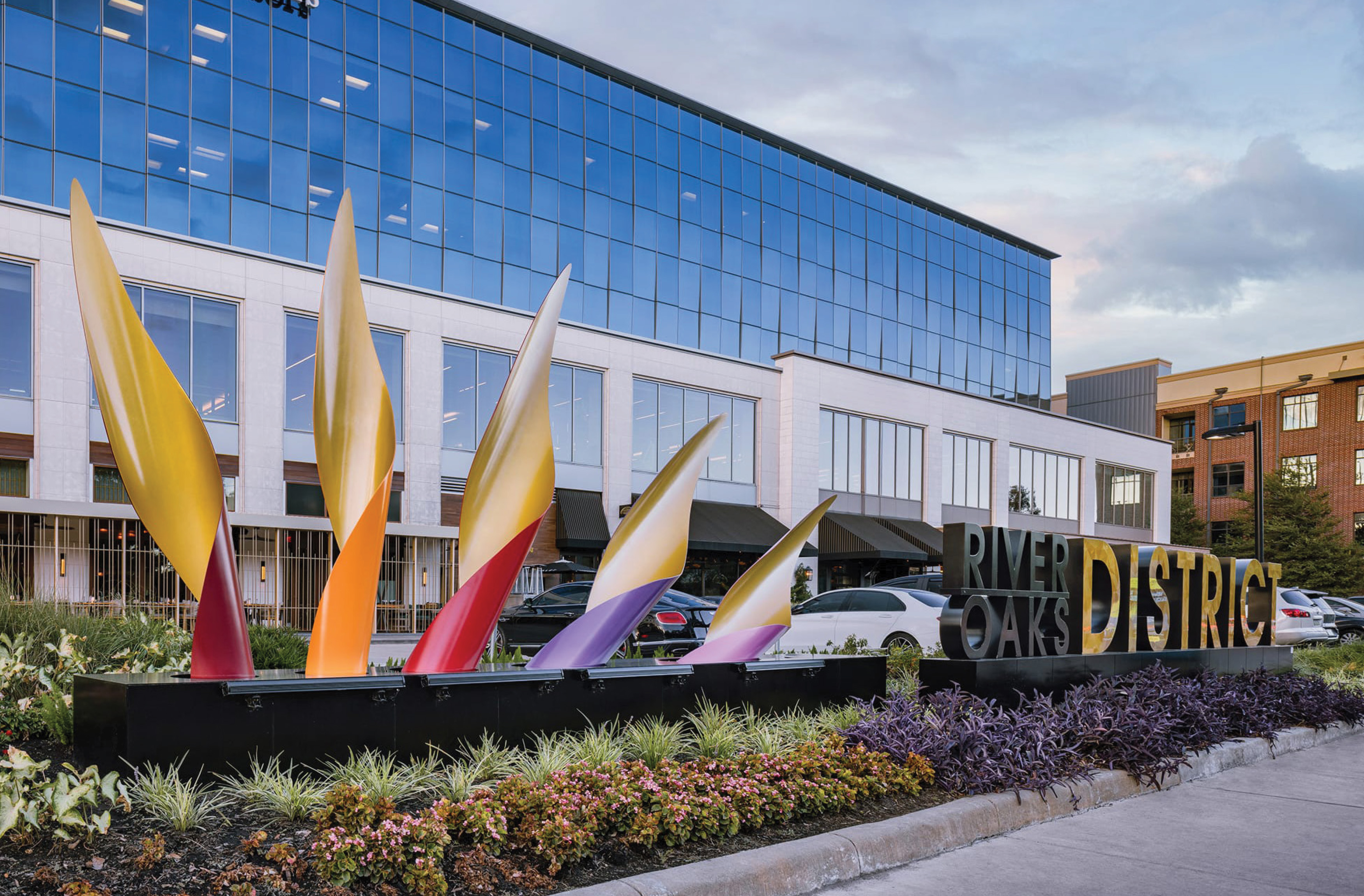
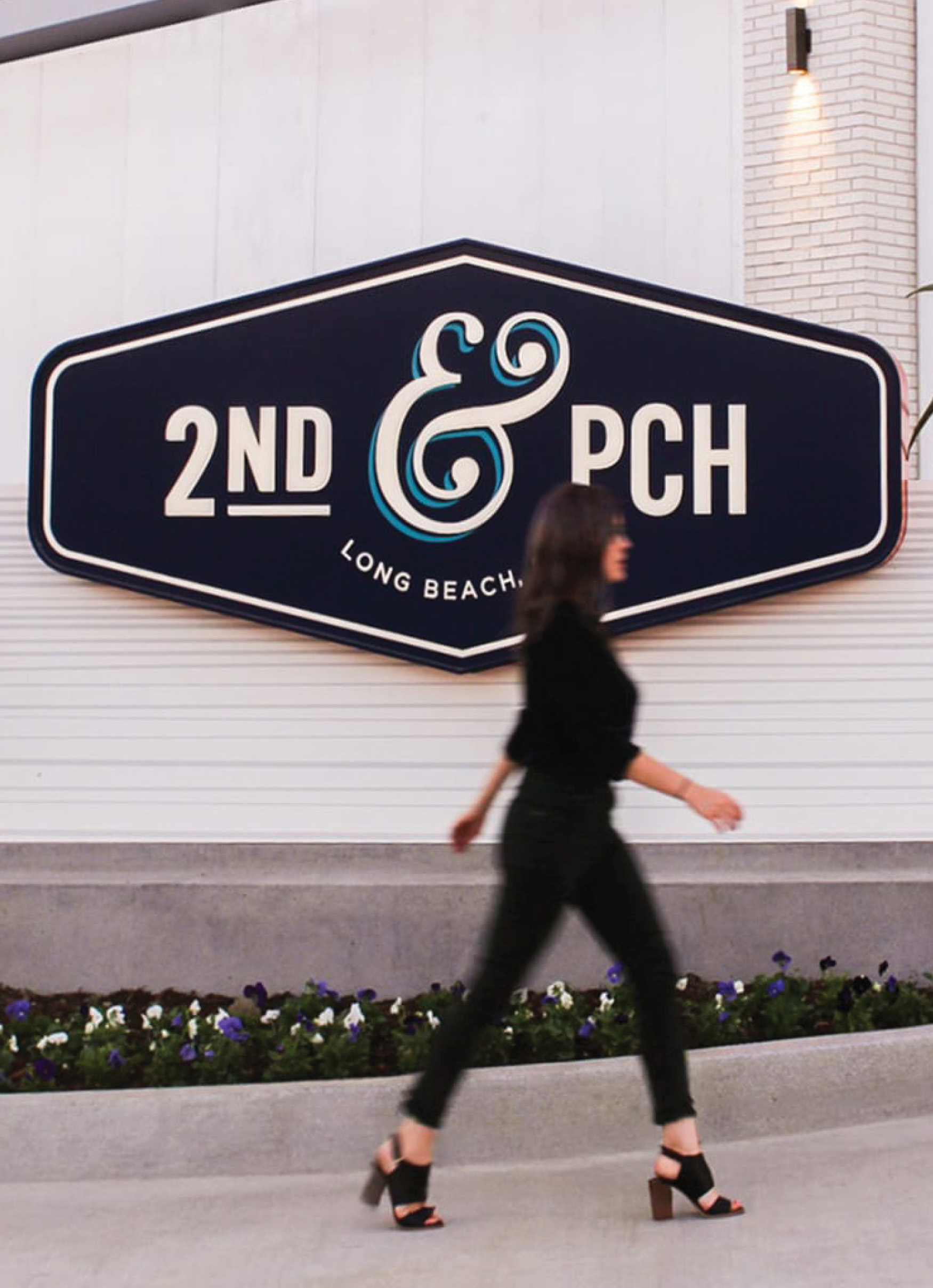
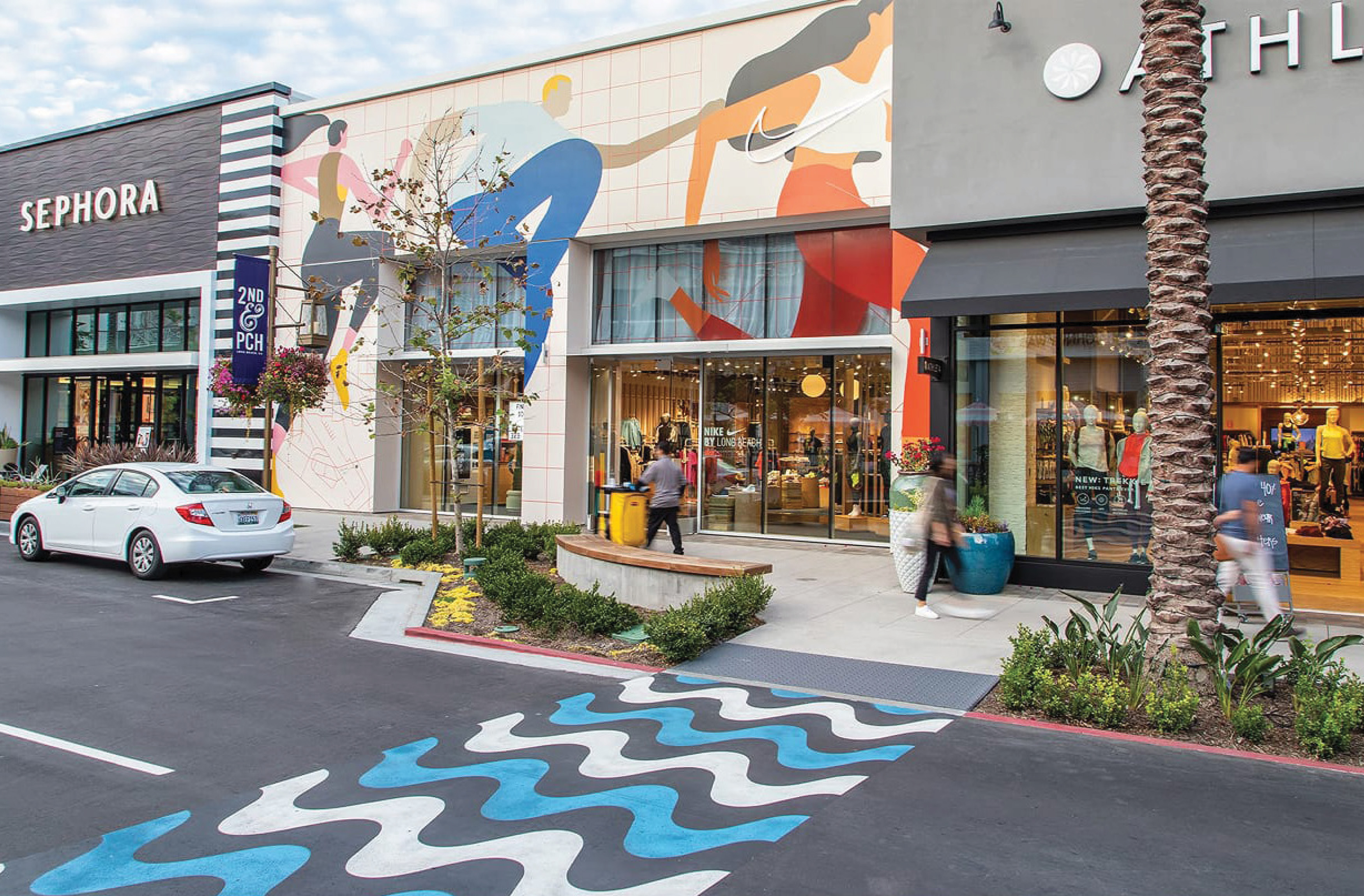
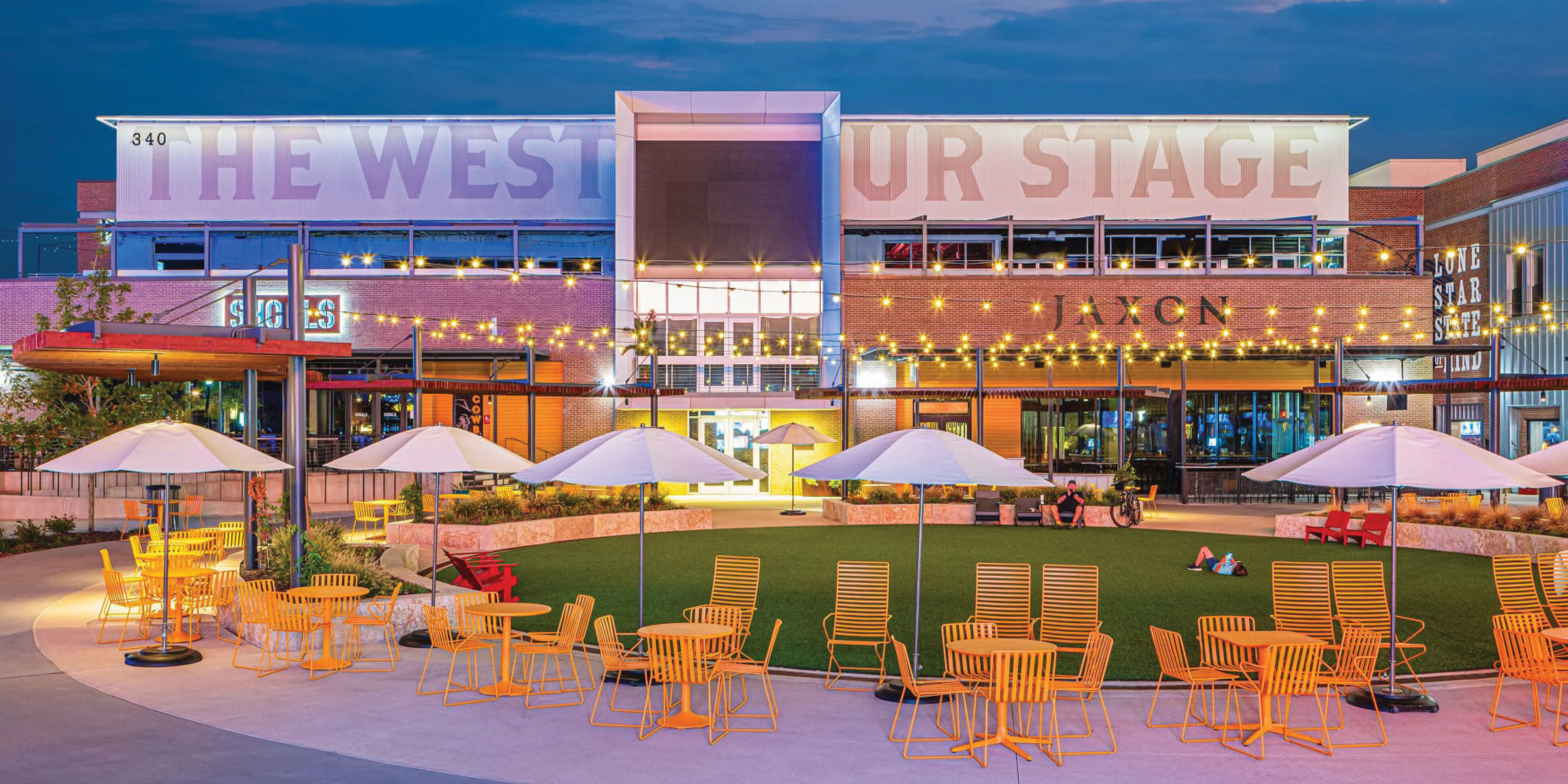
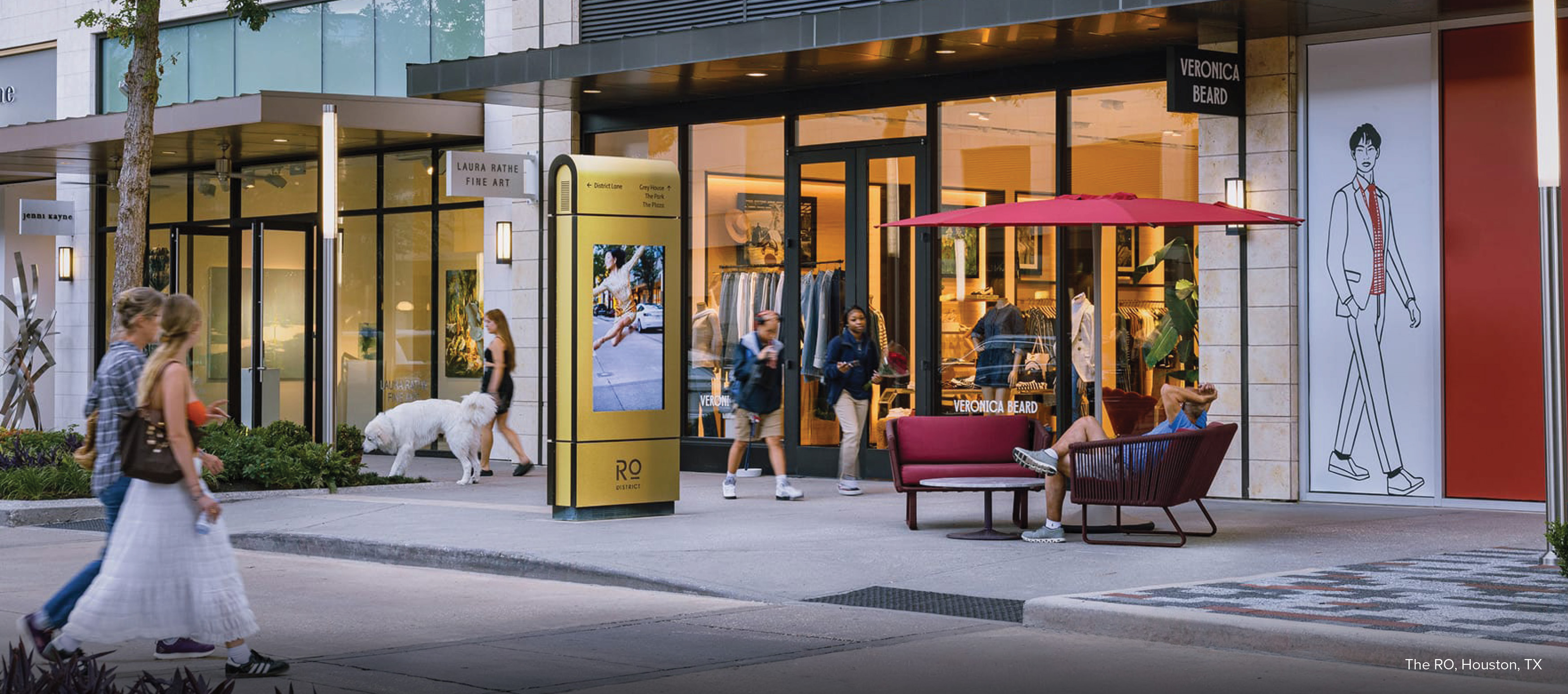
River Oaks District, Houston, TX (row 1), River Street Marketplace, San Juan Capistrano, CA (row 2), 2nd & PCH, Long Beach, CA (row 3), Toyota Music Factory, Irving, TX (row 4)
When you’re working on a project, how does curiosity build trust among stakeholders such as owners, leasing teams, and community partners?
PT: It shows that you can listen, and that you want to hear their perspective. You’re not arriving with a prescribed answer or a list of what they should do. The work is rooted in their particular DNA, and you can only find that by asking, observing, and immersing yourself in their challenge. When people see that you are genuinely interested in what they have to say and want to help solve their problems, trust builds quickly.
CC: Paige makes an excellent point. Our role extends beyond active listening; we serve to align and unify shared objectives. Because graphics, signage, and branding form the experiential core of any project, we act as advocates for the end users, which is the community. Each discipline fulfills a distinct purpose in retail development, and ours is to give voice to the people who will inhabit these spaces. By evaluating each objective through that perspective, we help transform the overarching goal of community advancement into a tangible, lived experience.
At RSM Design, our work is anchored in Principle Centered Design. How do common principles enable stakeholders with varied priorities and viewpoints to arrive at a unified decision?
CC: Shared objectives come first. As a learning-focused studio, RSM Design asks probing questions and reflects on its progress, and that starts with clear goals at the outset, grounded in principles that hold firm.
Because taste is personal, design can quickly become subjective. A client might prefer yellow while an owner’s spouse prefers green. Over three decades, RSM Design has worked to define what sits beyond personal preference. Creativity will still involve judgment, but key processes and foundational principles can be set early. They center on human, community, and functional needs, which means understanding what visitors, staff, and owners each need.
Those principles become the framework for each stage of design, from concept to schematic development to completion, and the checkpoint for asking whether the client’s objectives and the community’s expectations were met. Principle Centered Design is a cycle rather than a single step: set principles, explore, reflect, refine, and measure.
PT: Our Principle Centered Design framework is particularly valuable when navigating competing priorities. When subjective opinions conflict, such as choosing between Cody’s yellow and green example, we return to our agreed-upon principles to evaluate which option truly aligns. The most effective solution might even be something unexpected, like hot pink! Our Principle Centered Design approach provides an objective standard for determining the best path forward and assessing our success, ultimately creating true alignment.