Conversations from the Airstream: Community, Context, & San Diego Design
Posted May 27, 2026 · Education
An Interview Featuring Harry Mark, FAIA, Jeff Hertzler, & Max Mcilwee
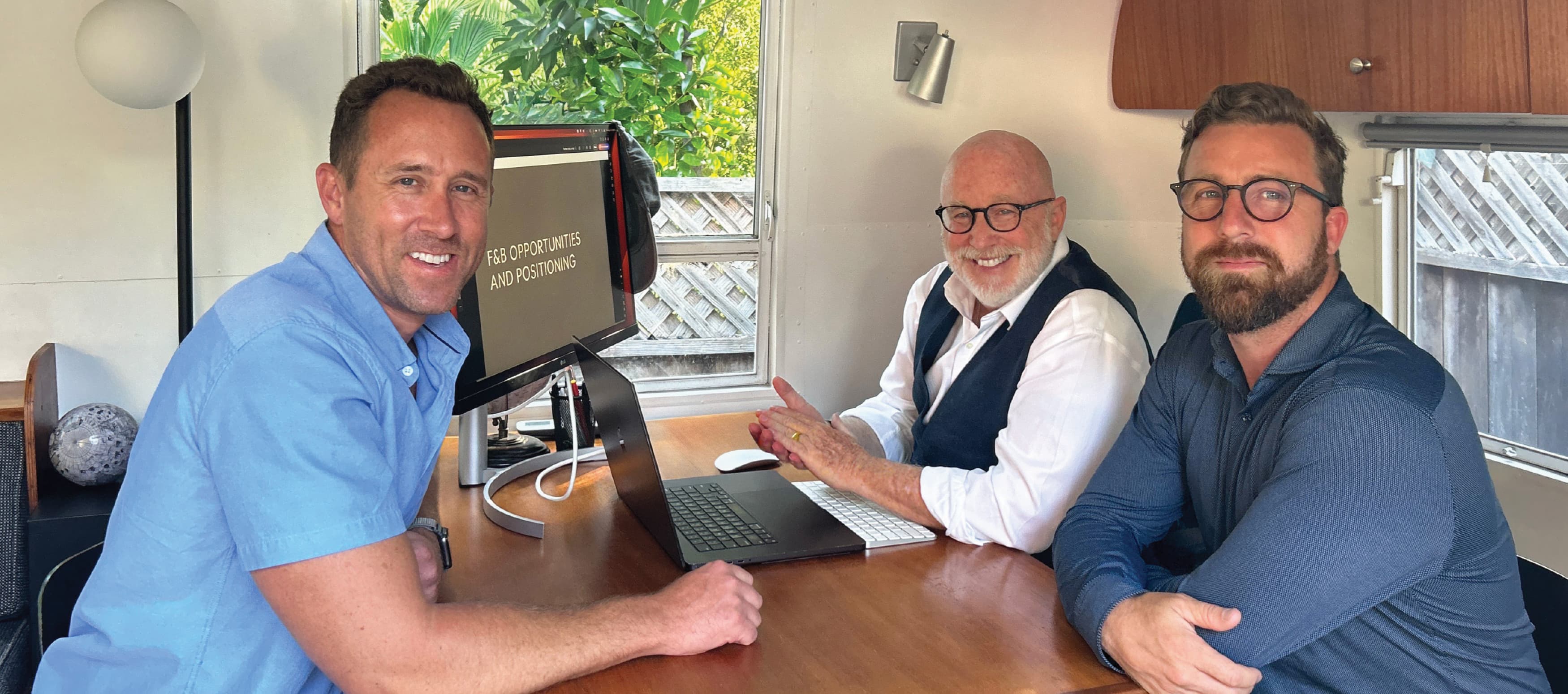
San Diego holds a special place in RSM Design’s story. Through three decades of projects, personal histories, and a deep belief that design can connect people to the communities they call home, the studio has built an intimate understanding of this city and the cultural tapestry woven through it. Ahead of the AIA26 conference, RSM Design Executive Director Harry Mark, FAIA, Director of Design Jeff Hertzler, and Senior Associate Max McIlwee gathered inside one of the San Clemente studio’s Airstream trailers to reflect on what it truly means to design for the community of San Diego. What follows is a Q&A from that conversation.
San Diego is a city defined by its geography and cultural complexity, from the bay and canyons to the coastline and one of the most significant border crossings in North America. How does that layered context of language, identity, and history shape the way RSM Design approaches environmental graphic design here?
Harry Mark, FAIA: No two San Diego projects have ever unfolded the same way, because no two communities in this city are the same. At Balboa Park for example, a deep historical identity and an incredibly active local community shaped the design from the ground up. At the San Ysidro Port of Entry, the defining feature was the meeting of multiple cultures and two languages, and bridging those two distinct communities became central to the design aesthetic. The sheer volume of people moving through that environment then shaped the physicality of the layout and the overall approach. Two projects, two very different responses to wayfinding. That is what designing in San Diego looks like.
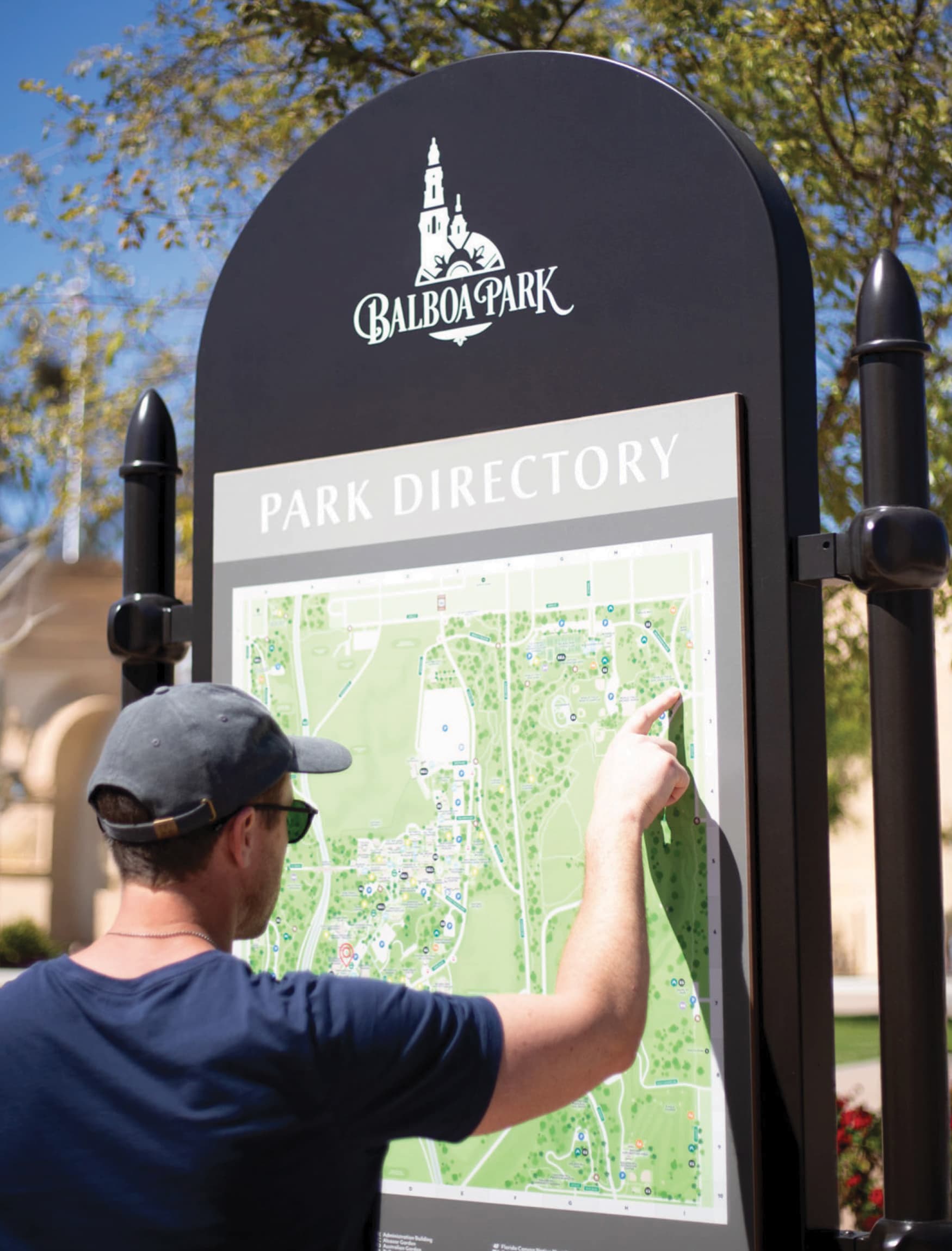
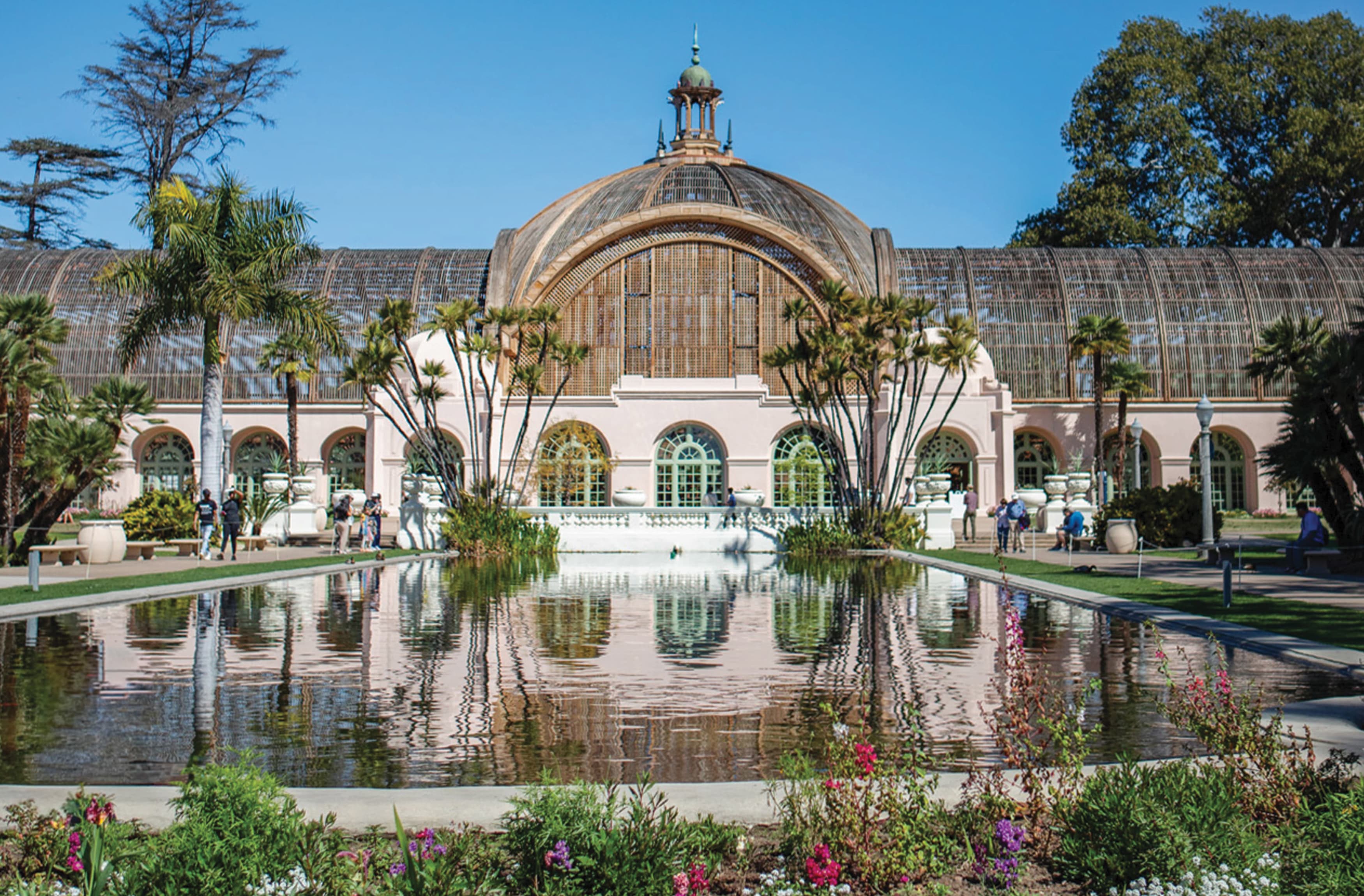
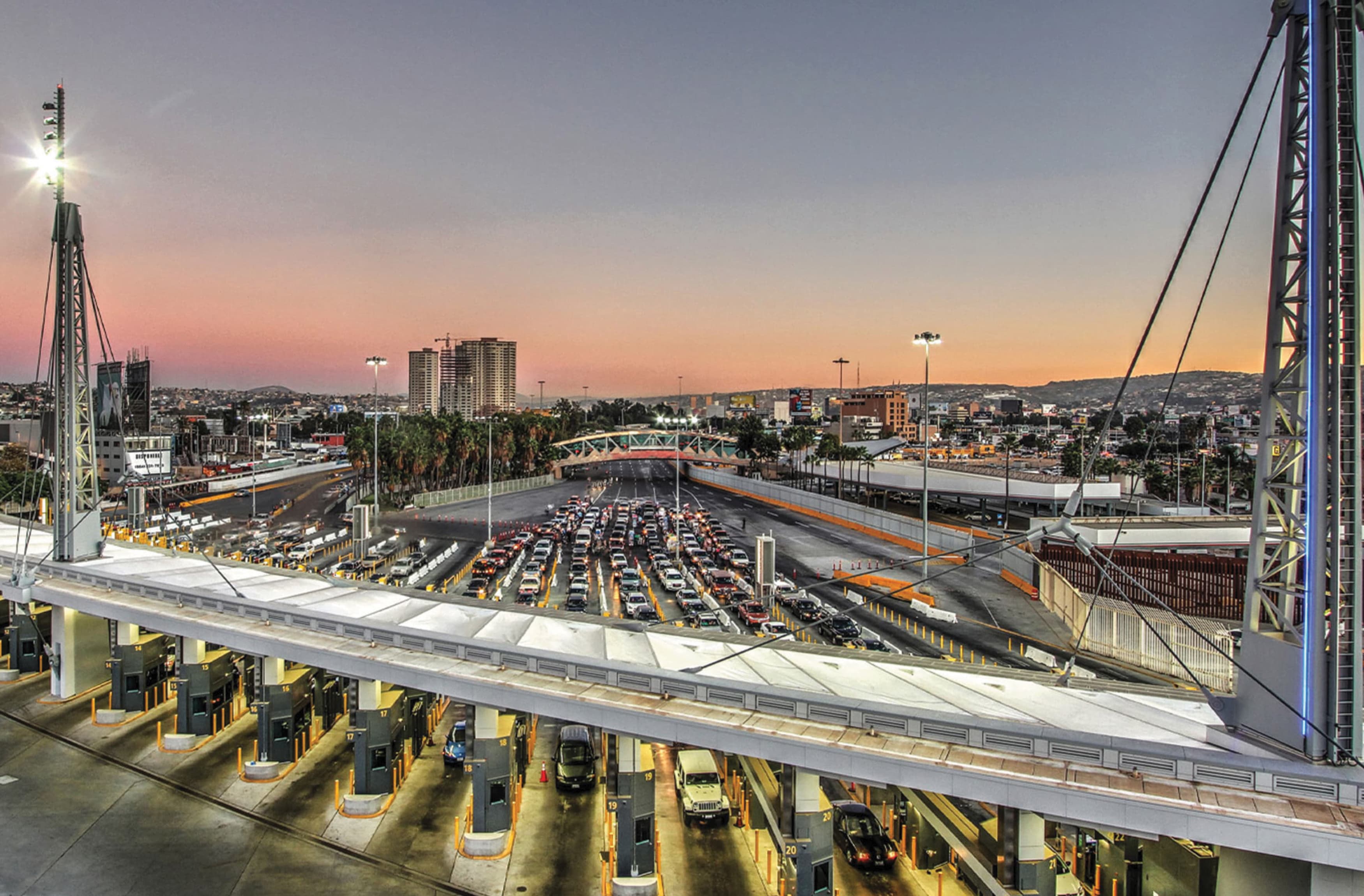
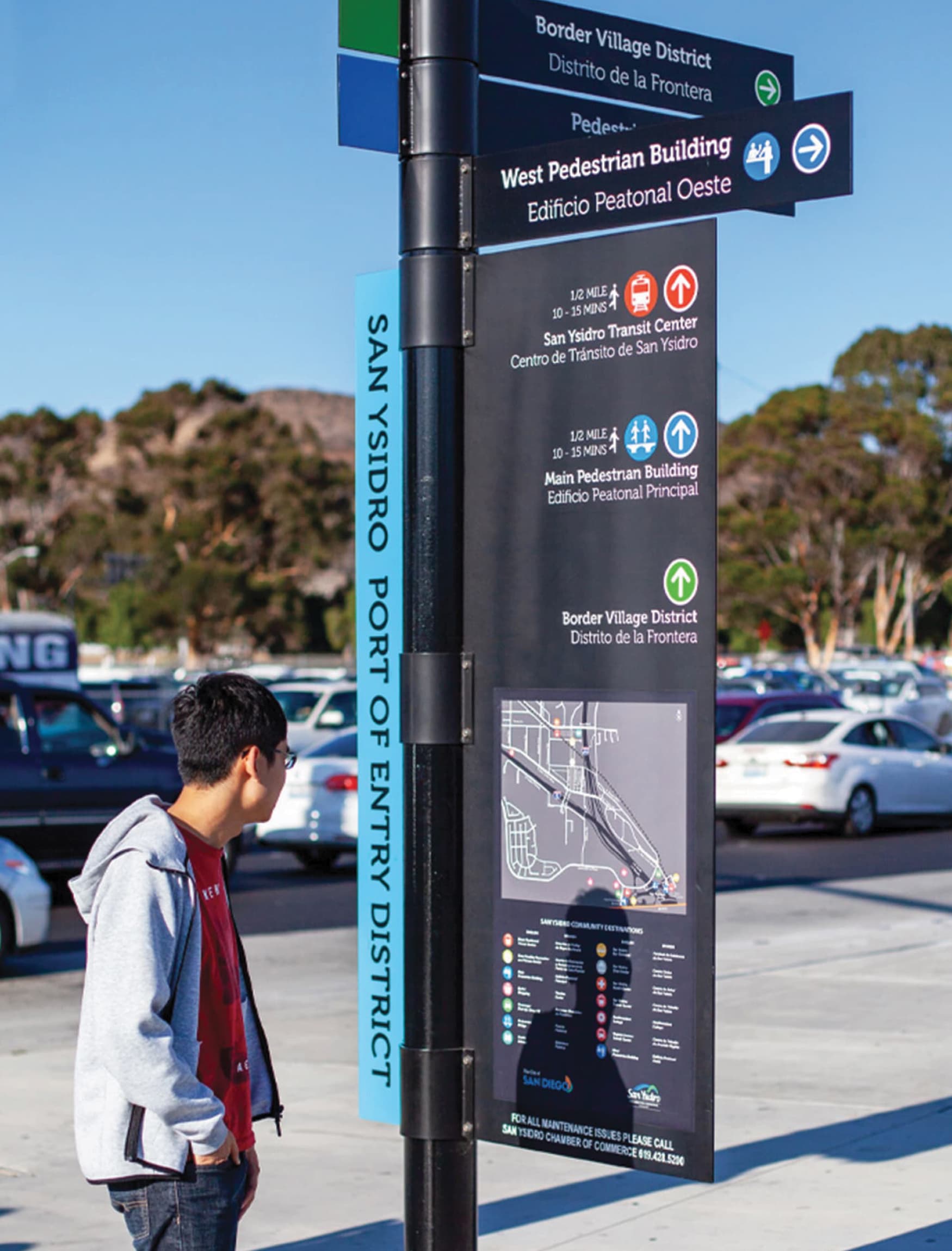
Balboa Park (top row) & San Ysidro Port of Entry (bottom row), San Diego, California
How has your personal experience with San Diego informed the way you have approached design work here? Are there moments where insider knowledge changed a design decision?
Jeff Hertzler: Having spent roughly five years of college in San Diego, plus fifteen years of back-and-forth for projects, I bring a deep understanding of the city and the communities RSM Design serves there. San Diego is a small big city, and if you live there, you get outside and take advantage of what it offers. Some of those memories run deeper than others. When I was younger, my friends and I used to climb up on the roof of the Hotel del Coronado to watch the waves and gaze up at the stars. Years later, I had the opportunity to work on that very project, and those kinds of personal histories, the legacies of a destination woven into lived experience, are exactly what RSM Design looks for when approaching a project.
Max Mcilwee: East Village Green is directly across the street from where I went to college. I was there when the original industrial buildings came down and watched that block become an empty lot of rubble for years. Finding myself on the design team for that project years later was something I did not take lightly. There is something humbling about witnessing a 12-year process from the very beginning and understanding how much work goes into moving a vision through a city. Being part of its story in return has been an honor.
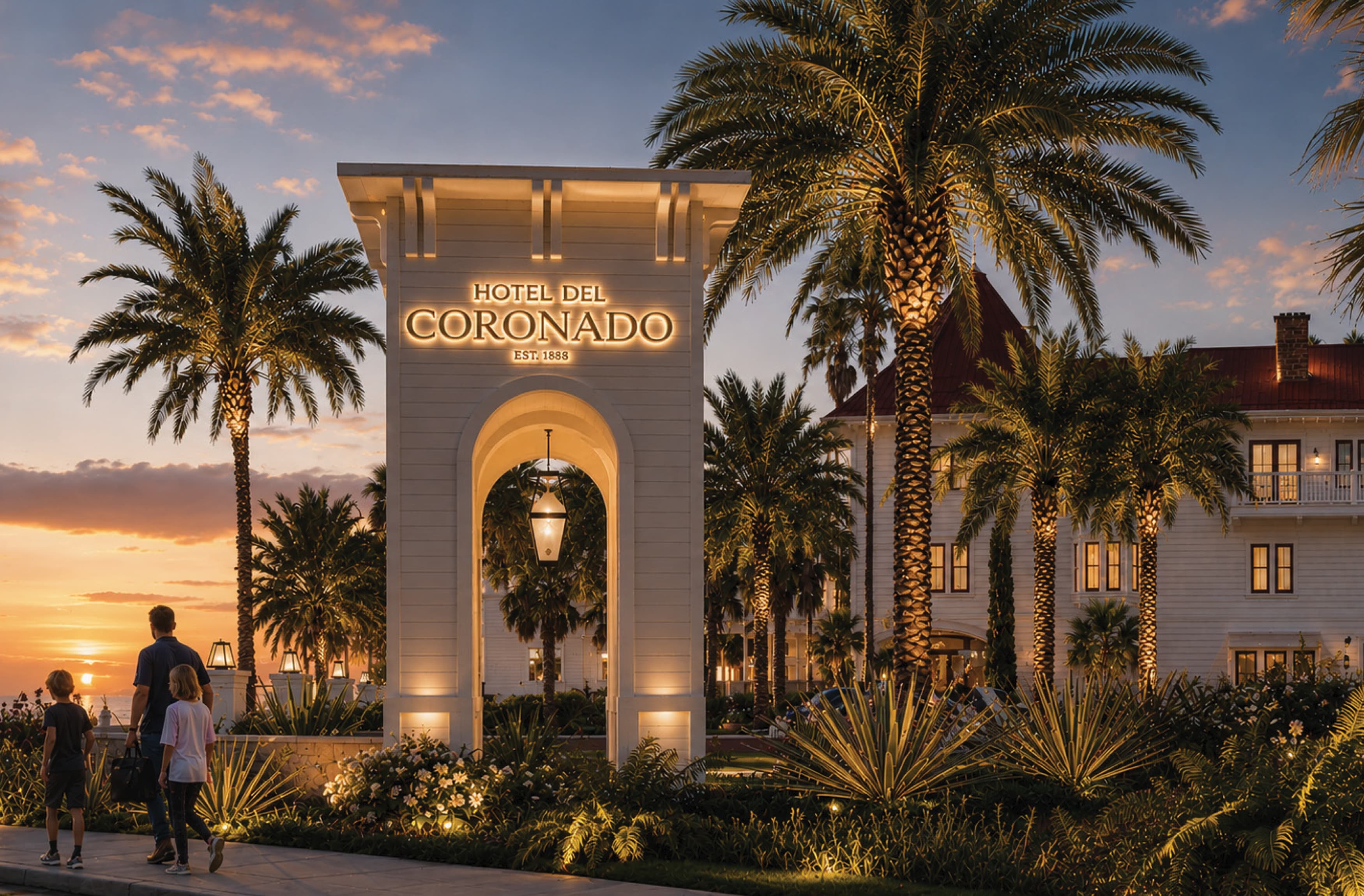
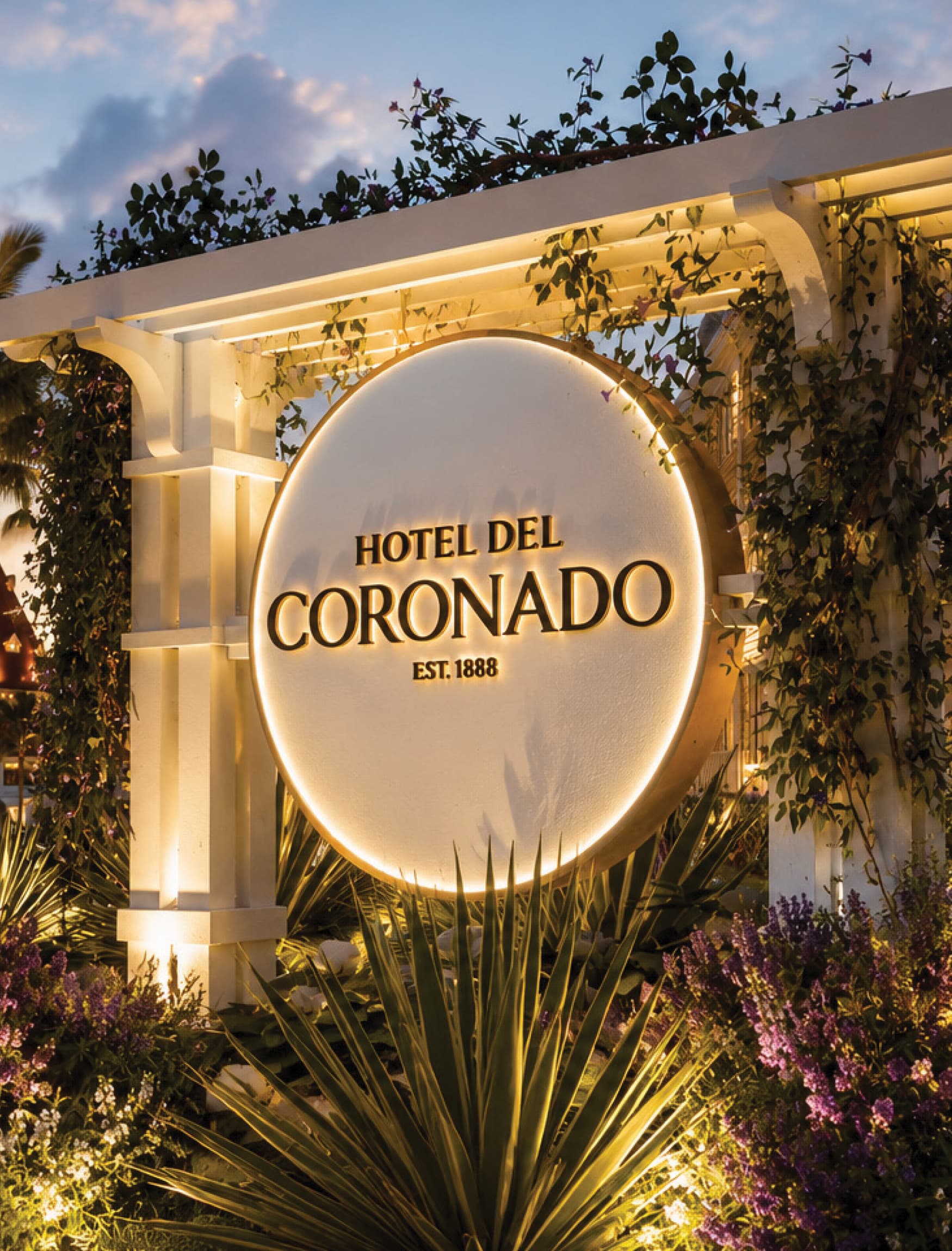
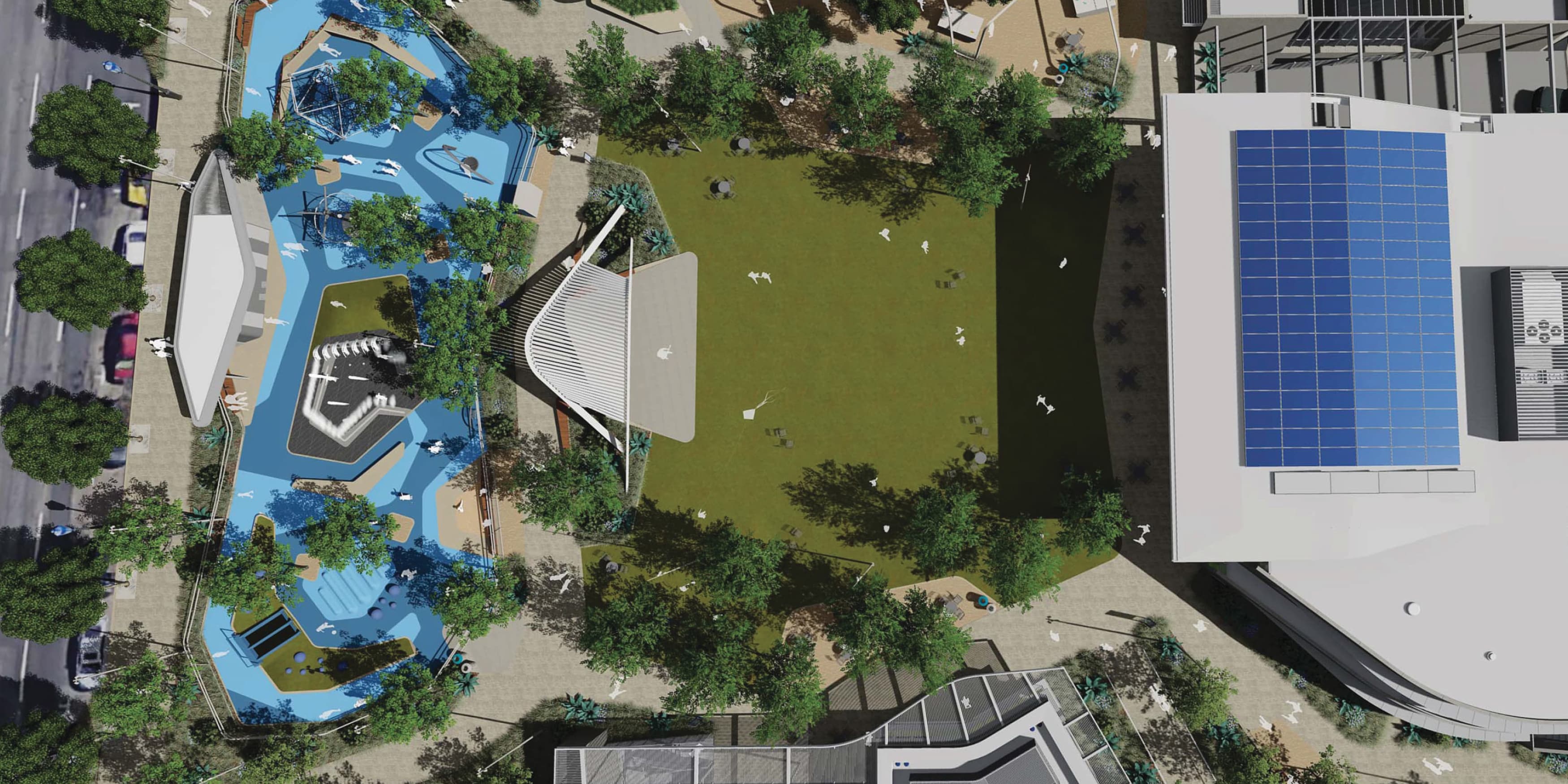
Hotel del Coronado (top row) & East Village Green (bottom row), San Diego, California
North County Transit serves a region that is often thought of as suburban and car-dependent. How does wayfinding and environmental design help reframe the experience of public transit in that context?
JH: When RSM Design was brought in to look at the wayfinding and signage for North County Transit, the ask went beyond updating signs. The goal was to refresh the system’s identity without necessarily assigning it a new brand. It is a subtle but important distinction: how do you change the way people feel about something without telling them how to feel about it? When a transit environment feels fresh and legible, it changes the perception of what public transit can be. That shift in perception is exactly why RSM Design does this work.
MM: North County, San Diego, and Southern Orange County share something most transit corridors do not: the Pacific coastline running alongside the tracks. That quality transforms the experience of riding the train from a practical necessity into something worth doing for its own sake. What was once a commuter line is becoming an experiential one, and riders are hopping on not just to get downtown but to enjoy the coast or ride all the way to the border. When a transit system earns riders who are there by choice rather than necessity, it signals something meaningful about the community it serves. Wayfinding that feels clear and welcoming rather than purely functional plays a quiet but important role in that shift.
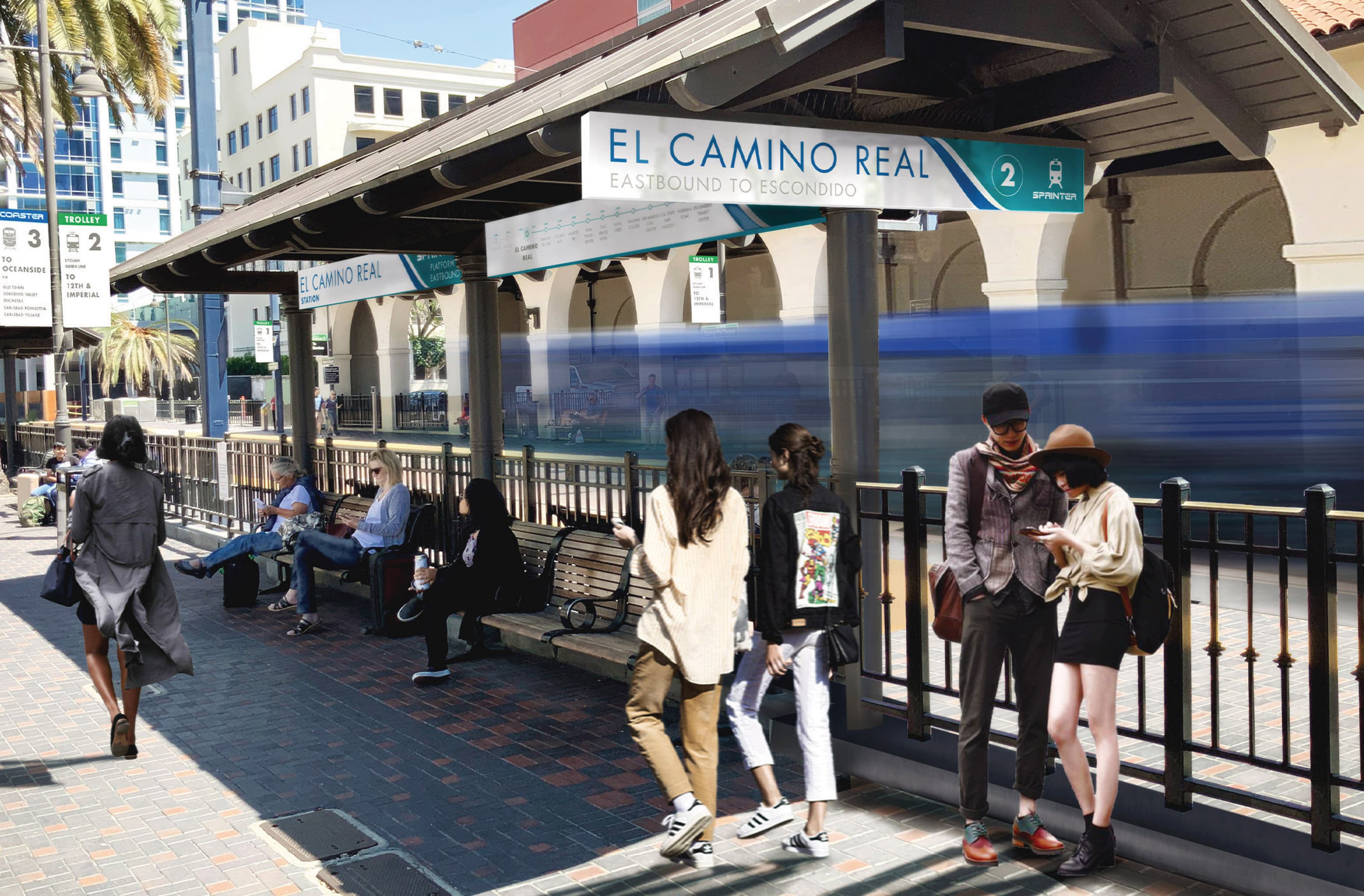
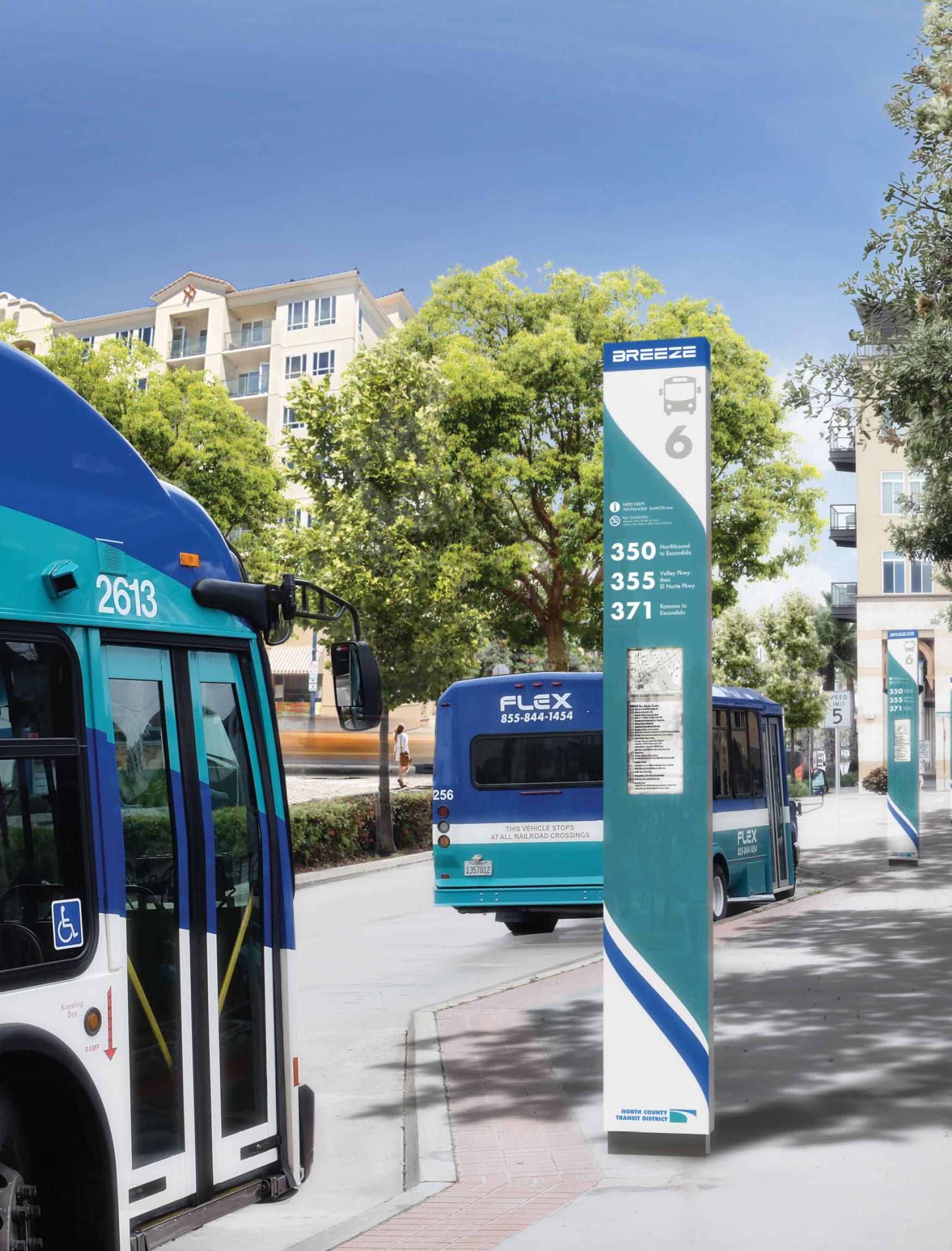
North County Transit District, San Diego, California
The Research and Development District (RaDD) brought together RSM Design, IQHQ, Gensler, OJB, and Francis Krahe across architecture, landscape, lighting, and experiential graphics. At what point in the process does that collaboration become genuinely integrated, rather than just coordinated?
HM: On the RaDD project, collaboration began very early in the process, which made all the difference. The first thing that got thrown out the window was ego. Everyone played in the same sandbox really well because everyone understood what the project needed. A visitor moving through RaDD does not stop to ask which discipline was responsible for a particular moment; they simply experience a place holistically.
JH: The question of who owns what scope disappeared early in the project. In its place came a better question: what is the experience going to be when someone is actually standing in this place? Answering that required each discipline at the table, with graphics, lighting, architecture, and signage all contributing to a greater whole. The team built a strong alignment deck and strategy early in the process that everyone contributed to and could return to. It became the blueprint that carried the project forward.
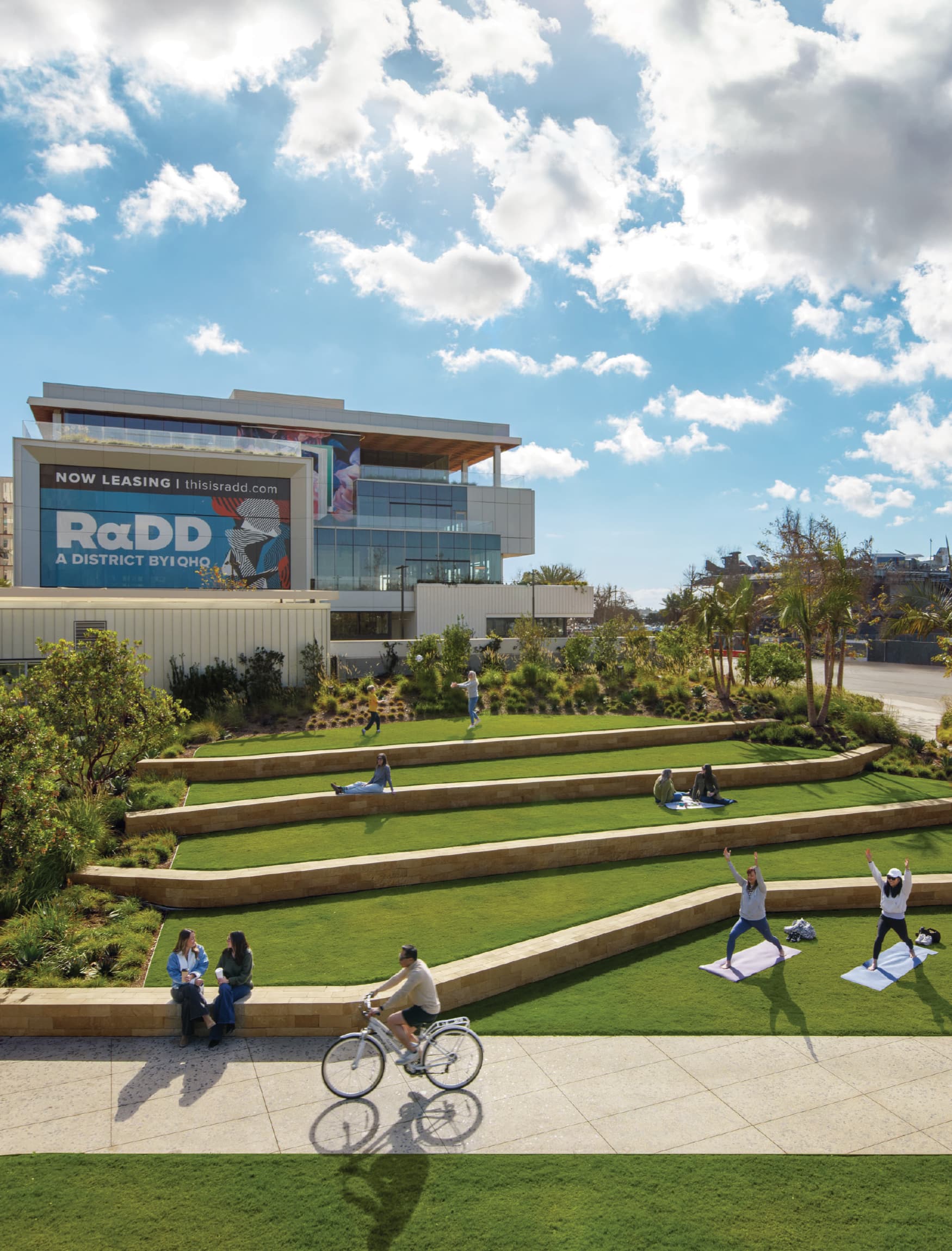
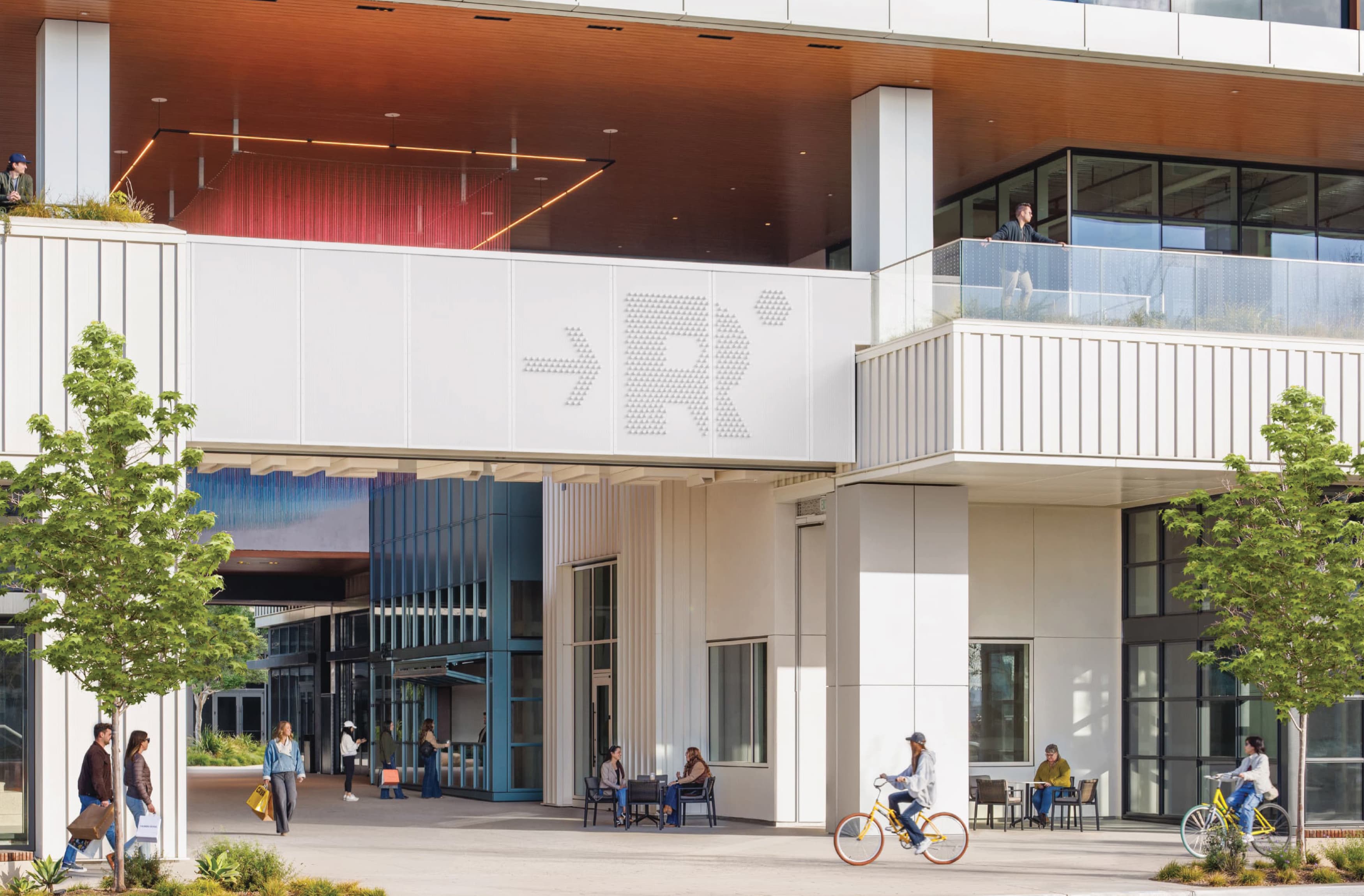
Research and Development District (RaDD), San Diego, California
San Diego is a city of neighborhoods, each carrying its own distinct identity, character, and sense of place. How does RSM Design weave those communities together through wayfinding and environmental graphic design when each one was cut from a very different cloth?
HM: When wayfinding is done well, people don’t notice it, and that’s perfectly fine. They find their way, feel comfortable, and move through a space with confidence. Part of the craft is deciding how much personality a wayfinding system should carry, but regardless of where that dial is set, the intent is always the same: ease the navigation, reduce the frustration, and create the conditions for people to enjoy being somewhere. San Diego is a city of small communities, distinct neighborhoods, and identifiable districts, and that quality is one of its greatest assets. Signage, when done thoughtfully, plays a meaningful role in identifying those districts and linking them together, at the scale of the city and at the scale of a single person finding their way.
JH: Effective wayfinding is a series of layers, each one serving a different purpose and a different scale of experience. One thing RSM Design has done particularly well is create landmark identity elements that communities genuinely resonate with, and the demand for that kind of iconic presence is growing across San Diego. At the Port of San Diego, RSM Design created a cohesive wayfinding system linking five distinct cities across 36 miles of coastline, while individually designed landmark elements gave each city something iconic to call its own. That balance is the key: cohesive enough to connect, distinctive enough to belong.
MM: San Diego is growing, and as it grows, the boundaries between its neighborhoods and districts are beginning to blur. And yet the city continues to celebrate something distinctly its own: portal entries that span a road and mark the threshold into a neighborhood. Those landmark elements are as present in North County as they are in South San Diego, a thread that runs the length of the city, creating a sense of arrival, honoring identity, and reminding people that even as San Diego grows, its communities remain distinct and worth discovering.
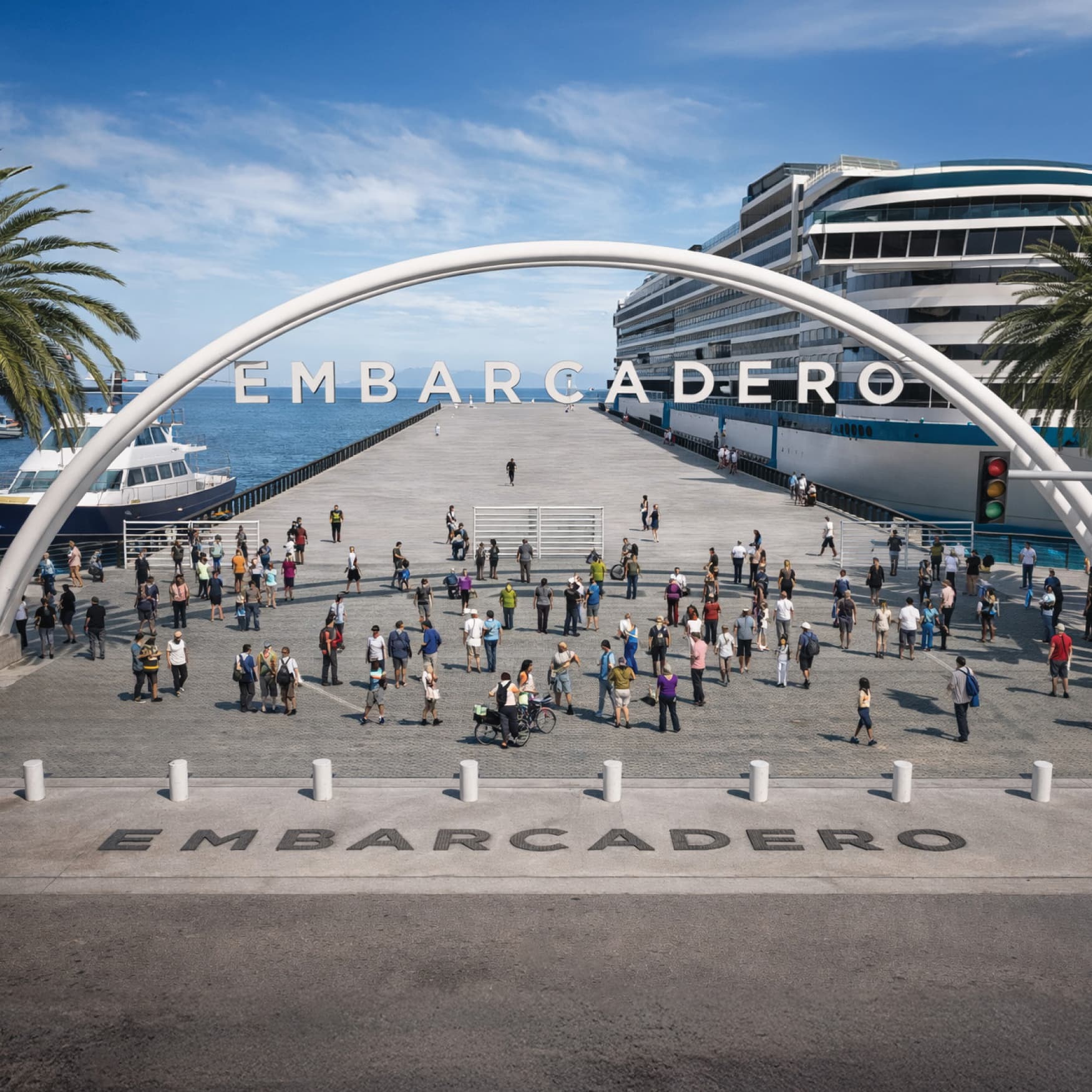
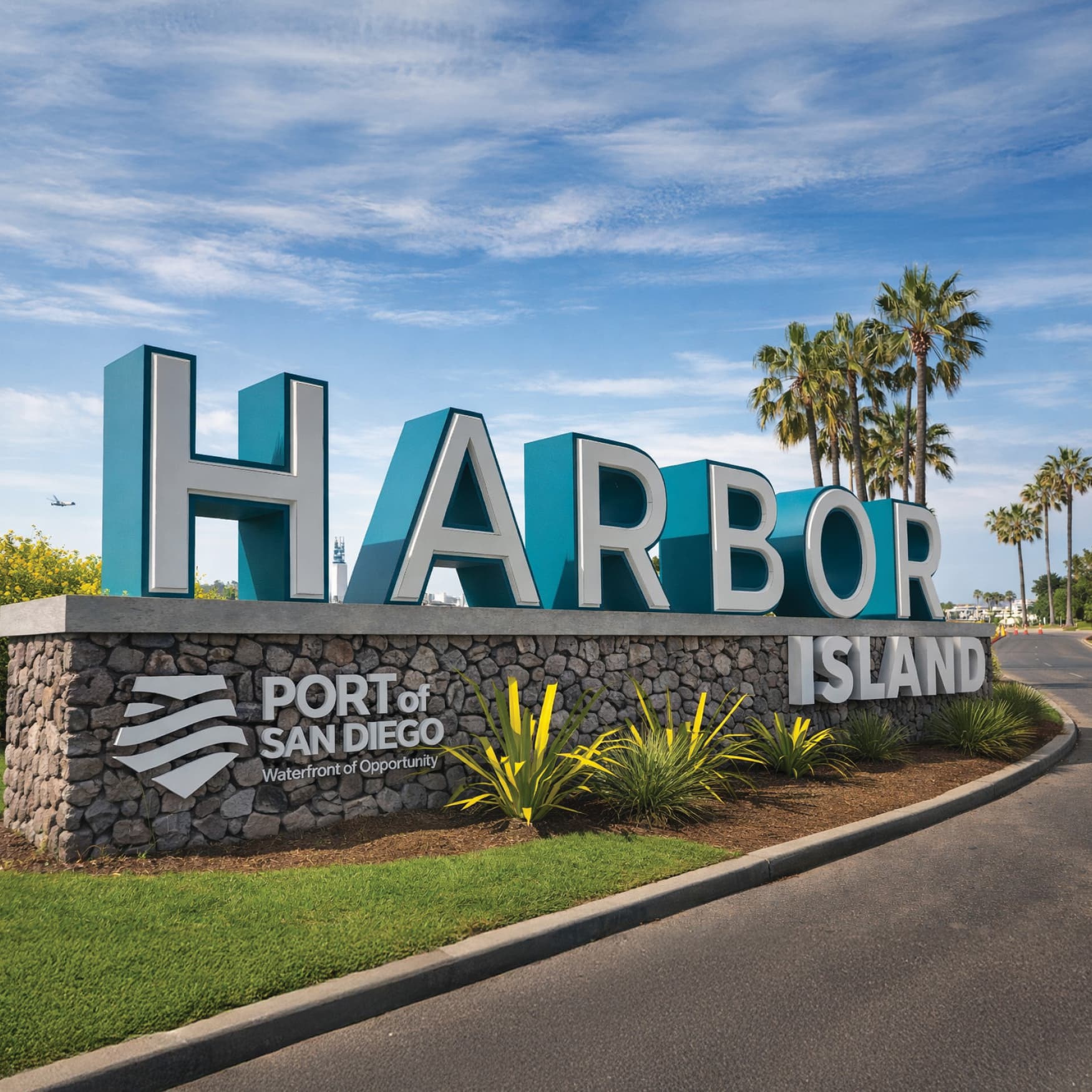
Port of San Diego, San Diego, California
Environmental graphic design exists at the intersection of culture, technology, and human behavior. How does RSM Design create work that feels rooted and relevant today while remaining meaningful years from now?
HM: Each RSM Design project begins with uncovering the inherent DNA of that particular project and community. What was designed for Liberty Station looks nothing like Balboa Park, nothing like the San Ysidro Port of Entry, and nothing like the Port of San Diego. Each one is distinct, and each one is confident enough in its own identity to stand the test of time. That confidence comes from Principle Centered Design, a methodology for arriving at something true rather than something trendy. When a design is rooted in the principles of a place rather than the aesthetics of a moment, it endures for the community that lives inside it, not just the design community that evaluates it from the outside.
JH: Things change, materials age, and trends move on. But what endures is the impact of an experience, the memory a person carries long after they have left a place. RSM Design wants to be part of the story that leaves that lasting impression, the kind of memory that gets passed on and makes someone insist on bringing a friend back to a place they love. The tangible outcome of the work is an environmental graphic design solution. The intangible outcome is something harder to measure and more important to get right: the experience people take away from immersing themselves in the unique story of a place.
See more of RSM Design’s San Diego projects ›