Experience-First Design
Posted February 17, 2026 · Education
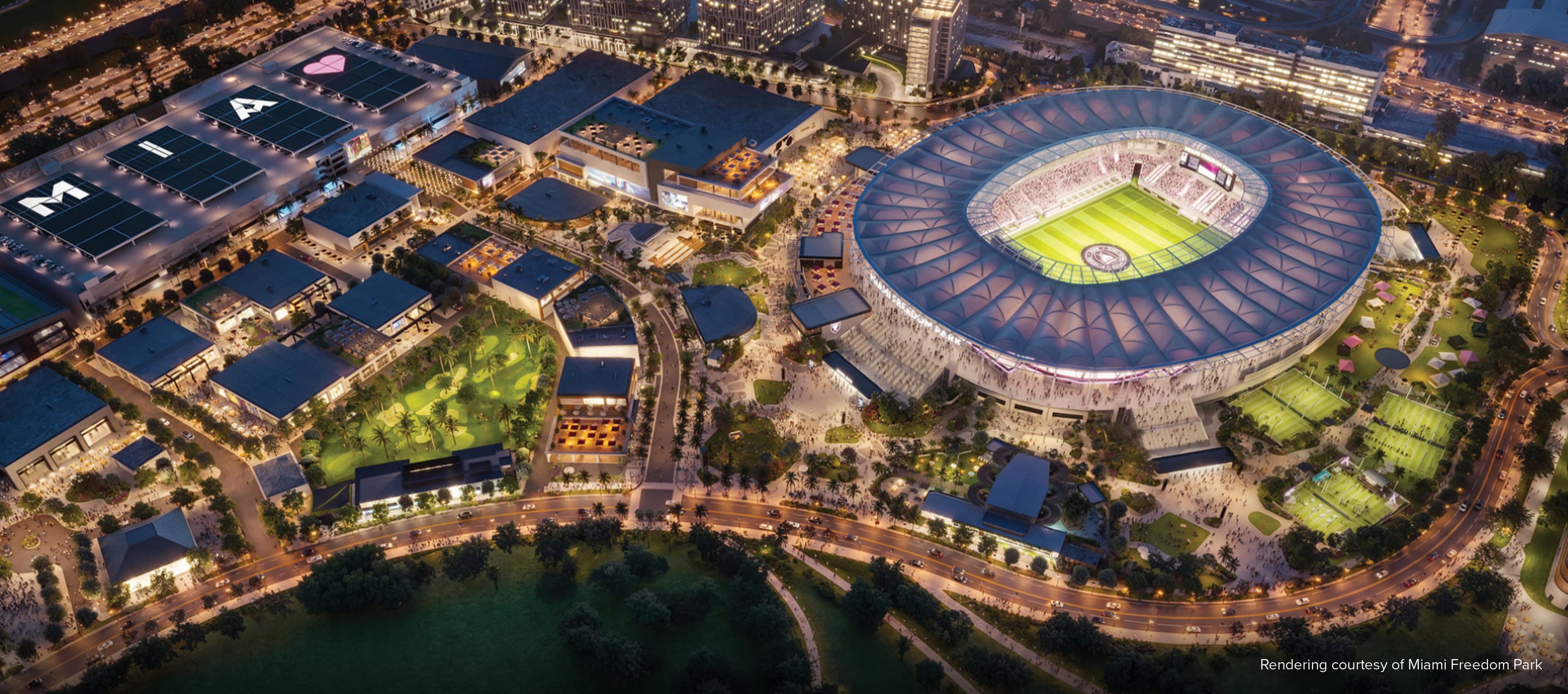
Sports & Entertainment Destinations
Redefining the Experience Through Placemaking, Wayfinding, & Brand
Sports and entertainment venues are undergoing a cultural evolution as people reimagine what these spaces can be. Experience design is no longer a supporting element but has become a powerful organizing principle for the entire destination. Where design once treated graphics, signage, and branded environments as finishing touches layered onto completed architecture, today’s most compelling venues recognize that experience must drive end-to-end decision-making.
This evolution represents a defining theme for the industry and a central focus at the 11th annual Entertainment Experience Evolution (EEE) 2026 conference. Experience now shapes how guests navigate through a space, how they connect with a venue’s identity, and how they experience memorable moments. It influences the arrival journey, determines where people pause and gather, and creates the emotional backdrop against which every game, concert, and event unfolds. Environmental graphics and wayfinding are not decorative layers, they are integral, as essential to a venue’s success as the structural systems that support it.
This expansive, experience-first thinking shapes project ideation at RSM Design. When design aligns brand, behavior, and space into a single cohesive framework, the result is a destination that feels intentional, immersive, and memorable.
Placemaking as Brand Expression
In sports and entertainment destinations, design extends far beyond what people see, it encompasses what they feel, remember, and share. These environments are inherently emotionally charged, hosting first games and last-minute victories, family traditions and acting as epicenters for community connection.
RSM Design approaches this intersection of entertainment programming and physical brand experiences with intention, ensuring each guest interaction supports, rather than overshadows, the sport or event itself. The engaging nature of sports and entertainment design is unified by the need for strong signage and wayfinding programs. Architectural graphics and signage design become part of a holistic entertainment experience that connects fans and visitors to the teams and places they rally around.
Whether it’s a stadium, arena wayfinding, outdoor sports complex, or stadium-adjacent retail destination, RSM Design captures the spirit of a place and engages users in fun and surprising ways. With careful attention to carrying the brand identity throughout the signage design, wayfinding program, and environmental graphics, RSM Design employs a people-first approach when designing for sports and entertainment venues and the districts that surround them.
Learn more about RSM Design’s placemaking services ›
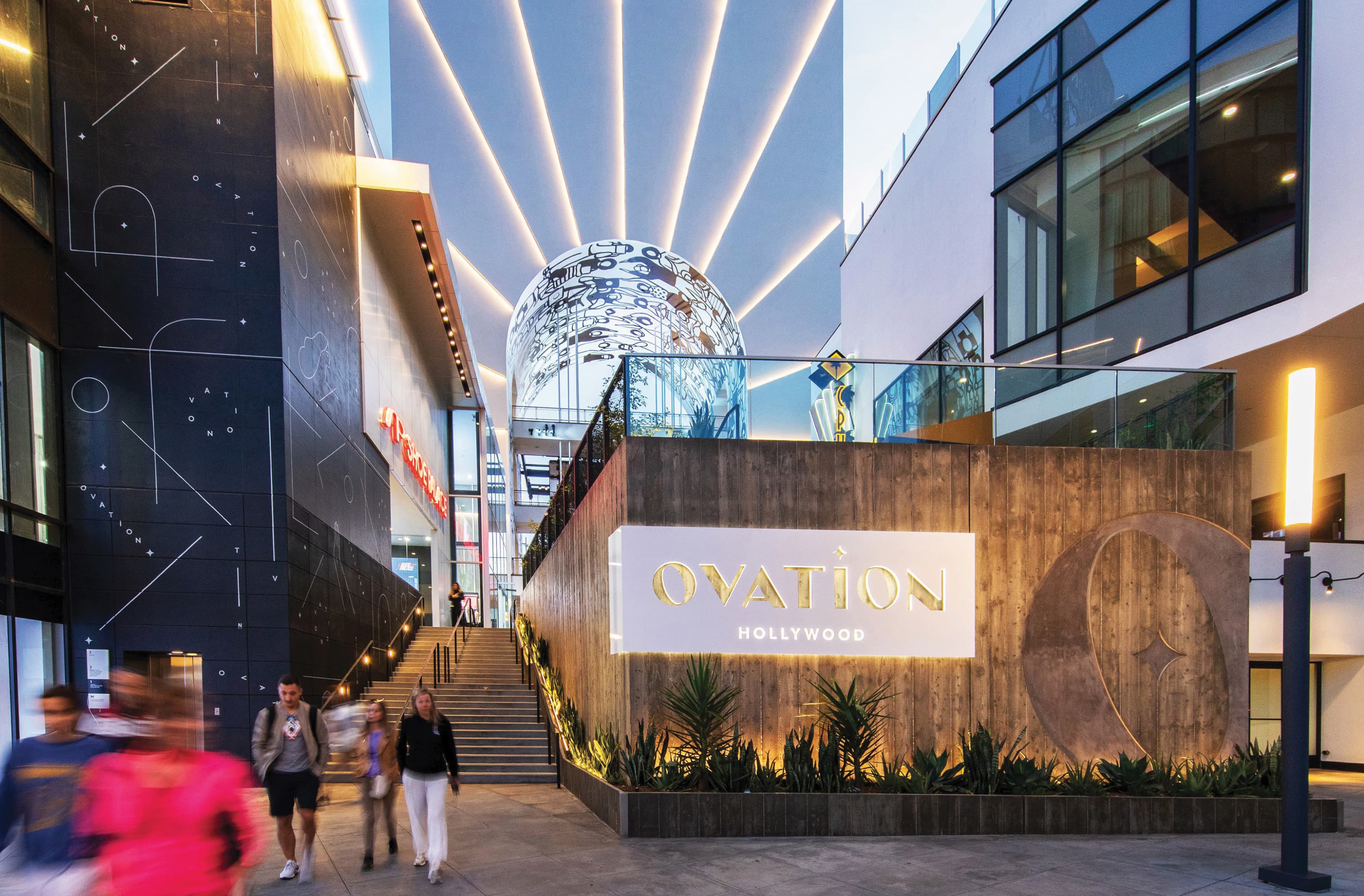
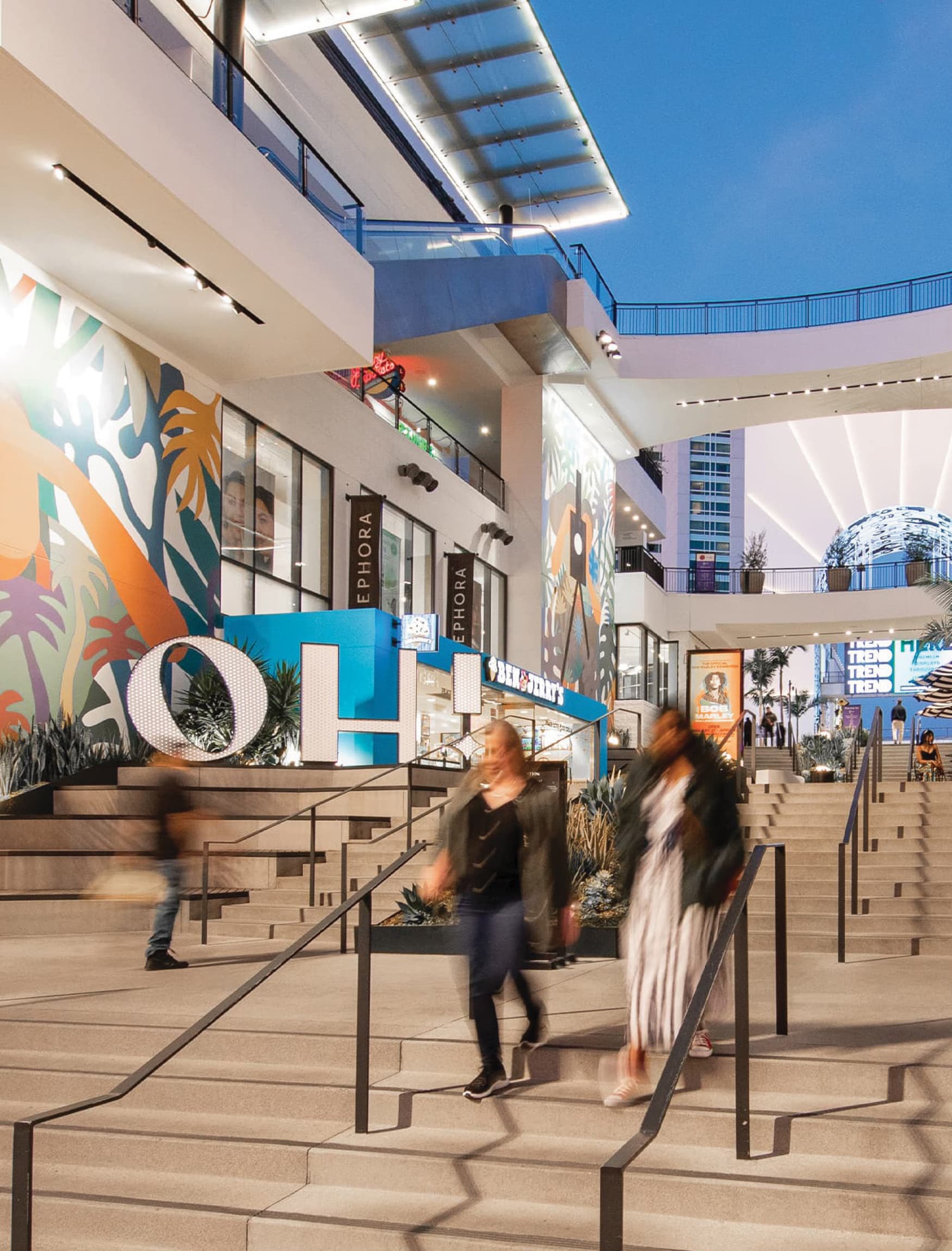
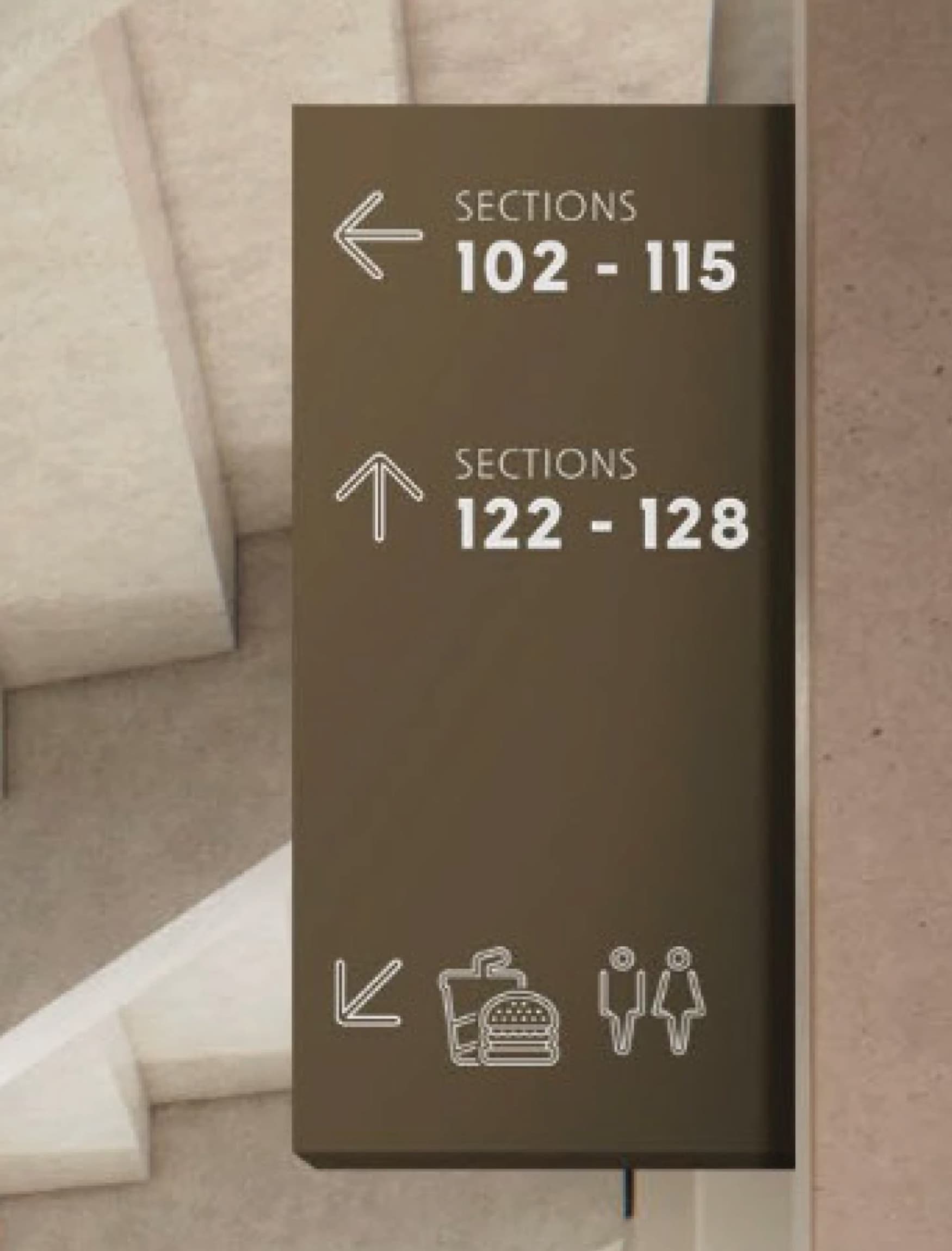
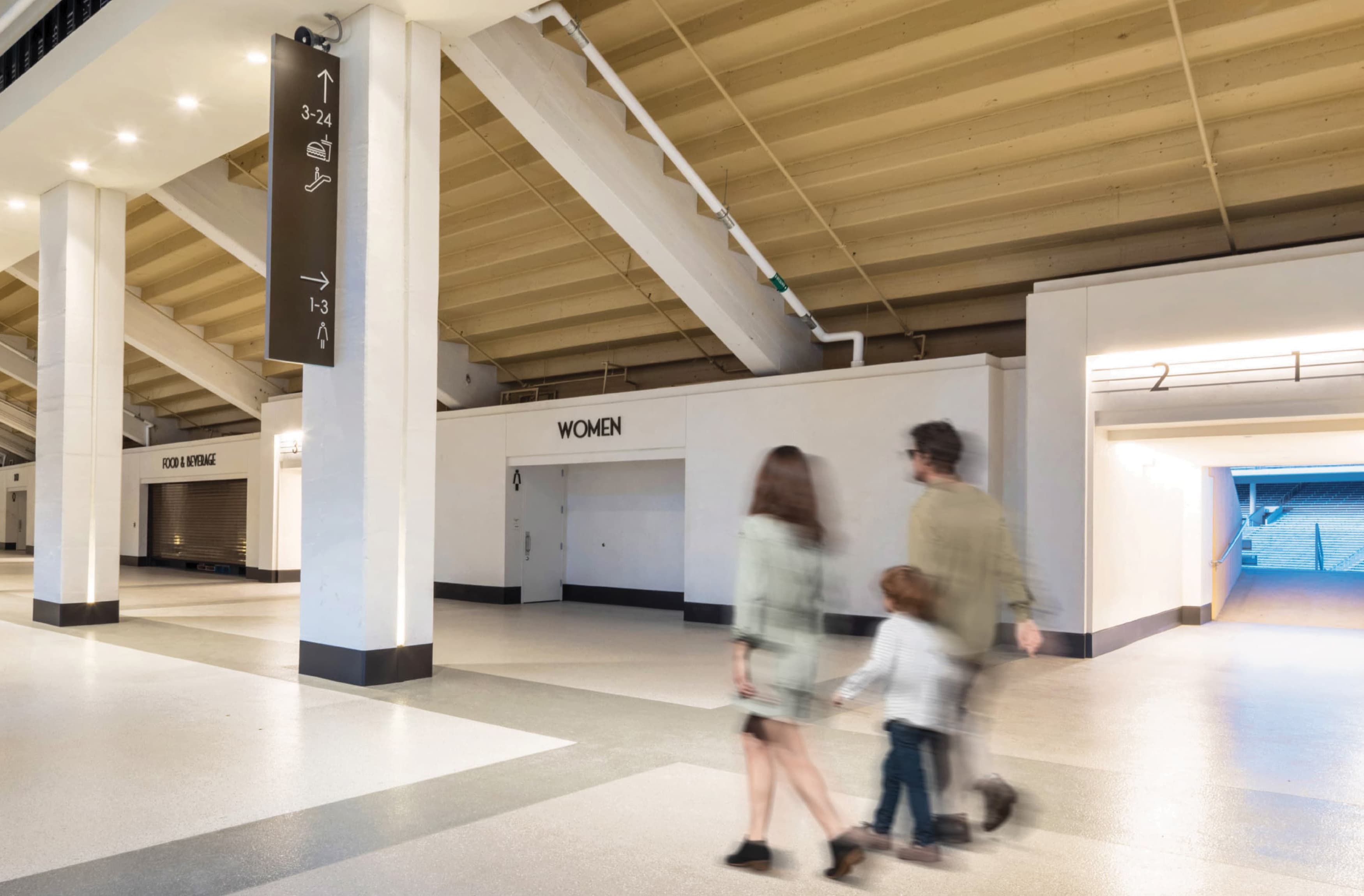
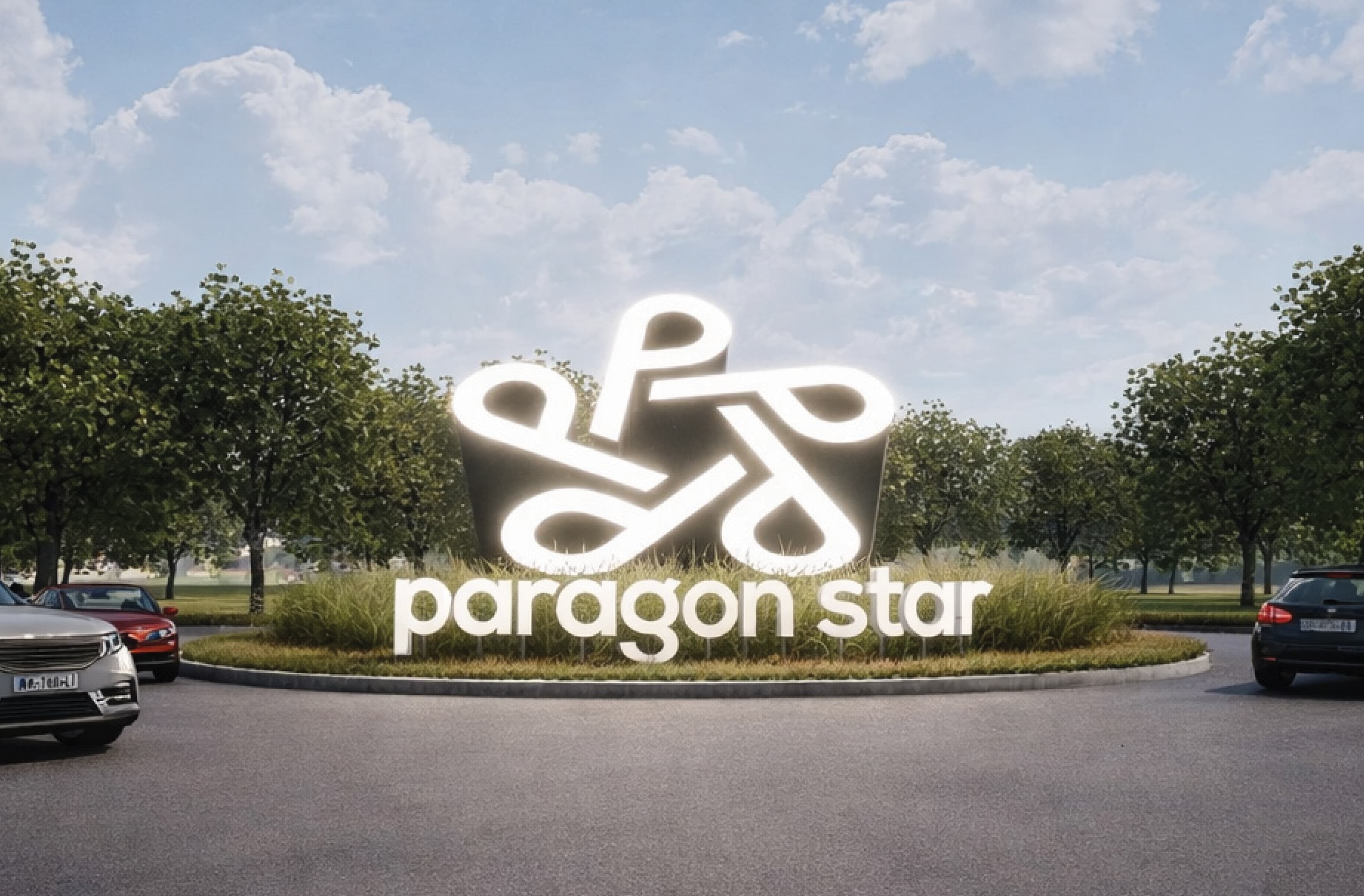
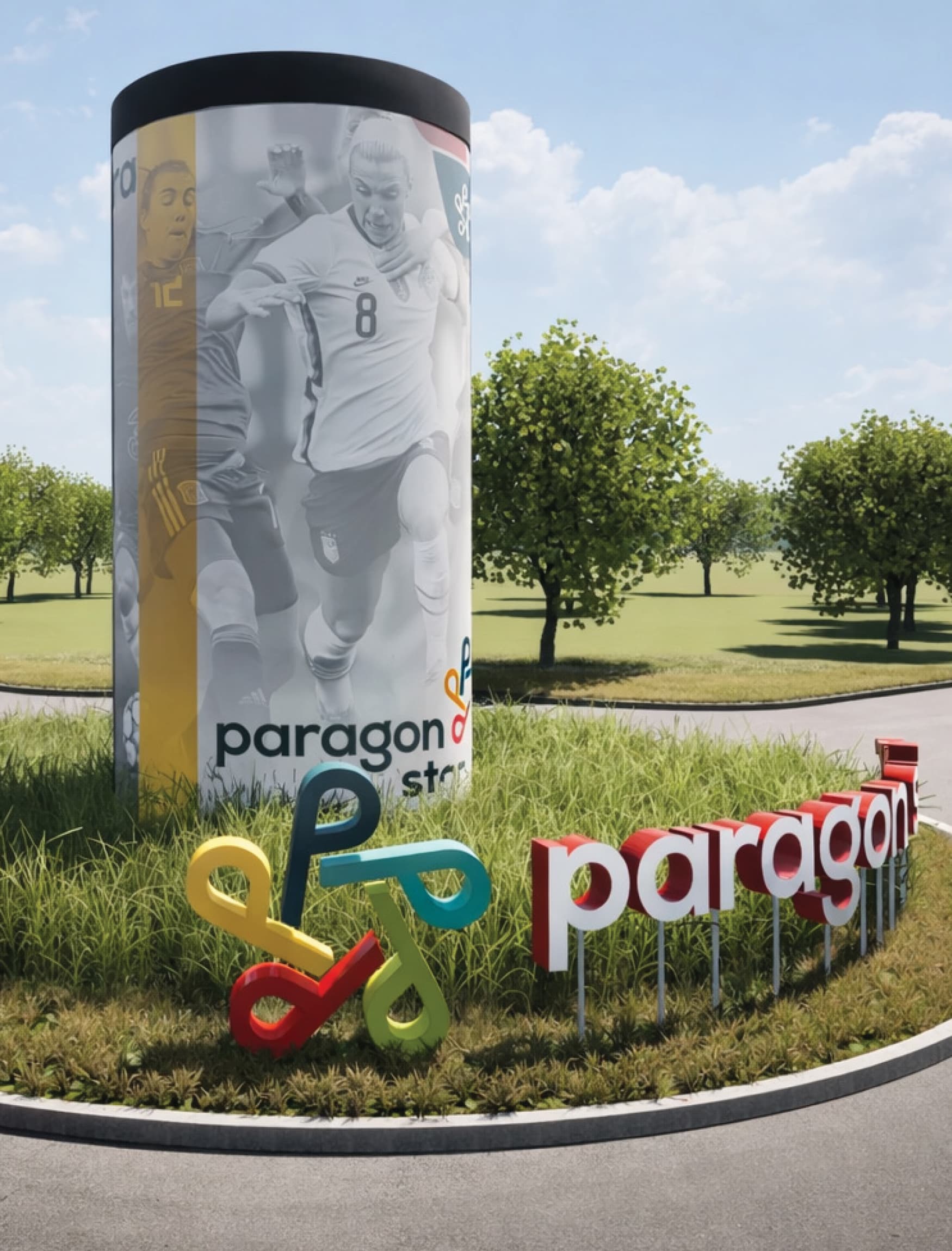
Ovation Hollywood (Top Row), Cotton Bowl Stadium (Middle Row), Paragon Star (Bottom Row)
Design That Starts With The Place & The Brand
Every great entertainment destination begins with understanding its context. The surrounding community, local culture, climate, architecture, and historical context play essential roles in shaping a meaningful built environment. Simply applying surface graphics or logos does not create an authentic emotional connection; integrated placemaking happens when graphics, architecture, and storytelling are woven together into a unified narrative experience combined with the brand vision and core values.
Successful sports and entertainment branding begins with the location. Developments are moving away from generic themes, instead building identities rooted in local culture, history, and stories. This approach keeps the environment rooted in both place and time, fostering a natural connection for long-time fans and for visitors experiencing it day to day.
Elevating the Sporting Experience at The Star
The Dallas Cowboys have made a legendary name for themselves in the overall sports industry. From star quarterbacks to iconic playbooks to an elevated game-day experience, the Dallas Cowboys are widely recognized for having an established fan experience.
The Star, in Frisco, Texas, is a 91-acre property that the Dallas Cowboys call home. A true Texas destination, the project draws visitors from the Dallas-Fort Worth Metroplex and beyond. RSM Design worked closely with the Jones family and a number of consultant teams to design an unforgettable fan experience that explores the sports team’s history and their future endeavors.
Digital signage integration, sponsorship and donor recognition, sculptural art installations, hall of fame walks, arena wayfinding, graphics for plaza spaces, and wayfinding to the Omni Hotel and a nearby sports medicine facility combine as multiple destinations throughout the project. By weaving emerging technologies into the physical environment, these programmable elements transform ordinary signage into interactive placemaking moments that deepen engagement. Each of these pieces fit the puzzle of the fan experience: elevating spectator experiences and encouraging them to return, while also remaining authentically Cowboys inspired.
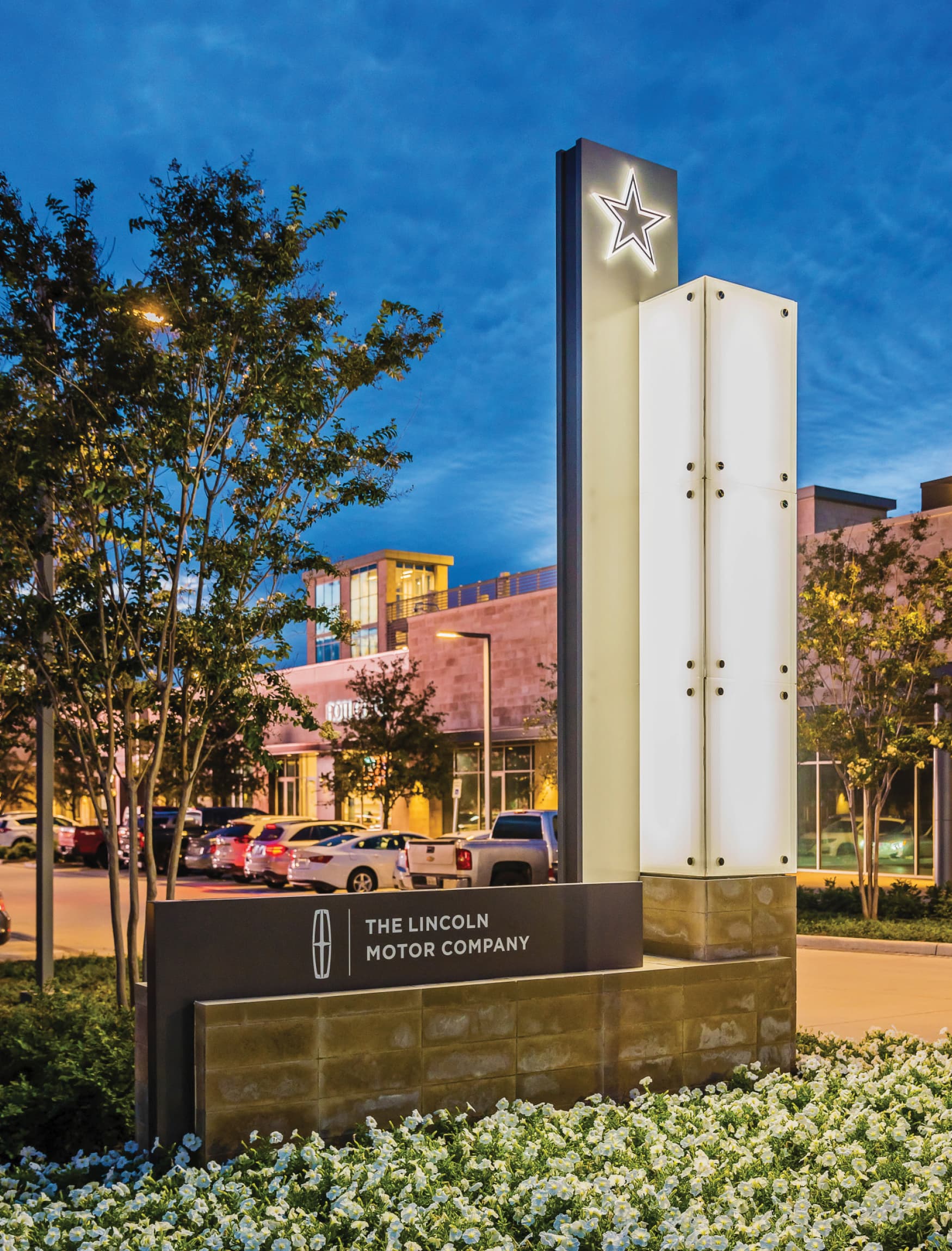
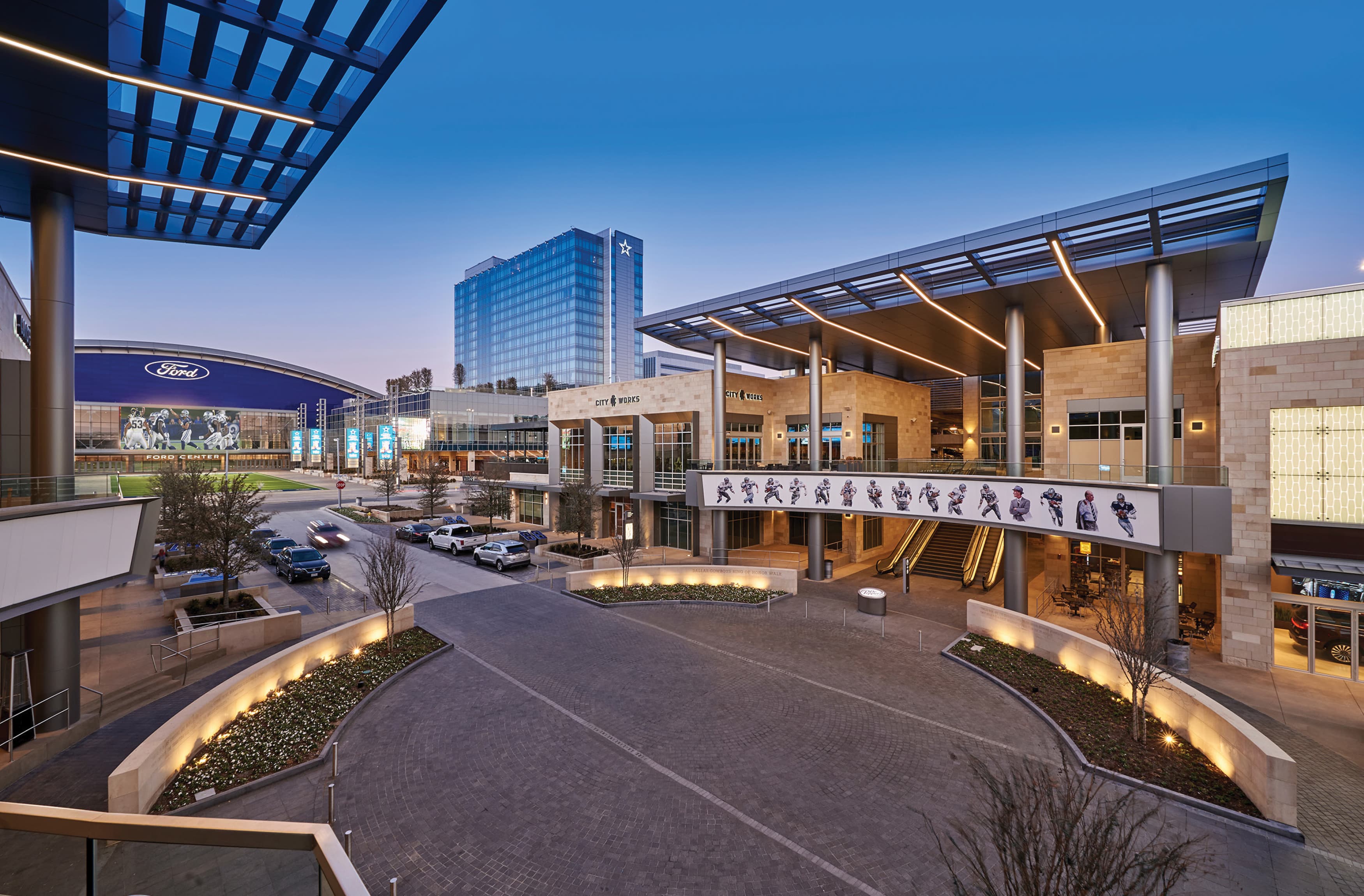
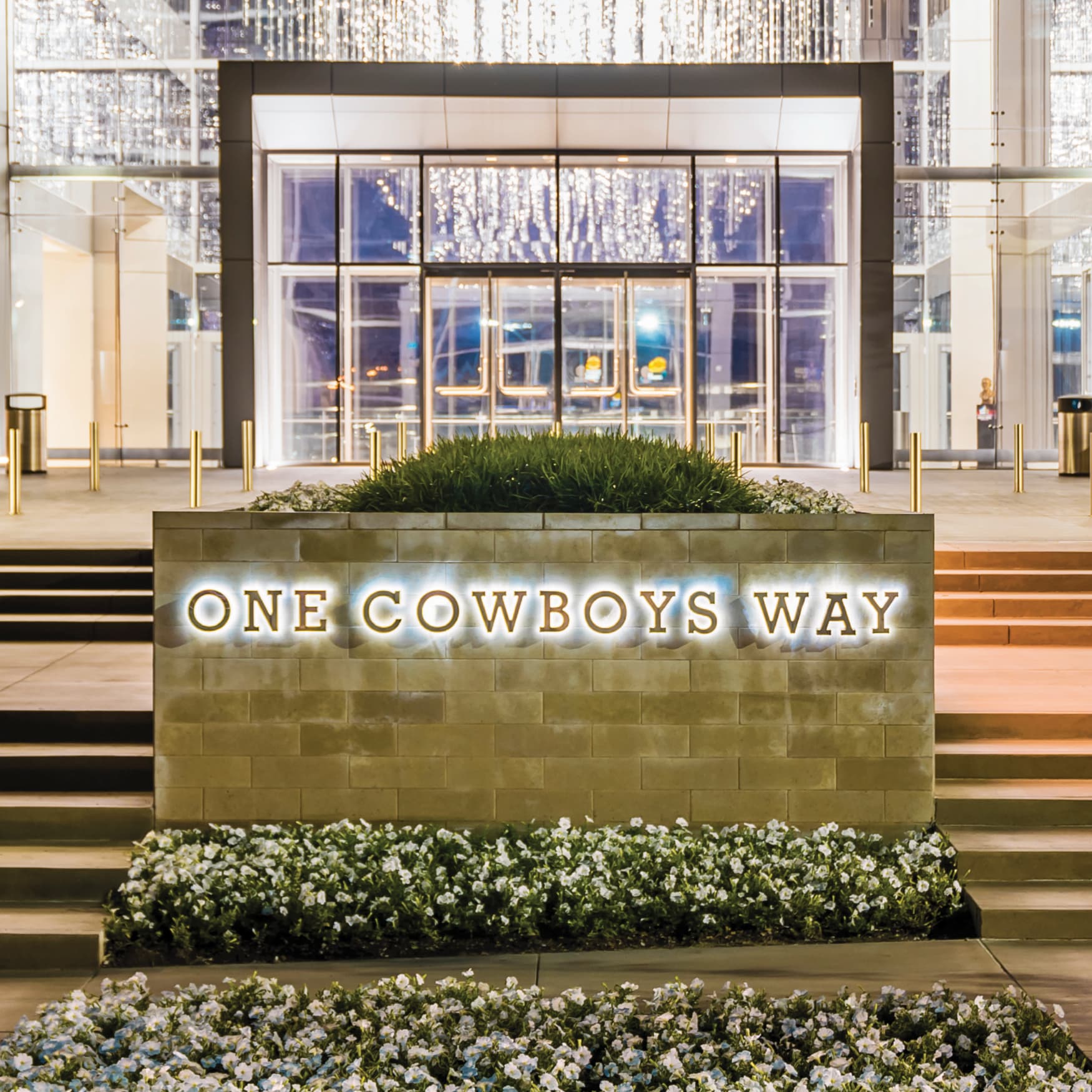
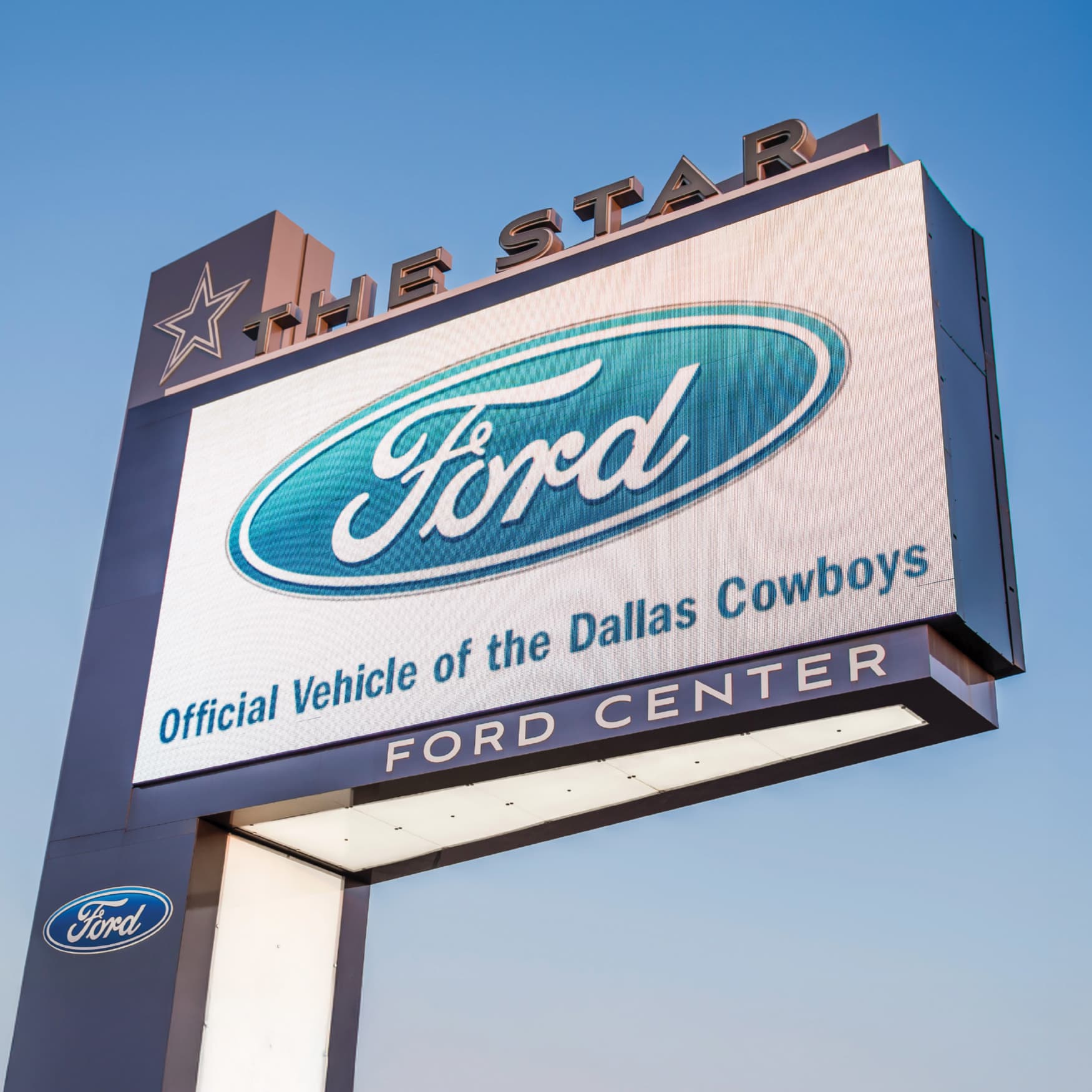
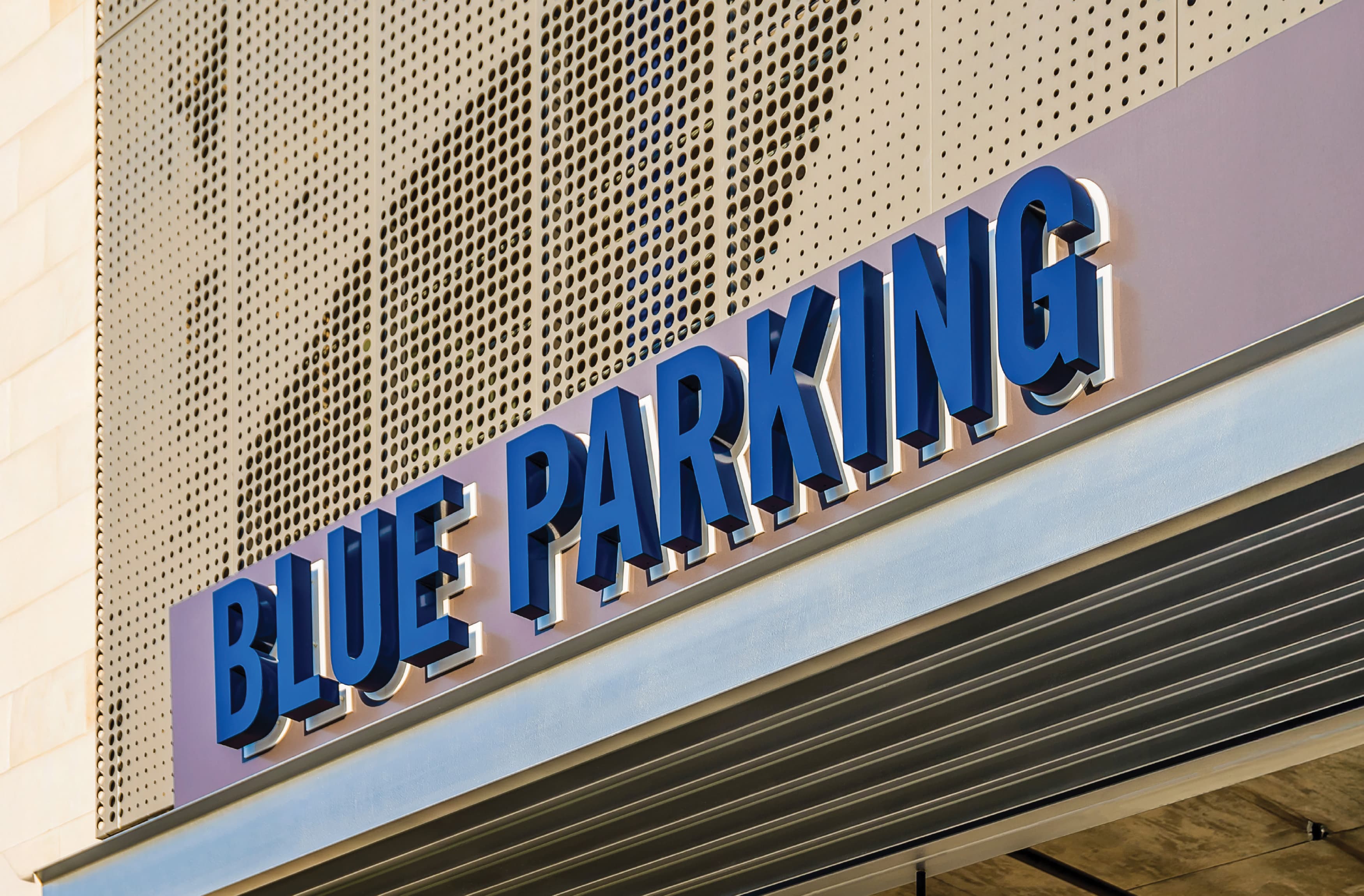
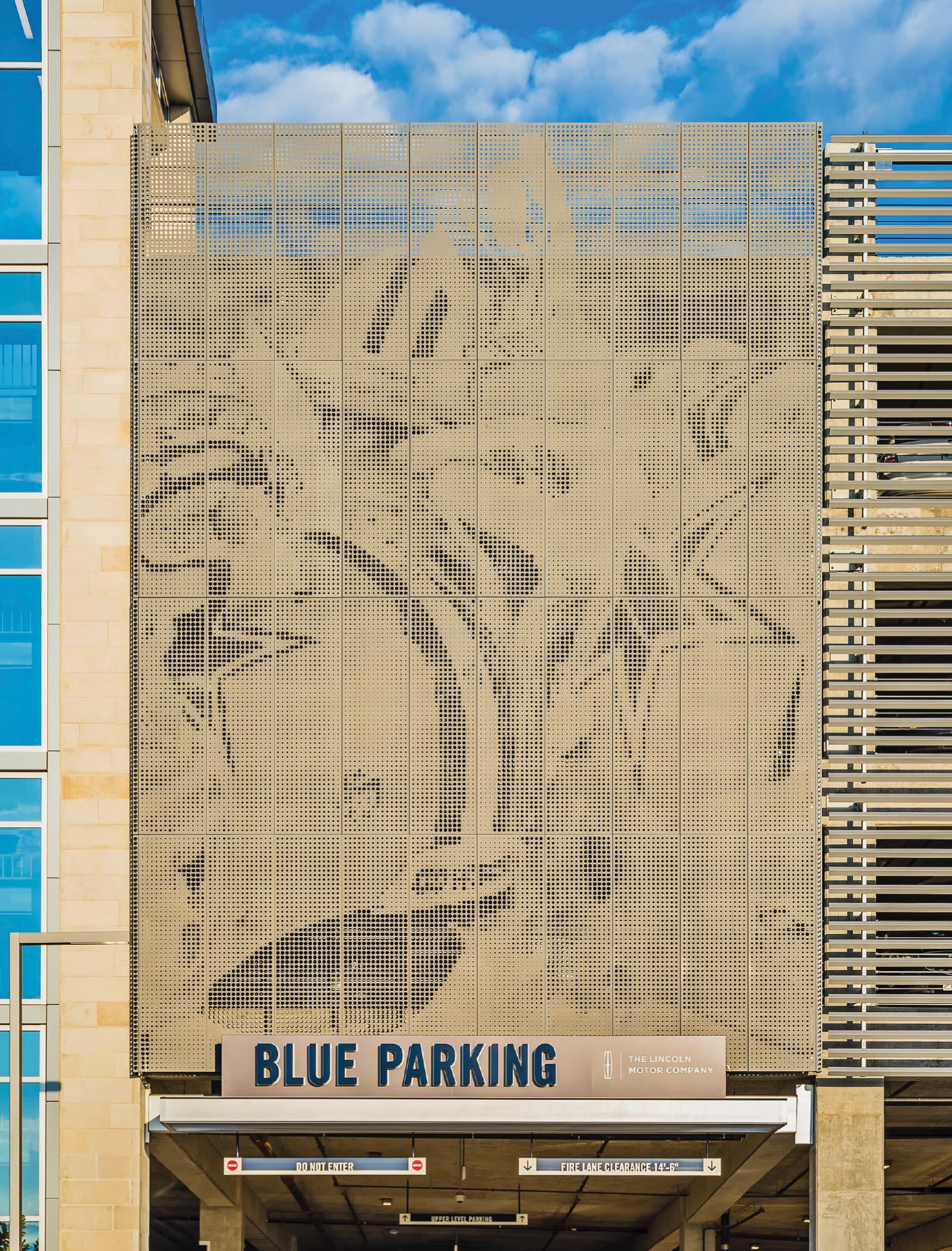
The Star: Home of the Dallas Cowboys, Client: Dallas Cowboys, Bluestar Land, L.P.
Wayfinding Woven Into Experience
More than just signage, RSM Design views wayfinding as a set of experiences working together to assist the user in orienting themselves and navigating to a specific destination. Wayfinding and signage are essential to guest clarity and confidence. These systems are more than functional tools, they are core components of the guest experience and spatial orientation to provide the guest a seamless experience when they visit a complex site.
Effective wayfinding supports how guests naturally move, gather, and explore a space. Clear and intuitive signage enhances certainty and the overall emotional tone of a visit. When guests feel oriented, they feel welcomed. Thoughtful design reinforces brand identity and sense of place without distracting from the event itself.
Especially important within the built environment, wayfinding provides visual cues to help guide people to their destinations with confidence and comfort. In addition to signage, RSM Design’s wayfinding design services include architecture, interiors, landscape, art, lighting, and graphics. The result is a more elegant and effective solution that meets the unique needs of clients, the environment, and the users.
Extending the Stadium Experience into Dining & Entertainment at Hollywood Park
A state-of-the-art NFL stadium, home to the Los Angeles Rams and Chargers, and host to the 2022 Super Bowl, SoFi Stadium is adjacent to an entertainment district known as Hollywood Park. Attending a sports game at SoFi is an experience in and of itself, while the nearby retail and restaurant district creates the ideal location for a post-game celebration. This holistic mixed-use destination offers opportunities for fans to create memories inside and outside of the arena.
Spanning nearly 300 acres, a clear and cohesive wayfinding signage plan was critical in the destination’s curated experience. RSM Design crafted a wayfinding strategy that clearly guides guests from SoFi to restaurants, shopping, and other entertainment at Hollywood Park. Through placemaking graphics and identity signage, the overall goal was to bring excitement from the guest’s initial arrival to their entire journey around the district.
In preparation for the 2028 Los Angeles Olympics, the district anticipates expanding from approximately 70,000 capacity to over 100,000 for major events. Where are those people going to hang out pre- and post-events? Adjacent dining, retail, and entertainment spaces become inevitable extensions of the fan experience, where a holistic design approach helps shape the moments surrounding the Olympic Games.
See how RSM Design approaches wayfinding design ›
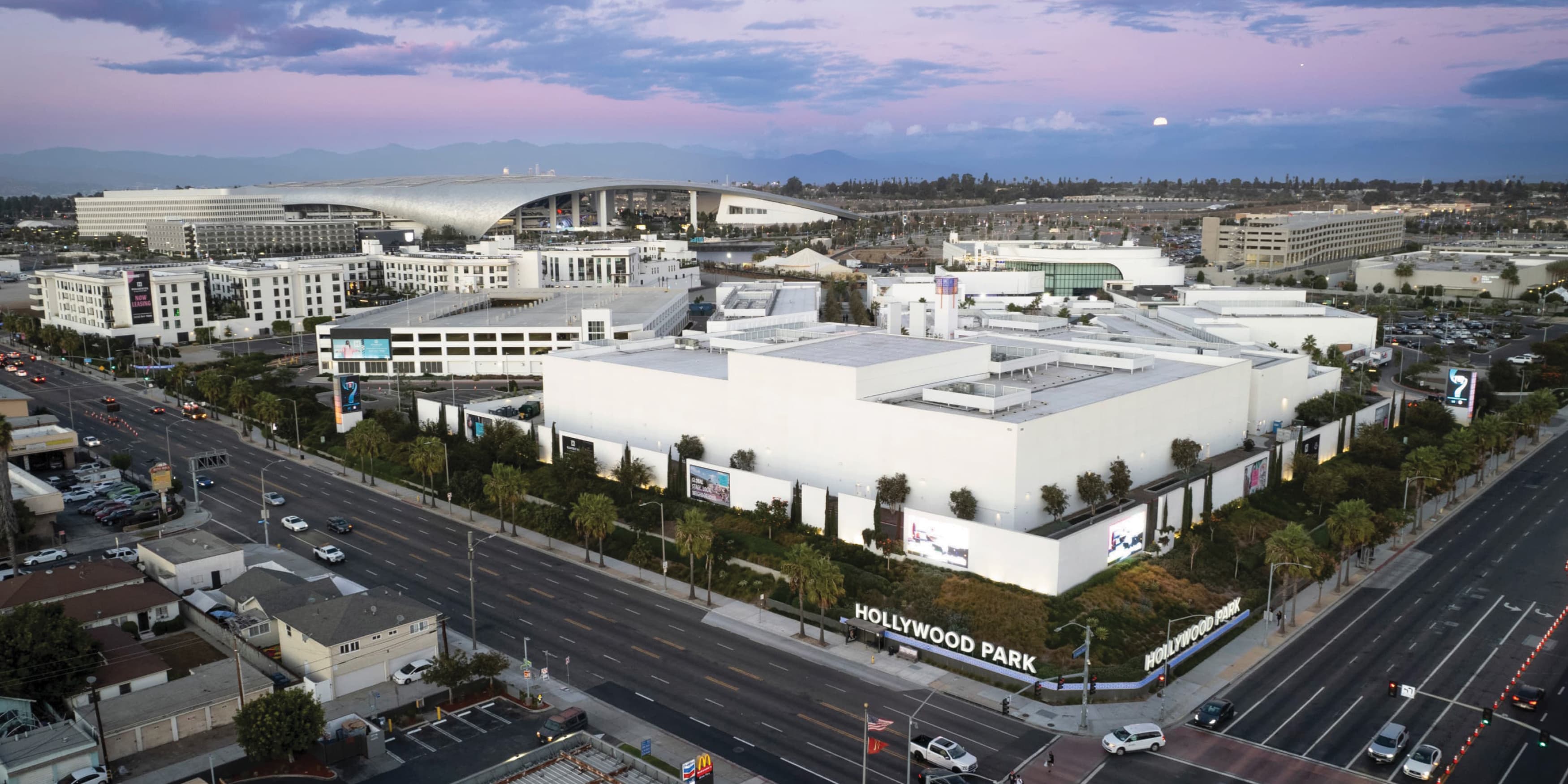
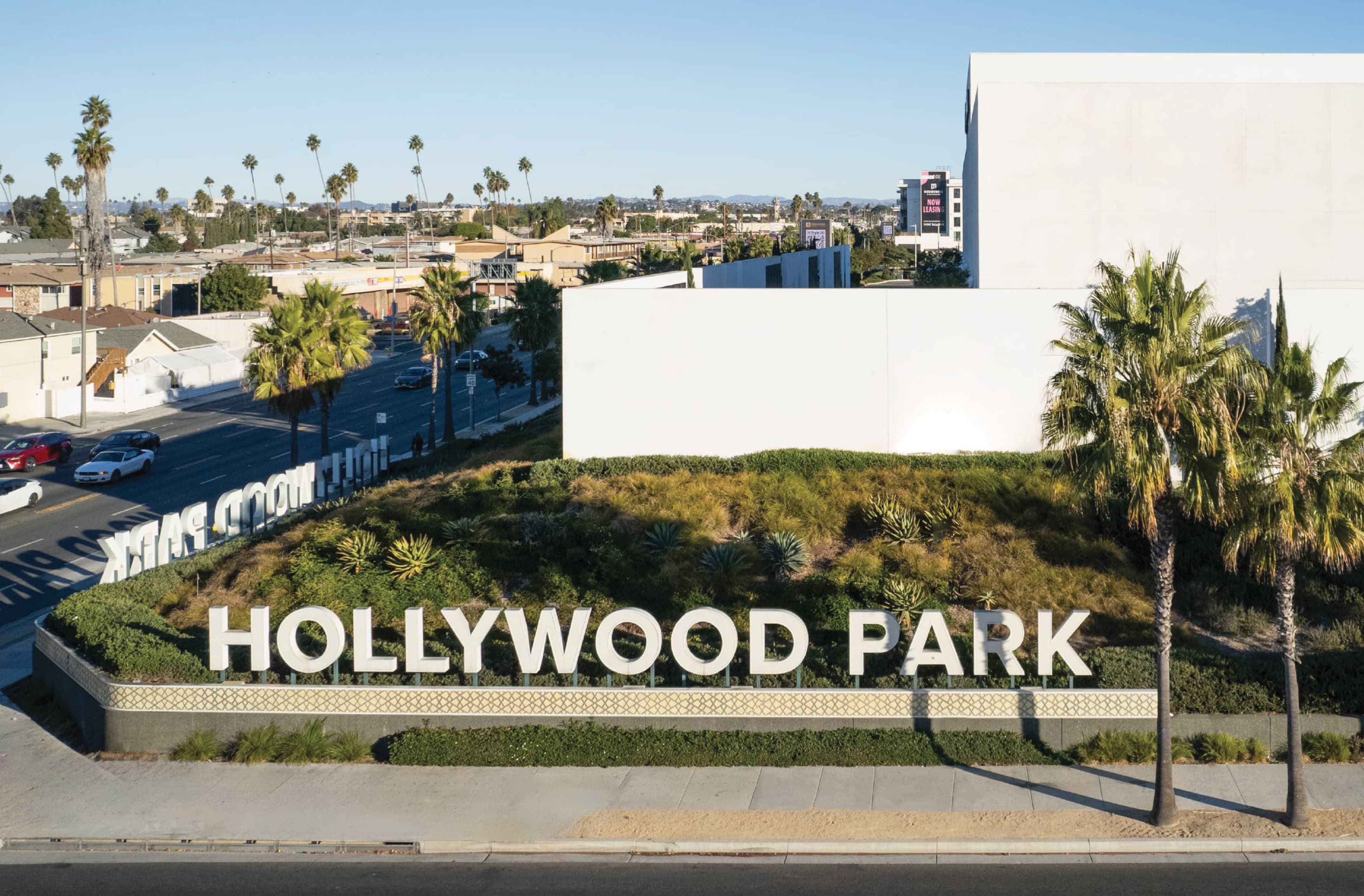
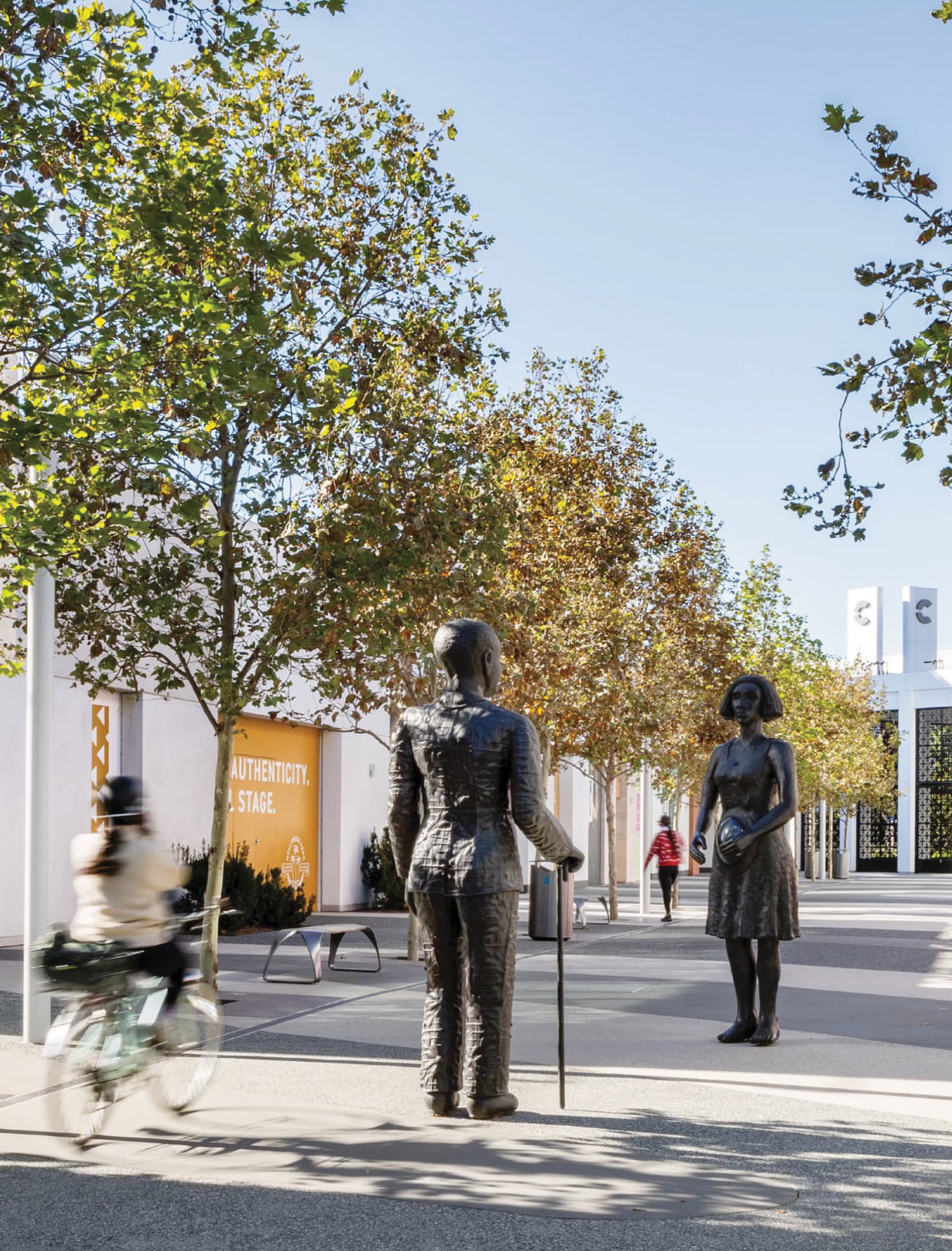
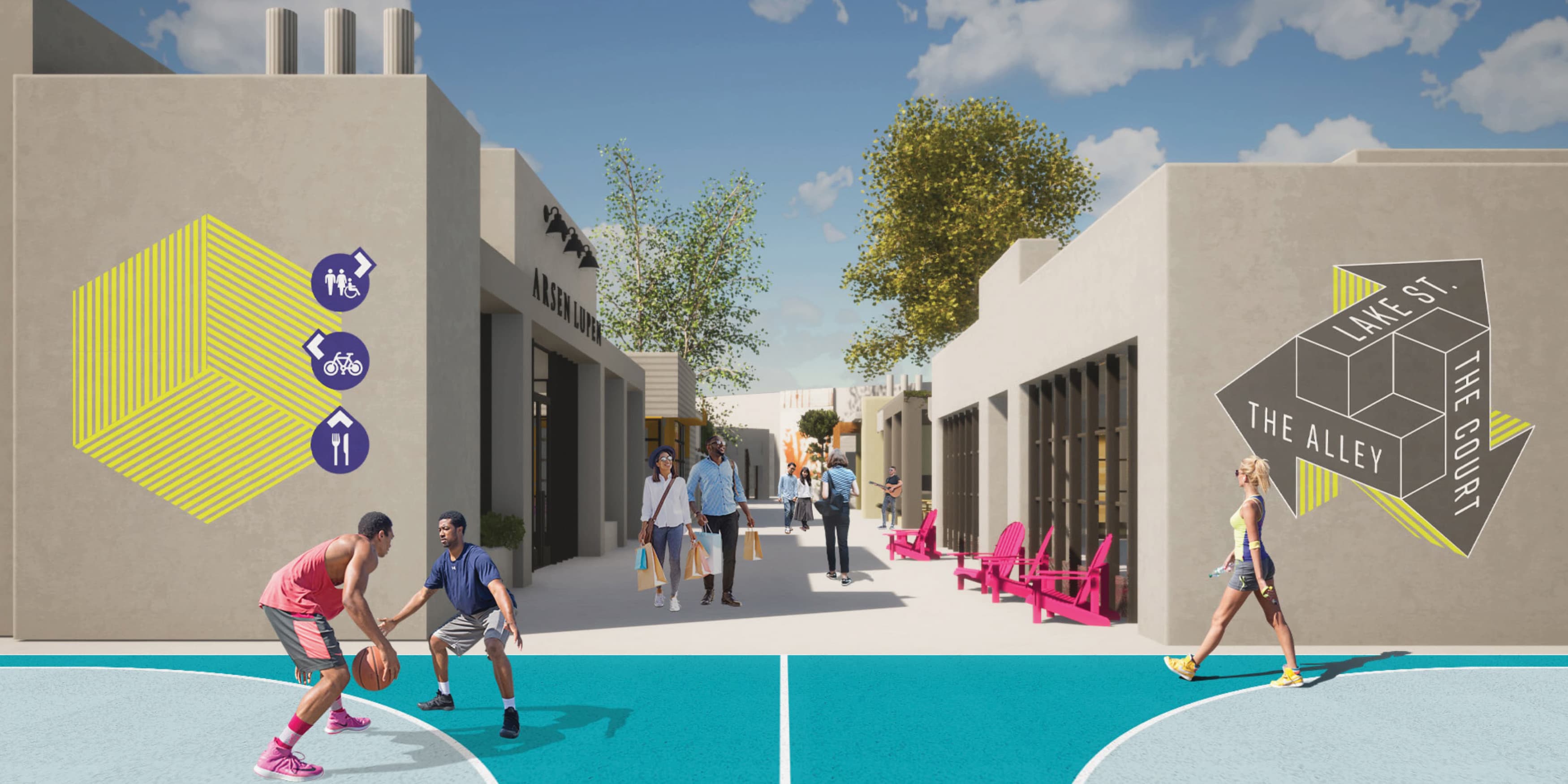
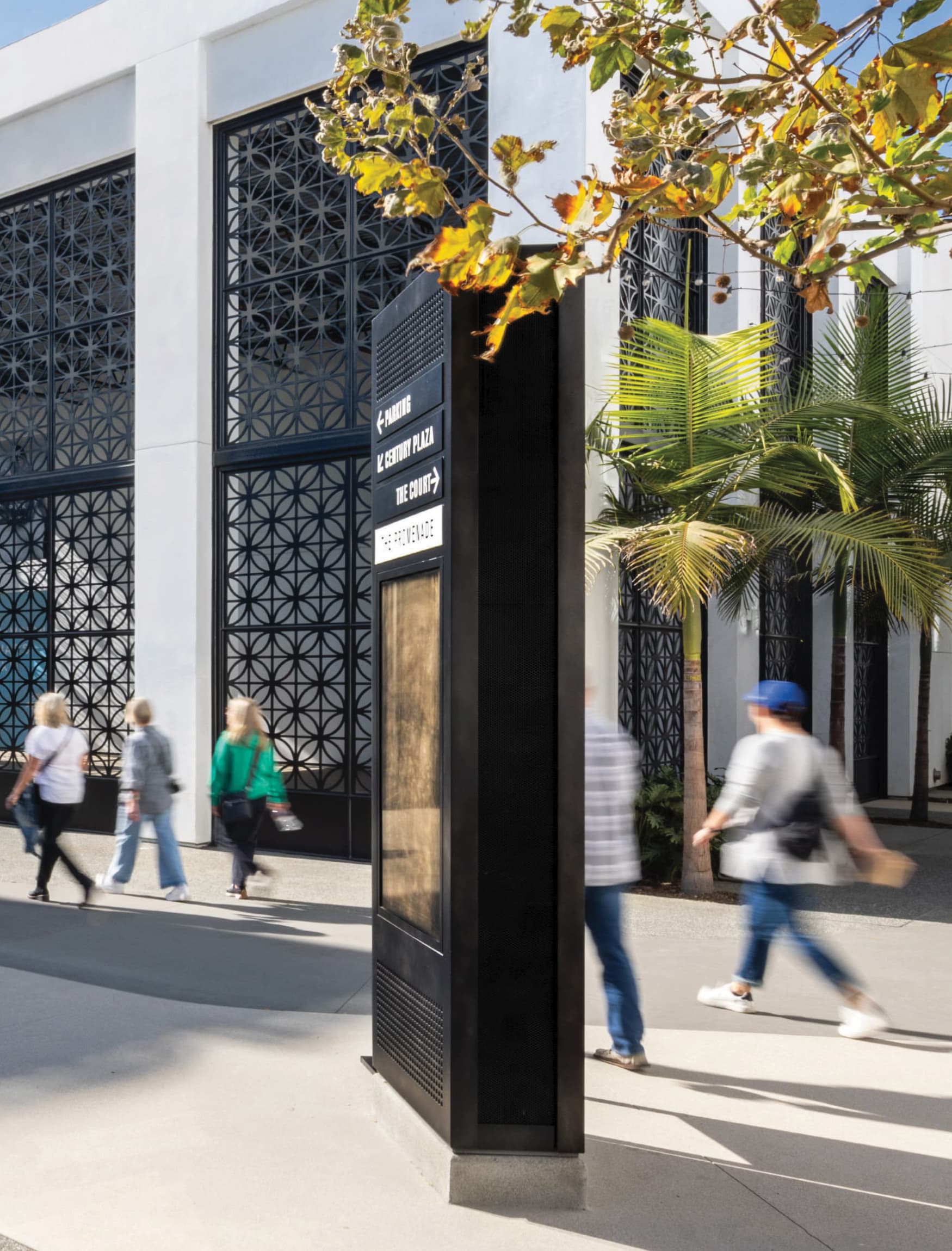
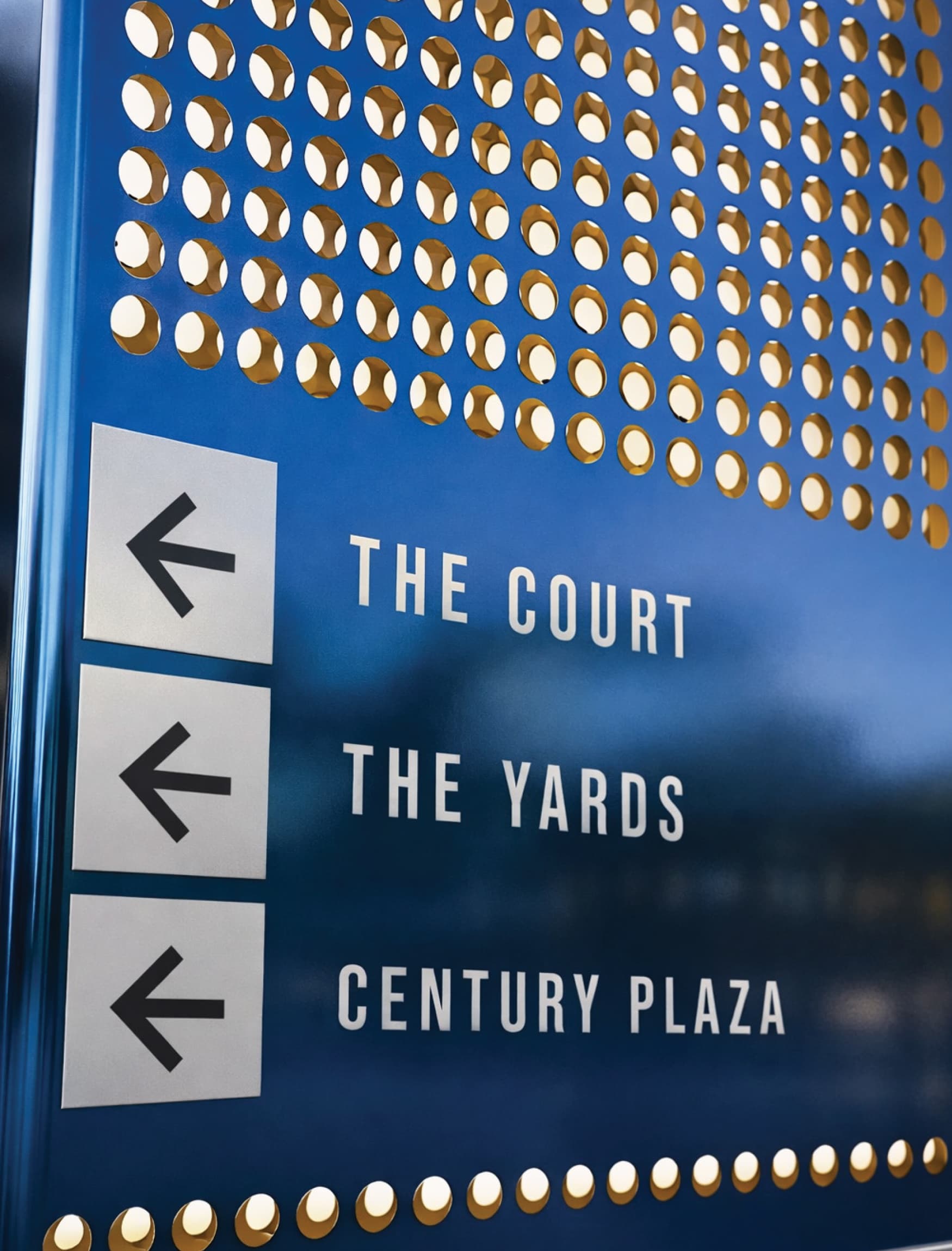
Hollywood Park, Client: Wilson Meany
Placemaking Touch Points That Turn Moments Into Meaning
Placemaking touchpoints are where brand and place come together through integrated graphics, environmental storytelling, interactive features, and immersive elements.
Creative expression has become a defining element of identity in sports and entertainment environments. The integration of public art, interactive installations, and community-led murals allows fans and visitors to engage with a destination in meaningful ways. Cultural programming such as concerts, festivals, and a variety of other experiences serves as both activation and brand equity, giving the place a distinctive character that resonates and grows stronger over time.
RSM Design creates placemaking moments that are unique to each project’s identity and location. These are not generic installations, they are experiences that reflect local culture, team spirit, and the emotional energy of the destination. Whether celebrating regional heritage, highlighting athletic culture, or reinforcing the spirit of competition and community, these moments strengthen the sense of place and encourage deeper emotional connection.
Through these initiatives, placemaking becomes more than design. It acts as an emotional connector, fostering belonging, sparking curiosity, and creating shared experiences that shape how people perceive and connect with the destination.
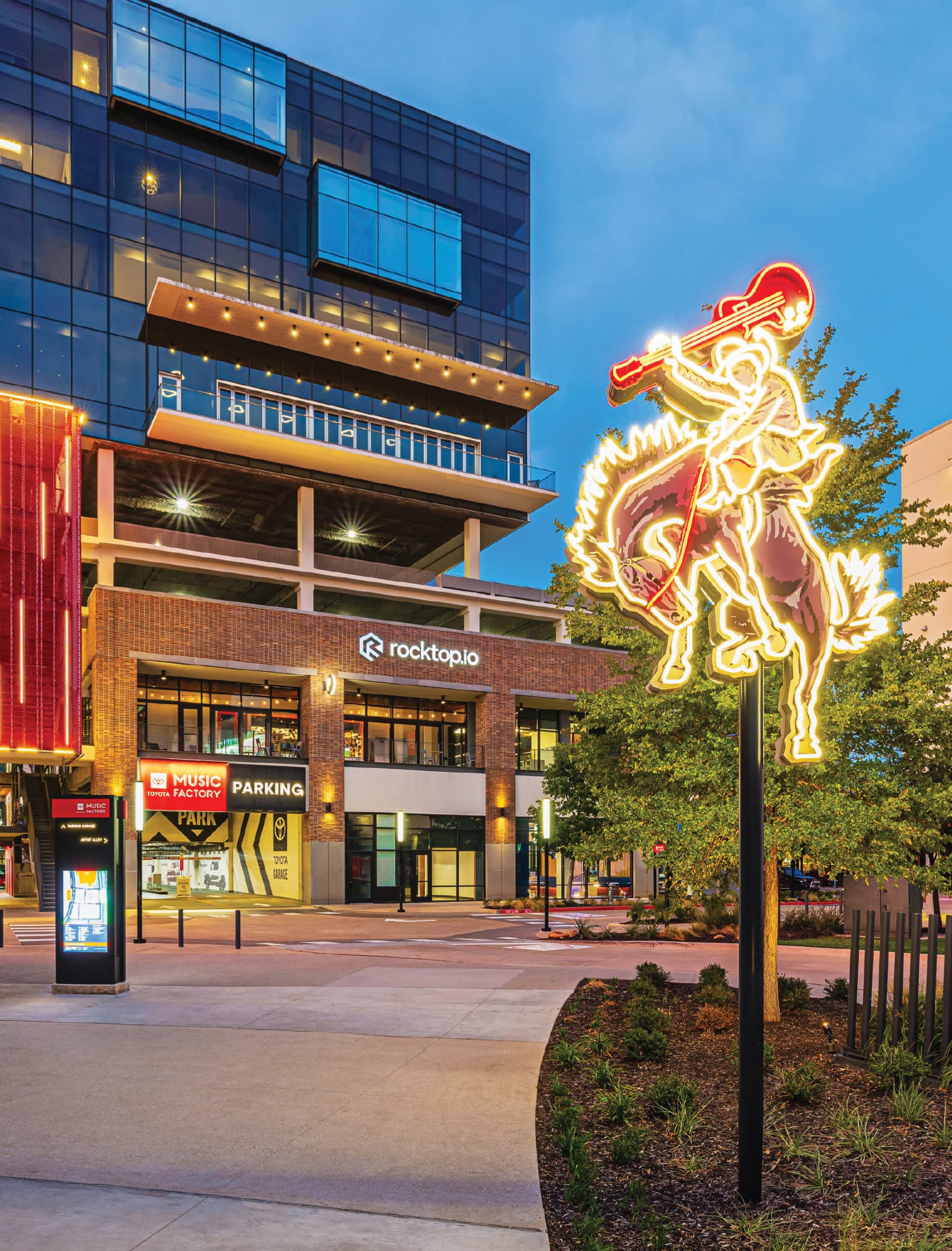
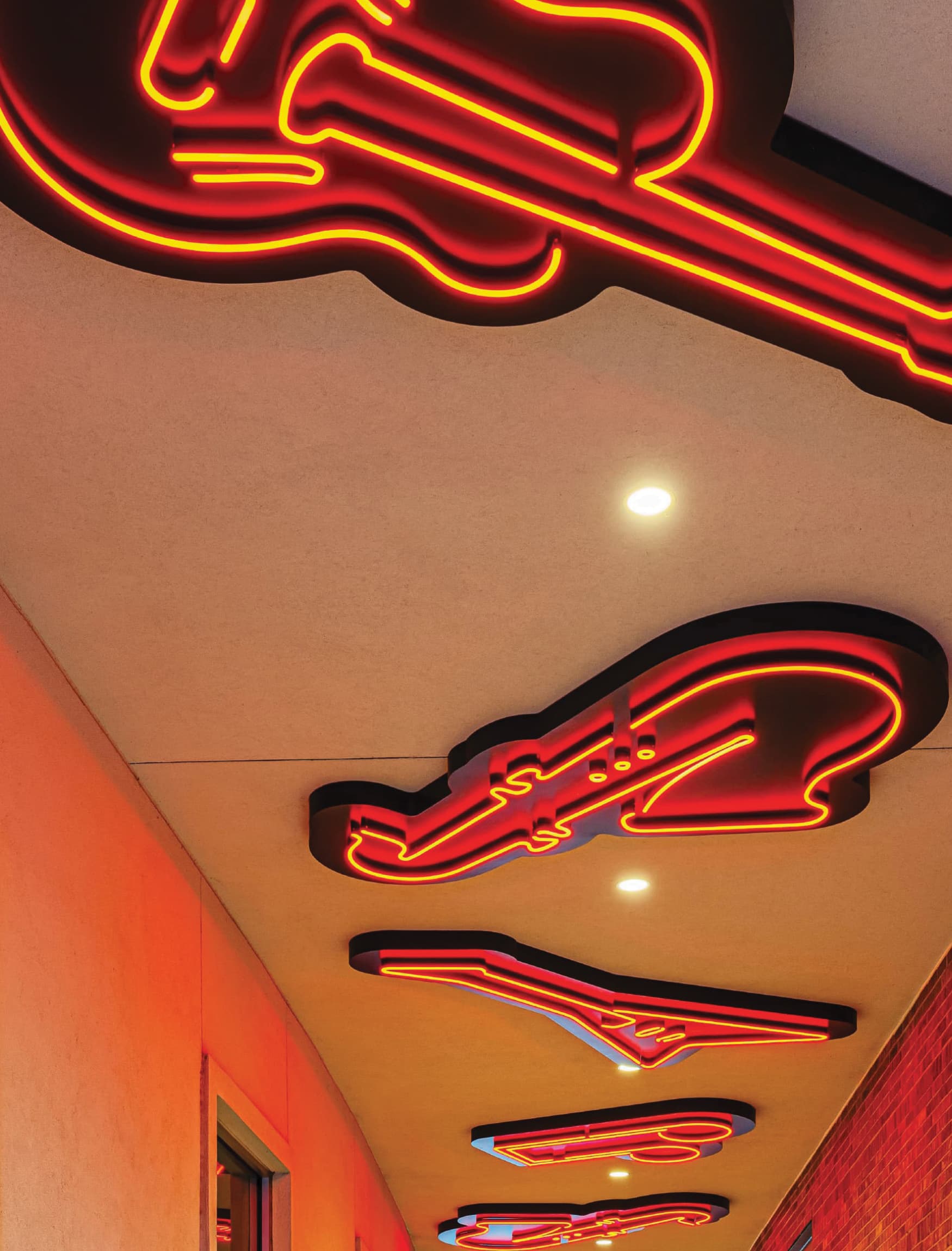
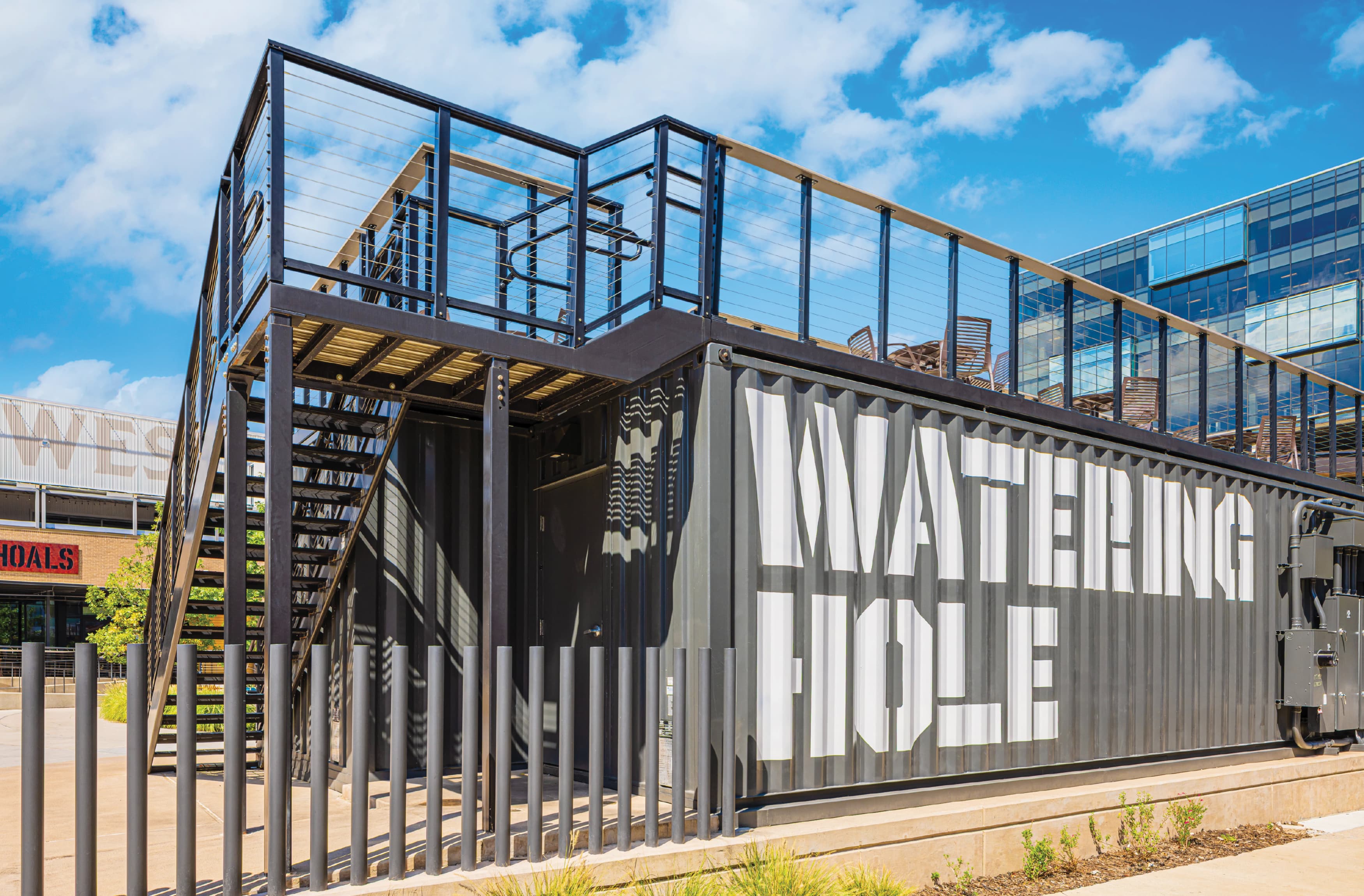
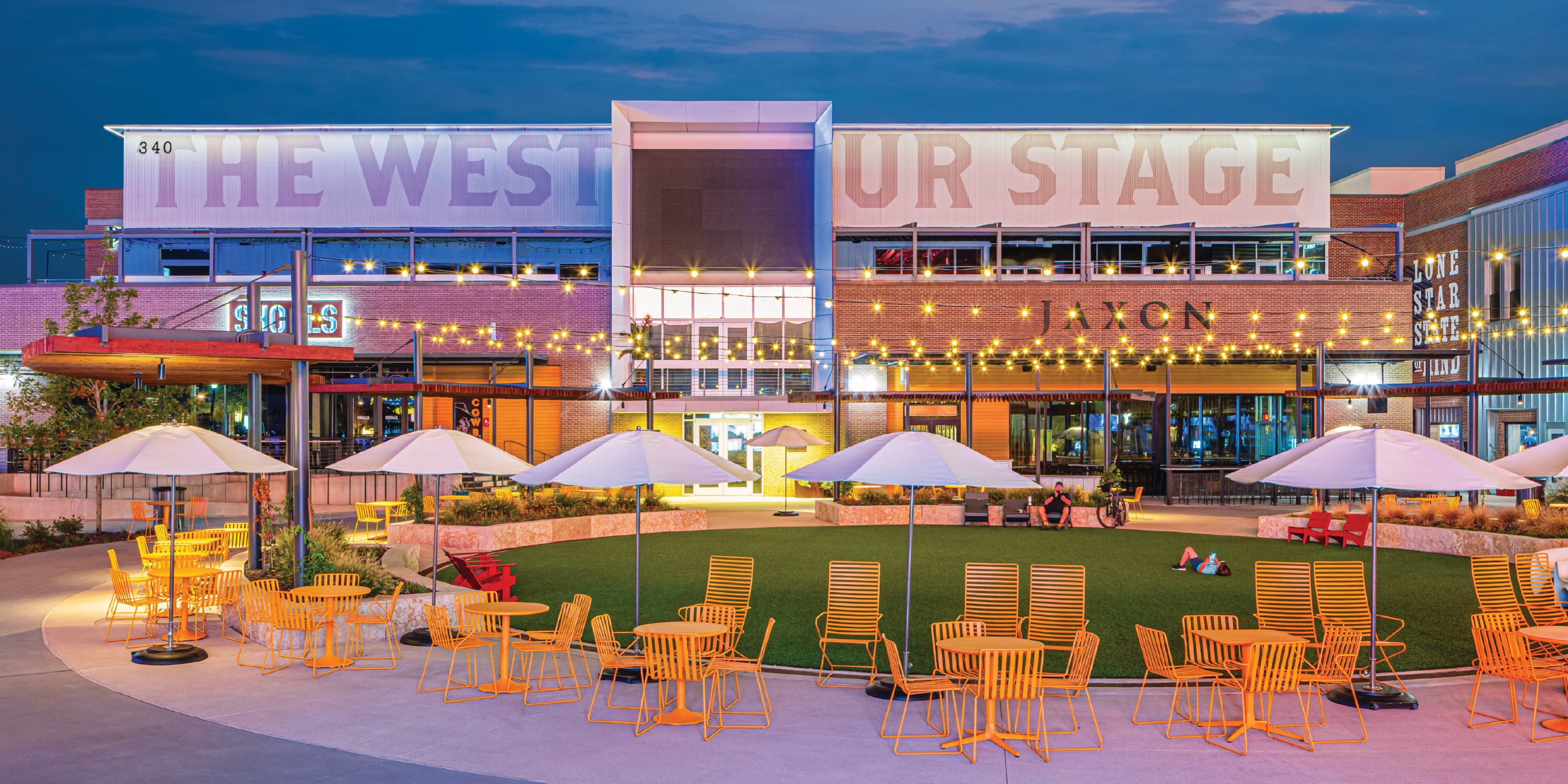
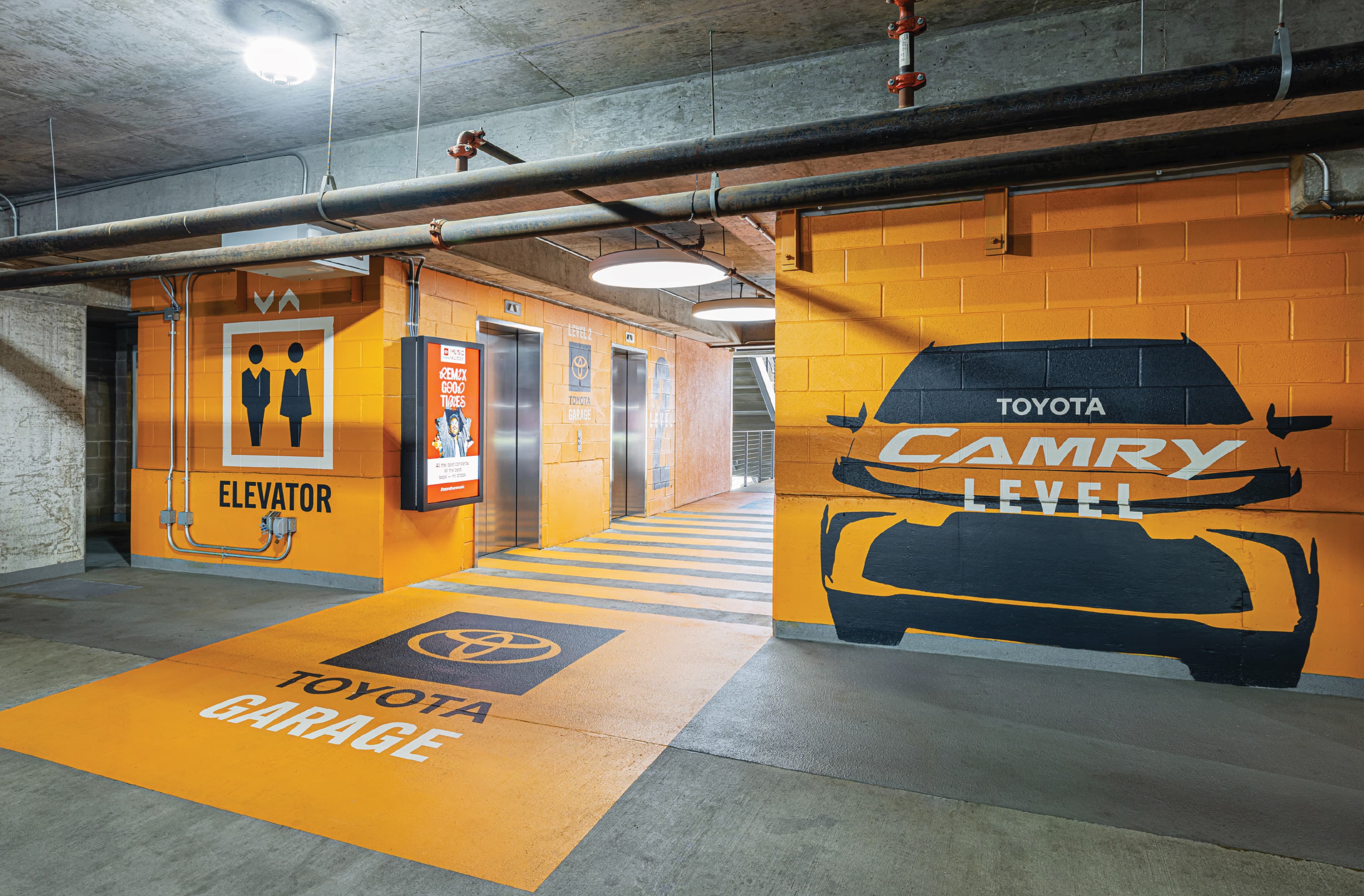
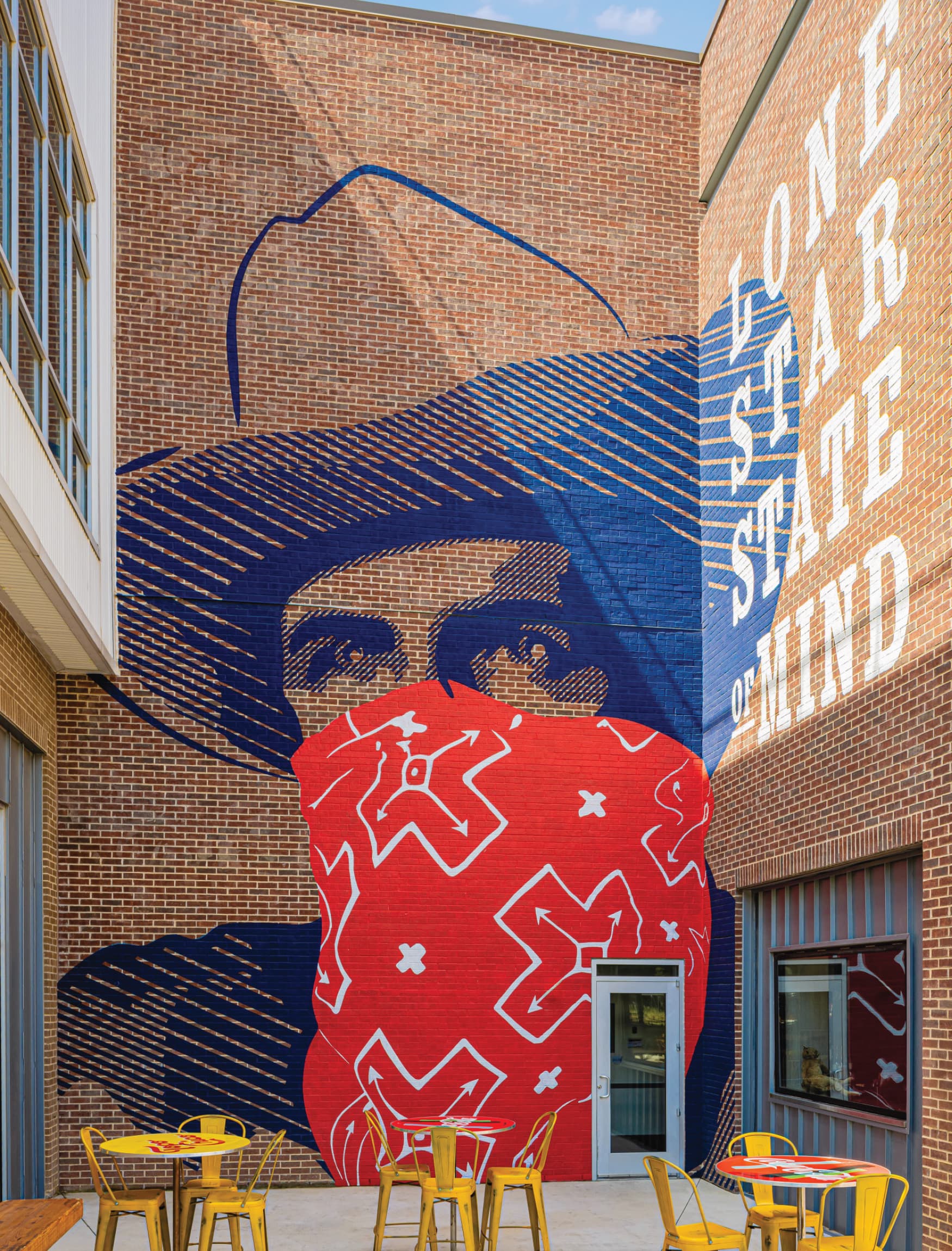
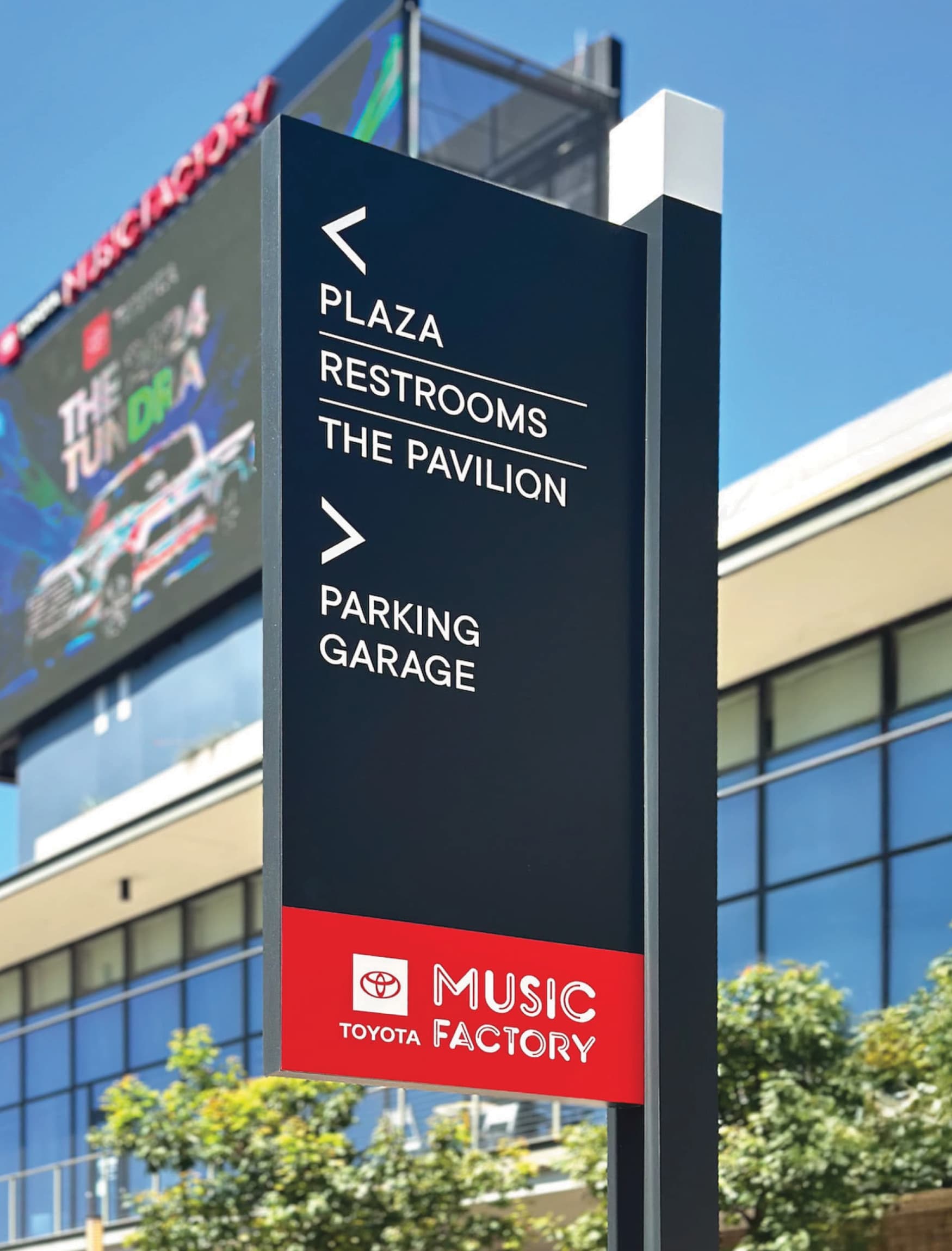
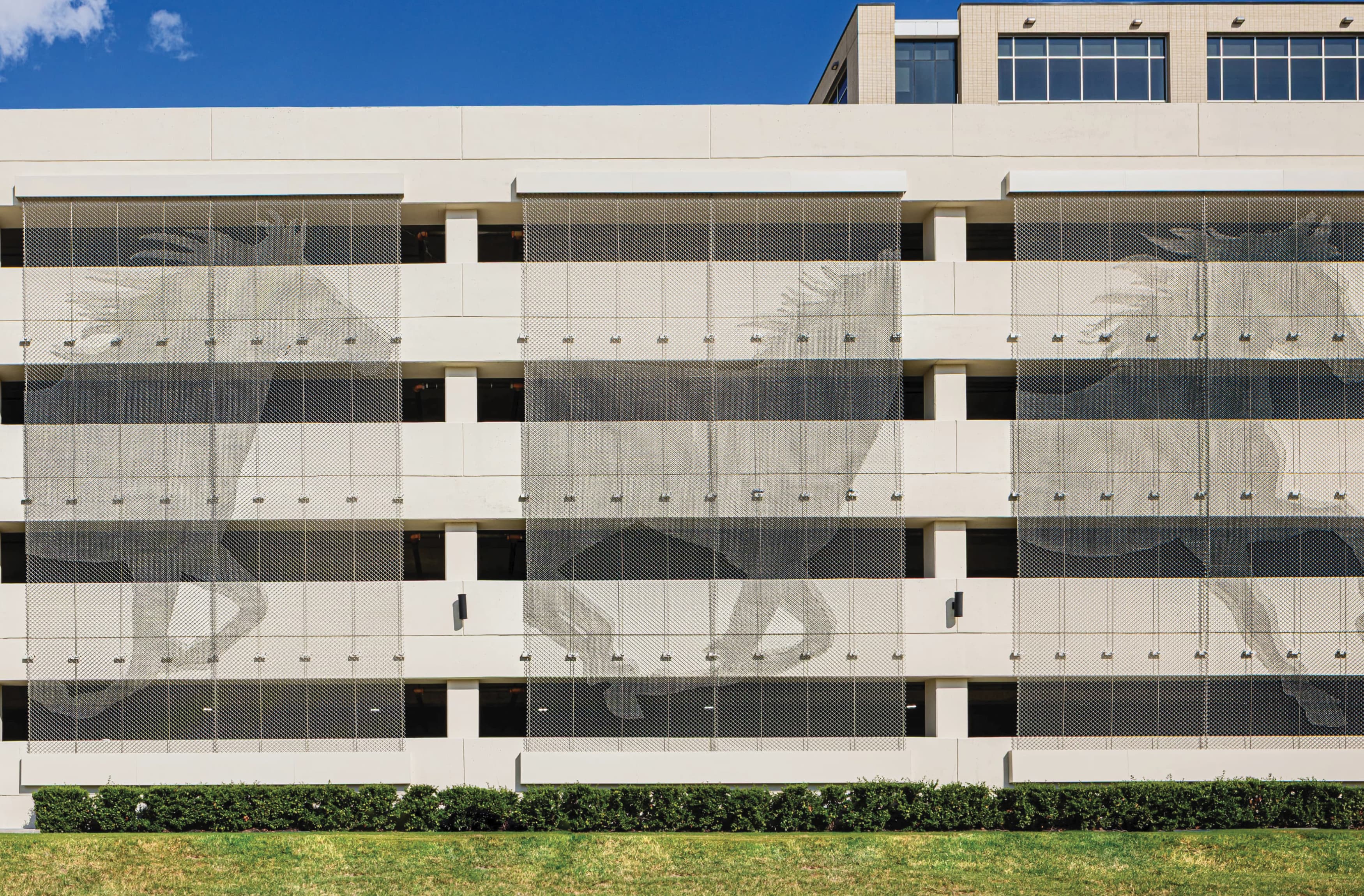
Brand Activation at Toyota Music Factory
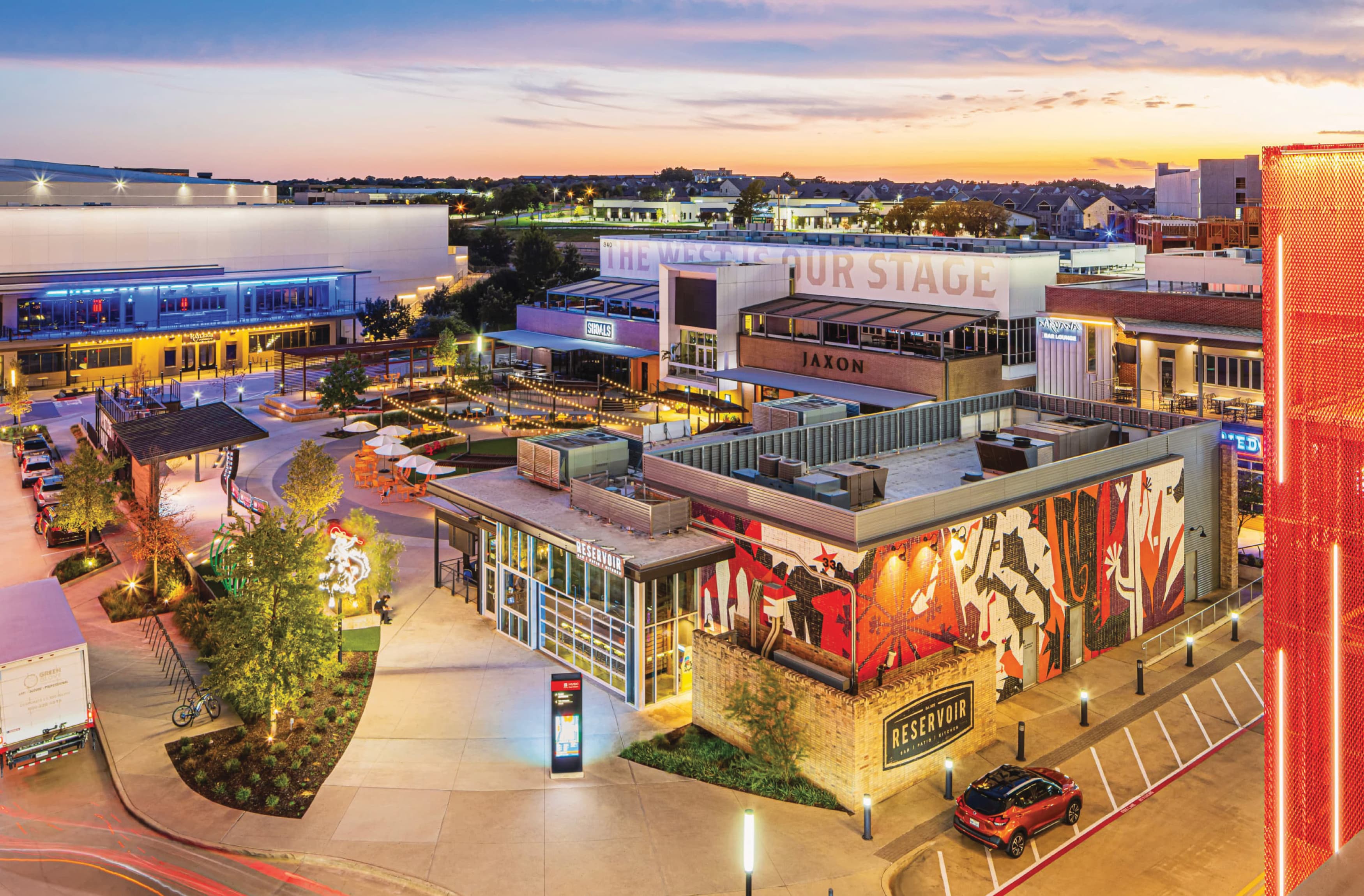
A lively entertainment destination in the heart of Irving, Texas, Toyota Music Factory stands as the epicenter of live music in the Dallas-Fort Worth metroplex. This mixed-use district celebrates the unifying power of music, bringing together people across generations, backgrounds, and cultures. With dining, craft cocktails, and a community-driven atmosphere, the district creates an environment where connection happens naturally—before the show, after the performance, and every moment in between.
Tasked with re-imagining the plaza space and developing a comprehensive environmental graphic design system, RSM Design studied the district’s unique heritage and music-driven identity. The design approach centered on creating a welcoming public space that feels intuitive and deeply tied to the spirit of the community. Through renewed placemaking, wayfinding, and architectural graphics, the team shaped a cohesive experience that channels the warmth of a fireside gathering—balancing comfort with character while supporting the venue’s energy.
In building this branded environment, RSM Design worked to activate the space through thoughtful touch points that strengthen emotional connections. A branded wayfinding system extends the Toyota identity across an entire family of signage, guiding visitors with clarity while reinforcing the destination’s character. Public murals transform ordinary structures into expressions of local culture, serving as memorable landmarks throughout the district. These elements allow audiences to feel a part of something meaningful while building brand recognition that resonates from the inside out. This connection for the sponsor through signage into the built environment creates a sense of place while aligning to the context and community.
Find out more about how RSM Design approaches mixed-use design ›
What's Next
Sports and entertainment destinations succeed when their identity is rooted in people and place. Authenticity, flexibility, and clarity continue to guide design decisions in building experiential environments that offer comfort, connection, and meaning to the fans and every day visitor to the venues and adjacent districts that surround them.
RSM Design continues to shape identities that reflect these values, creating destinations where design and community intersect. The future of sports and entertainment design belongs to places that feel grounded, expressive, and thoughtfully crafted for the fans who experience them on game day and every day in between.
Discover RSM Design’s approach to sports & entertainment environments ›