The Transformative Impact of Environmental Graphic Design
Posted December 17, 2025 · Education
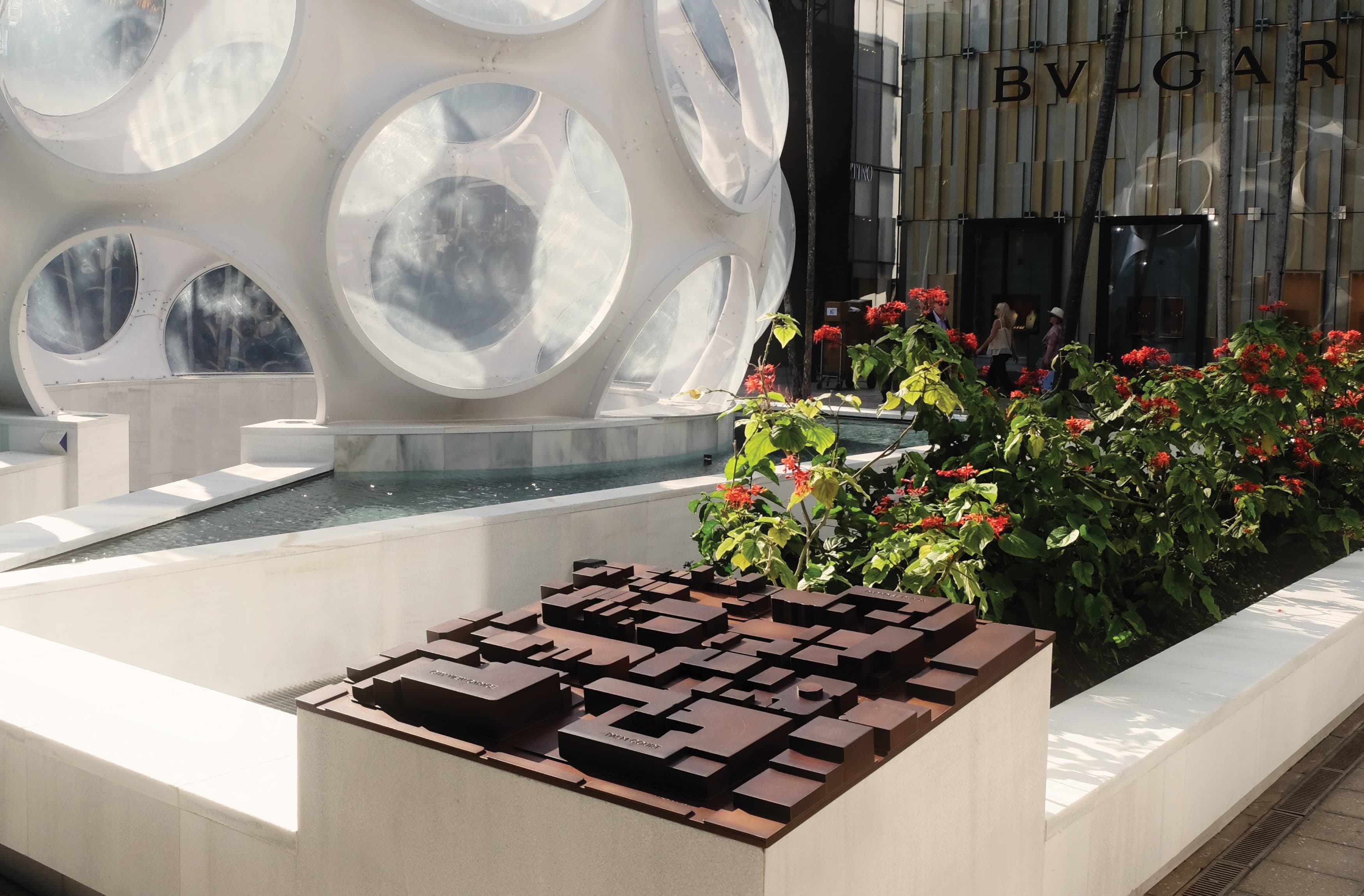
Beneath the many layers of brick, stucco, concrete, and wood, every space in our built environment pulses with a secondary, more intangible current of emotion and possibility. How we connect to these spaces depends not only upon our ability to navigate them physically, but also upon our ability to tap into this secondary current of meaning.
At the crossroads of design, architecture, and the human experience, environmental graphic design, or EGD, emerges as the vital layer that transforms material space into living narrative. More than signage and signaling, this discipline gives voice to place—orchestrating how we navigate, understand, and emotionally connect with the environments we inhabit.
This very breadth and versatility—the discipline's ability to shape experience through such diverse means—makes capturing an understanding of environmental graphic design both thrilling and also somewhat elusive. So what is environmental graphic design exactly, and how do environmental graphics shape the spaces we inhabit every day of our lives?
What is Environmental Graphic Design and How Does it Transform Place?
Environmental graphic design is a multidisciplinary field of design in which the disciplines of graphic design, architecture, art, lighting, and landscape are utilized as a way to enhance user experience through the visual translation and transfusion of ideas into the built environment.
Environmental graphic design manifests through an expansive repertoire of applications and techniques, each contributing to the transformation of space into vivid experience. These techniques take the shape of comprehensive wayfinding systems or creative signage that guides human movement, landmark features that anchor memory, and strategic deployments of graphic signaling that define place and evoke emotion.
Through strategic integration of typography, color, materials, and technology, EGD transforms the overwhelming into the navigable, the mundane into the memorable, and the functional into the extraordinary. This is environmental graphic design at its finest: the art of making places that do not just dictate information, but also speak, guide, and resonate with the communities they serve.
EXAMPLES OF ENVIRONMENTAL GRAPHIC DESIGN
In EGD-oriented projects, every surface has the potential to inform, delight, or inspire. Environmental typography emerges at pivotal touchpoints, while thoughtful multimedia elements can add tactile dimension to augment visual communication. Manifestations of environmental graphic design extend into architectural integrations that blur the boundaries between emotional and material realities, invoking placemaking components that activate public spaces and communal identity systems.
Additionally, branded environmental graphics immerse visitors in organizational culture, while super graphics command attention across vast surfaces. Art installations and murals inject soul into sterile corridors and wall graphics transform blank planes into storytelling canvases, bringing dynamic content to static environments. Donor recognition programs celebrate community investment, while countless other applications emerge from project to project.
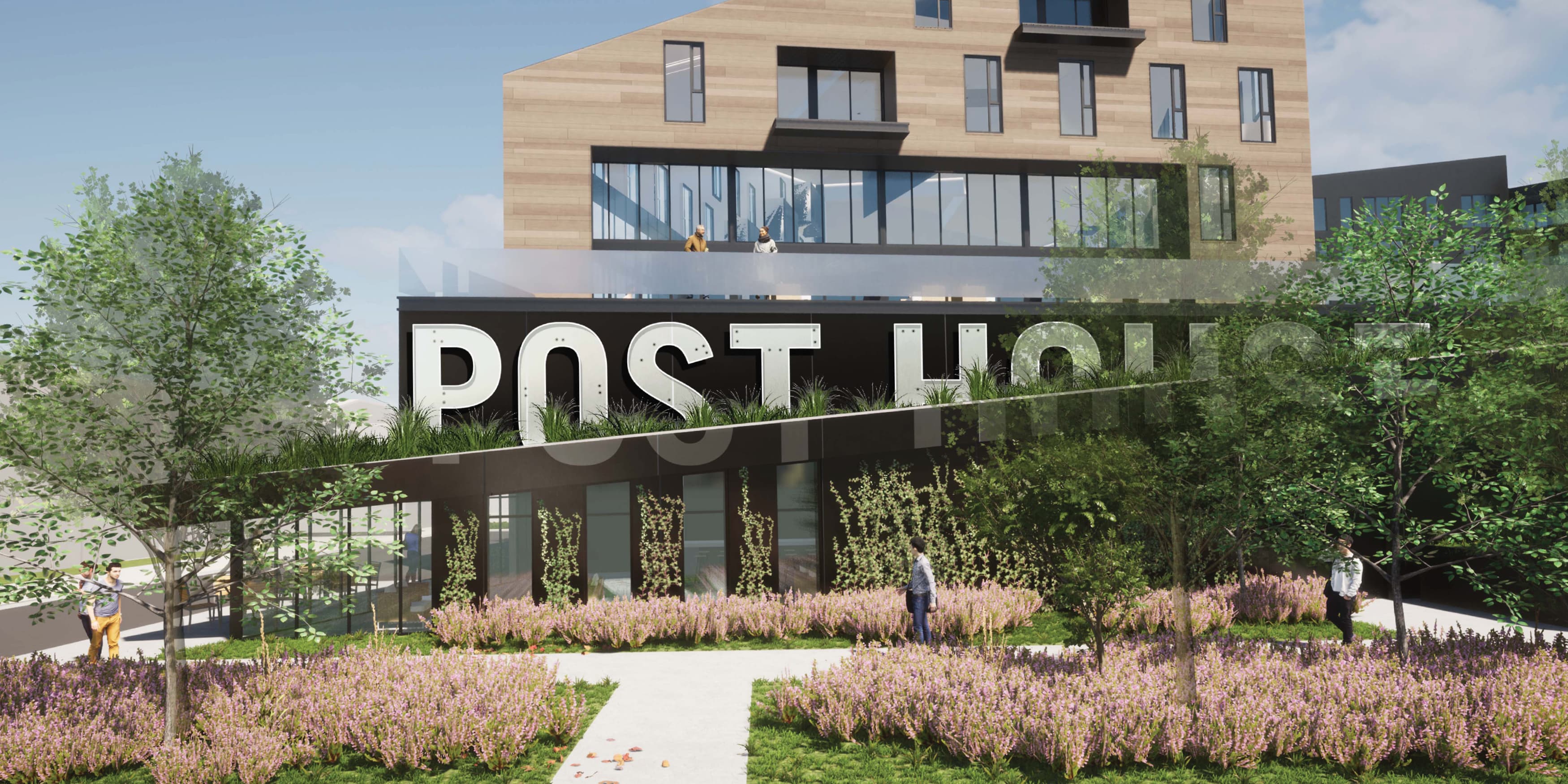
Post District, Client: Lowe Property Group
A BRIEF HISTORY OF ENVIRONMENTAL GRAPHIC DESIGN
In its early conception, the discipline of environmental graphic design was first known as “architectural signage.” Its scope was typically centered around the basic material tenants of identification and wayfinding. Common elements of early EGD projects included graphics depicting room identities, signs to direct traffic, and the application of logos, lettering, and numerals, amongst others.
During the 1970s and 80s, the practice of weaving graphics into a project underwent something of a transformation and became known instead as “environmental graphic design.” As the discipline matured, it became less of a “specialty practice” and much more integrated into the foundational scope of contemporary architecture.
Over the years, designers have discovered a variety of creative and synergistic ways in which the principles of environmental graphic design can be meaningfully expressed. Through multisensory experiences that resonate not just on a physical level but also mental, emotional, and spiritual ones, environmental graphic design has become a powerful tool for fostering meaningful connections between people and place.
At the time of EGD’s conception, the word “environmental” was most commonly synonymous as an indicator of “one’s immediate surroundings.” Today, of course, the word’s primary association has evolved within the lexicon of everyday life, thematically harkening more towards conservation, climate, and the natural world. Because of this dialectical shift, the EGD field began to experience greater issues in recognition and identity. Even as the acceptance and integration of environmental graphic design expanded, it became increasingly difficult to introduce the concept to those unfamiliar with it, as the idea of being “green” had usurped the original definition.
In 2018, the Society for Environmental Graphic Design (SEGD) decided a change was appropriate in order to overcome both the misunderstandings around the terminology as well as to more accurately describe the intrinsic transformation the discipline had experienced over time. The SEGD board of directors decided to swap “environmental graphic design” for “experiential graphic design” as a way to solve both challenges.
The field has grown in more than just name alone: what was once largely thought of as simply traditional signage and wayfinding has since evolved into an invocation of comprehensive experiences in the built environment. Although the consistency in the acronym may help the discipline regain its previous foothold in professional spheres, the scope of what EGD encompasses today truly surpasses and transcends its original inception.
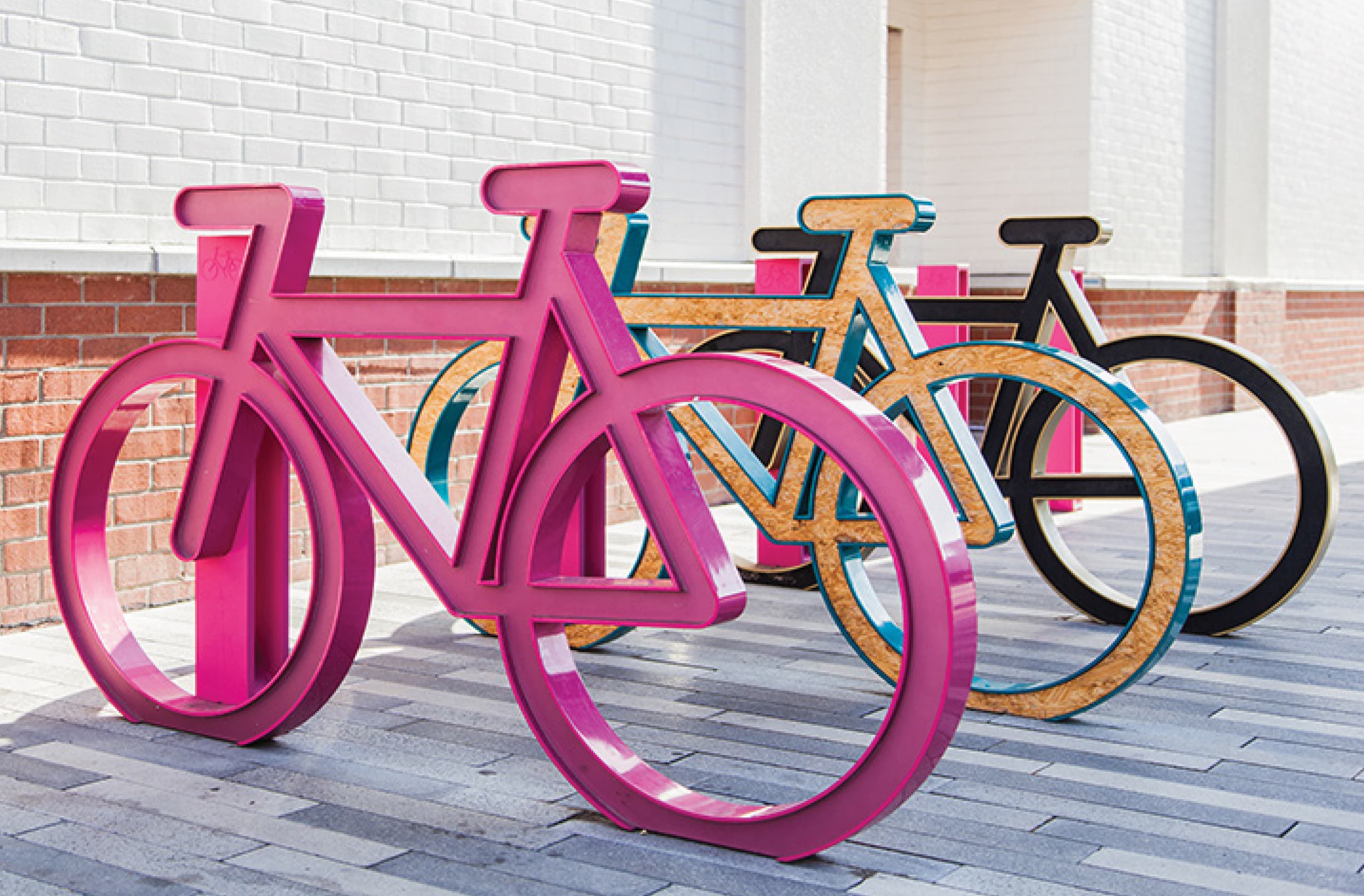
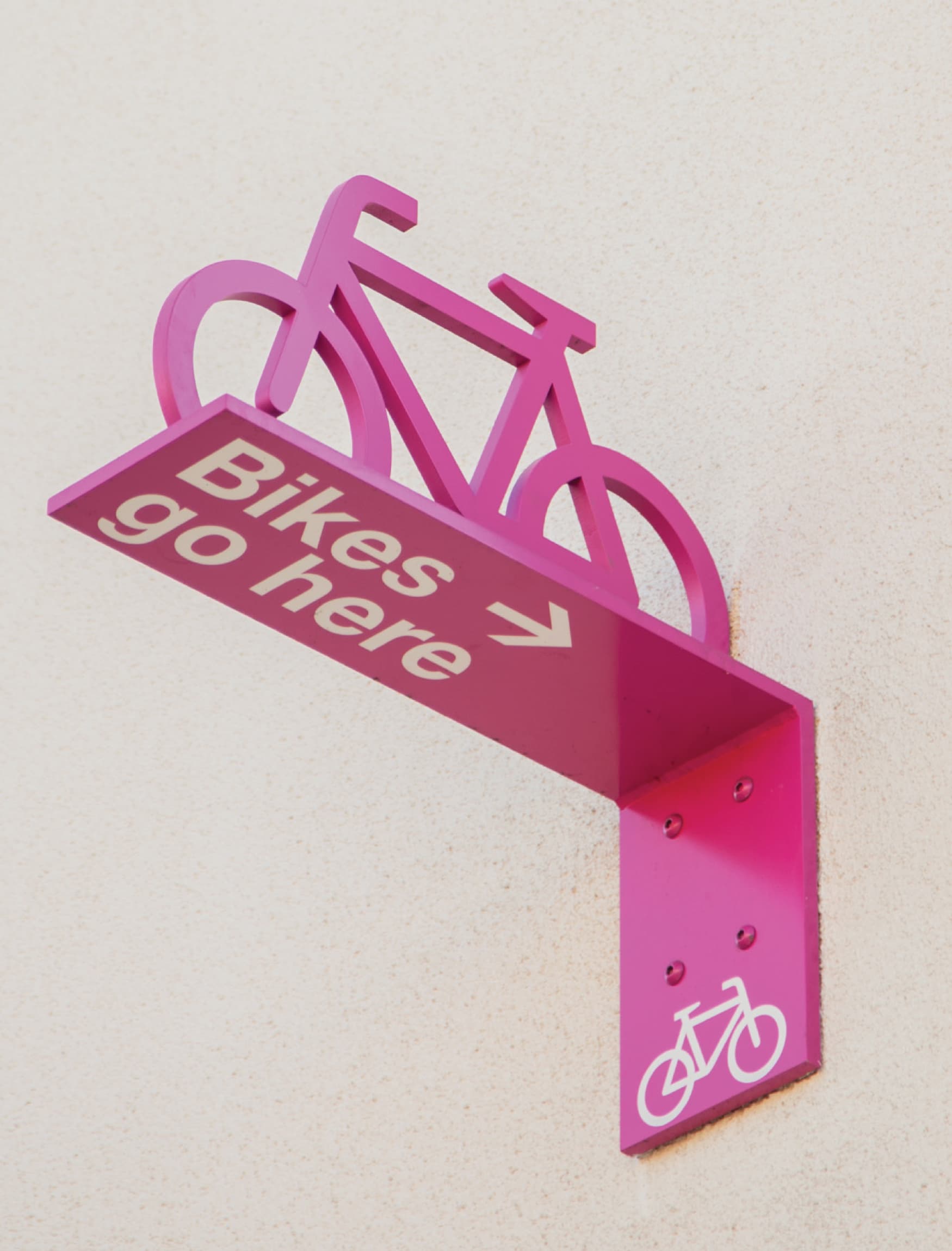
Monet Avenue at Victoria Gardens, Client: Forest City Realty Trust
THE DIFFERENCE BETWEEN EXPERIENTIAL AND ENVIRONMENTAL DESIGN
When addressing the question, “what is environmental graphic design,” one must also understand its entangled relationship to experiential design. Though these fields share both their core principles and their historical context, there are important divergences between experiential and environmental design.
Environmental graphic design focuses primarily on the built environment with the goal of communicating identity, direction, and information within physical spaces. This discipline encompasses wayfinding signage, placemaking graphics, architectural signage, interpretive exhibits, donor recognition, and branding materials. EGD integrates typography, color, imagery, and material into architectural spaces while prioritizing clarity and navigation to help people orient themselves in complex environments.
Experiential graphic design, or XGD, is the concept more prominently favored by the industry today, and could be considered a more modern iteration of environmental graphic design. XGD is deeply interdisciplinary, representing a multi-valence approach that combines graphic design, architecture, art, lighting, landscape, and interior design to produce spatial experiences that are immersive, interactive, and meaningful. Notably, experiential design expands beyond EGD's scope by focusing more broadly on the user's journey and sensory experience.
While XGD includes all aforementioned elements of EGD, it additionally incorporates interactive installations, digital and media integration, environmental storytelling, and sometimes augmented or virtual reality overlays, sometimes invoking the strategic use of sound, light, and even scent cues. XGD takes a broader, more holistic approach that emphasizes how people feel, engage with, and remember a place. By blending environmental, digital, and emotional touchpoints, this type of design prioritizes storytelling as much as spatial design, creating experiences that resonate across the physical and emotional plane.
WHY ENVIRONMENTAL GRAPHIC DESIGN MATTERS
Environmental graphic design fundamentally shapes how we experience and navigate the built world, mediating billions of daily interactions between people and place. In an increasingly complex urban landscape, the need for intuitive navigation and clear communication has never been more critical.
Beyond pure functionality, environmental graphics forge the emotional connections that transform anonymous structures into beloved landmarks, democratizing space by ensuring accessibility across diverse abilities, languages, and cultural backgrounds, making public environments more communally-minded than ever before.
Perhaps most importantly, at a time when digital interfaces consistently dominate our attention, EGD works to reaffirm the importance of physical space. These graphics possess the power to create tangible experiences that foster community, celebrate local identity, and remind us that the spaces we inhabit profoundly influence how we feel, behave, and connect with one another. Without environmental graphic design, our built environments would be mazes without meaning—functional perhaps, but devoid of the visual language that transforms infrastructure into experience.
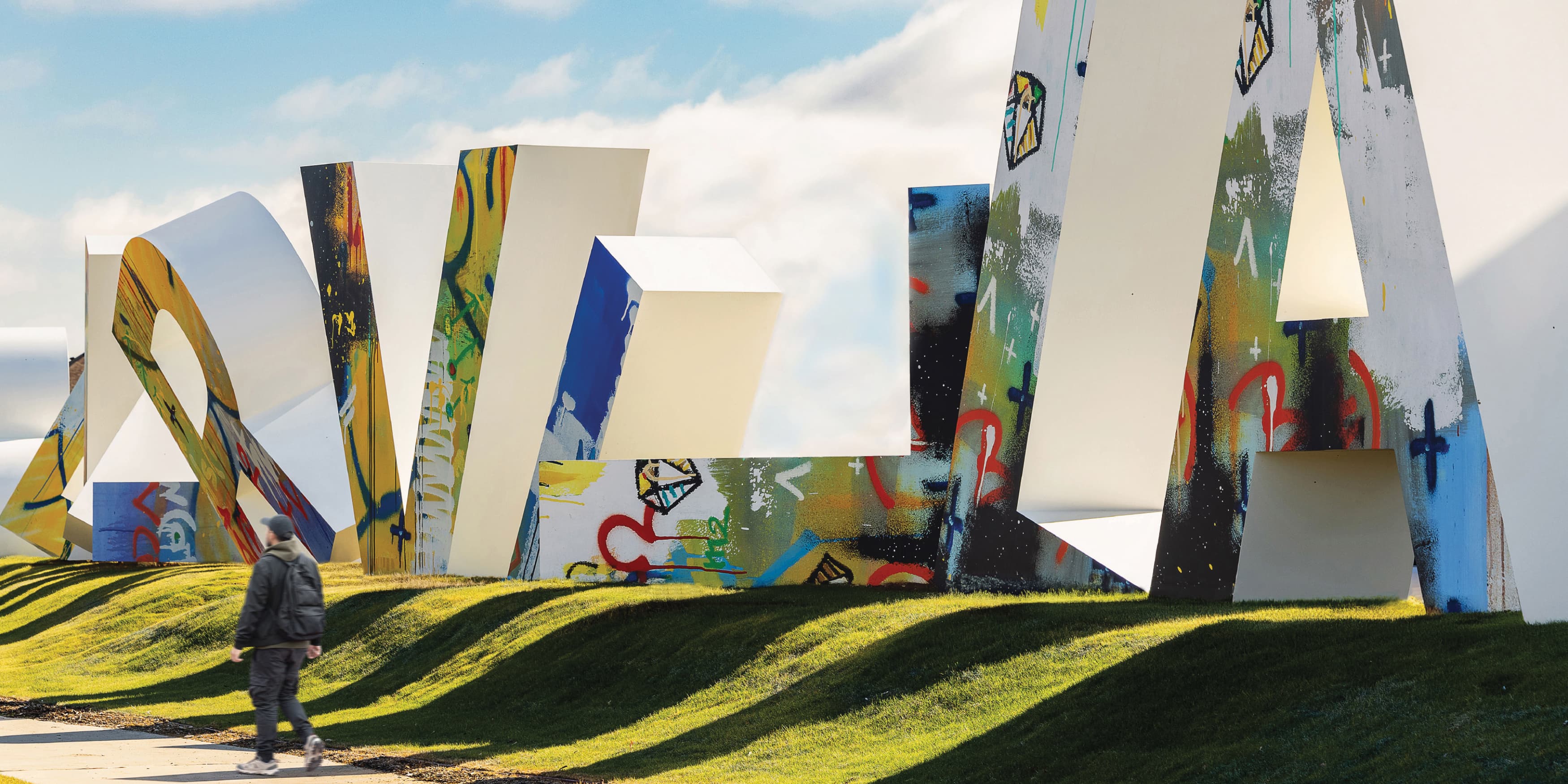
Bel Air Village, Client: American Communities
The Three Pillars of Experience in EGD
At RSM Design, we have coined three unique criteria that we prioritize when developing EGD initiatives: Certainty, Variety, and Delight. When considered alongside Maslow’s pyramid of human need, these three fundamental concepts help provide a lens through which to evaluate the success of proposed EGD solutions in the built environment.
CERTAINTY: THE FOUNDATION OF NAVIGATION
Since the earliest human civilizations formed, maps, arrows, symbols, and identification systems have formed the backbone of anthropocentric environmental understanding. These seemingly simple elements work to decode even the most complex spaces into intuitive experiences.
Whether orienting first-time visitors in a mixed-use development or guiding patients through healthcare facilities, the Certainty these elements engender can transform overwhelming environments into navigable and scalable experiences. RSM Design approaches this foundation not just as mere signage, but as a comprehensive system of visual communication that anticipates users’ needs and desires before they arise.
VARIETY: THE RHYTHM OF DISCOVERY
Scale, color, pattern, and form work in concert to break monolithic environments into moments of intimacy and potency. Variety in environmental graphic design is not synonymous with mere aesthetic decoration—it is strategic differentiation that aids cognitive mapping while maintaining visual cohesion and brand identity.
On a university campus, Variety might manifest as distinct color palettes for different colleges while maintaining institutional identity. In mixed-use developments, subtle shifts in materiality and graphics delineate retail from residential or public from private, all while preserving the project’s unified DNA. These variations are crafted to create chapters in a larger story, each unique yet unmistakably part of the whole.
DELIGHT: THE HEART OF PLACE
Sculpture and art, whimsy, and surprise elevate functional environments into destinations worth remembering. These landmark moments—a vibrant mural celebrating local culture, an interactive installation that responds to movement, unexpected typography that makes you smile—create the emotional connections that transform spaces into places.
In EGD, Delight is not an afterthought but rather the strategic distribution of joy that turns routine journeys into experiences people share and return to time and time again. Delight is integrated into these environmental elements as an intuitive wayfinding tool that works on a subconscious level, making navigation feel effortless and engaging for any individual.
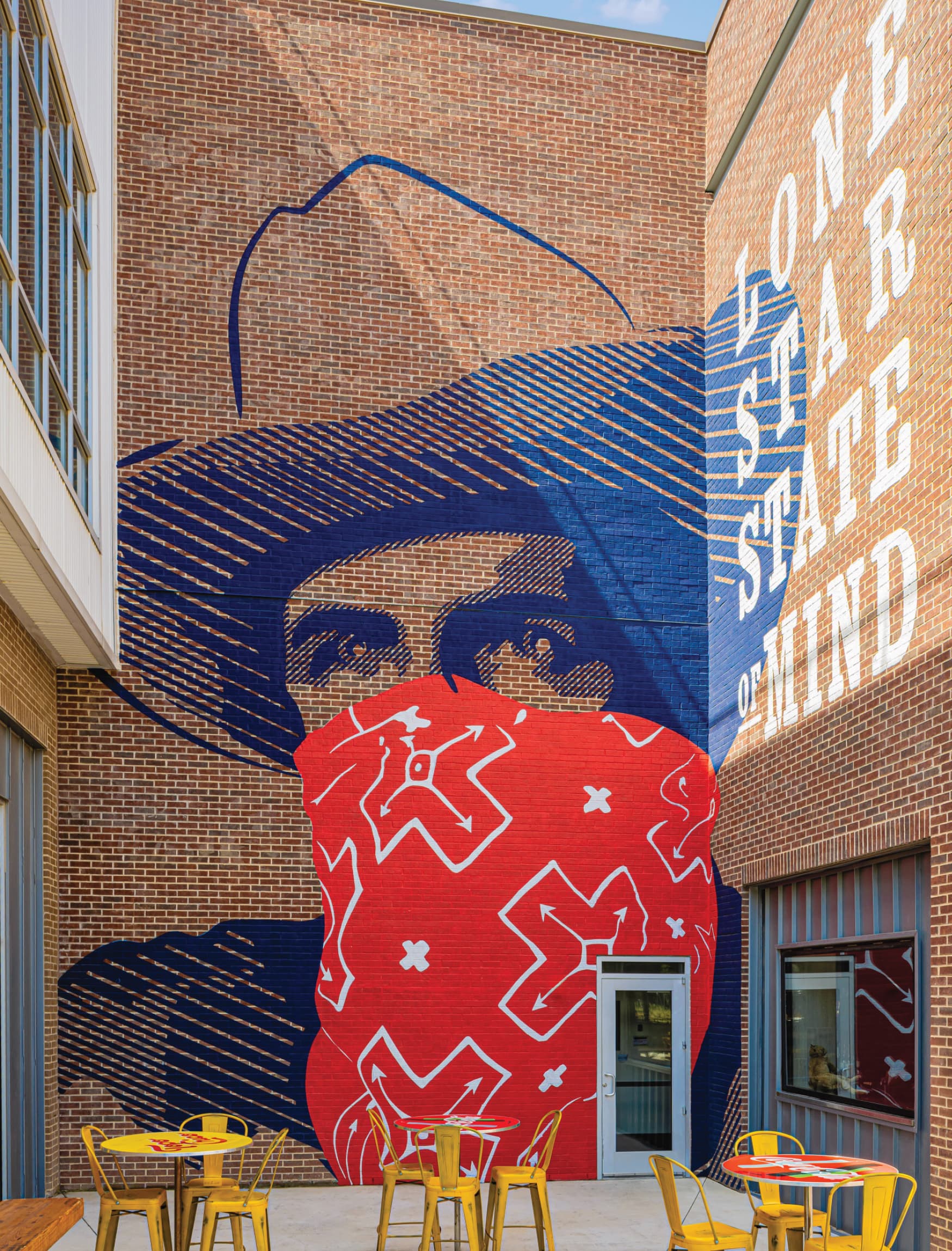
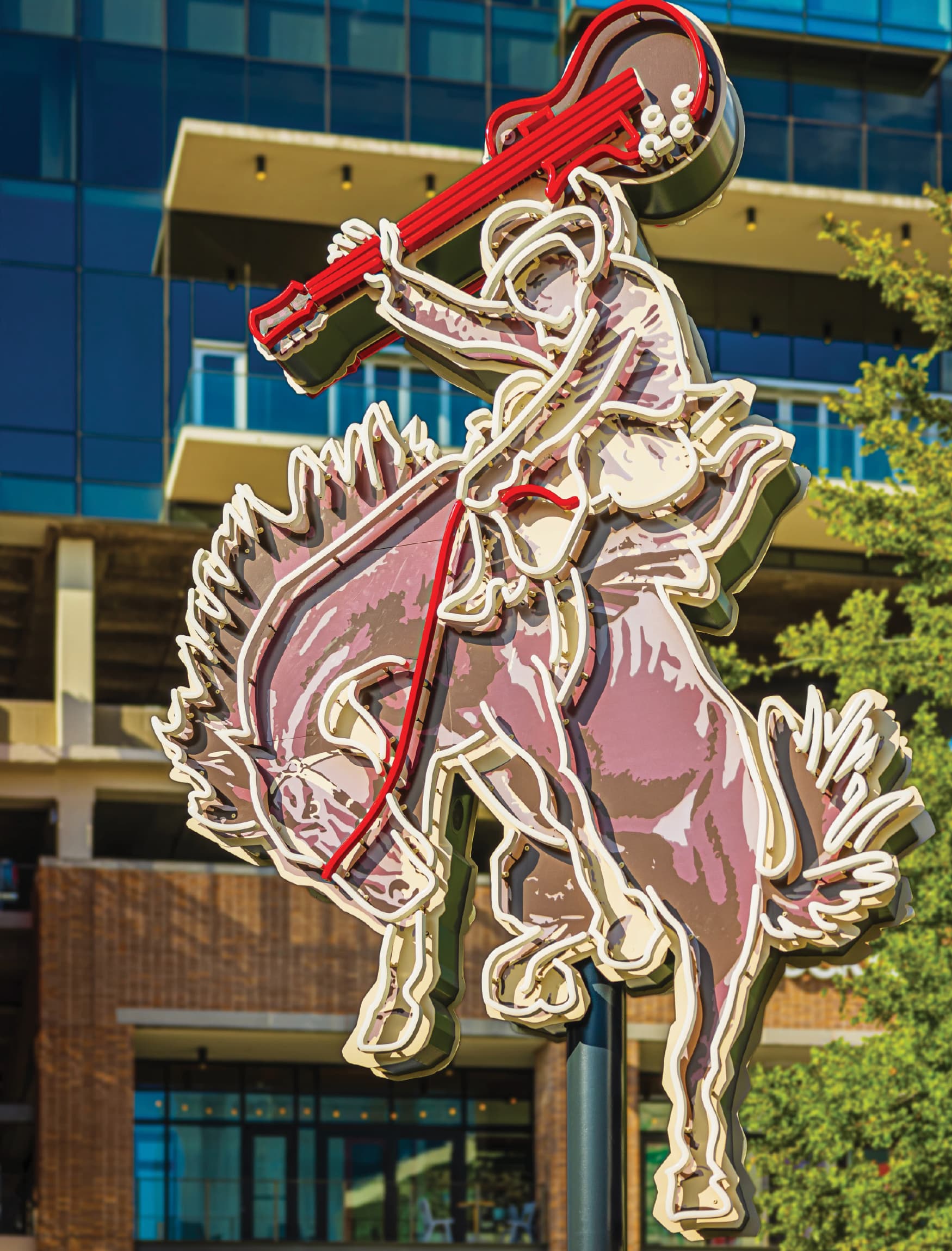
Toyota Music Factory, Client: Brookfield Properties
ENGAGING USERS MENTALLY, PHYSICALLY, EMOTIONALLY, AND SPIRITUALLY
Along with the three pillars of experience mentioned above, we approach the psychology of connecting people to place through four additional attributes:
Mental Connection (IQ): IQ represents the ability to think, reason, problem-solve, and comprehend as exhibited through storytelling, visual narratives, informational plaques, and other educational touchpoints. Engaging IQ encourages people to connect with a place on an intellectual level, fostering a richer understanding and knowledge of their environment.
Physical Connection (PQ): This connection represents our engagement with our bodies and health, as well as our ability to maintain and develop a balanced state of activation. PQ encourages a spirit of exploration, inspiring us to move through environments with wonder and a sense of discovery.
Emotional Connection (EQ): This encompasses our ability to communicate, interact, and socialize with others, becoming more self-aware the more we engage. Emotional connections to place bring us closer to a sense of unification and collectivism as we gather together to play, learn and to enjoy one another and the environments that surround us.
Spiritual Connection (SQ): SQ speaks to our connection with ideas larger than ourselves, encouraging us to imagine beyond the boundaries of the physical world. It uncovers hidden layers of meaning and purpose within a place, allowing us to experience a sense of identity and belonging that reaches beyond immediate context.
As these principles are prioritized alongside Certainty, Variety, and Delight, the scope and success of EGD projects can be plotted along these unique axes.
The Diverse Markets for Environmental Graphic Design
While environmental graphic design represents a universal movement towards holistic connection between people and place, its impacts have deeply contextual effects depending from project to project.
MIXED-USE ENVIRONMENTS: ORCHESTRATING COMPLEXITY
Mixed-use developments necessitate multifaceted environmental graphics that can accommodate tonal and material shifts while maintaining the project’s overall cohesion. Environmental graphics are a key component of the flexible signaling systems that differentiate between energetic shifts throughout the mixed-use environment. From retail experiences to residential tranquility, and corporate professionalism to entertainment experiences, environmental design uses graphics, materials, and messaging to create distinct zones that feel both independent and interconnected.
CIVIC & CULTURAL SPACES: EXPRESSING COMMUNITY IDENTITY
Public and cultural spaces carry the intrinsic responsibility of representing collective identity and serving diverse communities. Civic environmental graphics create brilliant opportunities to celebrate heritage, promote inclusivity, and activate underutilized spaces. From city-wide wayfinding systems that become iconic elements of the urban landscape to cultural centers that honor local traditions, environmental graphics foster civic pride and community engagement that double as expressions of the shared values and aspirations of the cities they adorn.
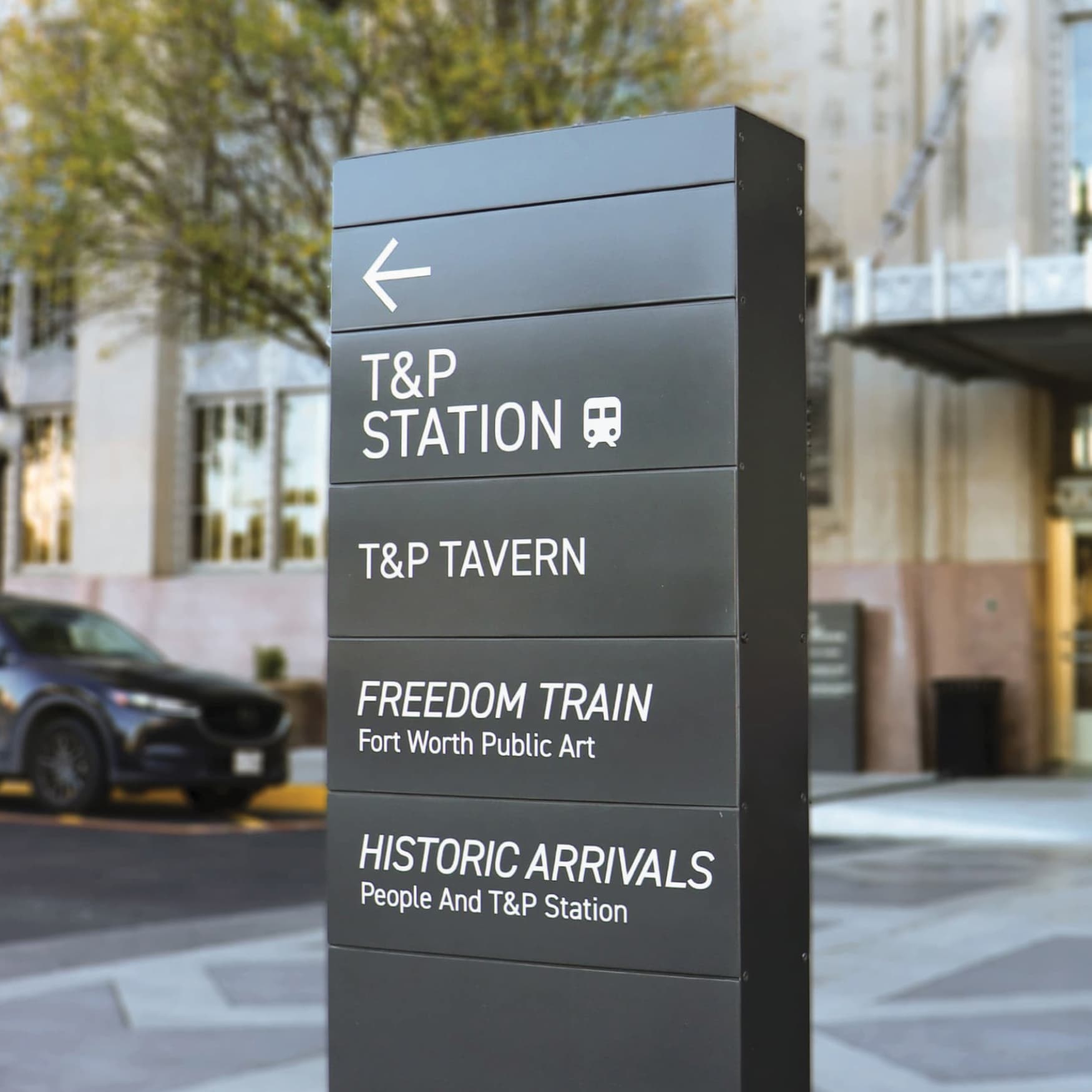
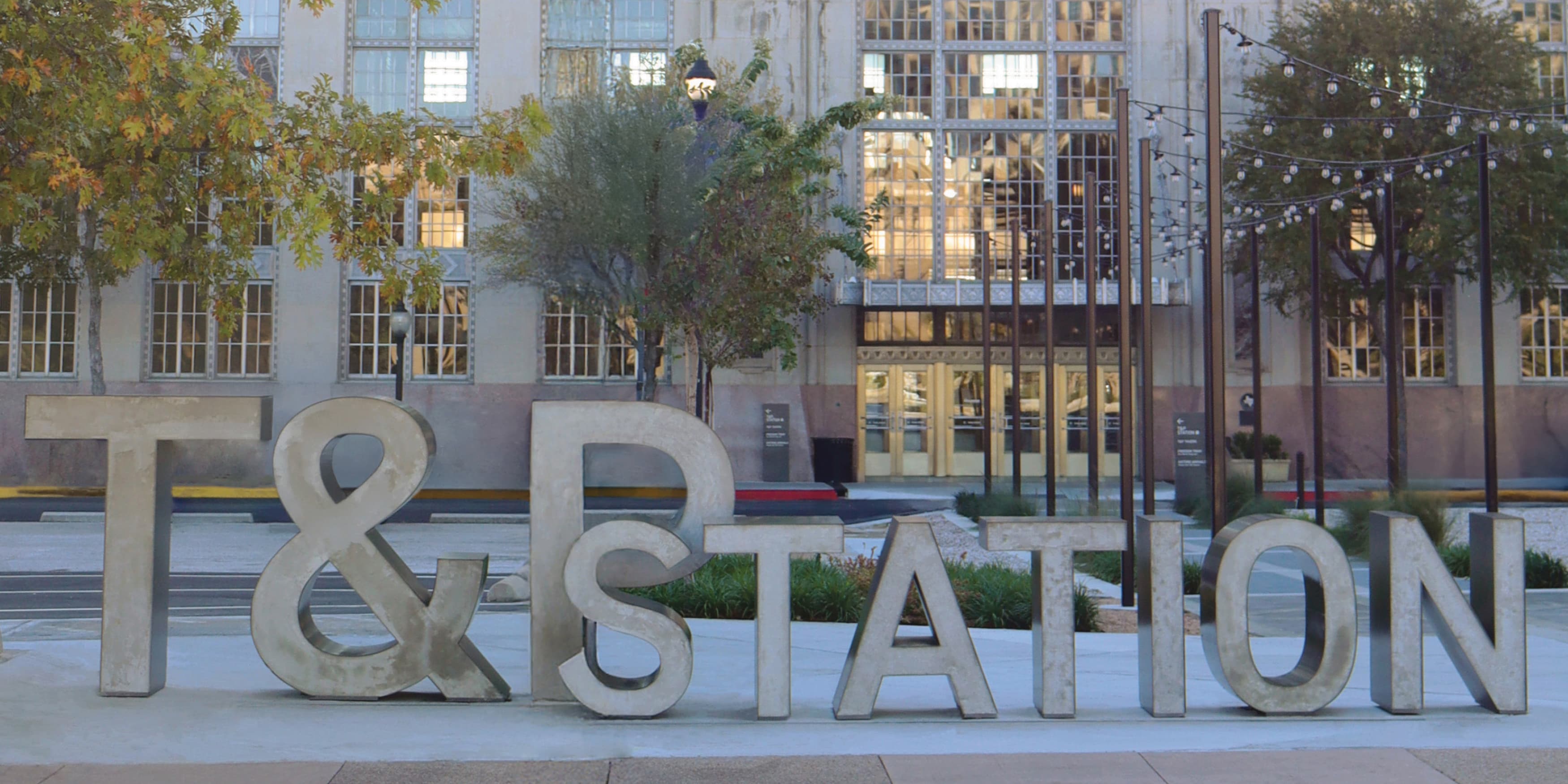
T & P Station, Client: Downtown Fort Worth
HEALTHCARE ENVIRONMENTS: DESIGNING FOR HEALING
Healthcare facilities present unique challenges where wayfinding and design play a role in therapeutic and even lifesaving outcomes for patients. In these settings, environmental graphics have an immense transformational power to reduce anxiety through intuitive navigation, to introduce moments of respite, and to support diverse cognitive abilities with multi-sensory wayfinding. Because patients and families navigate these spaces during their most vulnerable moments, environmental graphic design prioritizes compassion alongside functionality, creating environments that support both physical and emotional wayfinding.
EDUCATIONAL CAMPUSES: ENRICHING THE LEARNING EXPERIENCE
Schools, universities, and other educational institutions are living laboratories where environmental graphics shape academic culture alongside the student activity that buoys campus life. From welcome centers that inspire prospective students to alumni spaces that celebrate legacy, comprehensive environmental design systems create graphics that facilitate daily navigation while building institutional pride. They incorporate interactive elements that transform corridors into learning opportunities and common areas into catalysts for collaboration. Environmental design recognizes that students do not just attend these institutions—they inhabit them.
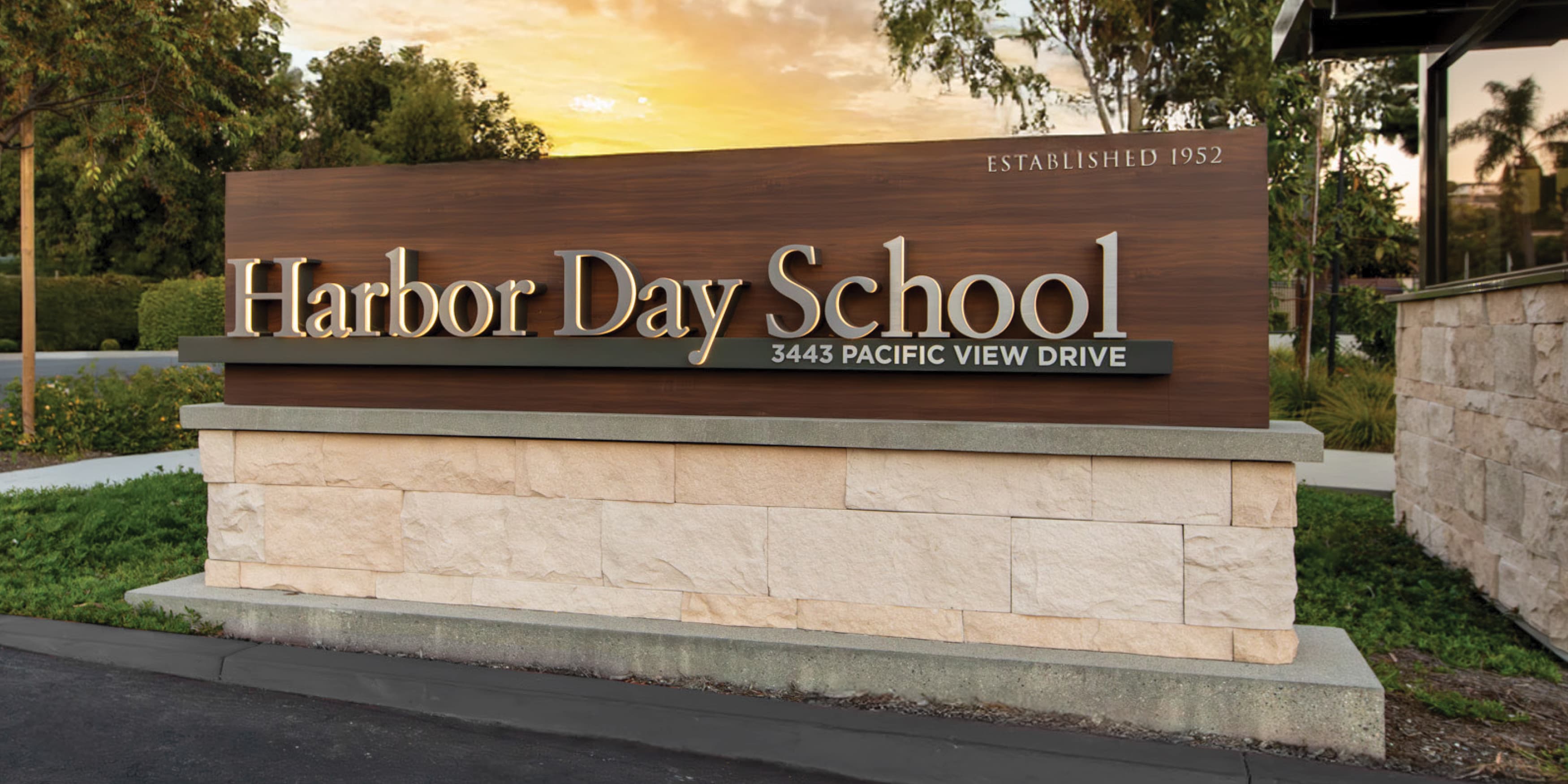
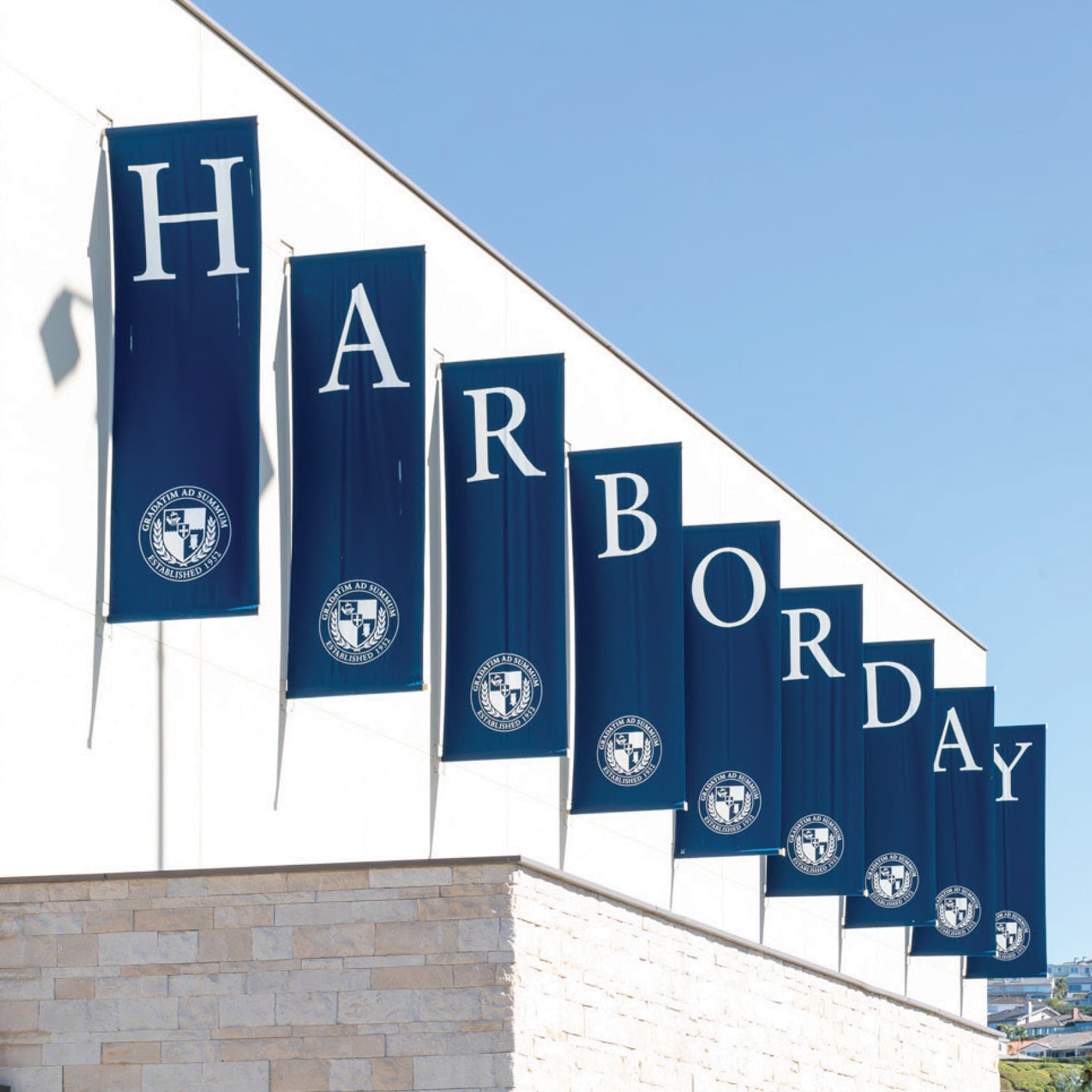
Harbor Day School, Client: Harbor Day School
HOSPITALITY & RESORTS: CRAFTING MEMORABLE JOURNEYS
Hotels, resorts, and other hospitality ventures succeed when every detail contributes to the overarching narrative of an immersive guest experience. Environmental graphics represent opportunities to further extend brand narratives into three-dimensional stories; from arrival sequences that set expectations in place to wayfinding strategies that favor discovery rather than direction, these graphics enhance rather than interrupt the journey. Such designs always consider the unique rhythms of hospitality—the transition from public grandeur to private retreat, the balance between efficiency and leisure, and the human desire for balance between clarity and mystique.
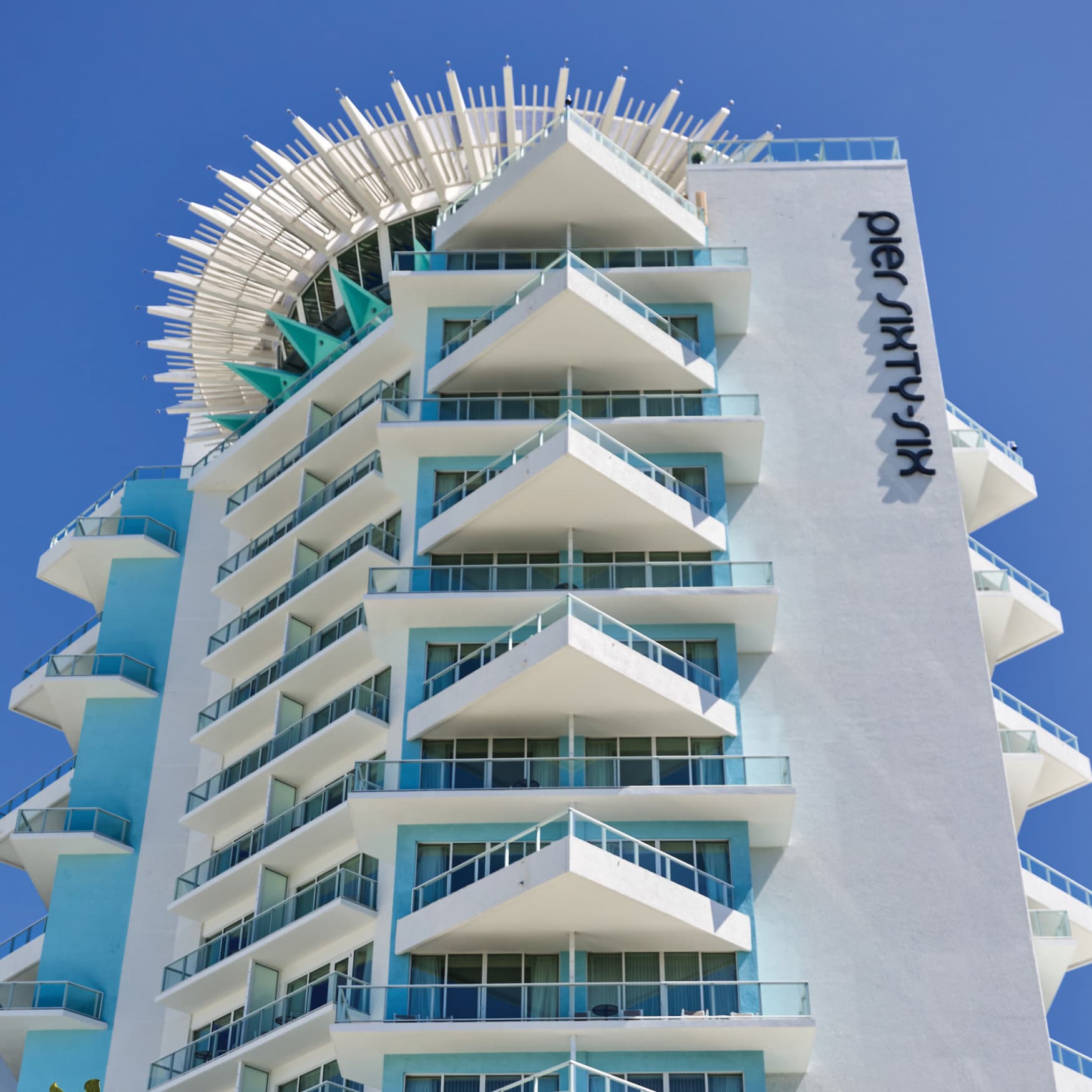
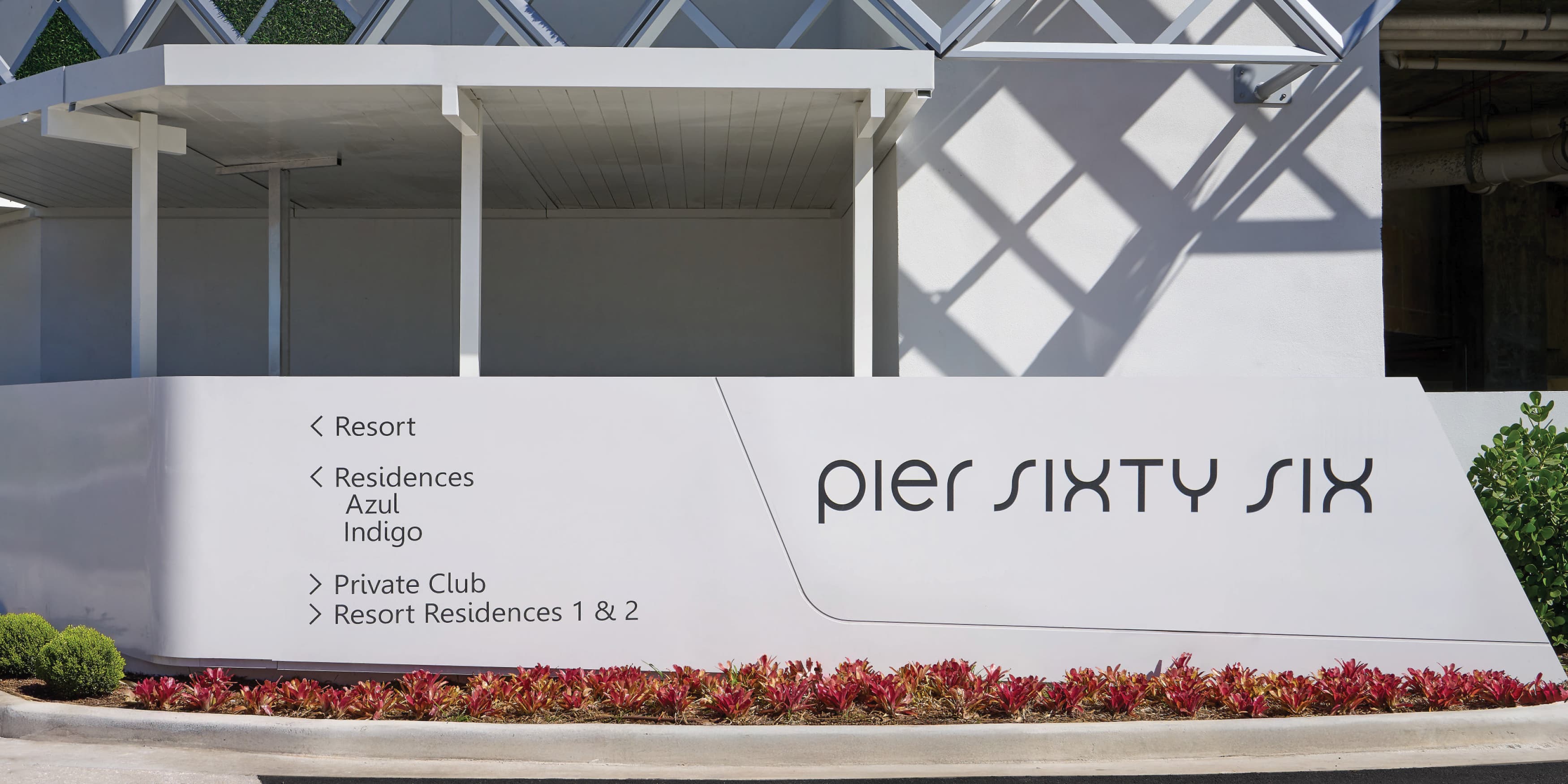
Pier Sixty-Six Hotel & Marina, Client: Tavistock
RSM Design’s Work in Environmental Graphics
Environmental graphic design shapes how millions of people experience residential, commercial, and communal environments every day. At RSM Design, we recognize this responsibility and embrace it as an opportunity to enhance daily life through thoughtful, impactful design. Our work does not just solve wayfinding challenges—it creates immutable connections between people and the places they inhabit.
From the certainty of clear navigation to the delight of unexpected discovery, environmental graphic design orchestrates experiences that resonate long after visitors leave. RSM Design brings nearly three decades of expertise to our projects, creating environments that inspire connection, foster community, and enrich the human experience of space.