The Science Behind Today’s Branded Interiors
Posted May 22, 2026 · Education
BY PAIGE TERRELL, IIDA, PRINCIPAL & DALLAS STUDIO DIRECTOR
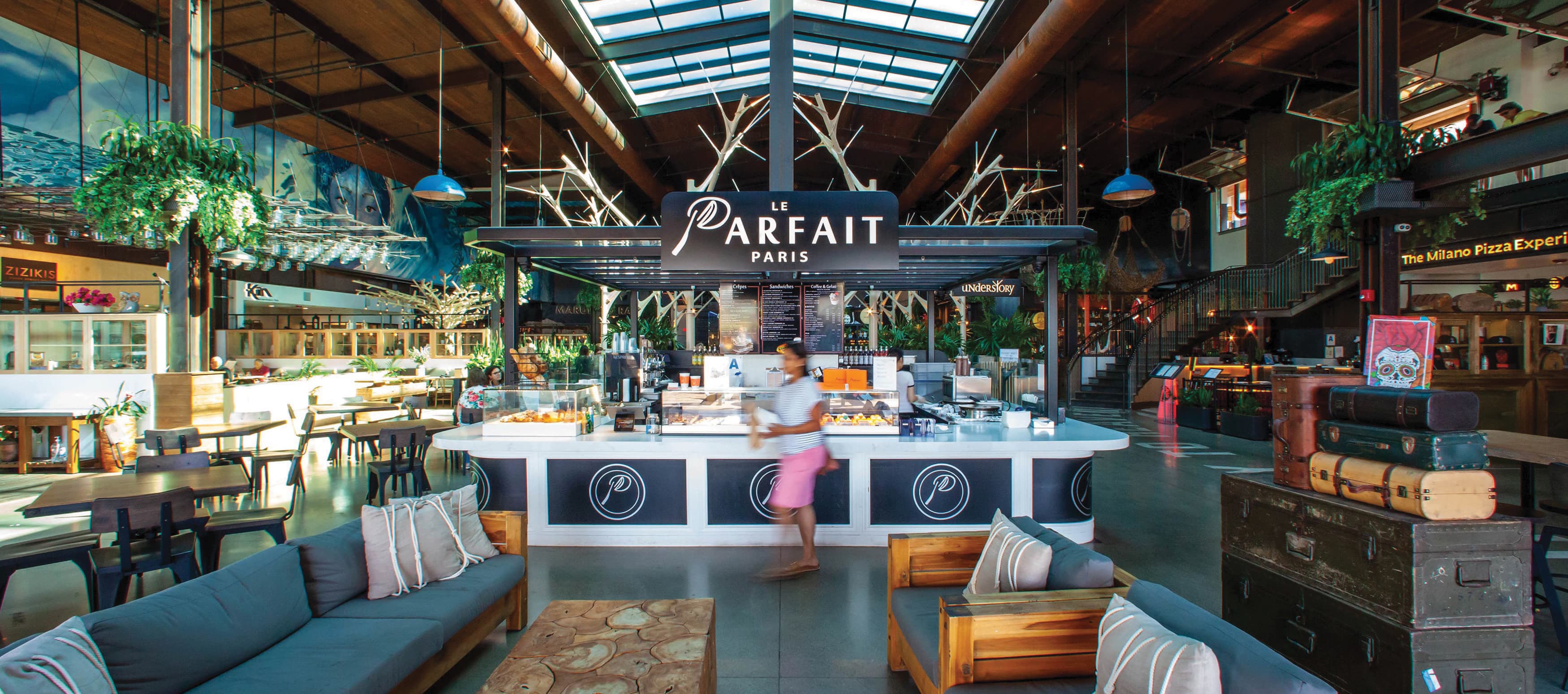
People have always used physical spaces to tell stories and to communicate identity. Today’s branded interiors draw on decades of research into how our surroundings actually shape our behavior as we fully immerse ourselves within them. The outcome is creating built environments that not only house brands we love but bring them completely to life, with custom signage, material selections, and graphic elements that make brand values tangible.
Research shows that physical surroundings significantly impact mood, productivity, and decision-making. The brain subconsciously processes environmental cues such as colors, textures, lighting, and spatial arrangements, making subliminal judgements about safety, belonging, and trust. For example, when you walk into a structured and well-organized space, you are more likely to experience mental clarity; the emotional responses that stem from this subconscious assessment can deeply influence perceptions and behaviors in the built environment.
At the heart of effective branded interiors is the whole person approach, one that recognizes people engage with spaces through four distinct intelligences. Emotional intelligence responds to atmosphere, color, and sensory cues that evoke feeling. Mental intelligence seeks clarity, ease of wayfinding, and stimulating content. Physical intelligence connects with ergonomics, materials, spatial flow, and interactivity, encouraging movement and active engagement to build a memorable connection. Spiritual intelligence finds meaning through purpose-driven design, moments of reflection, and alignment with deeper values.
Thoughtfully designed branded interiors can intentionally wield this psychology by producing experiences that reinforce specific feelings and associations. When someone enters a space that authentically embodies a brand’s values and personality, they feel an engaged and implicit connection to that brand. There are a wide array of design interventions that can accomplish this:
- Color and light influence emotional states and energy levels.
- Materials and textures create tactile connections and influence users’ perception of quality.
- Spatial layout guides movement patterns, interactions with the built environment, and social gatherings.
- Graphics and imagery tell stories, educate, and communicate messages.
- Sound and scent form powerful associations with users’ memories of a place and make for more immersive experiences.
- Elements of surprise and delight create a sense of discovery and usher in moments of joy.
- Technology integration provides real time flexibility and contributes to interactivity. Digital interactivity helps brands hold customers’ attention, deepen their engagement, and invite them to become active participants rather than passive onlookers.
When these elements work together cohesively, a space can form emotional connections with its users. By designing for all four intelligences, RSM Design crafts environments that resonate with the whole person as each user experiences a deeper, more memorable engagement with the brand.
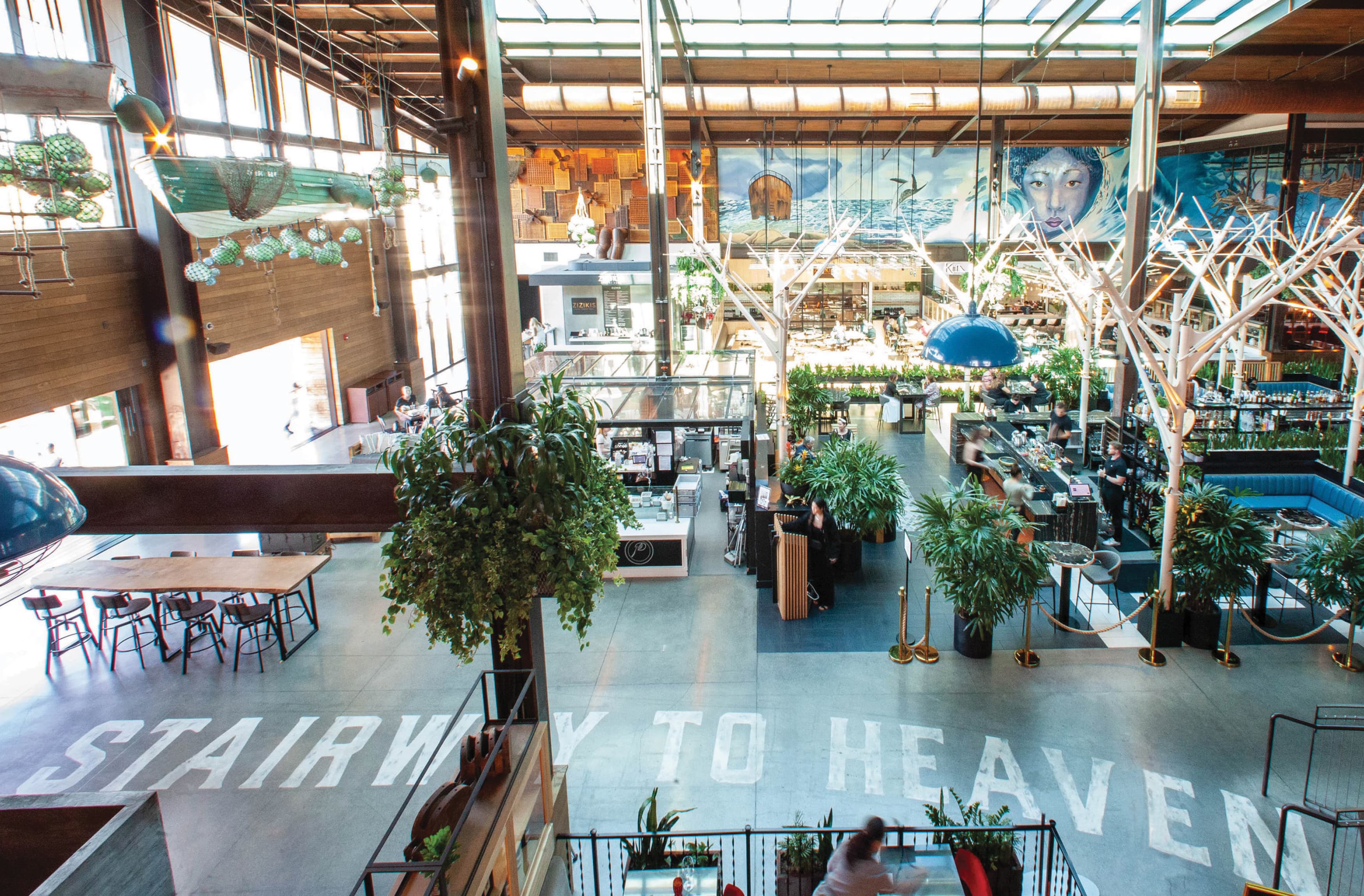
The Skydeck, Del Mar, California
5 Key Components of Successful Branded Interiors
Effective branded interiors integrate multiple design disciplines to create cohesive experiences. While RSM Design’s work spans a wide range of design elements, these five core strategies are featured in our branded interior projects on both a local and international scale:
1. Brand Strategy Integration
The most successful branded interiors begin with clarity about what the brand stands for and how it should make people feel. Brand development as a foundational tool guides all subsequent design decisions, ensuring that each element within a space reinforces the organization’s identity. This integrative approach encompasses brand identity development, aesthetics, positioning, messaging, and experience alignment, along with the identification of brand narratives and key touchpoints throughout the physical environment. When brand strategy integration is considered, a space can communicates not just what a brand looks like, but how it feels to the audiences it serves.
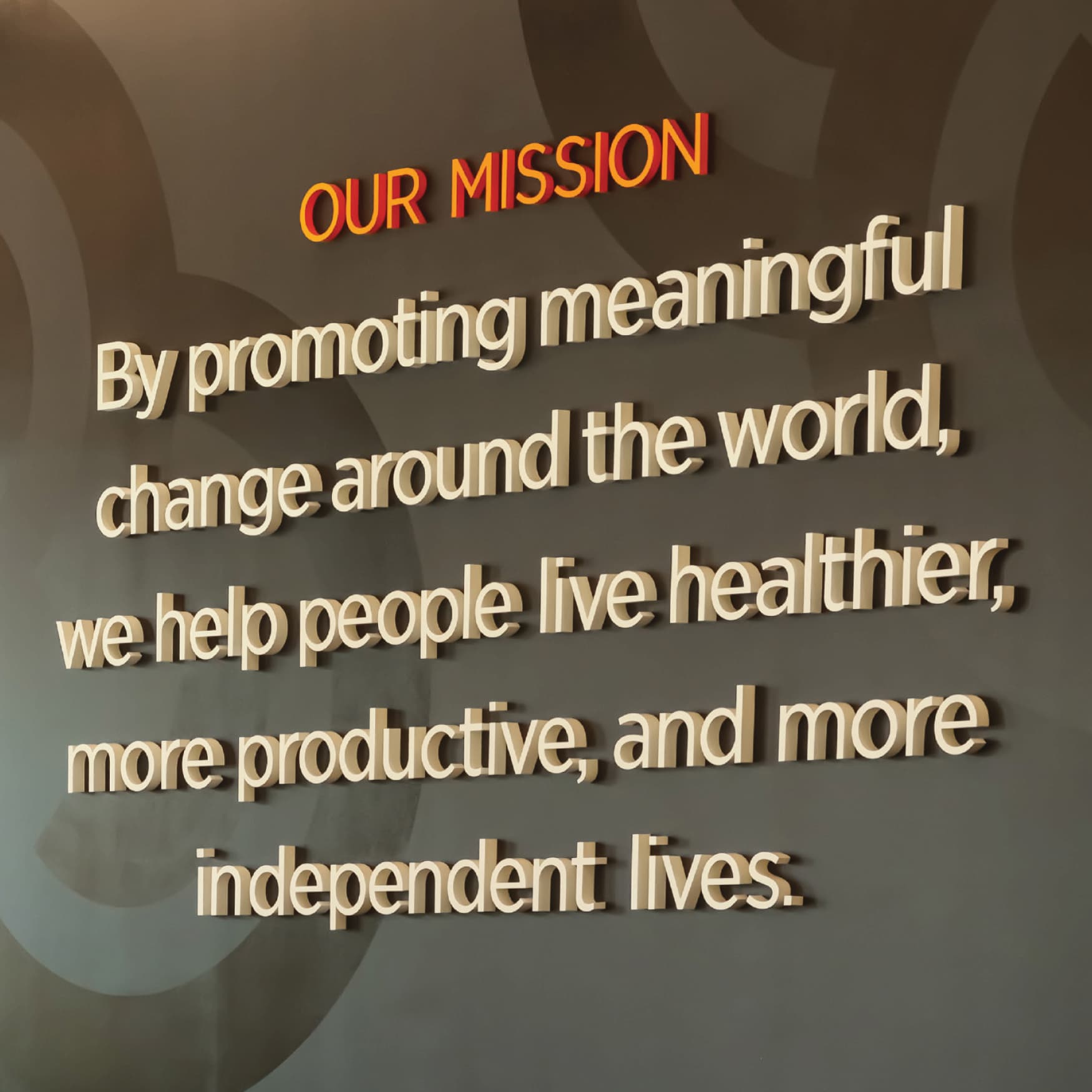
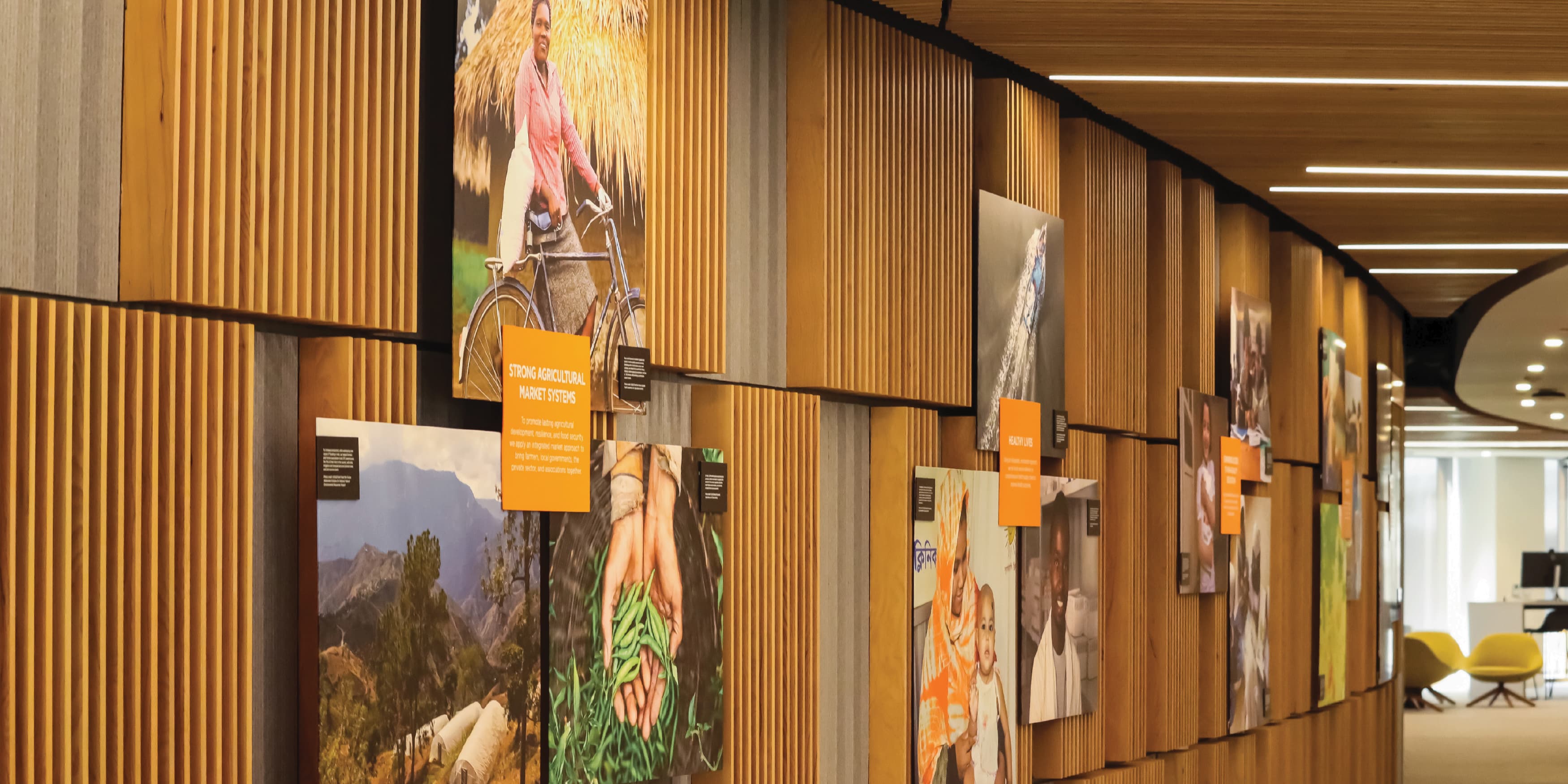
Chemonics International, Washington, DC
2. Environmental Graphic Design
Wall graphics, murals, pattern integration, and dimensional features bring brand personality to life within the architecture of the built environment. Environmental graphics transform ordinary surfaces into storytelling opportunities. By combining elements such as graphic design, architecture, art, lighting, and landscaping, environmental graphics help branded interiors build a consistent narrative and preserve clear communication. Whether expressing a brand through award displays, employee recognition features, donor walls, or other moments of targeted messaging, environmental graphics play a crucial supporting role in elevating branded interiors.
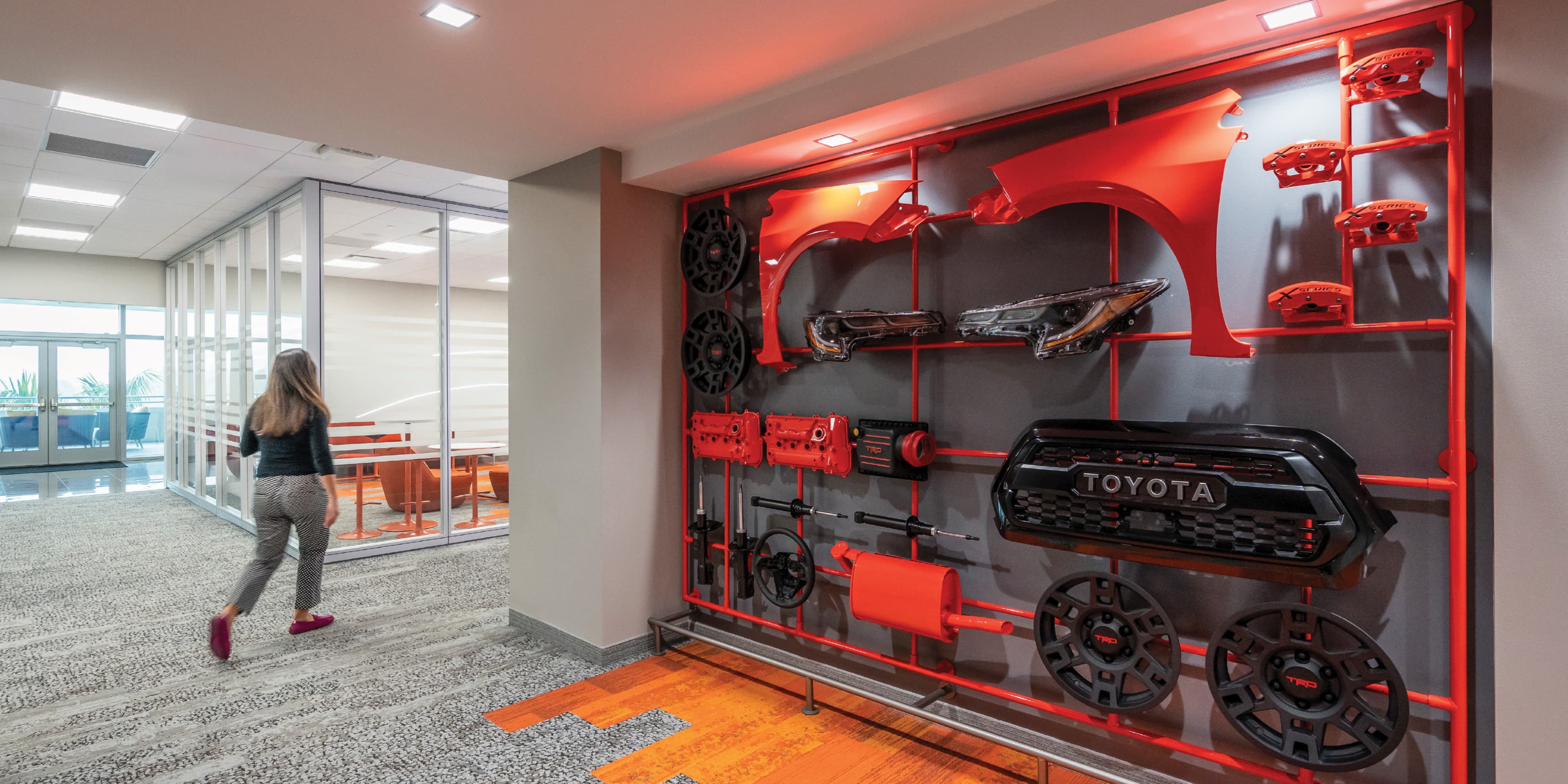
JM Family Enterprises Headquarters, Deerfield Beach, Florida
3. Experiential Design
Experiential design transforms spaces into stories: multi-sensory narratives that speak to the subconscious and awaken the five senses. By mapping user journeys within the built environment, RSM Design creates purposeful interactions at key moments throughout a place where each experiential design touchpoint becomes an opportunity to reinforce brand values and create memorable moments. This is where psychology meets aesthetics, and where users aren’t just occupants but active participants in the living fabric of a place. By blending physical, digital, and emotional spheres, this type of design permeates branded interiors with layers upon layers of richness and meaning.
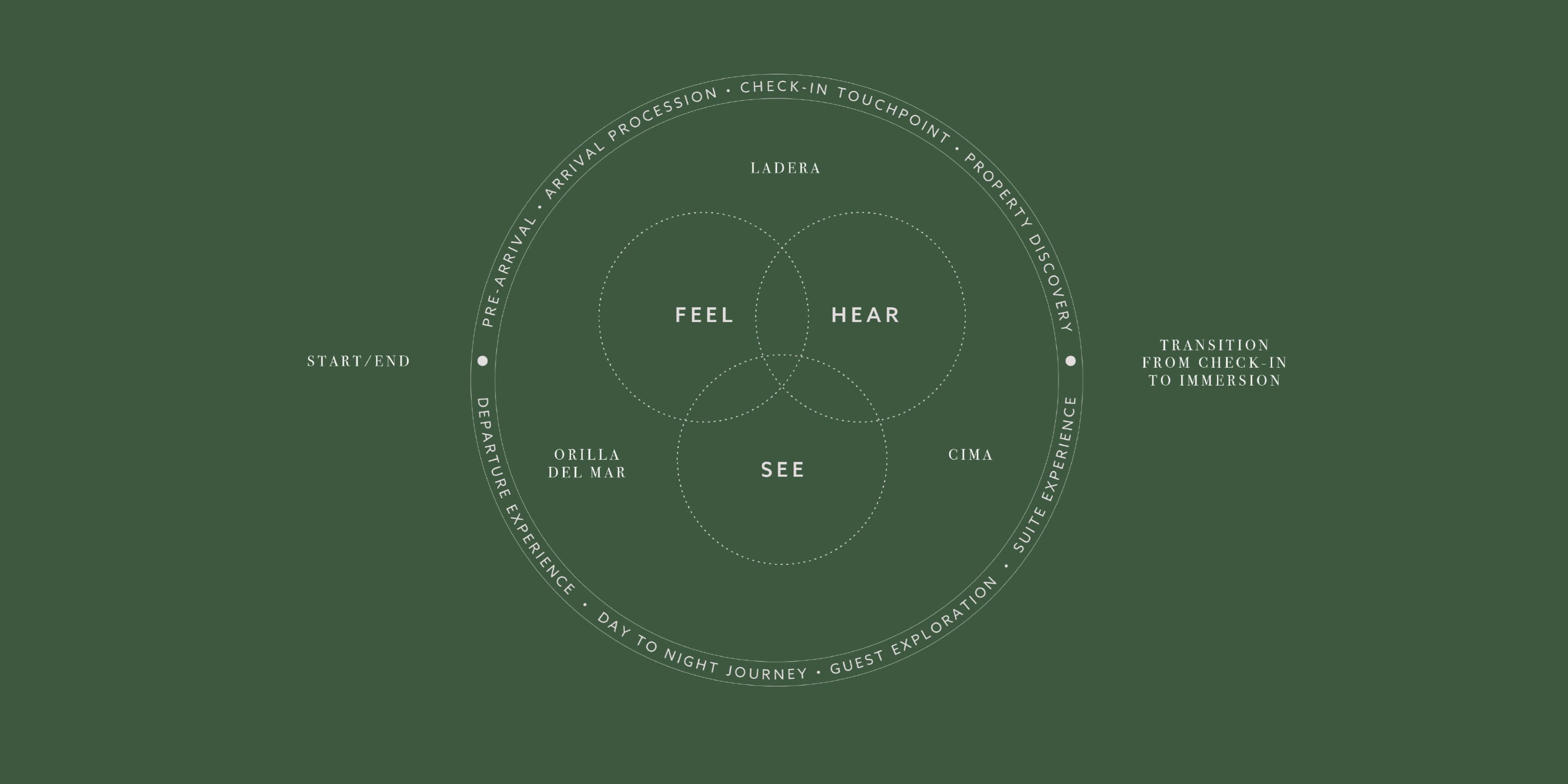
One & Only, Papagayo, Costa Rica
4. Wayfinding & Signage
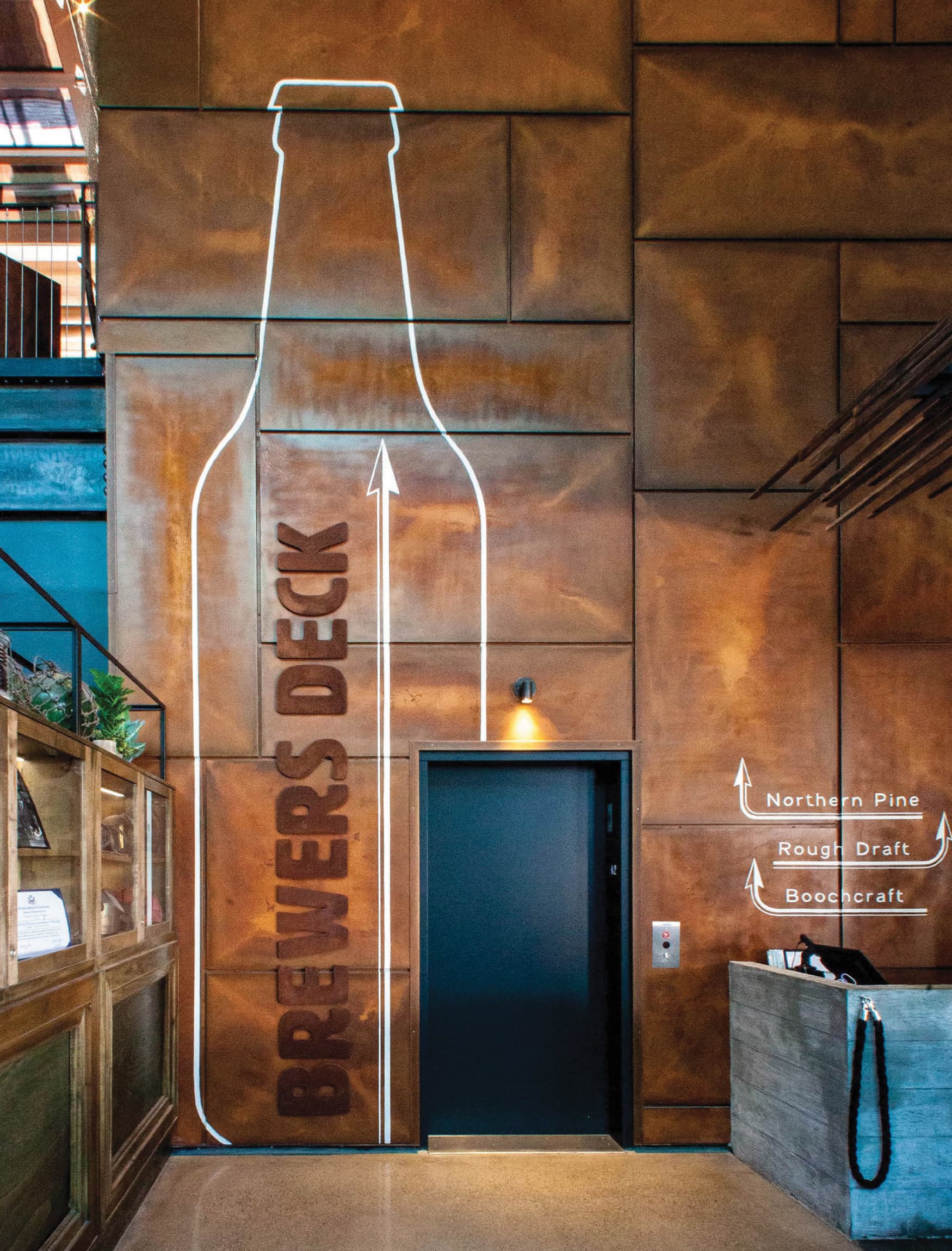
More than just functional navigation, wayfinding represents a set of experiences working in concert to assist users in orienting themselves and navigating to their destinations. By helping visitors discover their path through each interior space, wayfinding signage systems reinforce brand identity through typography, materials, and graphic language, all while creating a powerful sense of place. For both first-time visitors and returning visitors, successful wayfinding takes a multidimensional approach aimed at elevating user comfort and confidence. These signage systems offer opportunities to reinforce brand identity each step of the way.
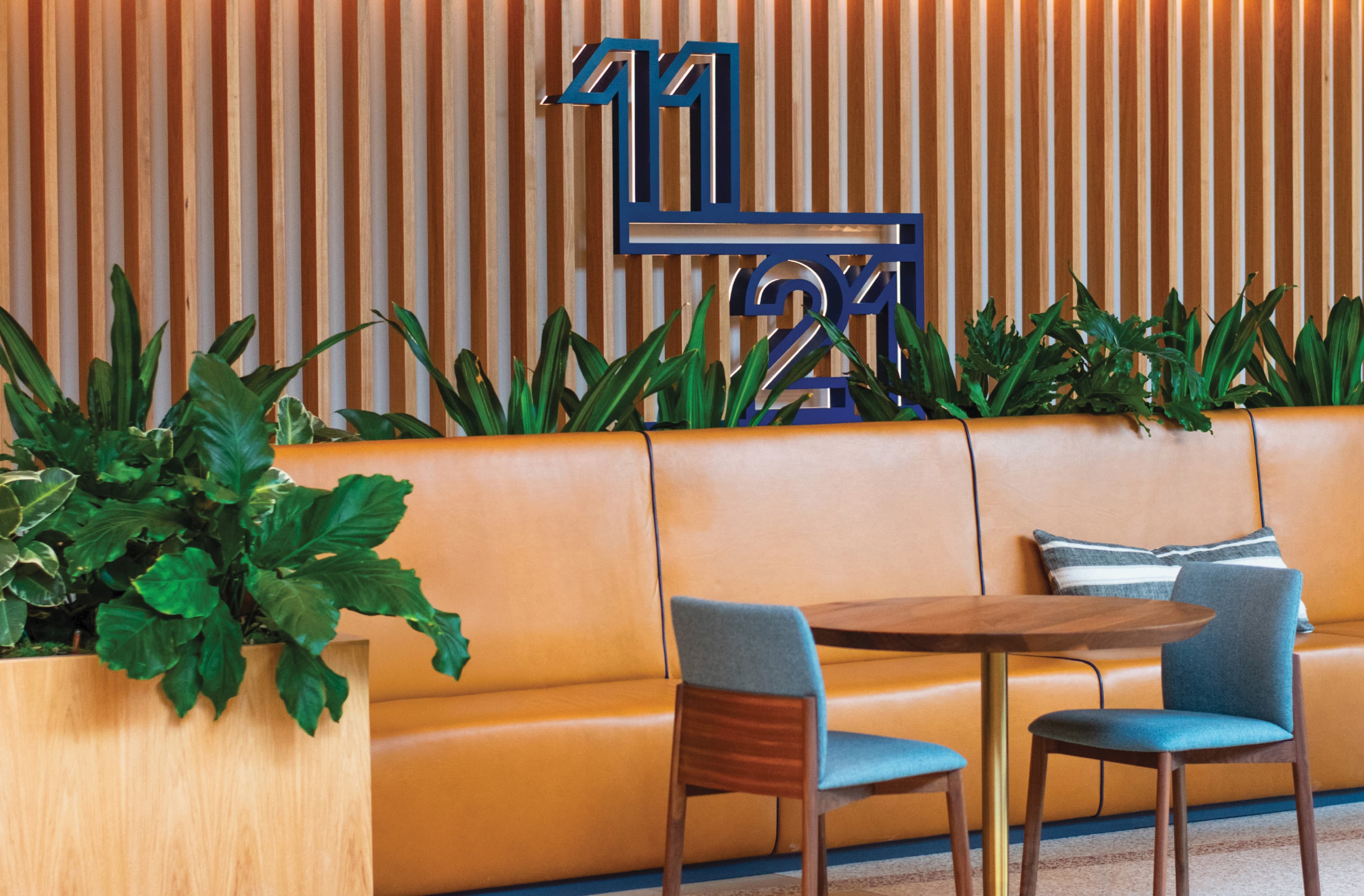
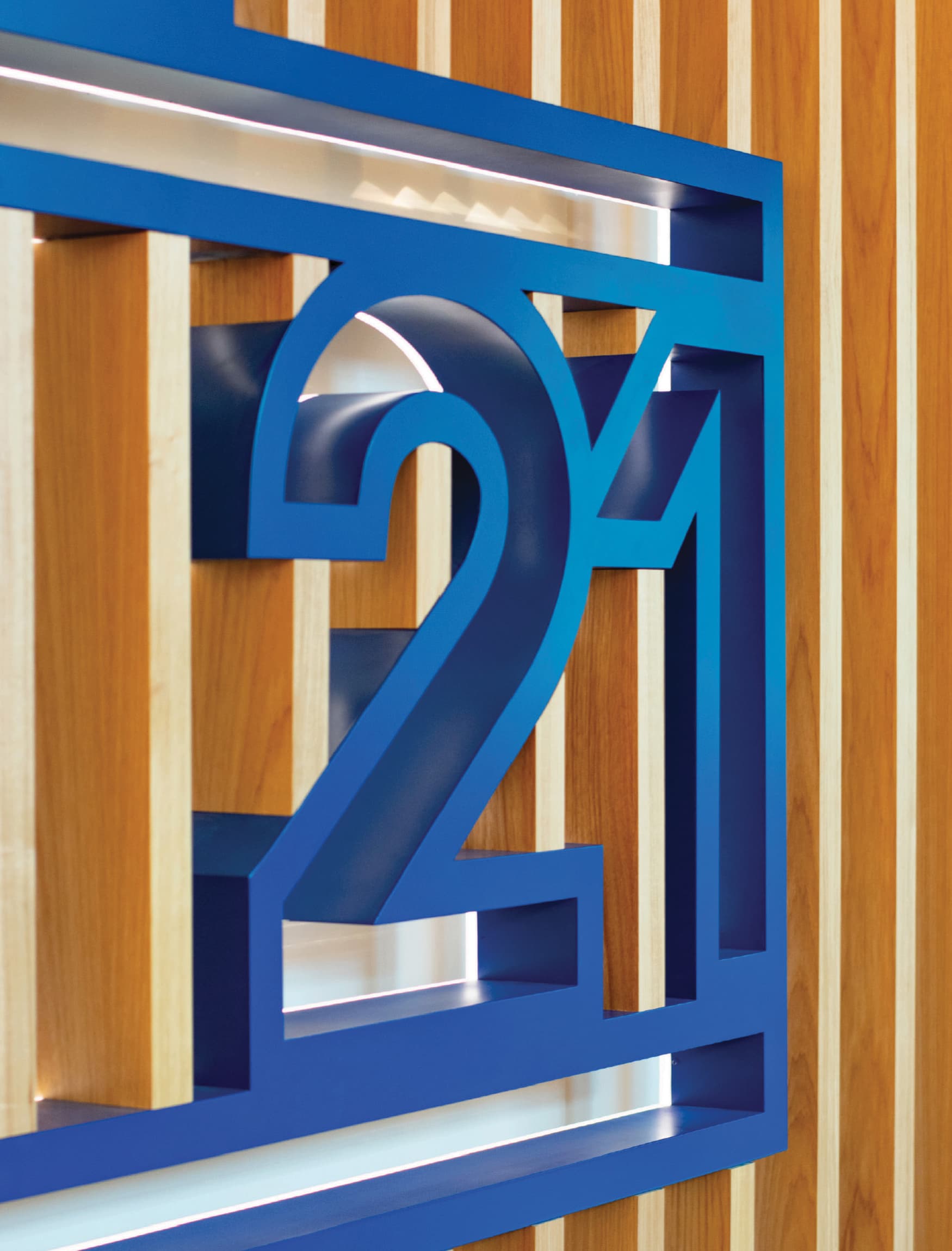
1121 at Symphony Square, Austin, Texas
5. Art & Placemaking
Custom art installations, interactive displays, and distinctive focal points create those moments of delight that make spaces memorable and shareable. As part of a placemaking strategy, these features can serve as the main attraction or as small sparks of discovery, playing a crucial role in how a place feels to visitors on an emotional level. Art and placemaking translate the brick and mortar of the built environment into evocative narratives through sculptures, murals, and other artistic features, altogether creating an ethos of engaged curiosity. Placemaking transforms spaces to feel more authentic and alive, drawing people into an interior’s unique physical narrative.
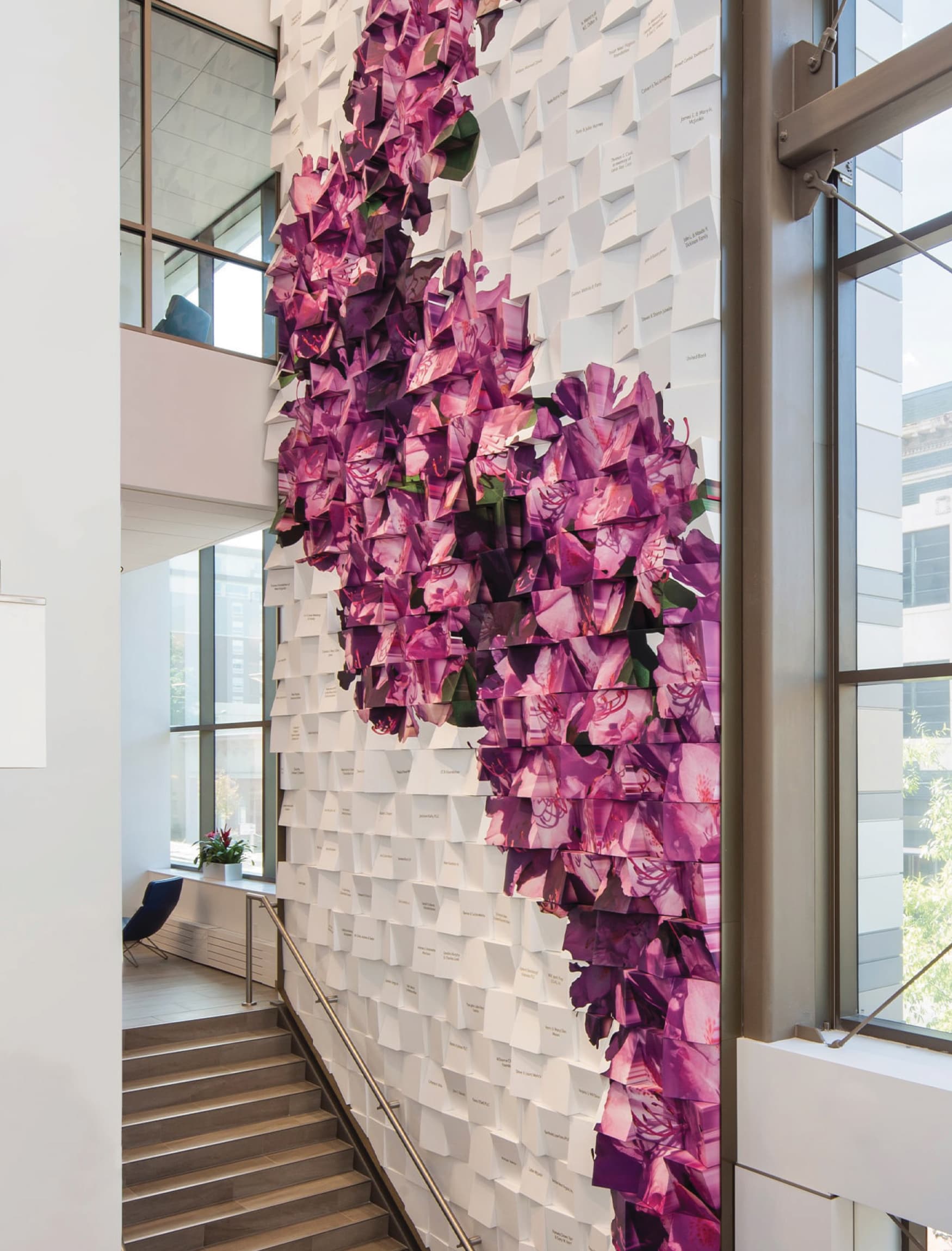

Kanawha County Public Library, Charleston, West Virginia
RSM Design’s belief is that exceptional branded interiors emerge from a Principle Centered Design (PCD) approach. We have developed this holistic methodology to go beyond functional and aesthetic concerns in order to create spaces that truly connect people with the built environment. By grounding each design decision in a clear understanding of brand values, user needs, and environmental psychology, we ensure that each element of a project serves a greater purpose. Our PCD approach treats the built environment as a dynamic expression of identity rather than a static backdrop; resulting in spaces that feel intentional and cohesive, where the design decisions are not merely arbitrary, but reinforce the brand story being expressed as living embodiments of the human experience.
Meeting Human Needs Within Branded Spaces
RSM Design has identified three key human needs that make built environments resonate more fully with their users:
- Certainty: People need to feel oriented and secure in their surroundings. Wayfinding design, consistent brand applications, and clear messaging form this foundation.
- Variety: The human mind craves interest and stimulation. Changing scales, colors, patterns, and forms can create functional touchpoints of experiences while maintaining brand coherence.
- Delight: Memorable moments come from unexpected joy. Public art, interactive elements, and surprising details produce emotional connections that people remember and want to share.
By engaging users in Certainty, Variety, and Delight at key moments in the interior environment, they can experience more purpose, joy, and fulfillment rooted in the space itself.
Cultivating the Science Behind Branded Interiors to Design for Connection
In an age of fleeting digital impressions, branded interiors offer something increasingly rare: tangible, immersive experiences that engage all the senses and speak to what makes us human. The disciplines explored here are not isolated tactics but interconnected threads to create spaces where people feel seen, oriented, and delighted. That emotional resonance is the true culmination of the science behind today’s most successful branded interiors: building environments where people can step inside a brand’s narrative and make it a part of their own.
Learn more about RSM Design's approach to branded interiors ›
Sources
Helbich, M. Mental Health and Environmental Exposures: An Editorial. International Journal of Environmental Research and Public Health. 2018;15(10):2207. https://doi.org/10.3390/ijerph15102207 https://www.mdpi.com/1660-4601/15/10/2207
RSM Design. Graphic Connections in Architecture. Visual Profile Books, 2021. ISBN 978-1733064873.