Shaping the Shoreline Experience: RSM Design and Waterfront Wayfinding
Posted October 30, 2025 · Education
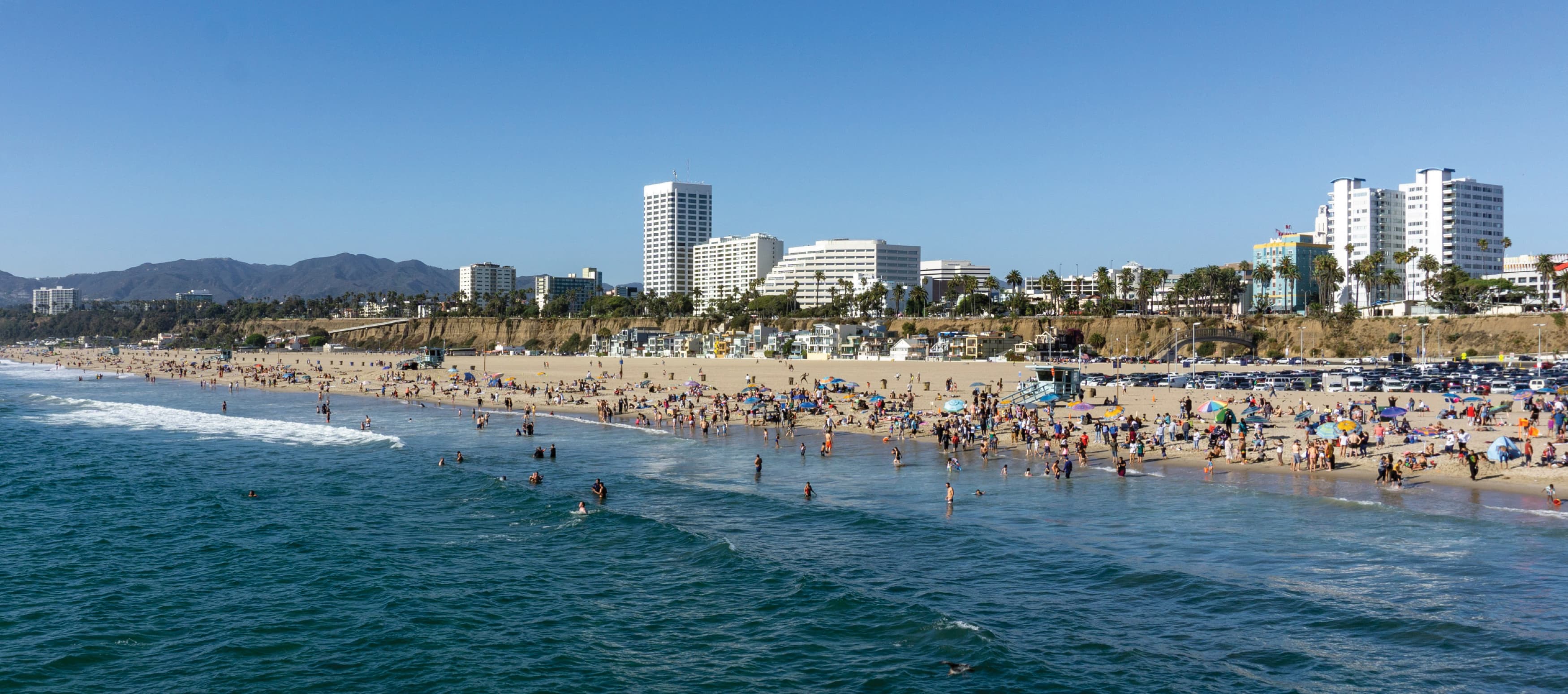
As the 2028 Olympic and Paralympic Games draw closer, the Southern California coast will take on a new spotlight, transforming from a beloved local landscape into an international stage for competition and connection. From the waves at Trestles Beach near San Clemente to fan zones and marina venues stretching across Los Angeles and Long Beach, Olympic waterfront design will shape how millions engage with the Games.
Designing for these coastal environments brings a unique challenge: helping people move intuitively through spaces that are as dynamic as the tides themselves. With a portfolio spanning waterfront wayfinding, environmental graphics, and placemaking, RSM Design brings expertise in crafting experiences that harmonize with the natural and cultural identity of the coast.
Grounded in its Southern California origins and guided by a global perspective, RSM Design brings the insight needed to create signage and wayfinding systems that reflect both the natural rhythm of the coast and the shared spirit of the Games—design that unites clarity, connection, and a deep sense of place.
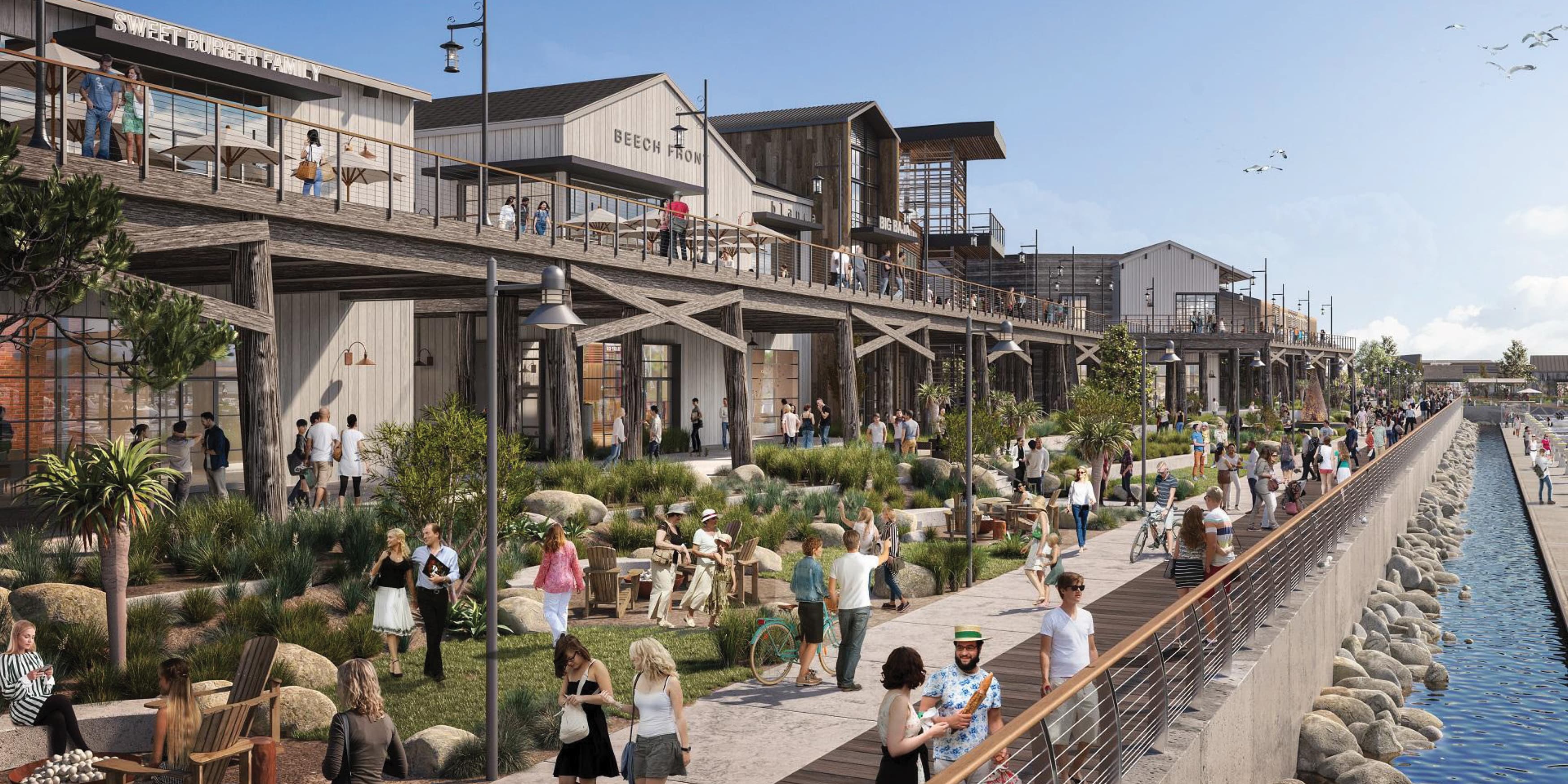
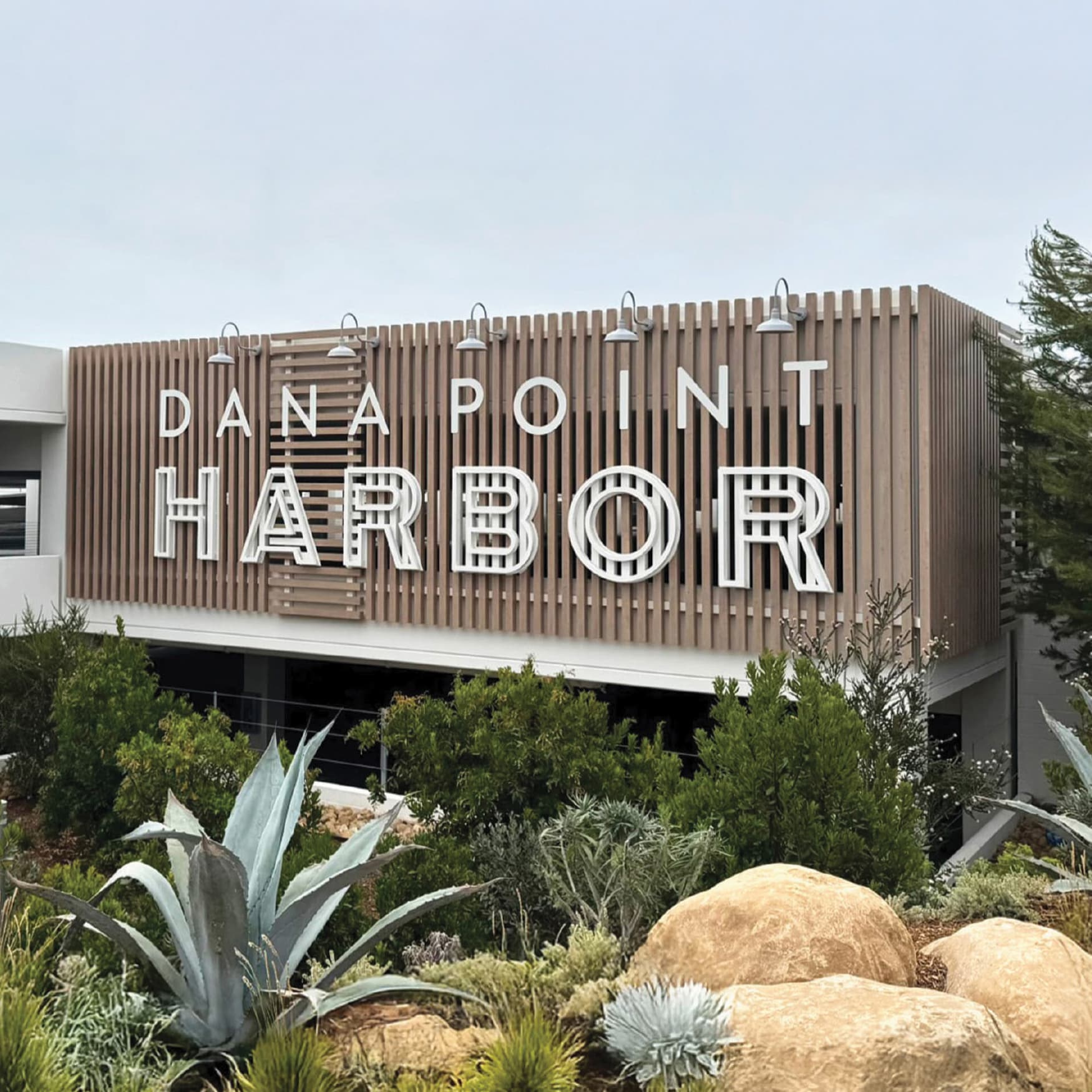
Dana Point Harbor, Client: Burnham Ward Properties
The Unique Design Opportunity of Waterfronts
Waterfronts are living, breathing environments—constantly shifting between land and sea, nature and city. At the scale of the Olympics, these settings become dynamic networks of movement and emotion, where wayfinding design plays a vital role in shaping how visitors engage with the place.
From the beaches of Orange County to the marinas of Long Beach, Olympic waterfront venues will require systems that adapt to changing conditions, connect diverse audiences, and reflect local identity. Clear and accessible wayfinding and signage not only improve safety and flow but also unify temporary event graphics under one cohesive design language.
RSM Design’s past work offers insight into what this can look like. At Dana Point Harbor, the team reimagined the visitor experience through intuitive circulation and a refreshed coastal identity. For the Port of San Diego, RSM Design developed a comprehensive wayfinding program that bridges the working waterfront with public recreation, connecting people to both the land and the bay. These projects demonstrate how thoughtful environmental graphics and coastal placemaking can celebrate the spirit of a place while guiding visitors through it, a balance that lies at the heart of Olympic waterfront design.
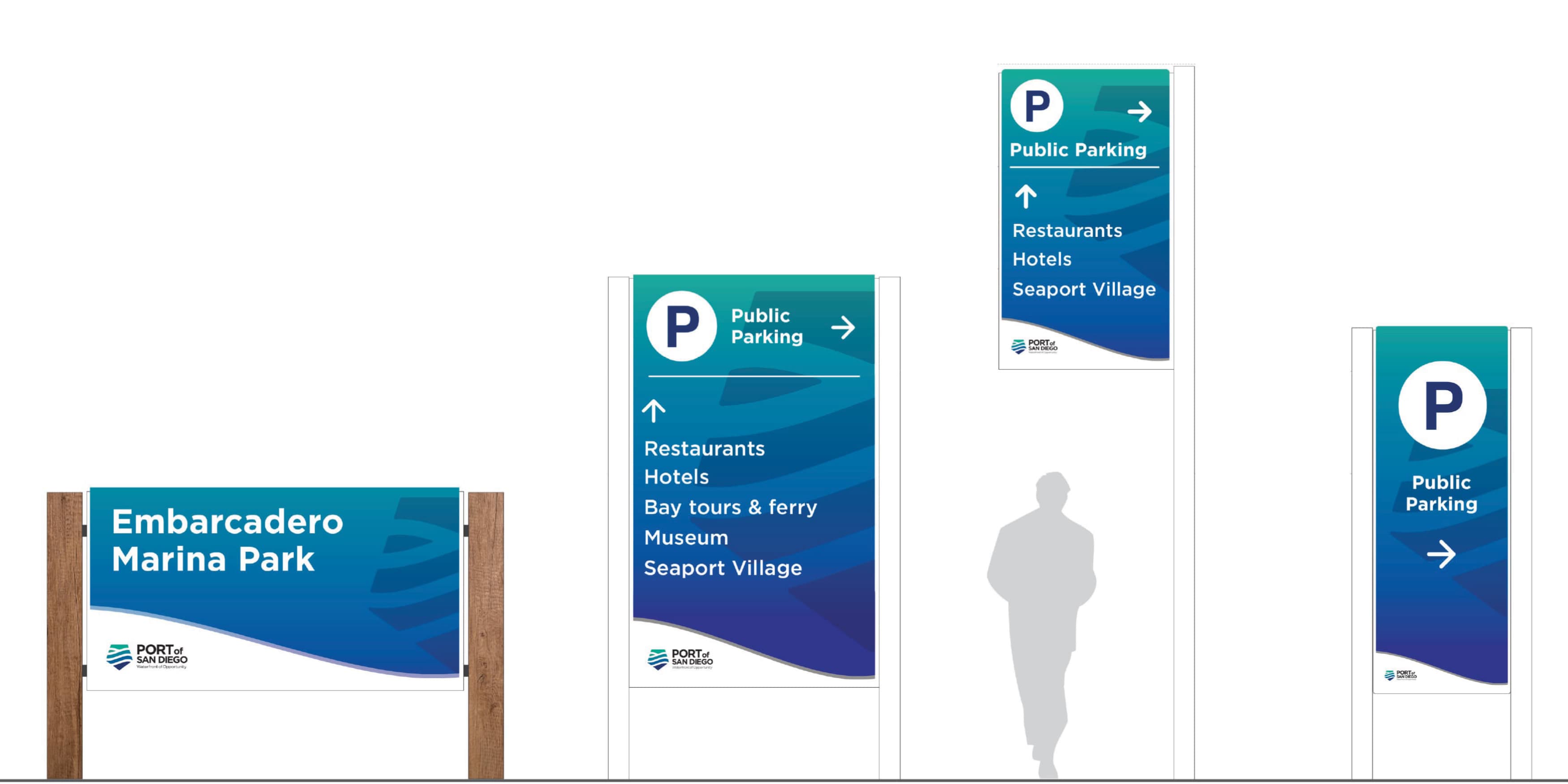
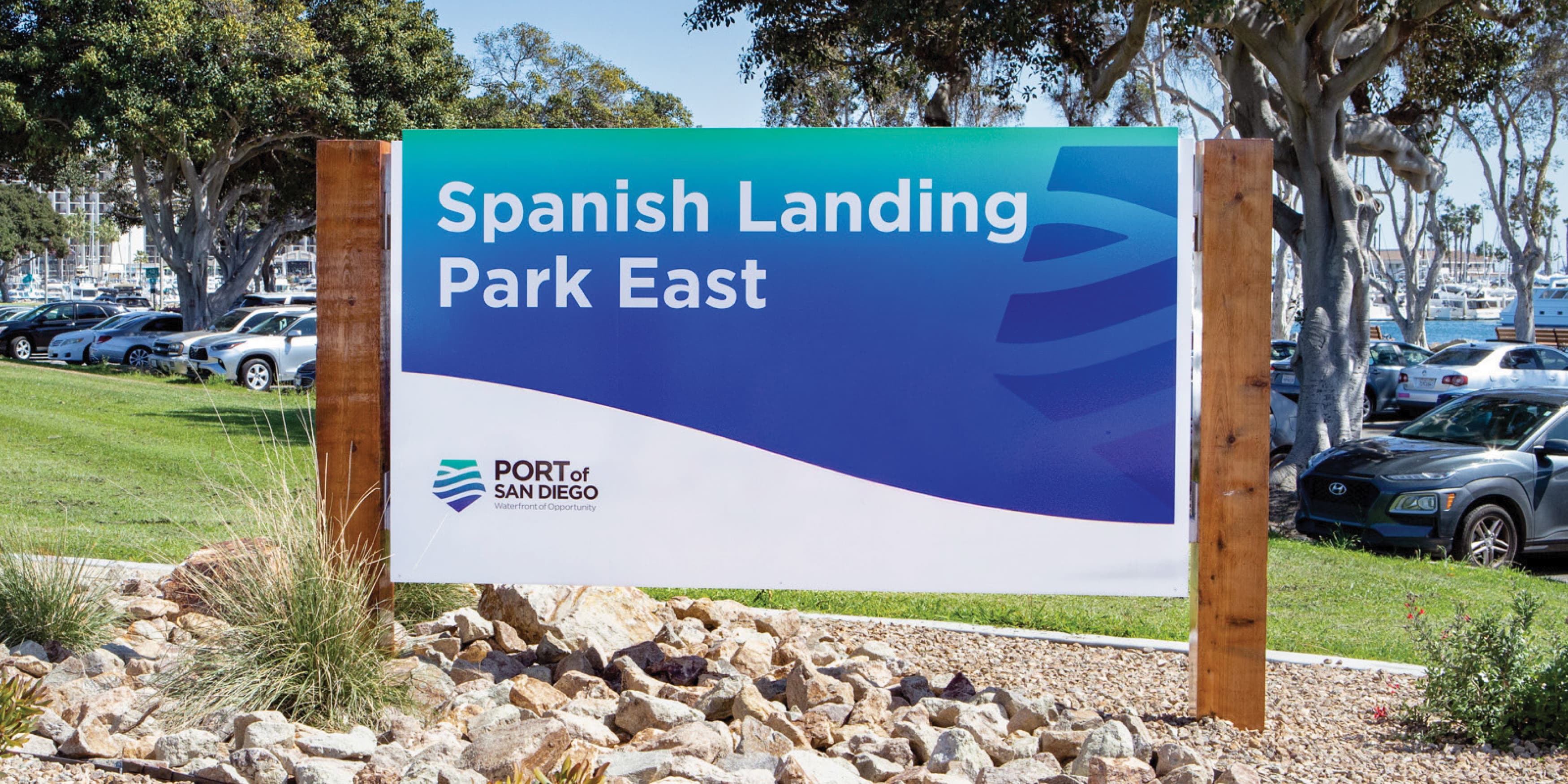
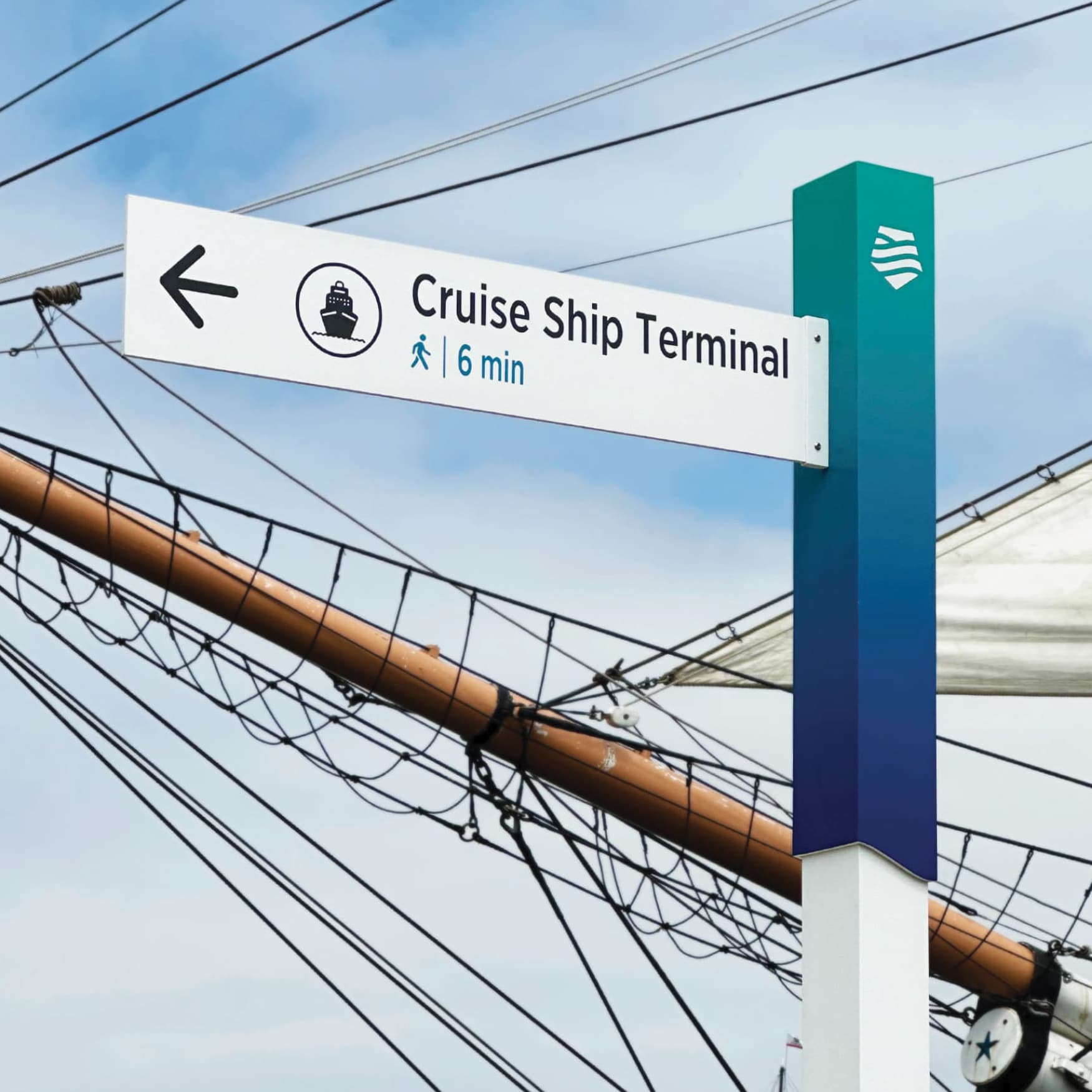
Port of San Diego, Client: Port of San Diego
RSM Design’s Waterfront Expertise
For nearly three decades, RSM Design has collaborated with architects, planners, developers, and community leaders to shape vibrant coastal destinations through placemaking, environmental graphics, and sustainable wayfinding systems.
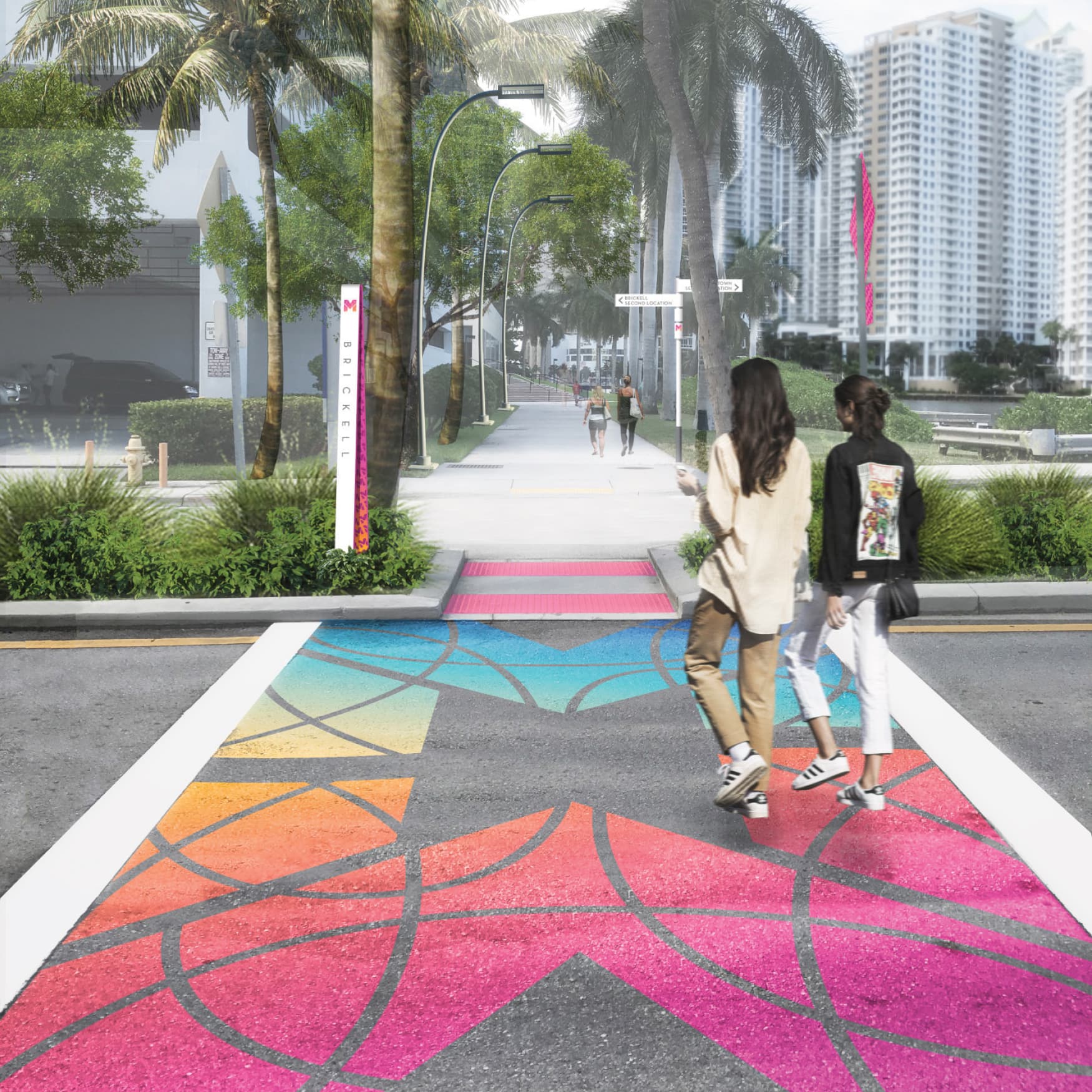
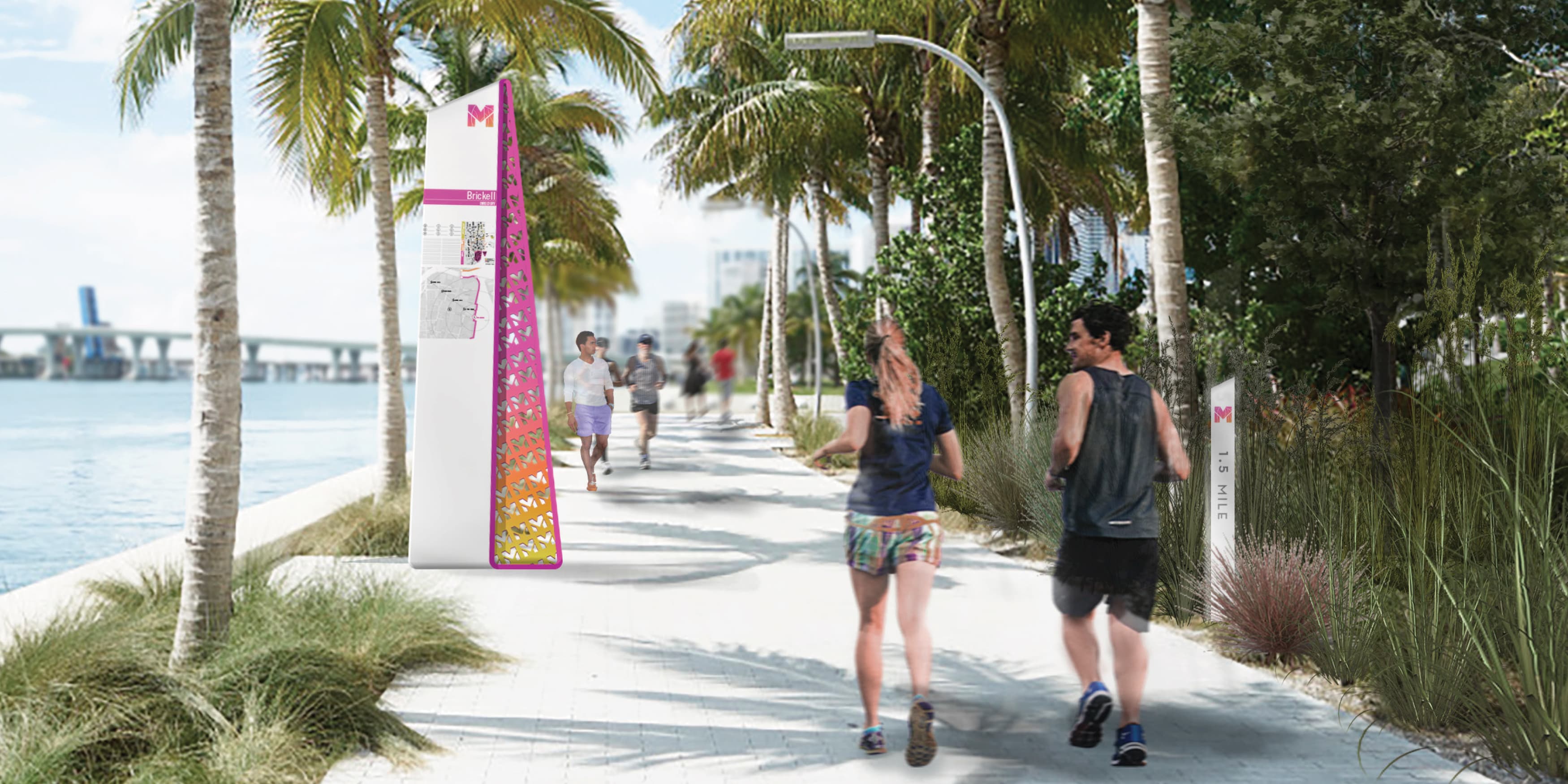
At Wai Kai in Ewa Beach, Hawai‘i, the team created a visual and experiential language that merges sport, culture, and community, an approach rooted in authenticity and movement that mirrors the Olympic spirit. Similarly, at Jack London Square in Oakland, California, RSM Design’s signage and branding framework enhances the pedestrian experience across a historic working waterfront, blending industrial heritage with a contemporary sense of arrival. And along the Miami Baywalk, RSM Design developed wayfinding strategies that navigate both land and water routes, connecting residents and visitors to a continuous urban shoreline.
Across harbors, marinas, and beach promenades, RSM Design integrates signage, landscape, lighting, and architecture into cohesive systems that complement their surroundings while enhancing the rhythm of coastal life. Each project—whether permanent, phased, or event-based—demonstrates how design can help people not just reach their destination, but feel a connection to the place itself.
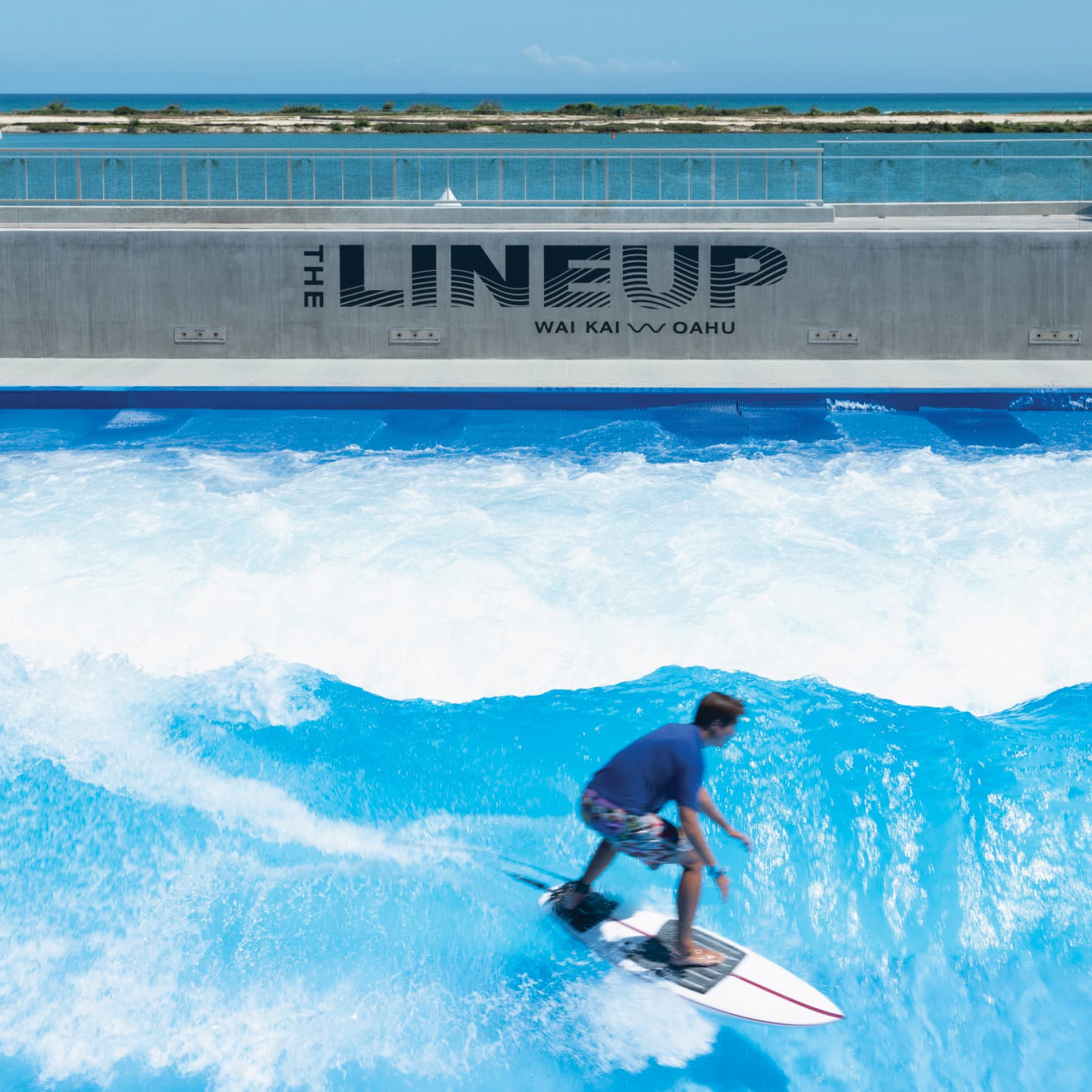
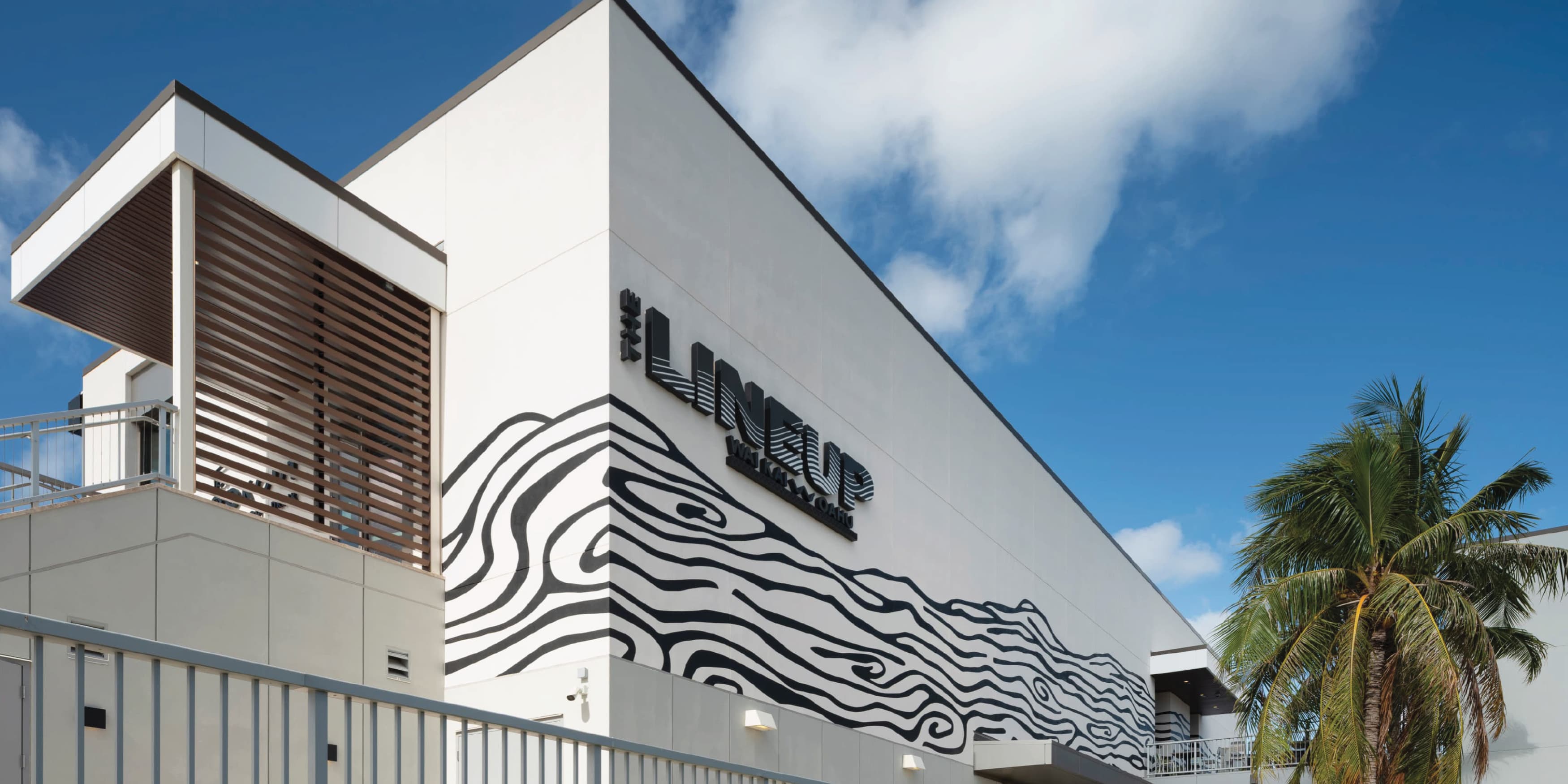
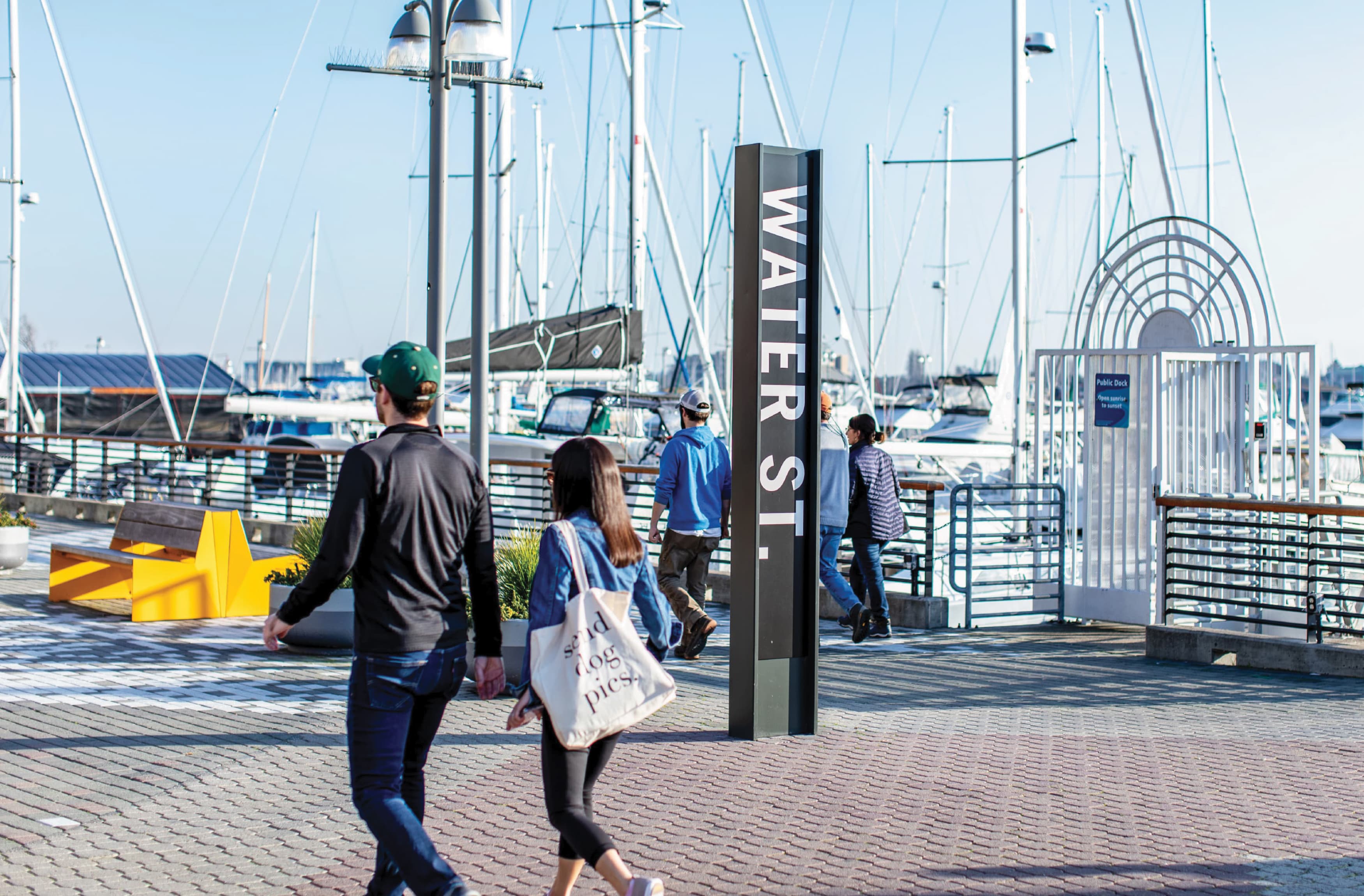
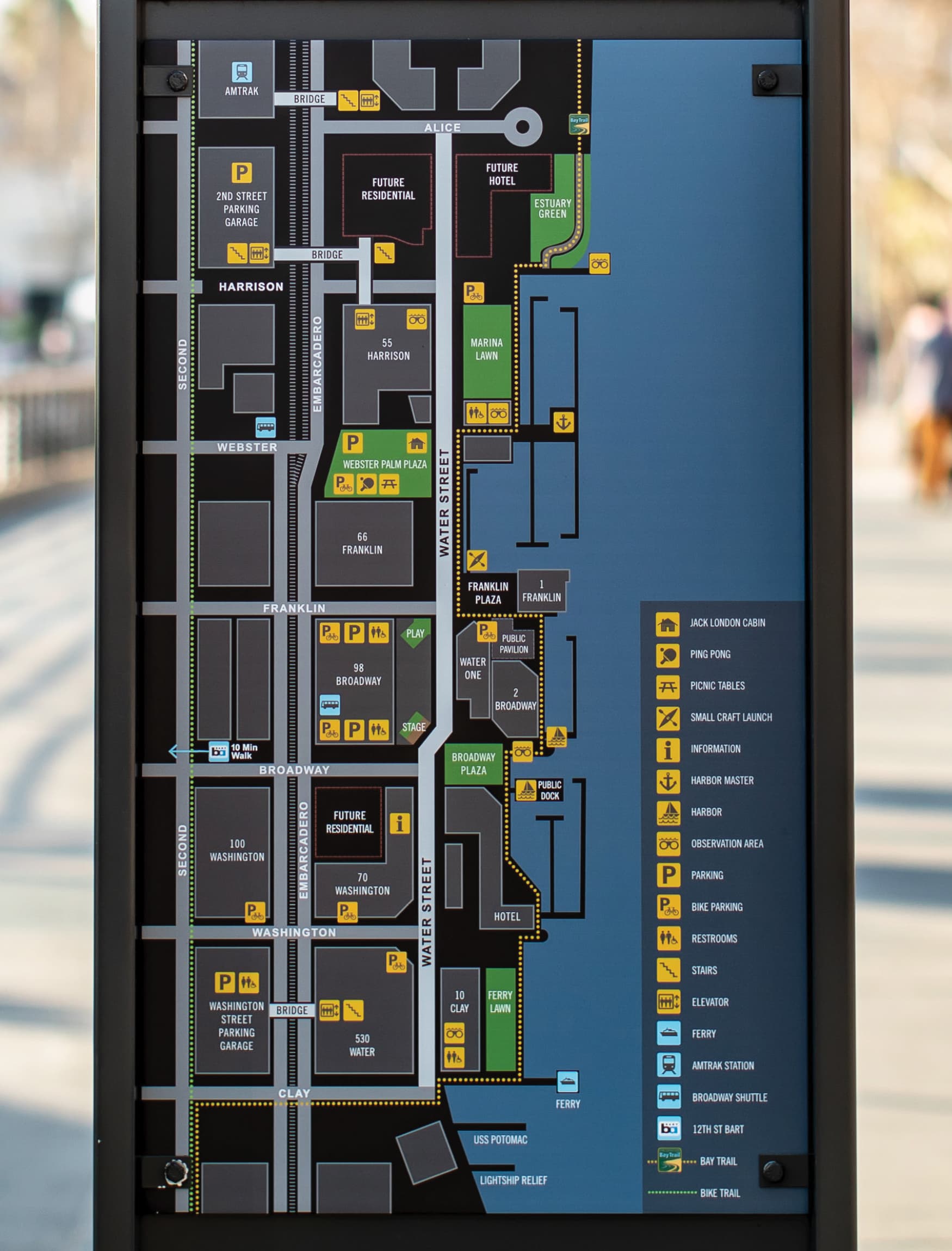
Wai Kai, Client: Haseko Development (top row), Jack London Square, Client: CIM Group (bottom row)
Envisioning an Approach to Waterfront Design
Designing for the waterfront is as much about movement as it is about meaning. RSM Design approaches each site as a living ecosystem—where signage, storytelling, and environment come together to guide and inspire. For Olympic-scale coastal venues, this mindset translates into a series of interconnected strategies.
DESIGNING FOR FLOW
Every shoreline moves differently. RSM Design studies how people, vehicles, and water interact, mapping the rhythms of arrival and discovery from marinas to boardwalks. The result is a coastal wayfinding network that feels intuitive and visually cohesive, even amid the energy of the Games.
DEFINING IDENTITY
The spirit of the Olympics and the character of Los Angeles’ coast share a common language of optimism and connection. RSM Design weaves this into each project through environmental graphics, experience design, and placemaking moments that reflect light, surf, and the culture of Southern California’s communities.
INTEGRATING TECHNOLOGY
Digital tools help waterfronts communicate in real time. From interactive kiosks to mobile-enabled navigation, RSM Design imagines a connected experience that responds to shifting tides, event schedules, and crowd flow with clarity and immediacy.
DESIGNING FOR EVERYONE
Accessibility defines inclusivity. RSM Design creates ADA-compliant signage systems that support independence for all visitors, using tactile details, high-contrast palettes, and legible typography suited to coastal conditions.
The Next Wave of Waterfront Design
Delivering a meaningful waterfront experience takes creativity, precision, and a deep understanding of place. RSM Design unites these elements through years of experience shaping international waterfronts and surf destinations.
With RSM Design’s roots in Southern California, the studio understands the culture and rhythm of Los Angeles’ coastline—knowledge that informs every decision, from sustainable materials to digital wayfinding. Collaborating with architects, planners, developers, and community leaders, RSM Design crafts signage and placemaking systems that are intuitive, enduring, and connected to their environment.
As the 2028 Olympic and Paralympic Games approach, these coastal venues will once again welcome the world to the Pacific. Through thoughtful wayfinding and inclusive design, RSM Design envisions waterfront experiences that guide, connect, and celebrate people from around the globe, where finding direction also means discovering a deeper sense of place.
Read more about how RSM Design connects movement and storytelling in Adventure Hospitality ›