Next article
Out of Office: Inspiration Close to Home
Posted November 06, 2026 · RSM Culture
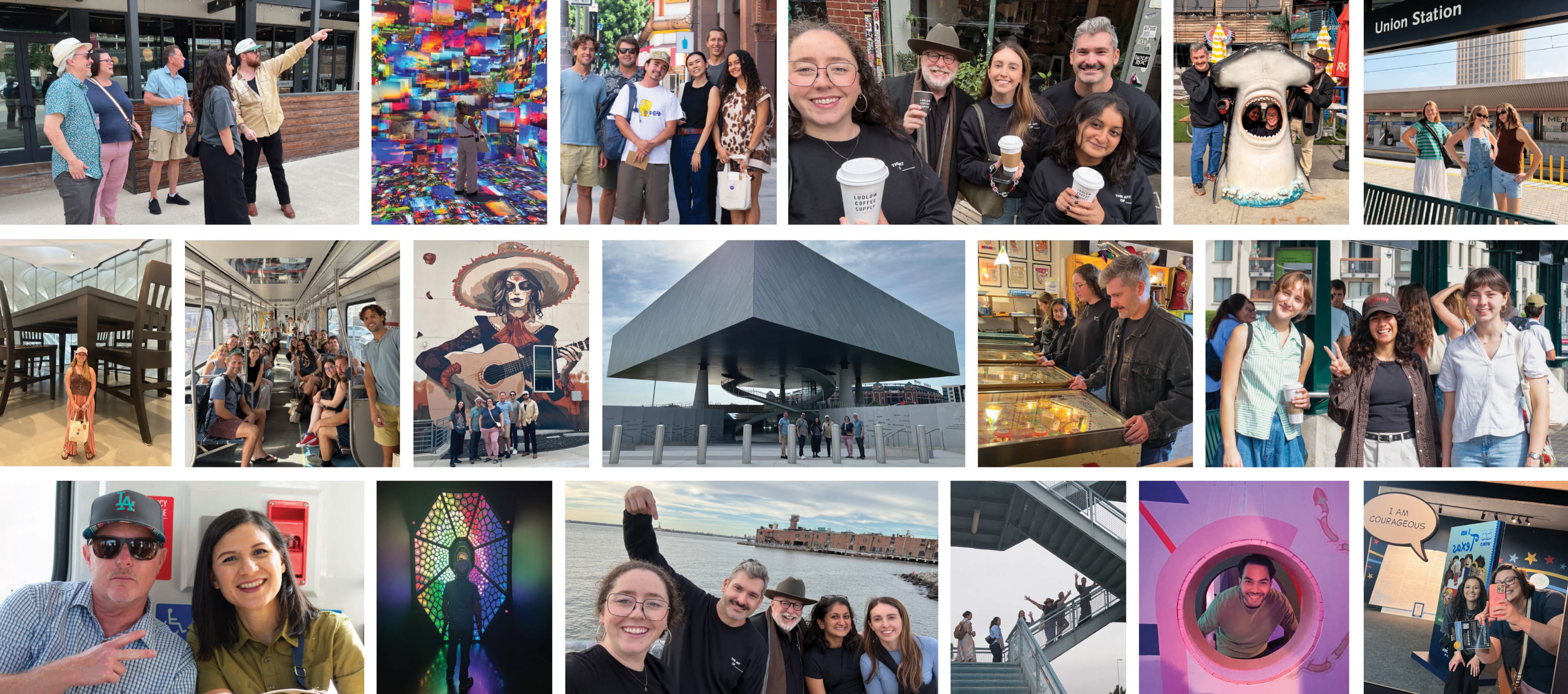
Once a year, RSM Design pauses to gather for our annual team workshop. It’s a chance to learn, explore, and reconnect beyond the studios. The day is an opportunity to sharpen the saw: to step away from our daily routines and invest in ourselves on a mental, physical, and emotional level. By making space for reflection, creativity, and connection, we strengthen our perspective, nurture our well-being, and find fresh inspiration in the world around us. We return to the studio with renewed curiosity, stronger relationships, and new ideas ready to take form.
This year’s theme, Out of Office (OOO), we stayed local to our studios. Instead of gathering in a single destination, each studio sought to uncover creative inspiration in its own backyard. Four studios, three different itineraries. Each studio planned its own workshop, with team members bringing the places and stories that inspire them. The workshops included field trips, talks from guest speakers, shared meals, and opportunities to discover new perspectives on the cities they call home.
Along the way, local transit became part of the adventure, from commuter rails and a harbor ferry to a van affectionately dubbed the “RSM-mobile.”
On the same day, four studios in three states set out to see their own cities with fresh eyes.
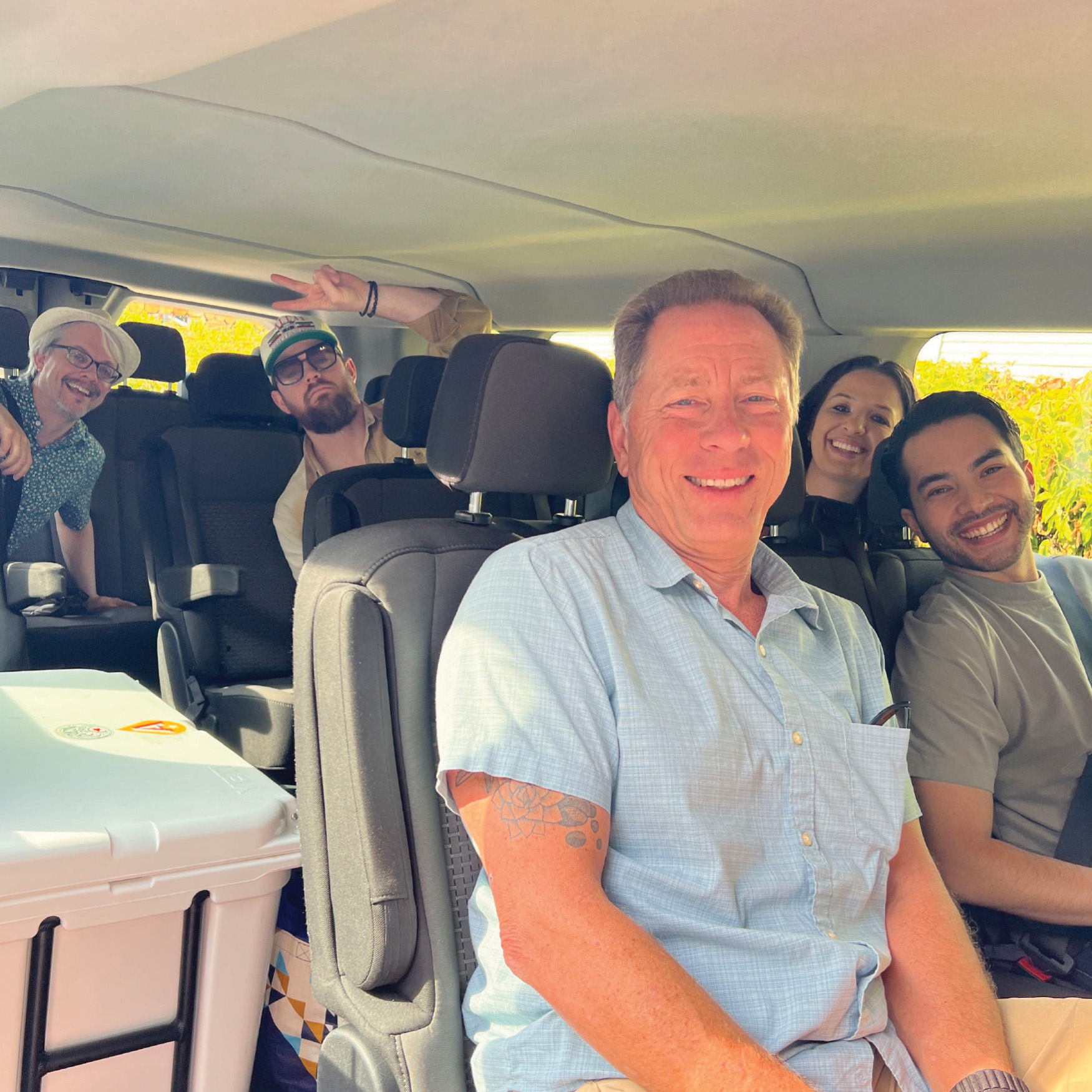
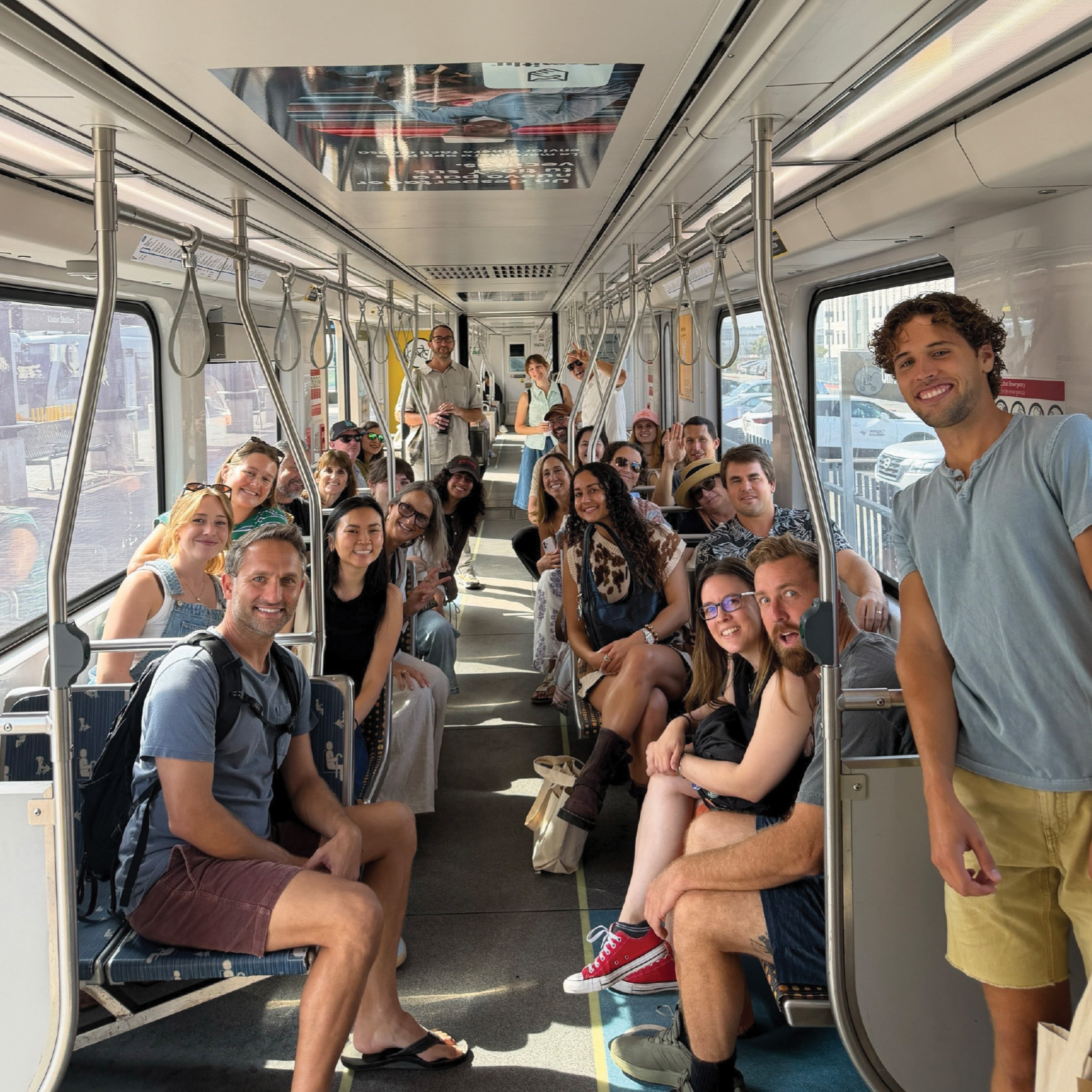
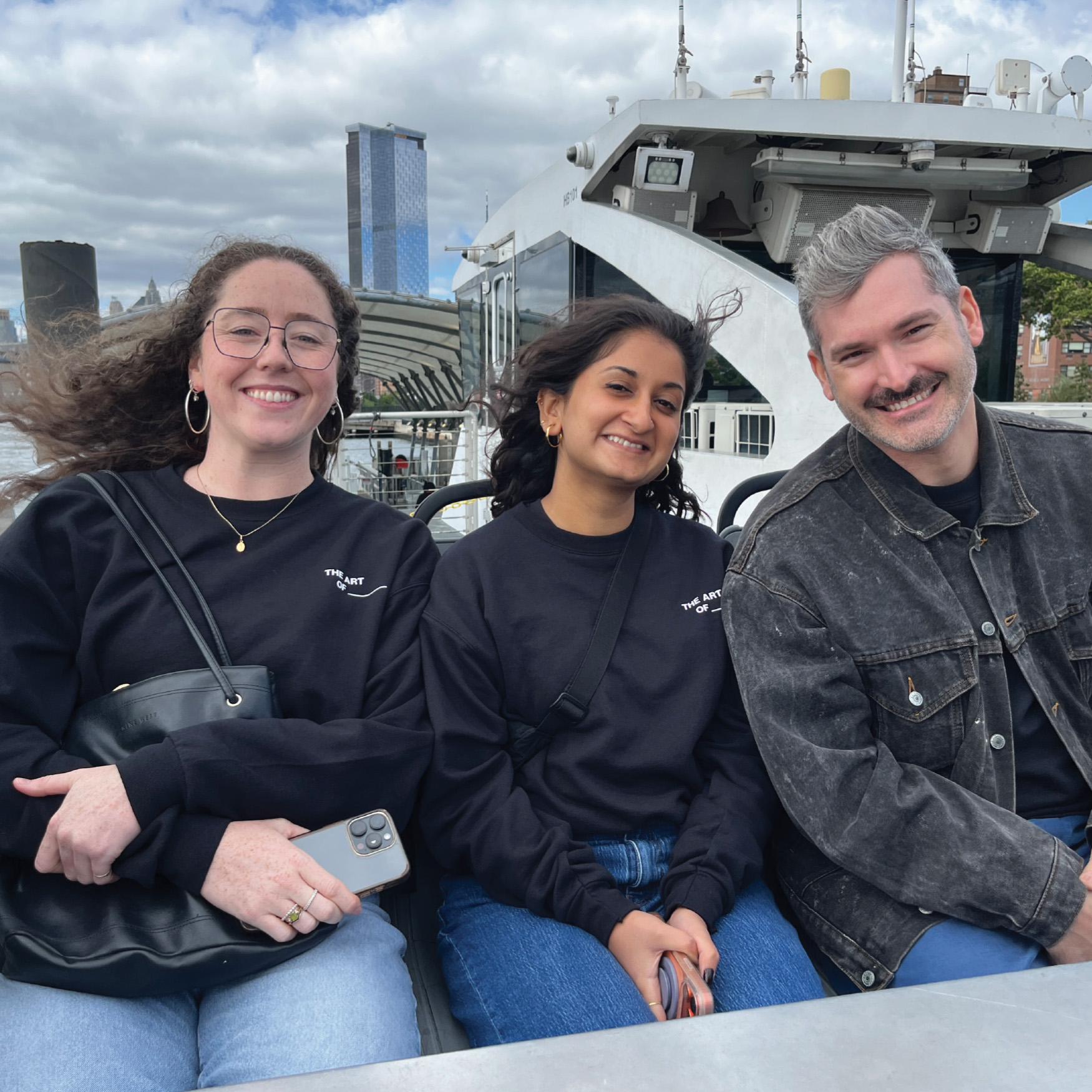
Dallas studio (left), Los Angeles and San Clemente studios (middle), New York studio (right)
Los Angeles & San Clemente
Adventures Around Los Angeles
For the Southern California studios, the trip itself became part of the experience. Our San Clemente team boarded the Amtrak Pacific Surfliner and rode the coast north to Union Station, meeting our Los Angeles colleagues inside what is often called “the last of the great train stations.” Teammates opened the day with the story of the landmark, setting the tone for a tour led mostly by the team itself. Completed in 1939 by father-and-son architects John and Donald Parkinson, the station blends Spanish Colonial, Mission Revival, and Art Deco influences into a style now known as Mission Moderne. It remains the largest railroad passenger terminal in the Western United States.
“Taking public transit, quirks and all, offers valuable insight into wayfinding and how we can improve the navigation experience for everyone.”
A quick Metro ride led our team to the Bradbury Building, a downtown landmark since 1893. Beneath its skylit atrium and intricate ironwork, it served as a backdrop for well known films including Blade Runner and (500) Days of Summer. Two team members from the office of Francis Krahe & Associates, an architectural lighting and engineering design firm located in the Bradbury Building, shared the rich layers of the building’s history. We then walked Historic Broadway, tracing the district’s past through its row of historic theatres, block by block, before refueling at Grand Central Market, a historic public food hall that has been serving Downtown LA since 1917.
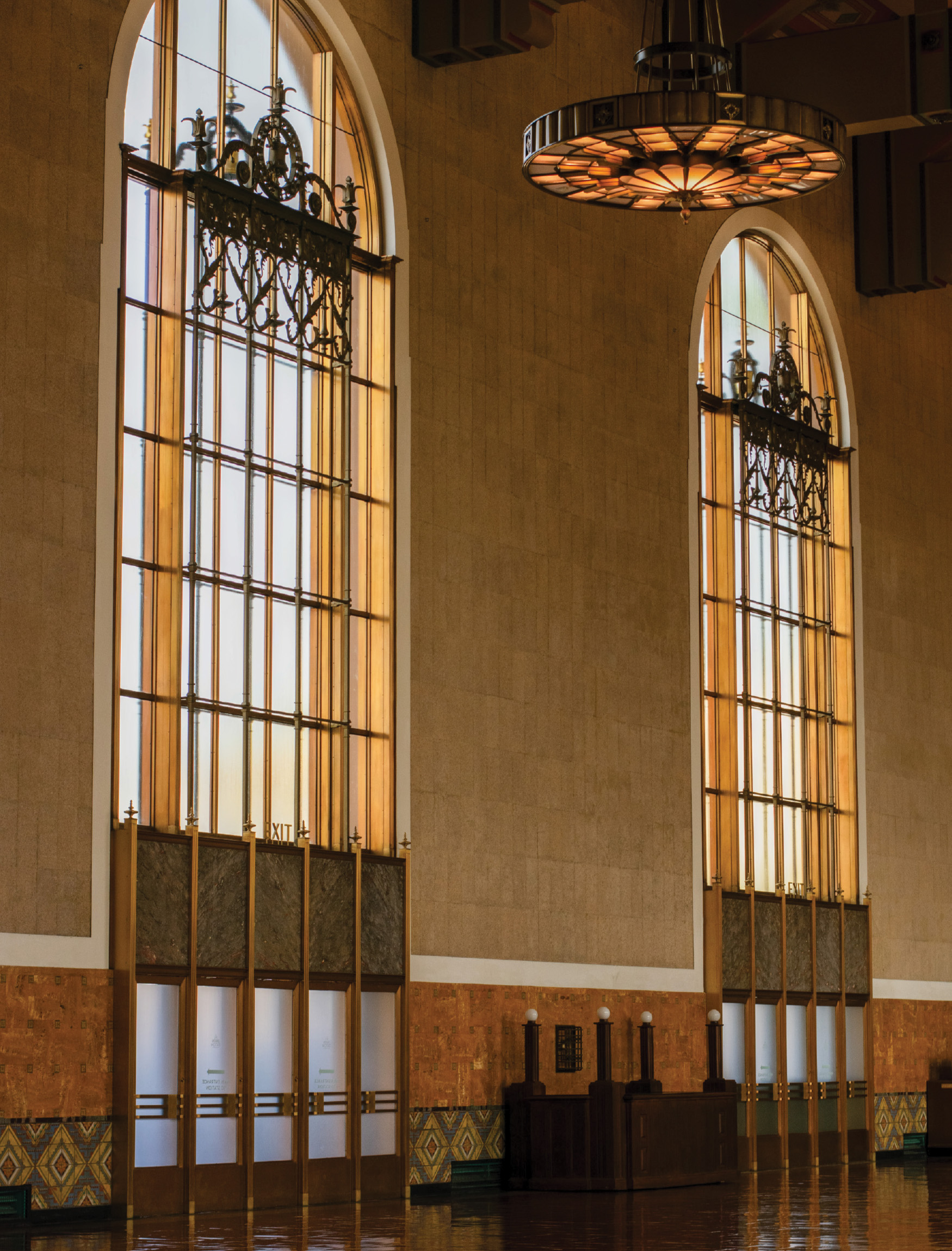
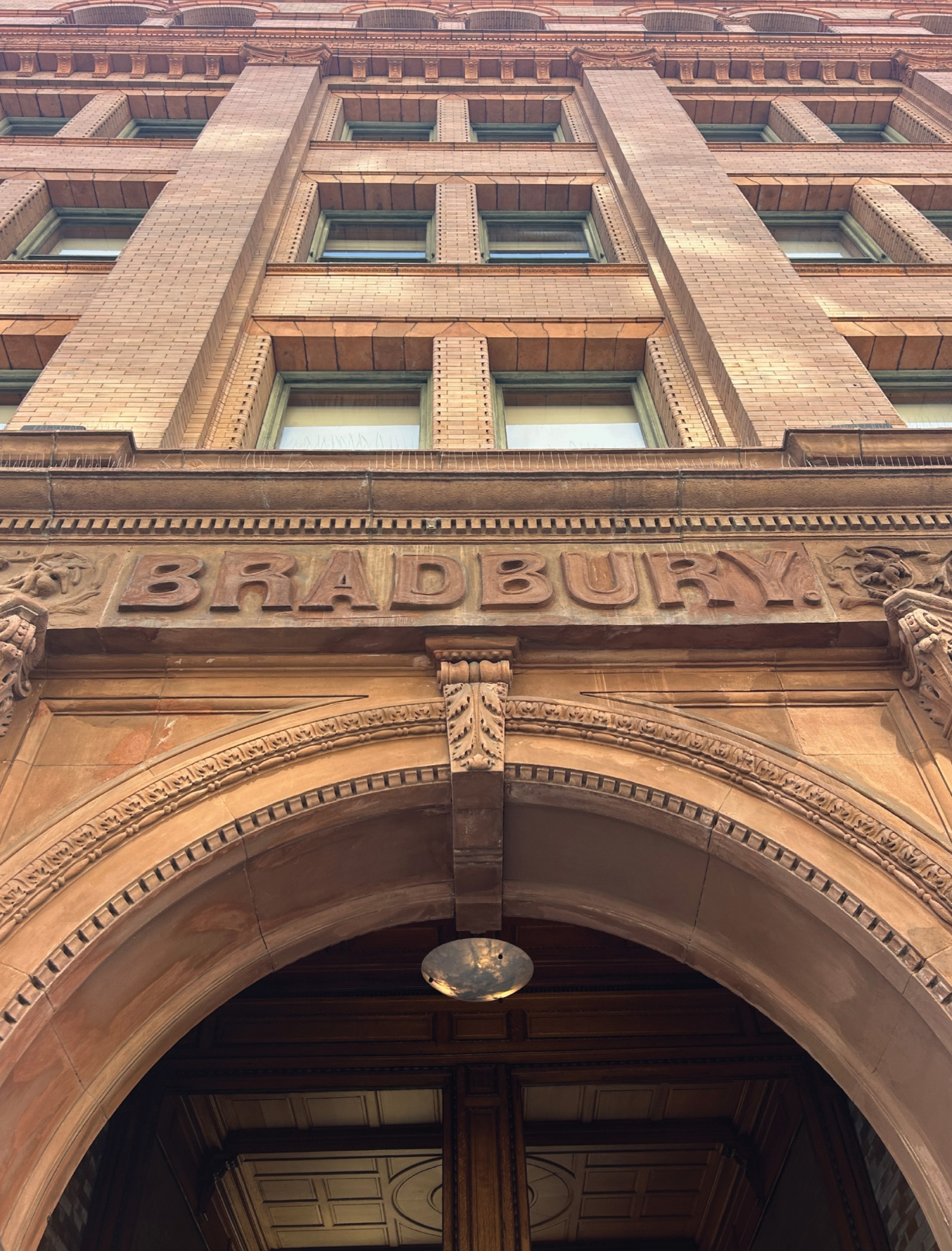
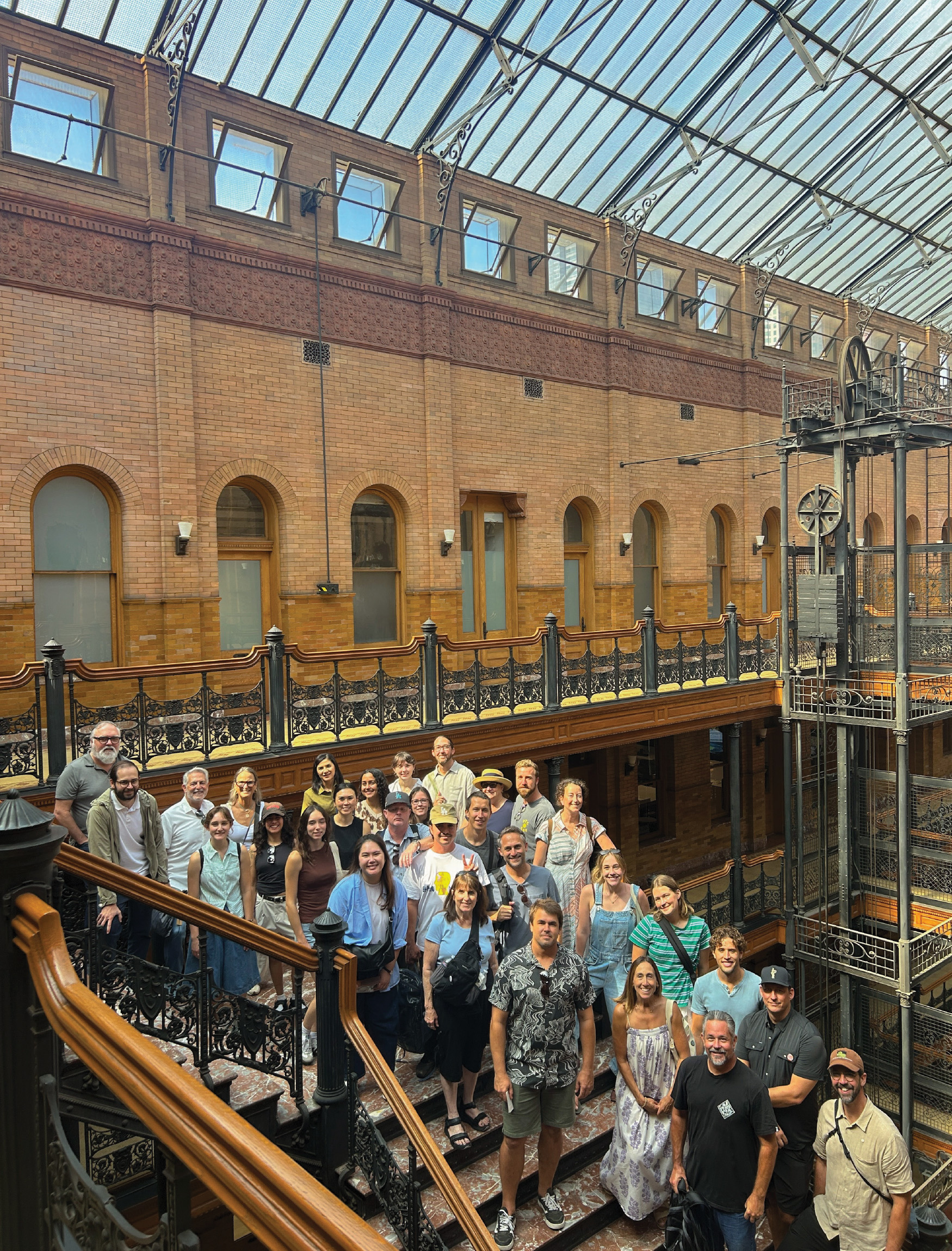
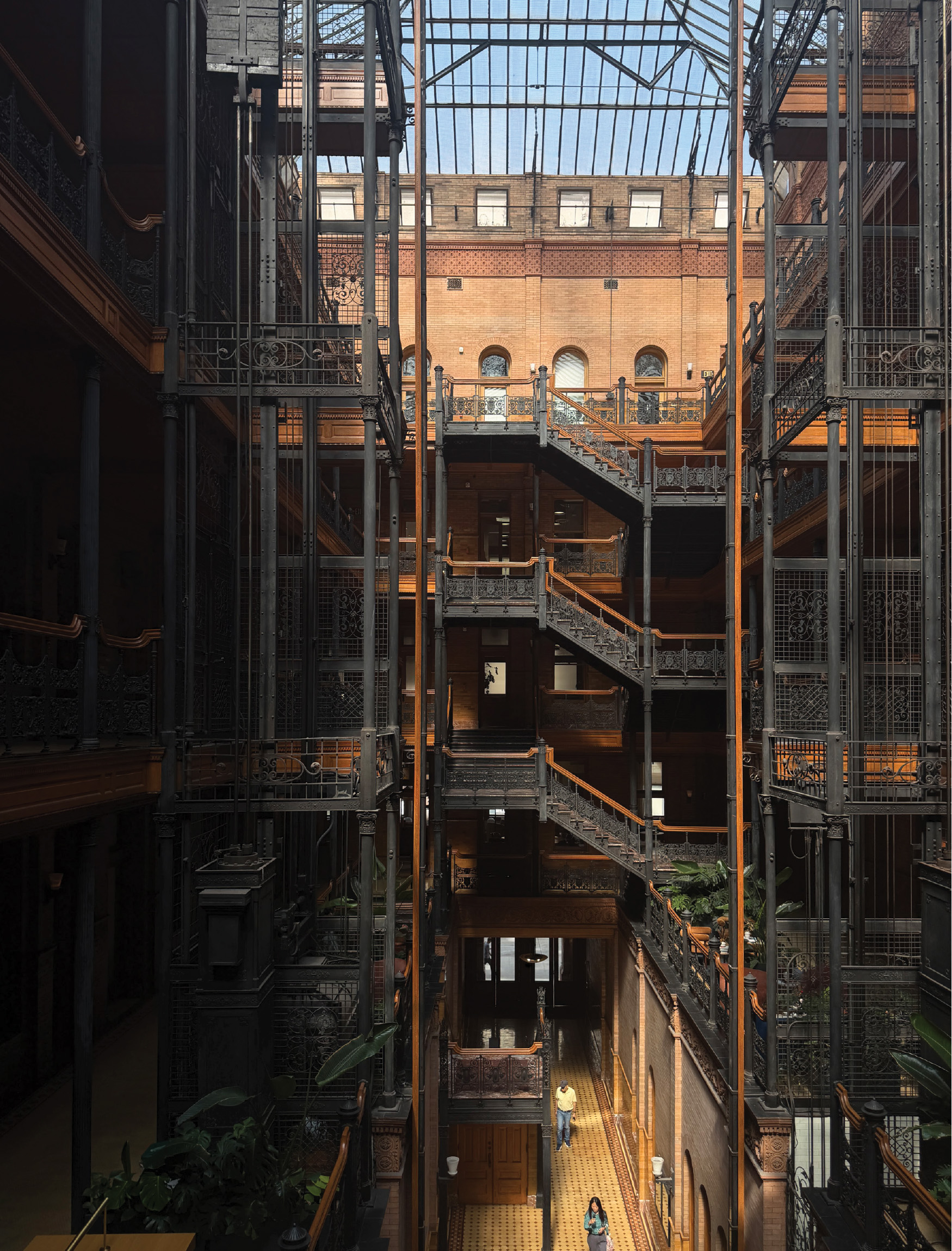
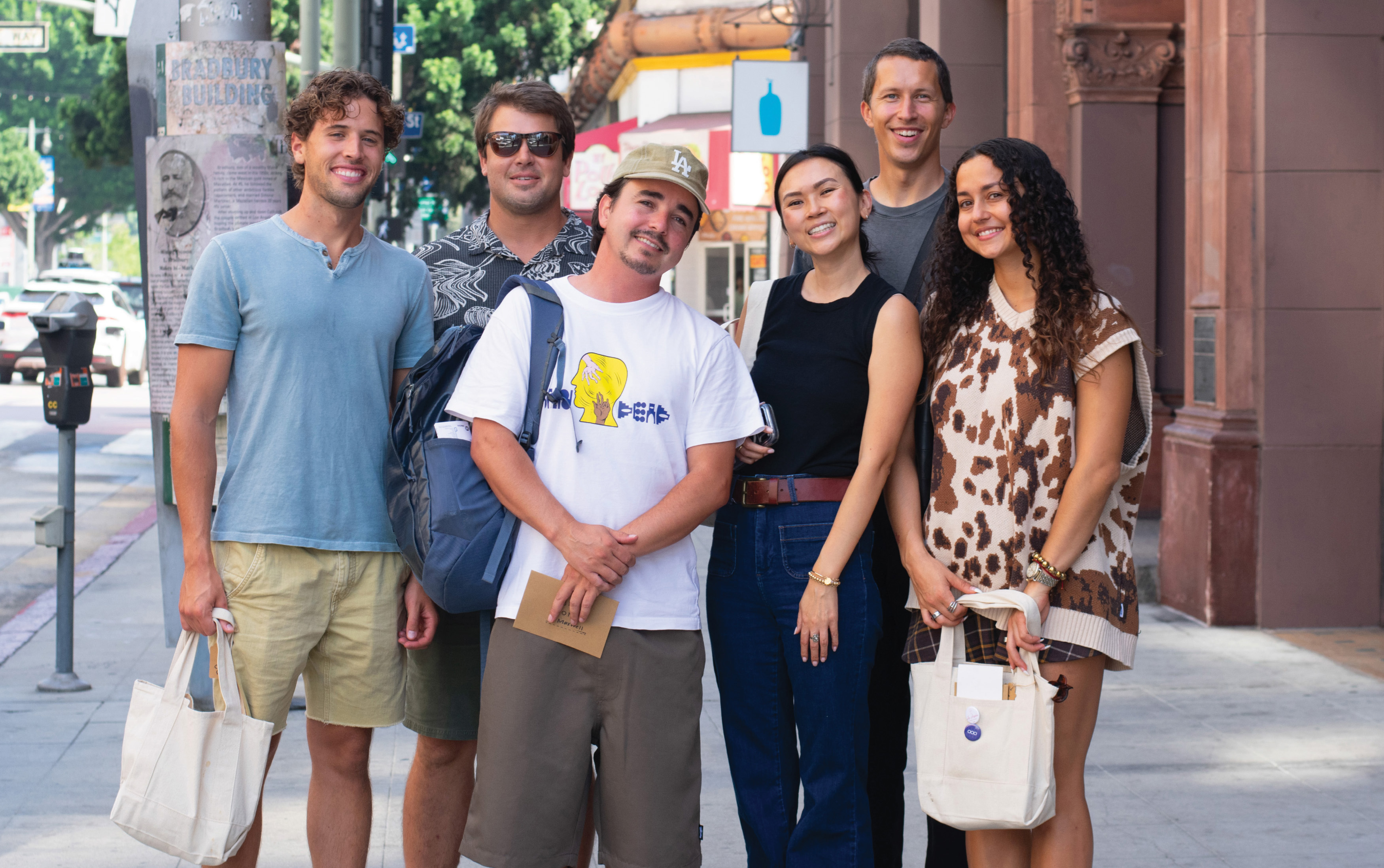
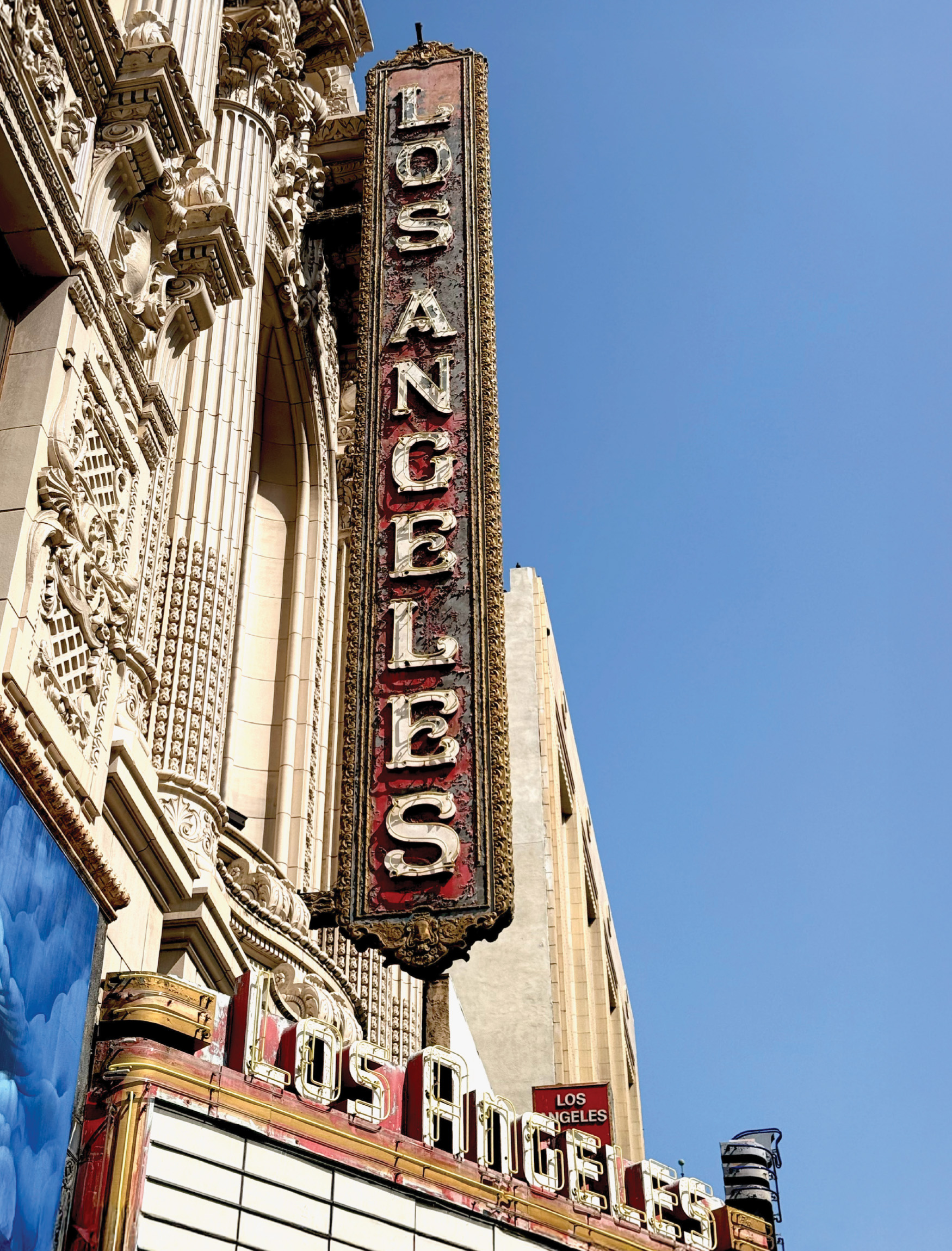
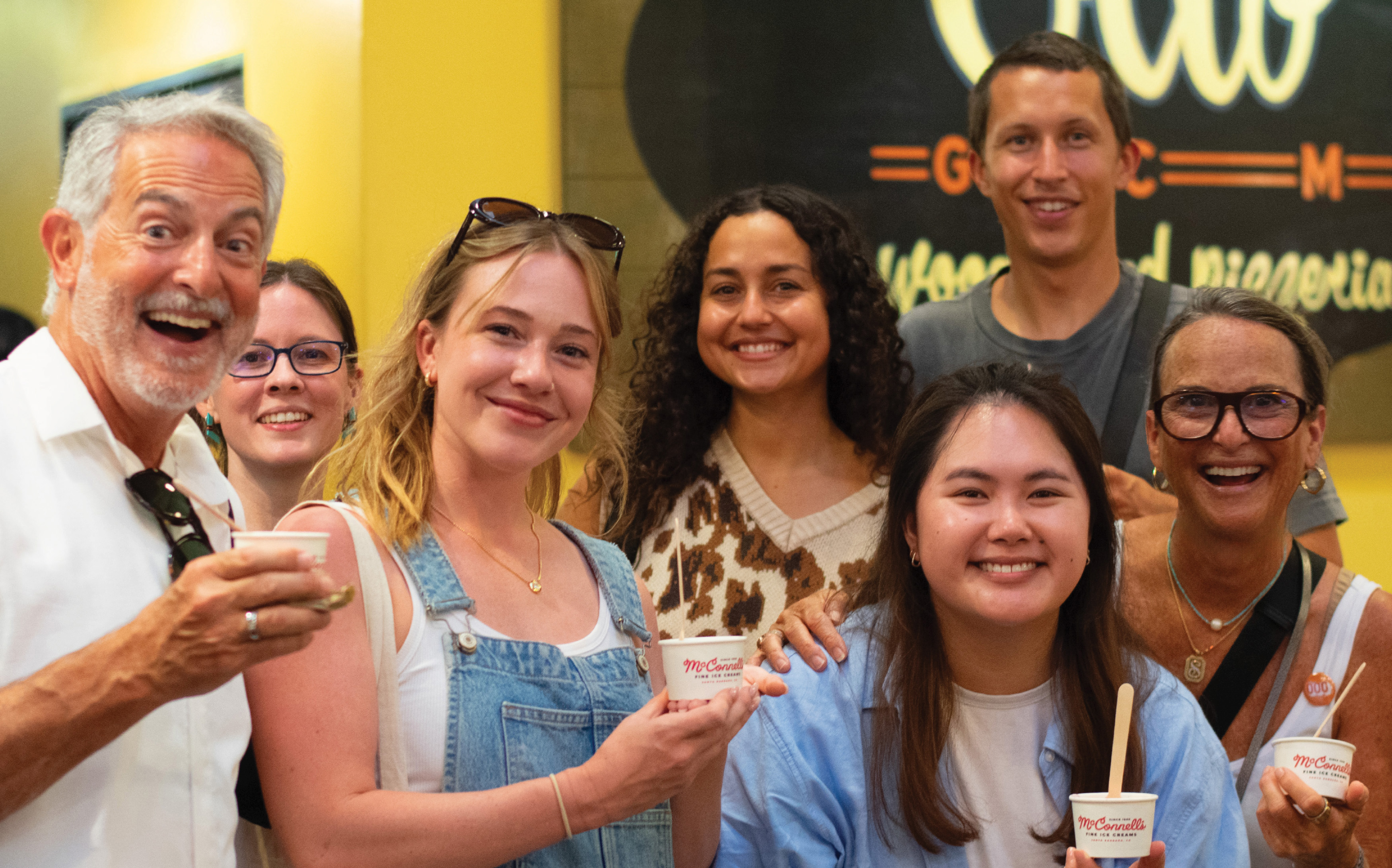
Union Station (row 1), The Bradbury Building (row 2), Historic Broadway (row 3), Grand Central Market (row 4)
Across the street sits Angels Flight Railway, billed as “the world’s shortest railway.” The funicular has carried passengers up Bunker Hill since 1901, logging more than 100 million rides. We all piled into the car together for the climb to the top.
Next came Dataland, which describes itself as the world’s first Museum of AI Arts. Founded by Refik Anadol Studio and housed in the Frank Gehry-designed development at The Grand LA, this “living museum” features five galleries and transforms data into art that can be seen, heard, and even smelled. Sensors on wearable trackers monitor movement and heartbeats, allowing the surrounding environment to adapt. In response to visitor movement and heart rate, the surrounding environment adjusts in real time to visitors’ internal metrics. Dataland’s inaugural exhibition, Machine Dreams: Rainforest, is powered by the studio’s Large Nature Model, an AI system trained on an ethically curated archive of ecological data from around the world.
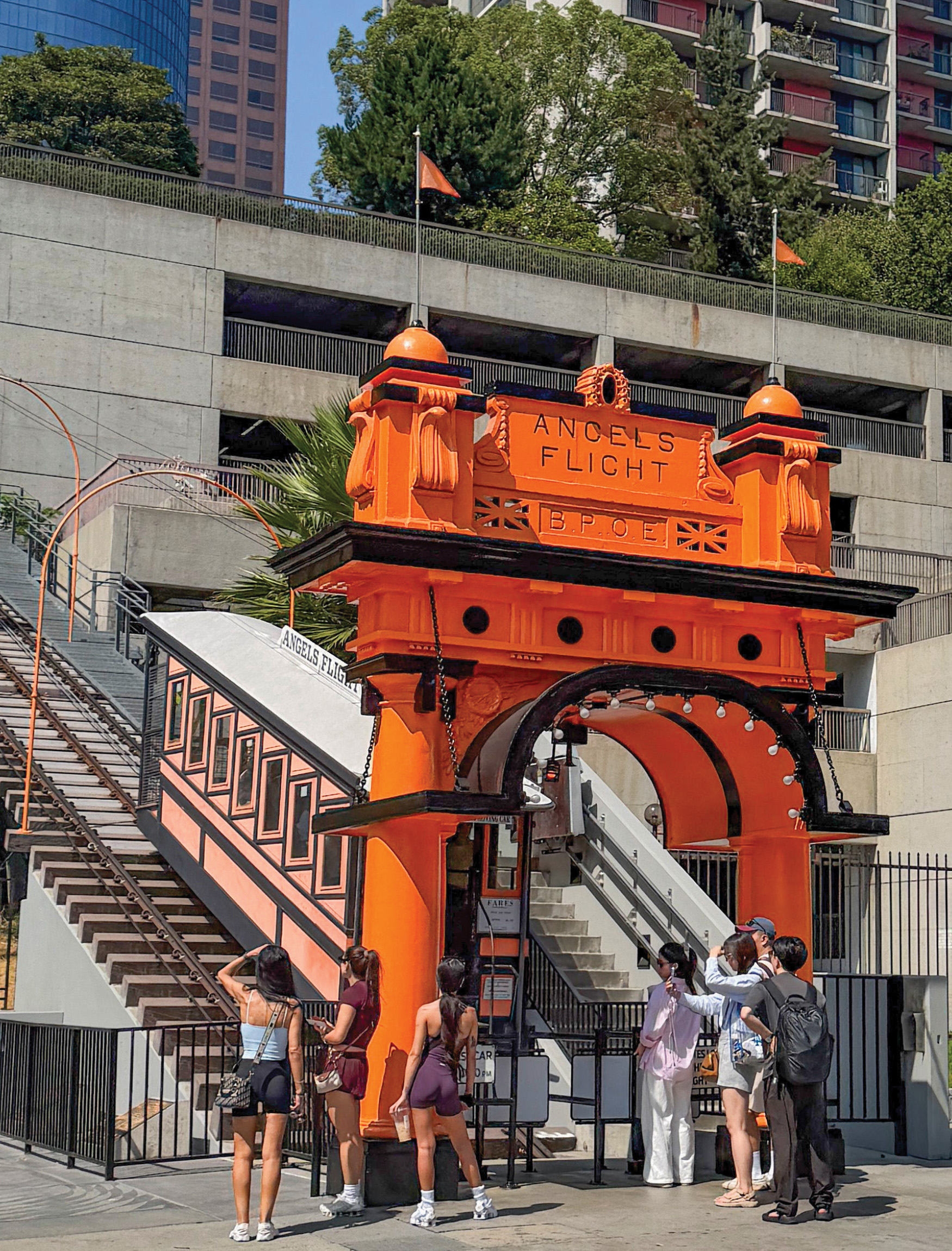
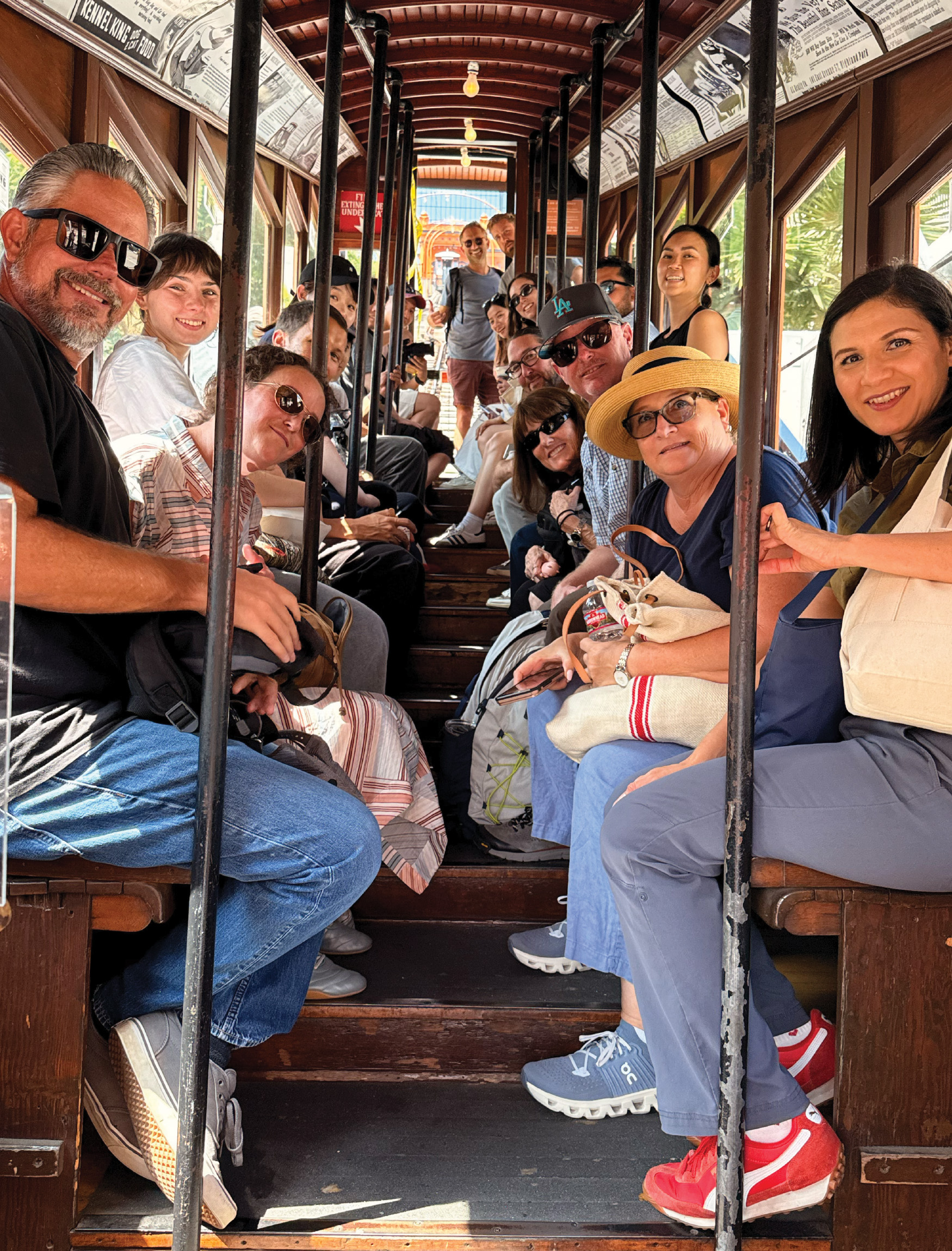
Angels Flight (row 1), Dataland (row 2)
Just up the street, a brief stop at Walt Disney Concert Hall brought the story of Frank Gehry’s stainless-steel landmark whose curving exterior has been compared to a ship, a flower, and origami. Steps away, the team wandered into The Broad, the contemporary art museum founded by philanthropists Eli and Edythe Broad. Designed by Diller Scofidio + Renfro with Gensler, the building wraps a solid “vault” of collection storage in an airy, honeycomb “veil” that filters daylight into the galleries.
Inside, the museum is hosting a temporary exhibition of Yoko Ono’s work, the artist’s first solo museum show in Southern California. The exhibition extends outdoors, where the plaza’s olive trees have become Wish Tree for Los Angeles. Visitors are invited to tie their wishes to the branches, and our team added a few of our own. Ono’s words fit the spirit of the day: “A dream you dream alone is only a dream. A dream you dream together is reality.”
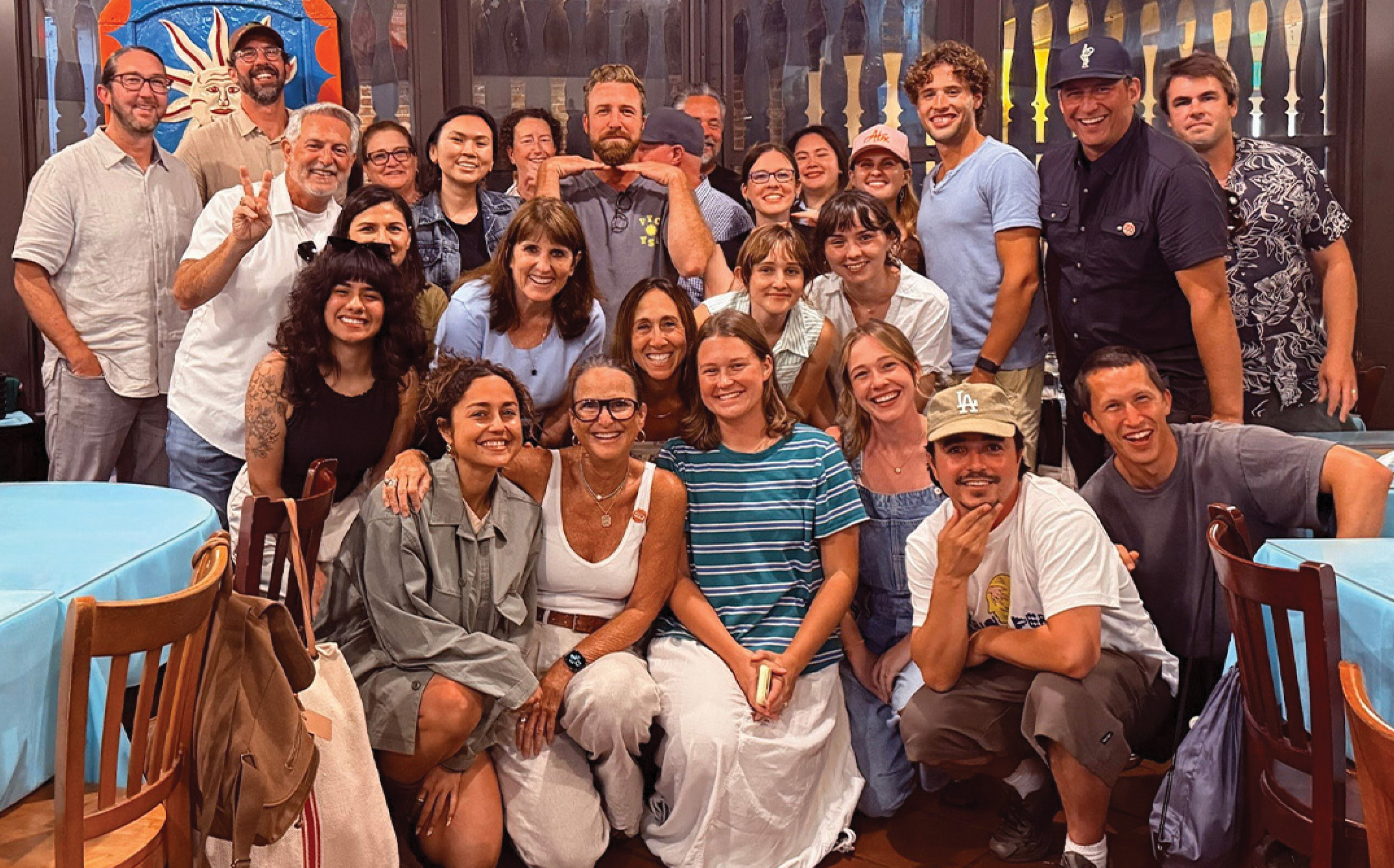
The Metro then carried our team to Olvera Street, a historic pedestrian street and Mexican marketplace in downtown LA, often called the “birthplace of Los Angeles.” The evening wrapped up with dinner at El Paseo Inn where our Los Angeles and San Clemente colleagues reflected on the day before catching the train home from Union Station.
“I love reconnecting with team members from our other studios during the annual workshops. While Zoom keeps us connected throughout the year, it’s so much more meaningful to share a meal, enjoy a tour together, and spend time face-to-face.”
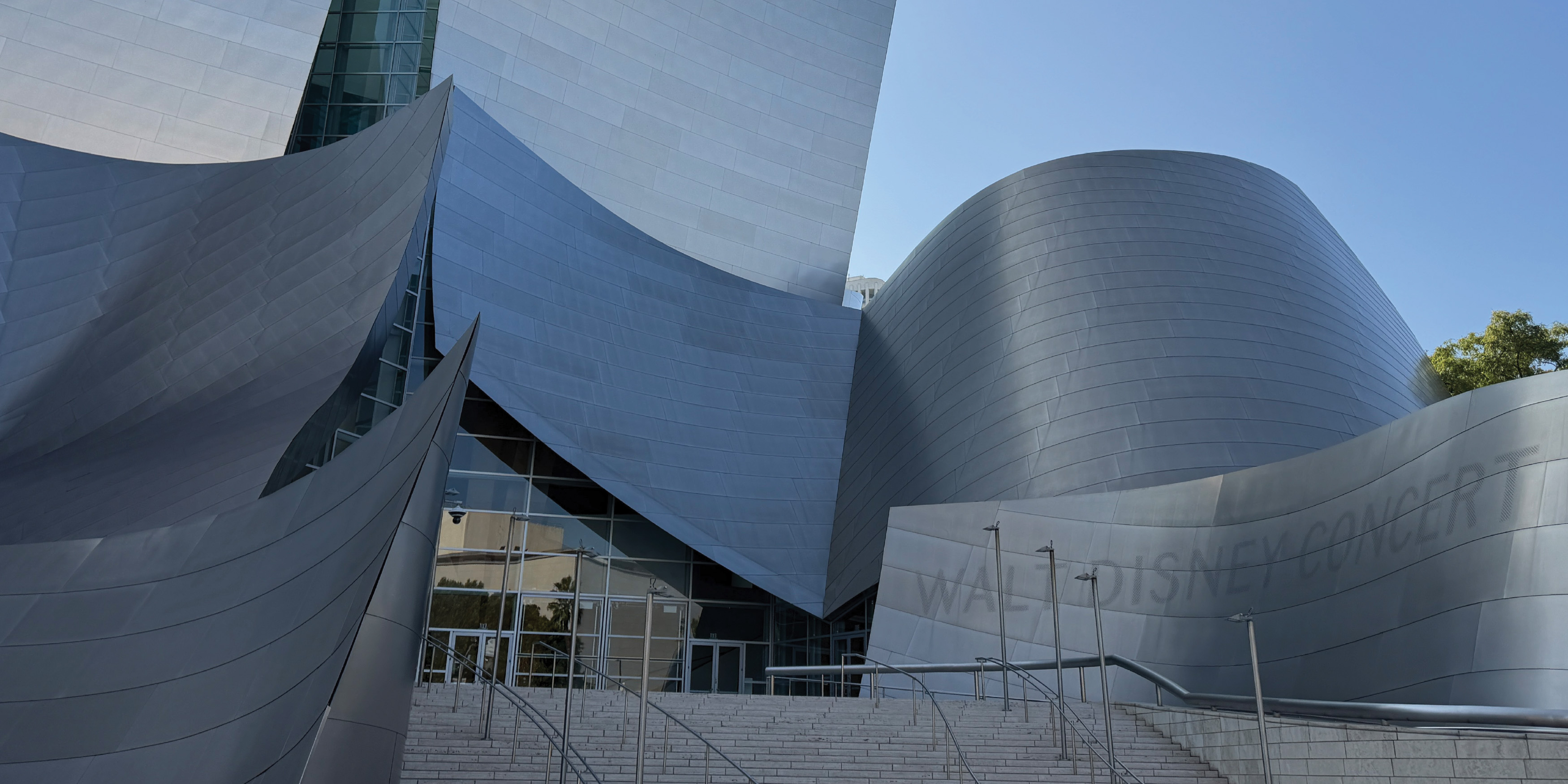
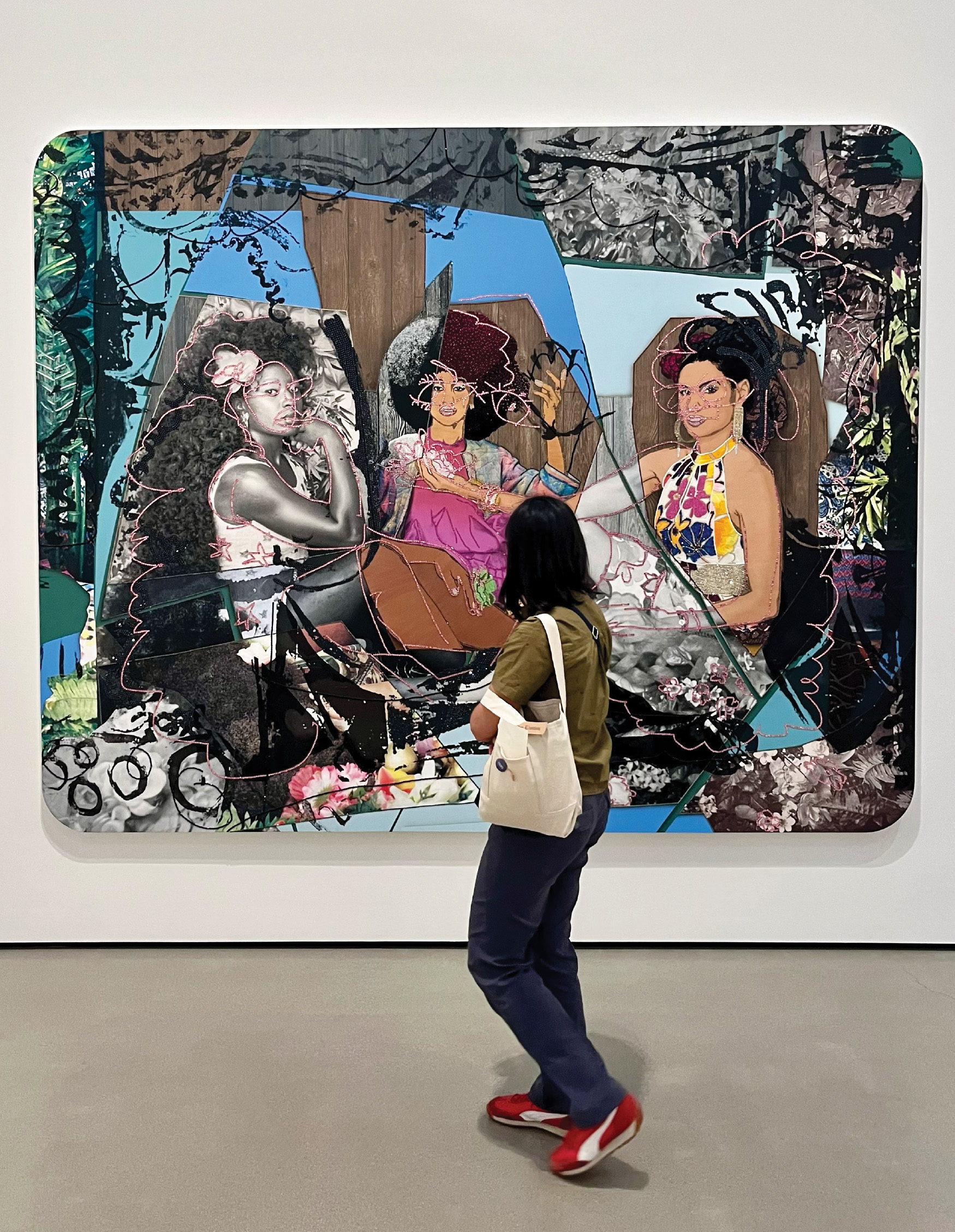
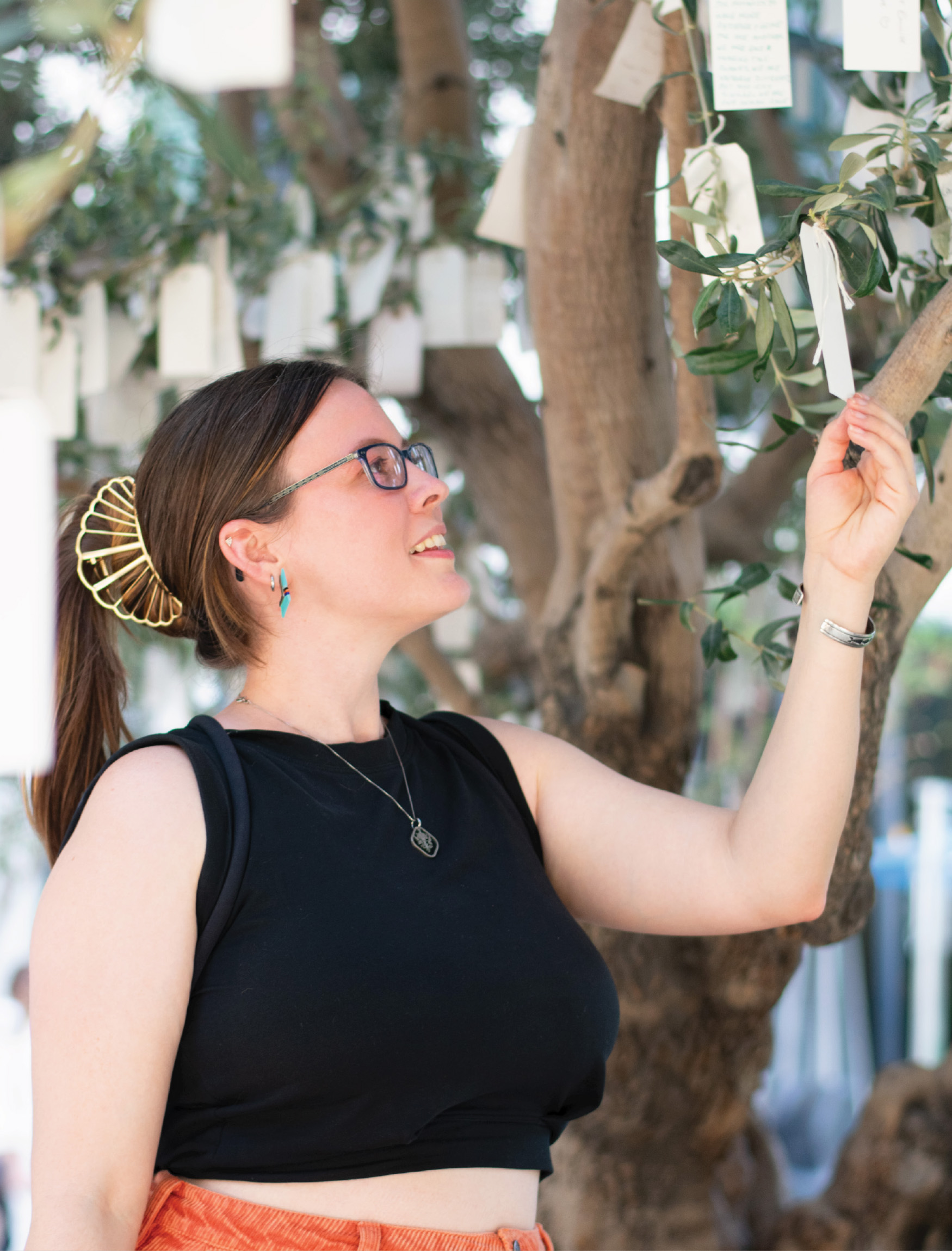
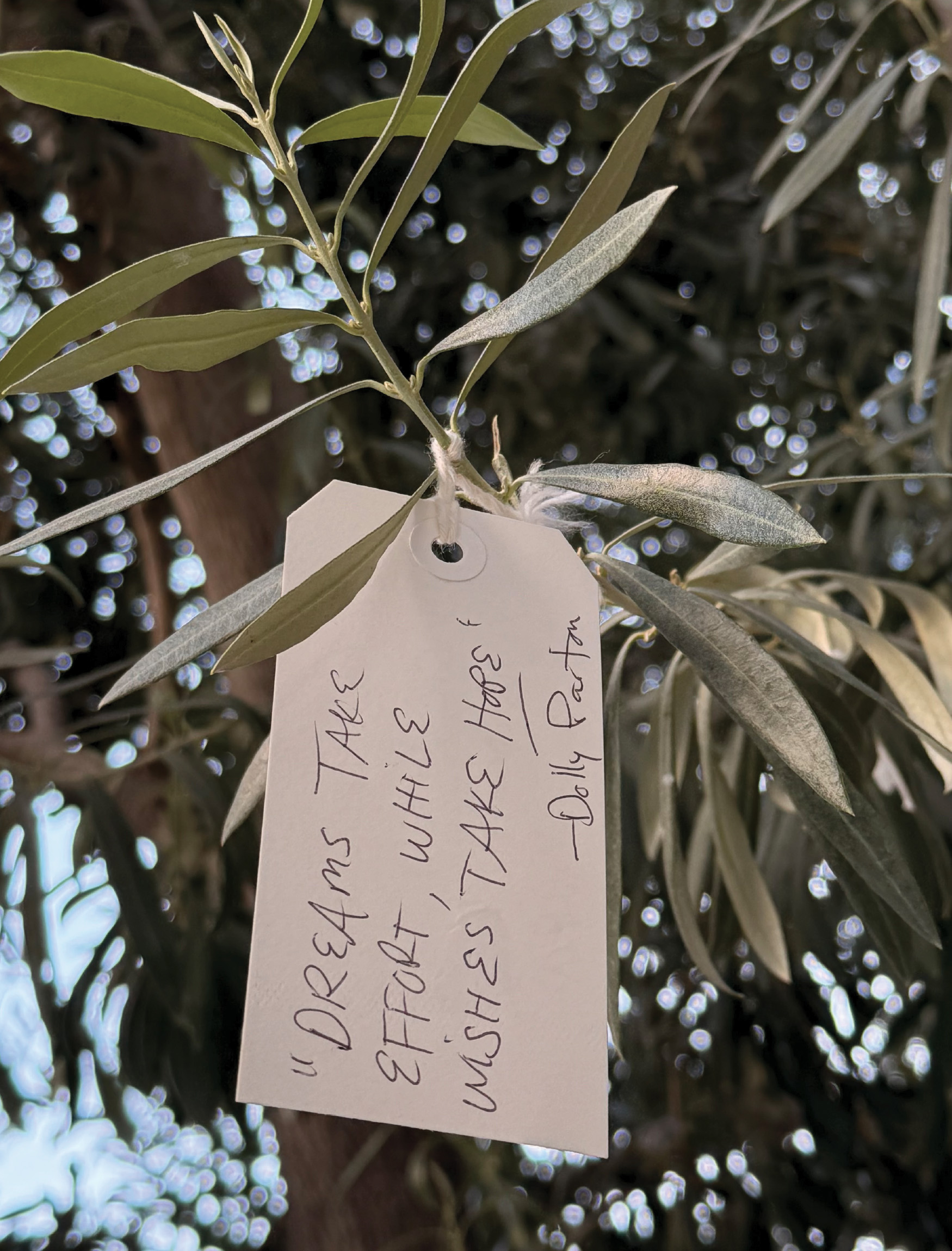
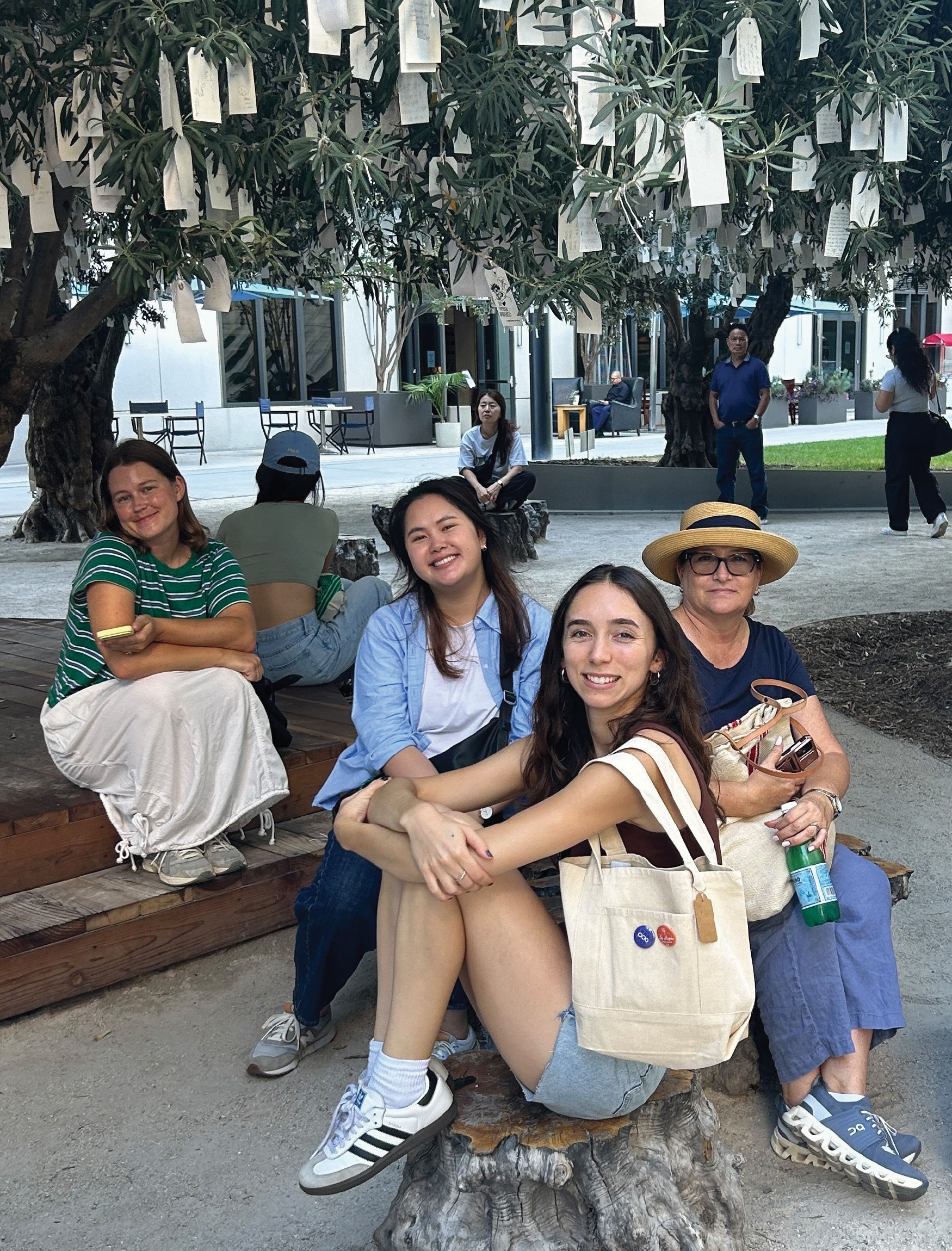
Walt Disney Concert Hall (row 1), The Broad (row 2), Wish Tree for Los Angeles (row 3), Olvera Street (row 4)
Dallas
Roadtripping Through DFW Metro
Our Dallas team gathered for breakfast at the studio, joined by Bassam Komati, AIA, Partner at Rafael Viñoly Architects, before setting out on their adventure across DFW. Komati’s work spans four continents, from the Battersea Power Station Master Plan in London to New York University’s Abu Dhabi campus. Closer to home, he serves as Partner-in-Charge of the National Medal of Honor Museum, which marked the team’s first stop of the day.
Piling into a van nicknamed the RSM-mobile for a loop around the DFW Metroplex, our team arrived in Arlington at the National Medal of Honor Museum to walk through the building Komati’s firm brought to life—a place devoted to the stories of valor and sacrifice behind the nation’s highest military honor. Of the more than 40 million Americans who have served in the Armed Forces since the Civil War, fewer than 4,000 have received the Medal of Honor. Exhibits such as Ring of Valor and Moments of Action carry their stories forward. Exploring this museum was our Dallas studio’s favorite stop of the day.
“Hearing the architect share the vision behind the National Medal of Honor Museum gave us a new perspective, making the visit more meaningful and deepening our appreciation for the design intent.”
Midday brought our team to familiar ground: Toyota Music Factory in Irving. This mixed-use entertainment hub is recognized as a multi-award-winning project by RSM Design, and it highlights our firm’s meaningful work spanning environmental graphic design, wayfinding signage design, public art and mural design, placemaking design, and architectural graphic design. Associate Zach Burson, a key designer on the project, guided our team on a tour highlighting the destination’s development narrative. He explained how the conceptual architecture was inspired by a campfire—a timeless symbol of community and shared storytelling. He also highlighted key design features, including a color-tiered, branded parking garage that simplifies arrival, an intuitive site-wide wayfinding system, and the iconic neon bucking bronco that quickly became a cherished local landmark.
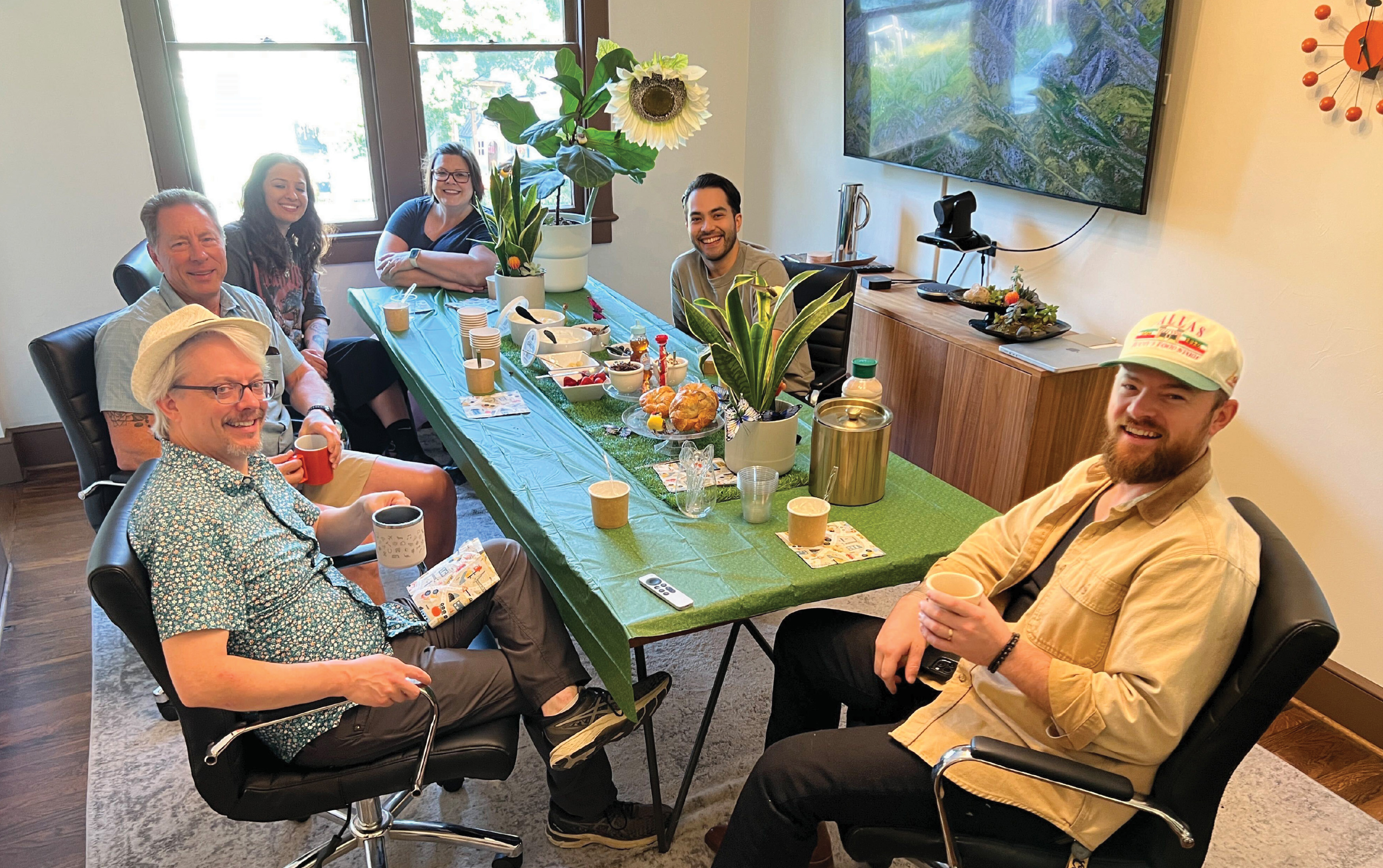
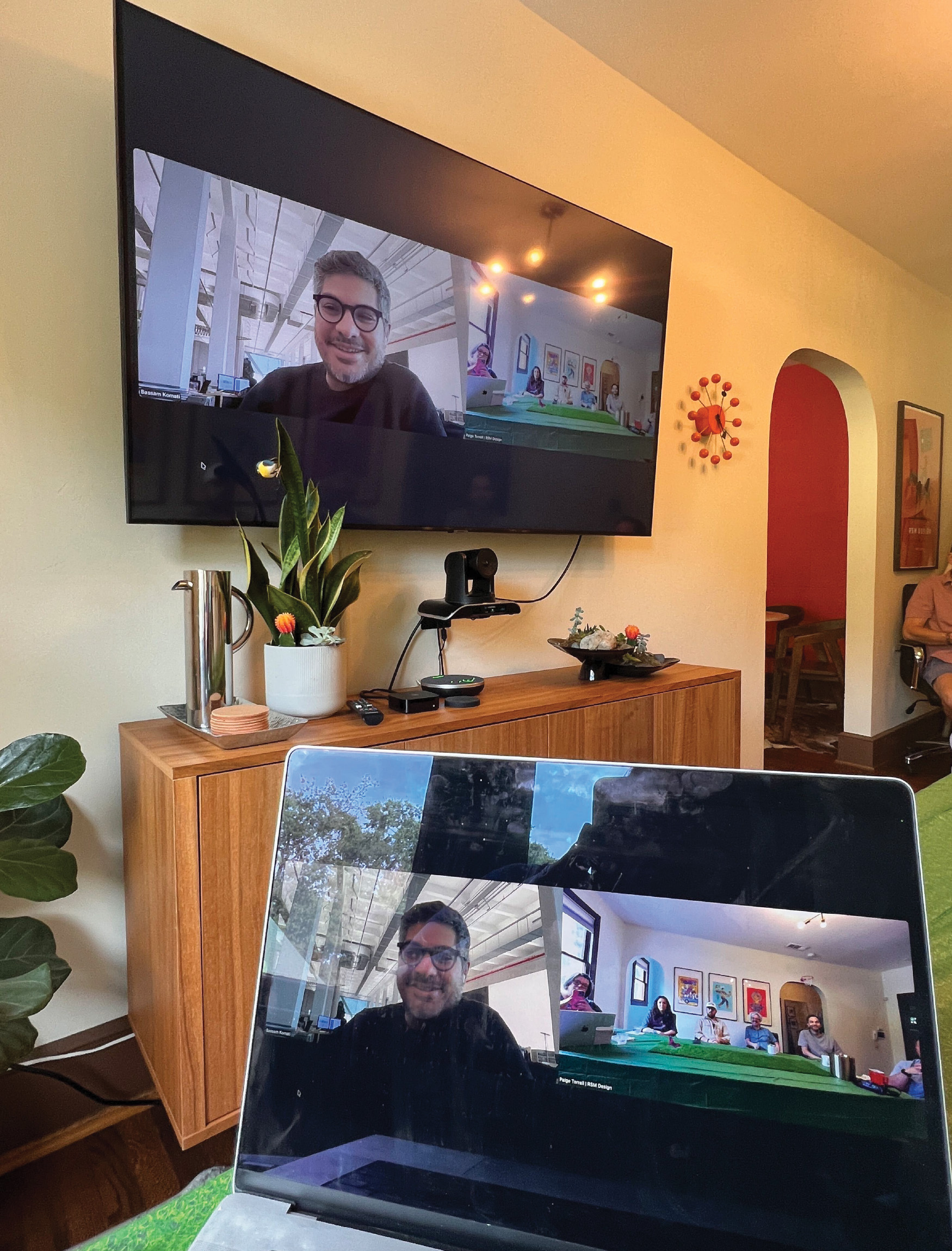
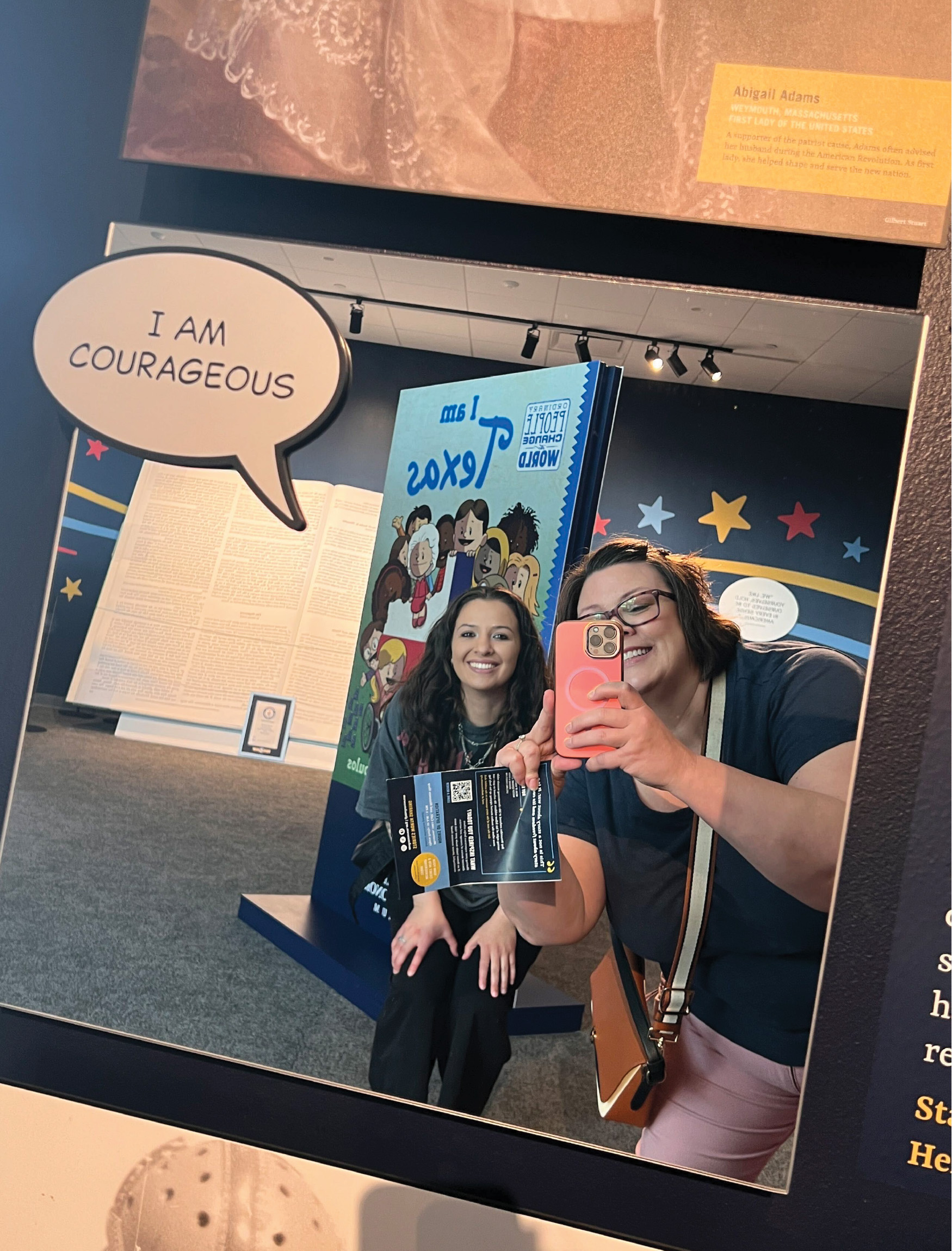
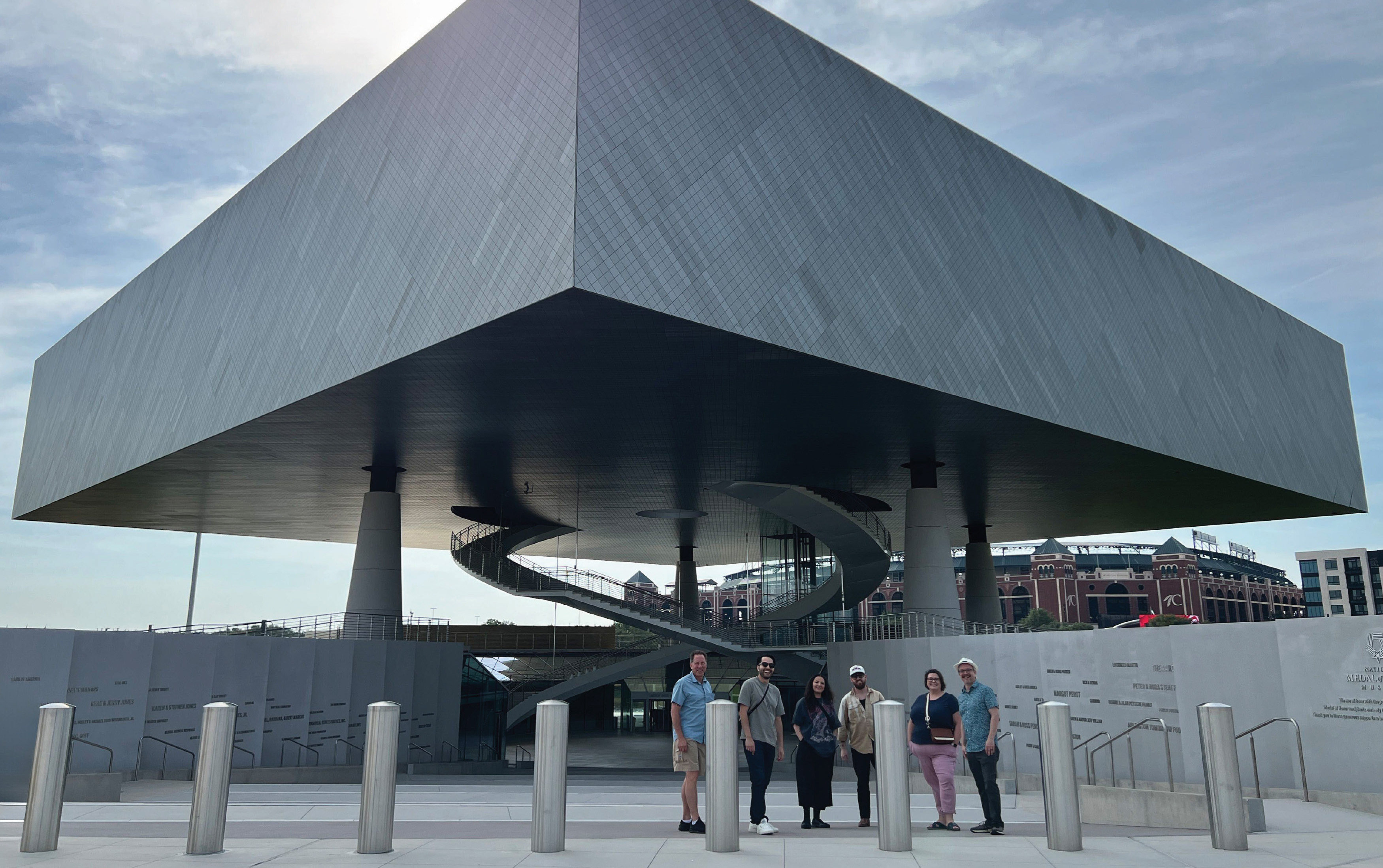
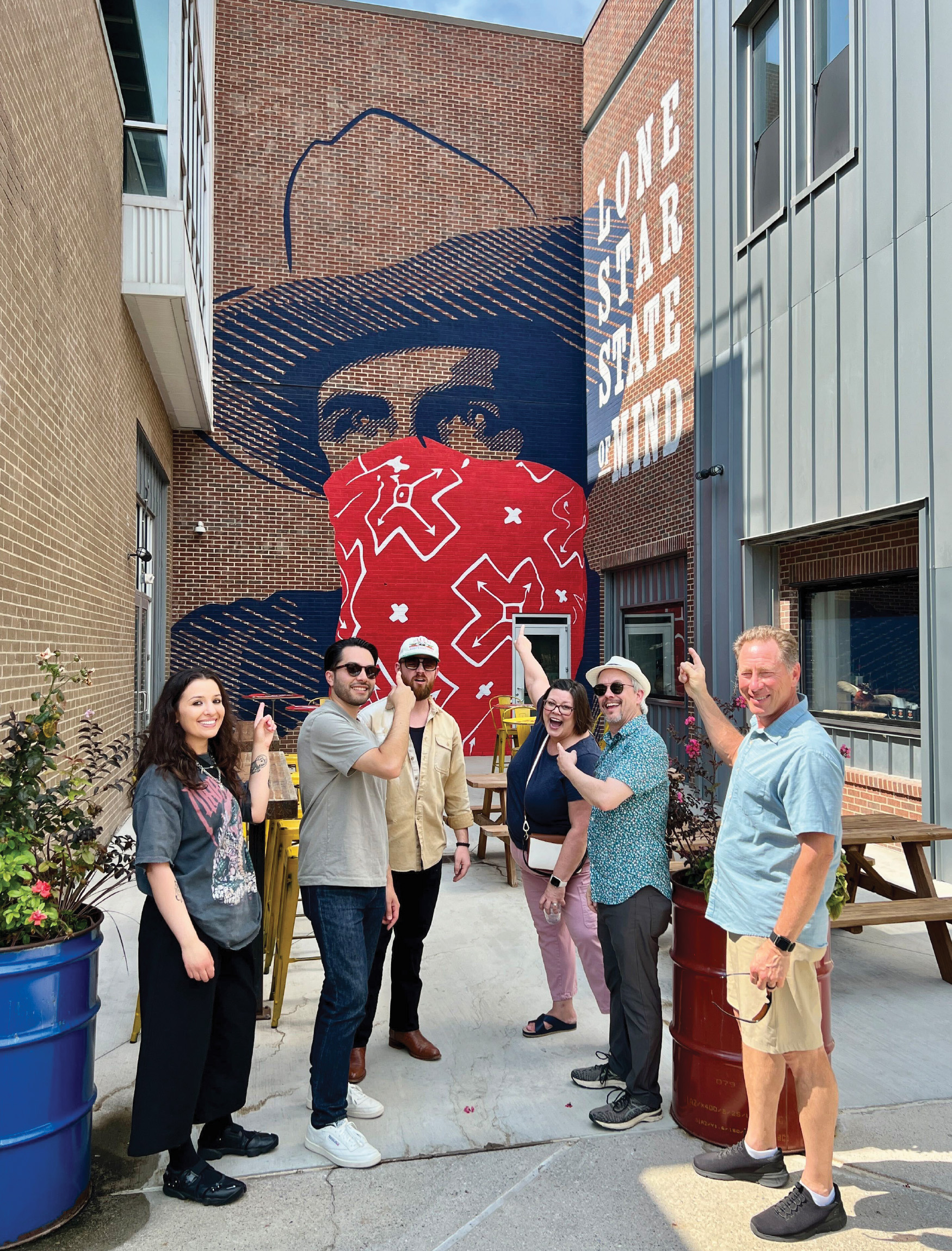
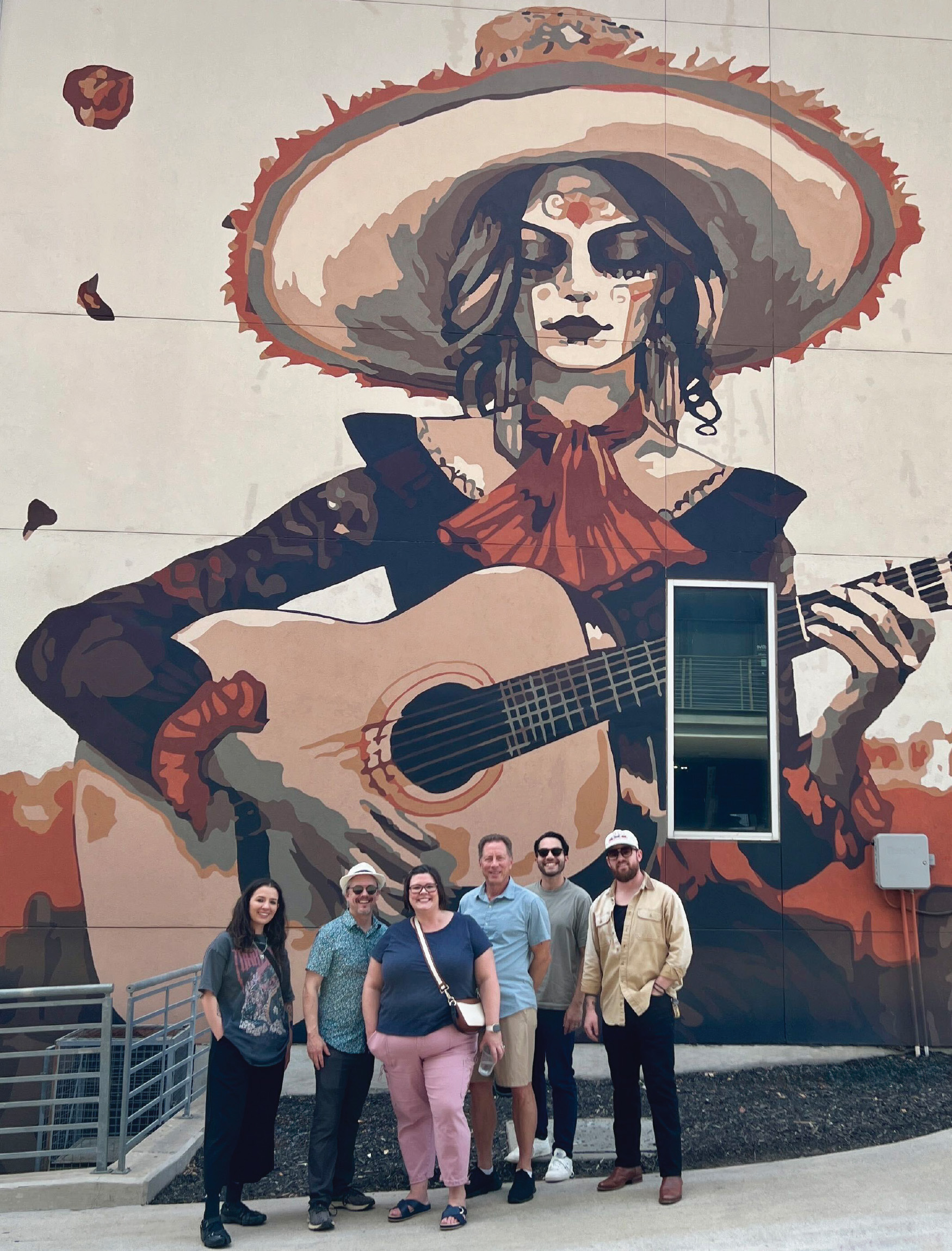
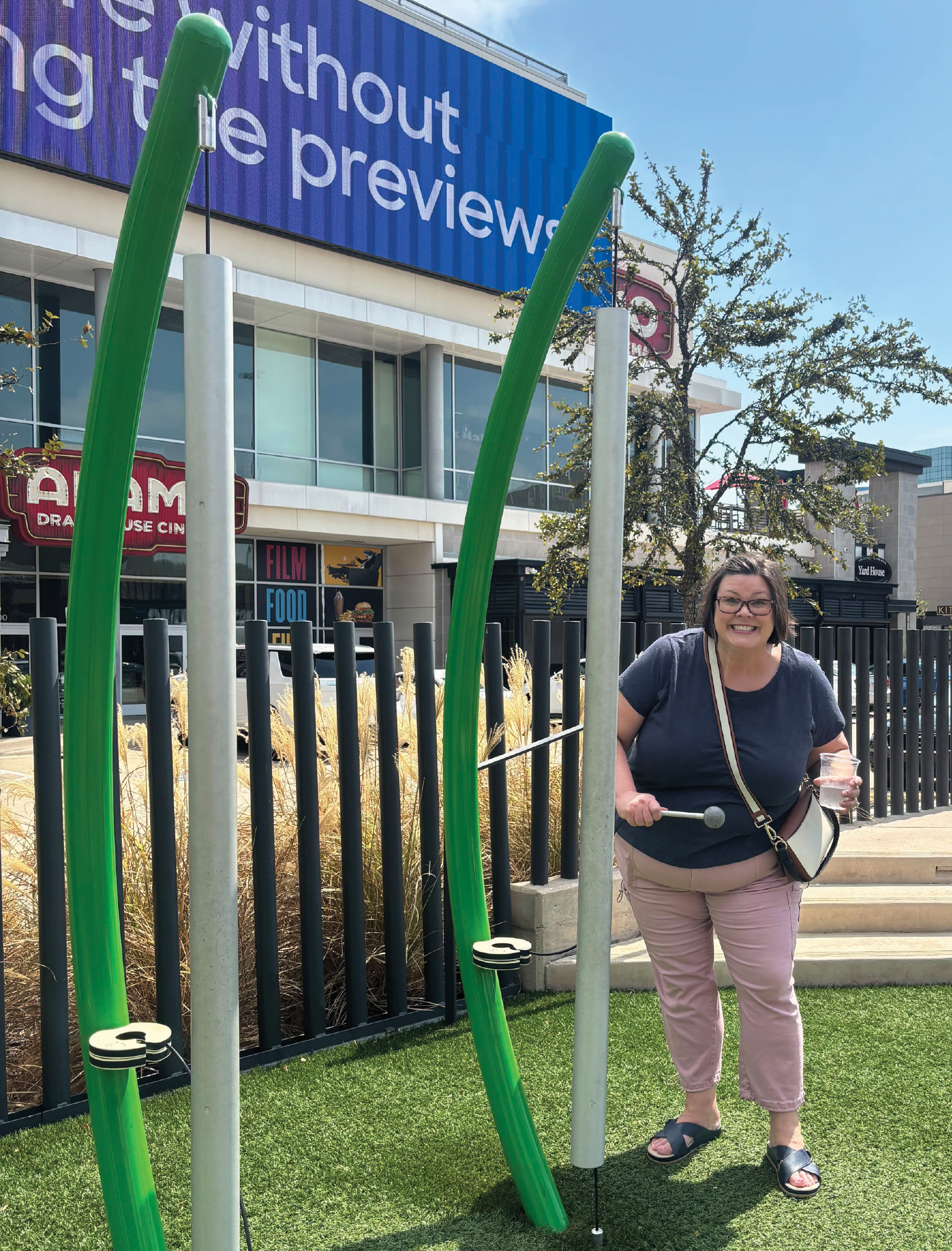
Studio Breakfast (row 1), National Medal of Honor Museum (row 2), Toyota Music Factory (row 3)
Later in the afternoon, the day took a surreal turn at The Real Unreal by Meow Wolf in Grapevine. Rooted in a mission to “inspire creativity in people’s lives through art, exploration, and play,” Meow Wolf began in 2008 as a modest Santa Fe art collective. It has since grown to encompass five immersive venues across the United States, each partnering with local artists to bring core principles like creative collaboration and proactive playfulness to life. Our team was immersed in the unreal experience as they wandered through the Delaney House, a captivating, interactive art environment featuring hidden paths and secret doors. Step by step, our team was transported through portals into entirely new worlds. After emerging from the multiverse, we got to hear from Meow Wolf members Caleb Ortega, Lead Graphic Designer for Exhibits, who spearheaded the graphic design for the Delaney House, and Rhonda Headley, Senior Designer for Signage, who created the sign sculptures for Lamp Shop Alley. For a firm focused on wayfinding design and environmental graphics, hearing Caleb and Rhonda discuss applying signage and graphics within a space intentionally designed for getting lost provided a truly fascinating case study.
To wrap up the day, we gathered for happy hour at Atlas Cocktail Bar, an establishment recognized among the Top 100 Bars by the Dallas Observer. Following an inspiring day around the DFW metroplex, everyone enjoyed a globally inspired menu, making it an ideal final destination beyond the ordinary.
“These annual workshops let me step away from my desk, connect with teammates, and experience inspiring spaces, reminding me of the creativity in our work and the value of coming together as a team.”
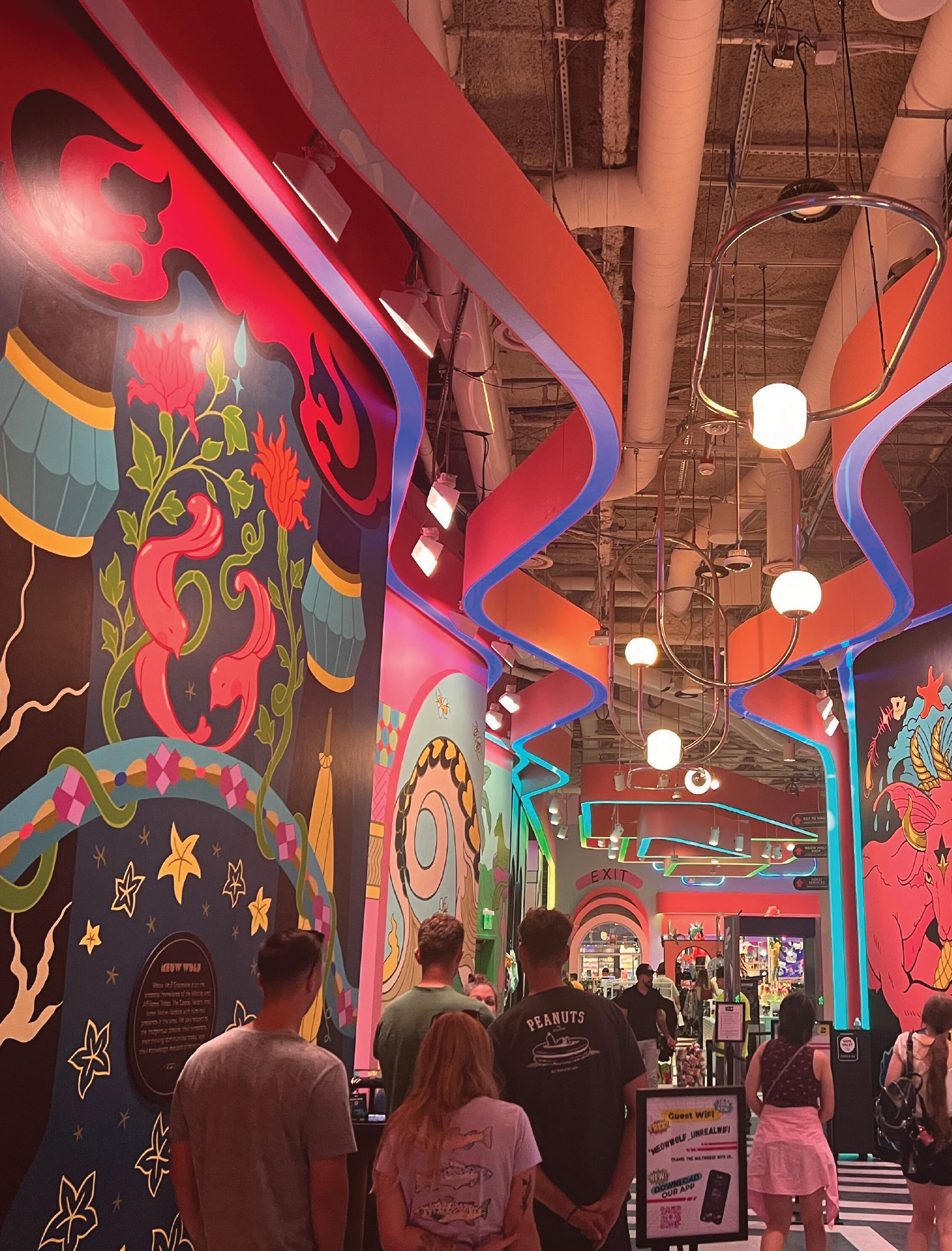
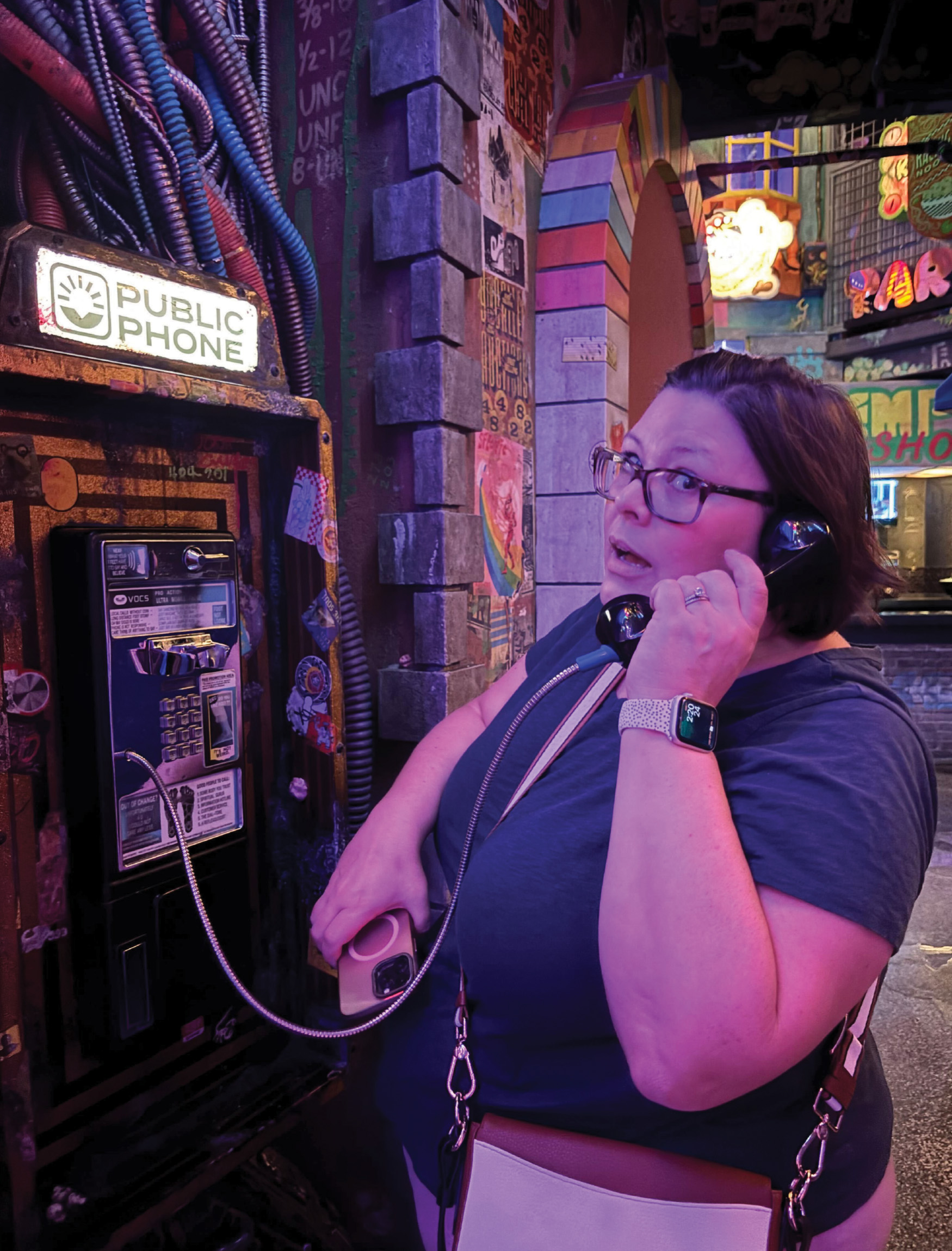
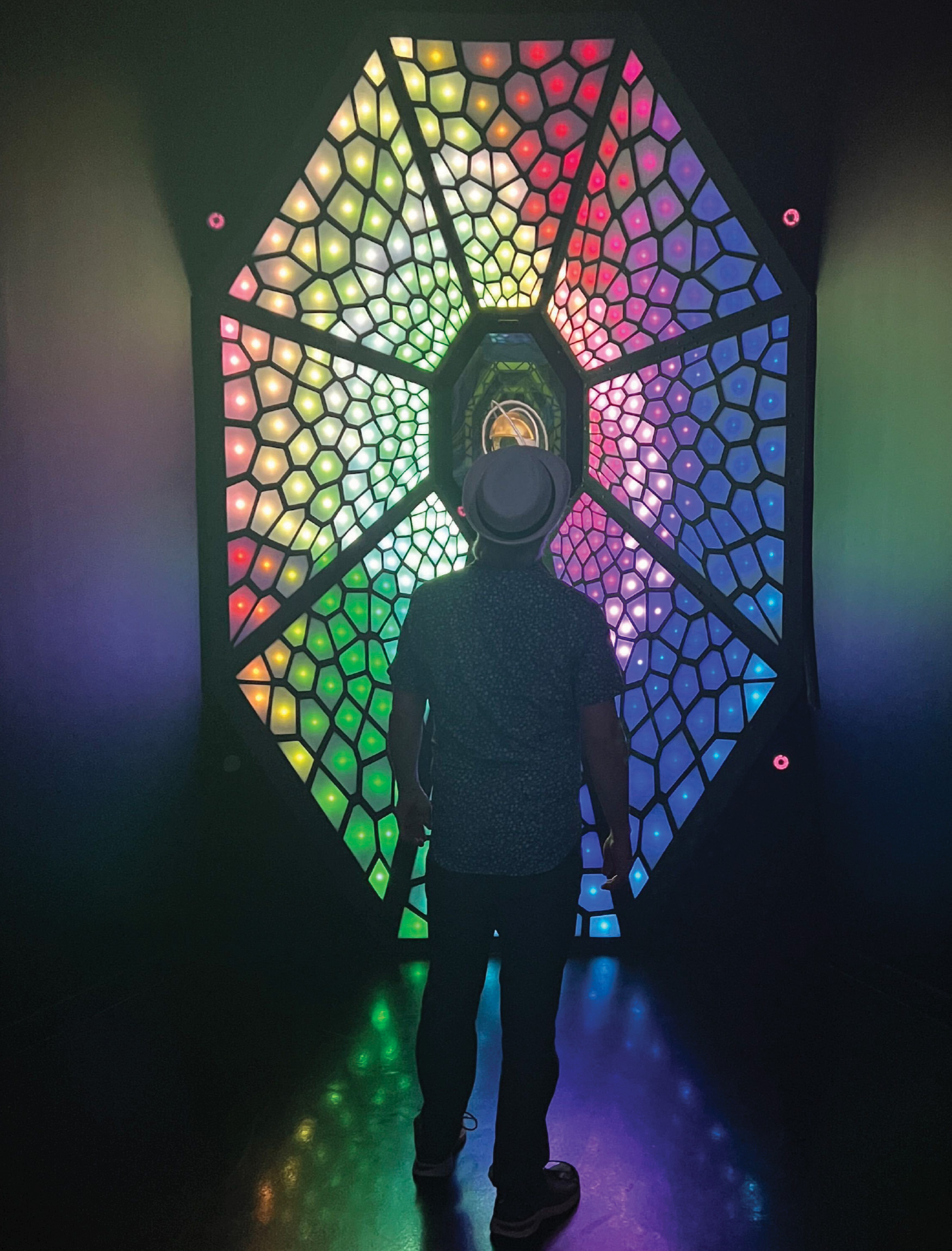
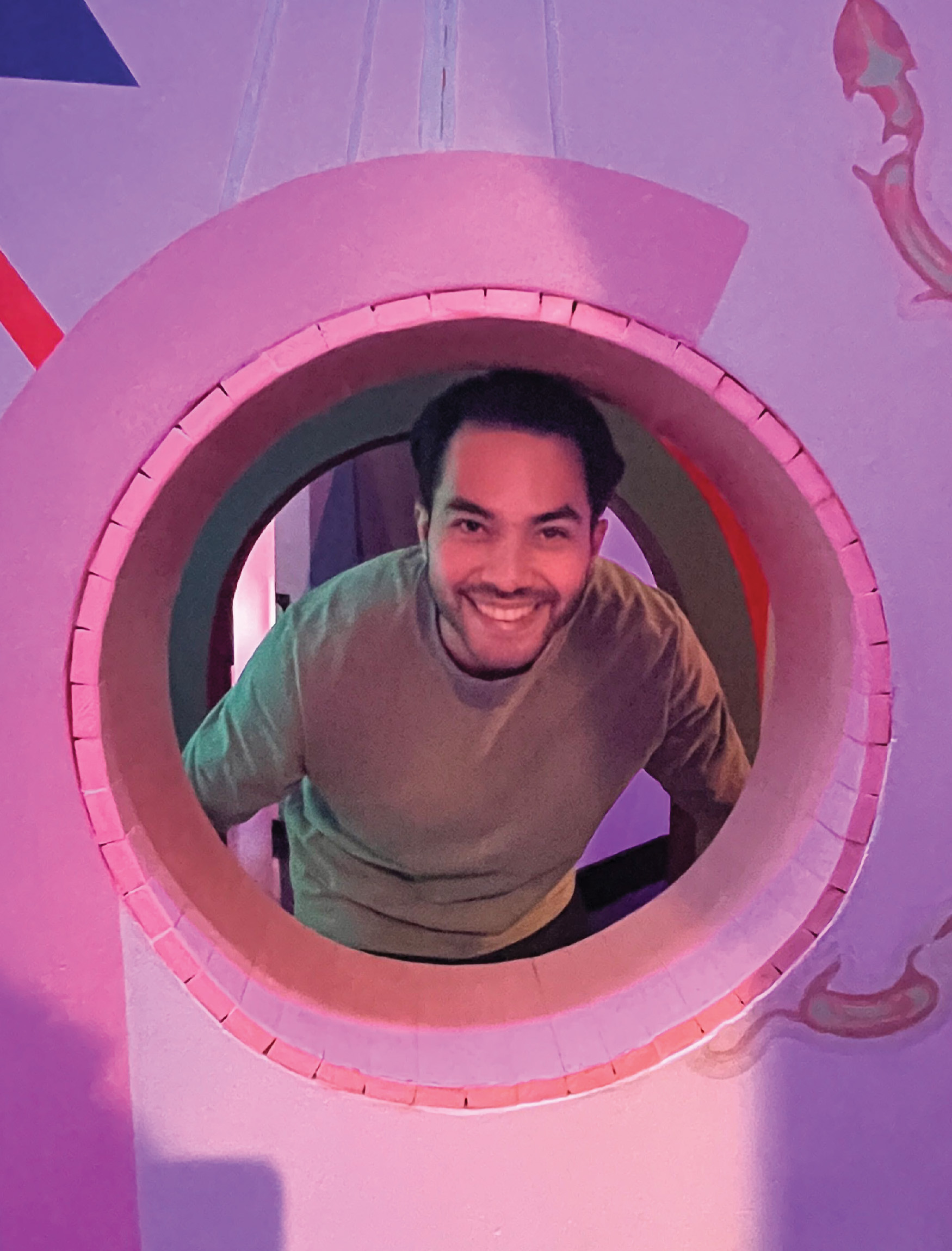
The Real Unreal by Meow Wolf
New York
Discovering The Art of Red Hook
The New York studio built its day around a fill-in-the-blank: The Art of... Each stop answered it differently, beginning with The Art of Coffee at Ludlow Coffee Supply, opened on the Lower East Side in 2016 by John Seymour as the neighborhood coffee shop he felt was missing.
Next came The Art of History at the Tenement Museum, a nonprofit cultural institution just around the corner. Through guided tours of carefully restored historic homes, the museum highlights the lived experiences of immigrants, migrants, and refugees on the Lower East Side between the 1860s and 1980s. By bringing these personal histories to light, it aims to foster understanding across generations and promote a more inclusive culture. Our team marvelled at how a family of five managed in a single-bedroom apartment, leaving everyone feeling grateful for contemporary living conditions. Naturally, it also struck a chord with one teammate currently apartment-hunting, who couldn’t help but notice the striking resemblance between the tenement layouts and the places listed in her price range. The realization served as a good laugh amongst the team.
“There’s so much history and inspiration in our own backyard. Slowing down to notice the details around us can spark fresh ideas for our everyday design work.”
A ferry ride carried the team across the water to Brooklyn’s Red Hook, a waterfront neighborhood of cobblestone streets and warehouses that still wears its industrial past. Lunch at Defonte’s Sandwich Shop made a strong case for The Art of the Italian Hero, backed by more than a century of practice. In 1922, Italian immigrant Nick Defonte acquired a Red Hook corner store for $100. Today, the family legacy continues as his grandchildren operate the original deli alongside a second outpost on Staten Island.
At the Red Hook Pinball Museum, owners Kevin Murray and Wesley Michalski shared how a friendship built on vintage electromechanical pinball evolved into a museum. Every machine in the collection dates back half a century or more, each restored by hand through 200 to 300 hours of dedication from the duo. With the machines set to free play, The Art of Pinball, quickly sparked some friendly competition amongst our team. The Add-A-Ball machine quickly emerged as the clear favorite. Unlike traditional machines that award free games, Add-a-Ball awards extra balls for hitting specific milestones or target scores. By shifting the focus to chasing high scores and prolonging gameplay, it sparked a fun, spirited rivalry among everyone. A victory slice from Steve’s Authentic Key Lime Pie followed, naturally.
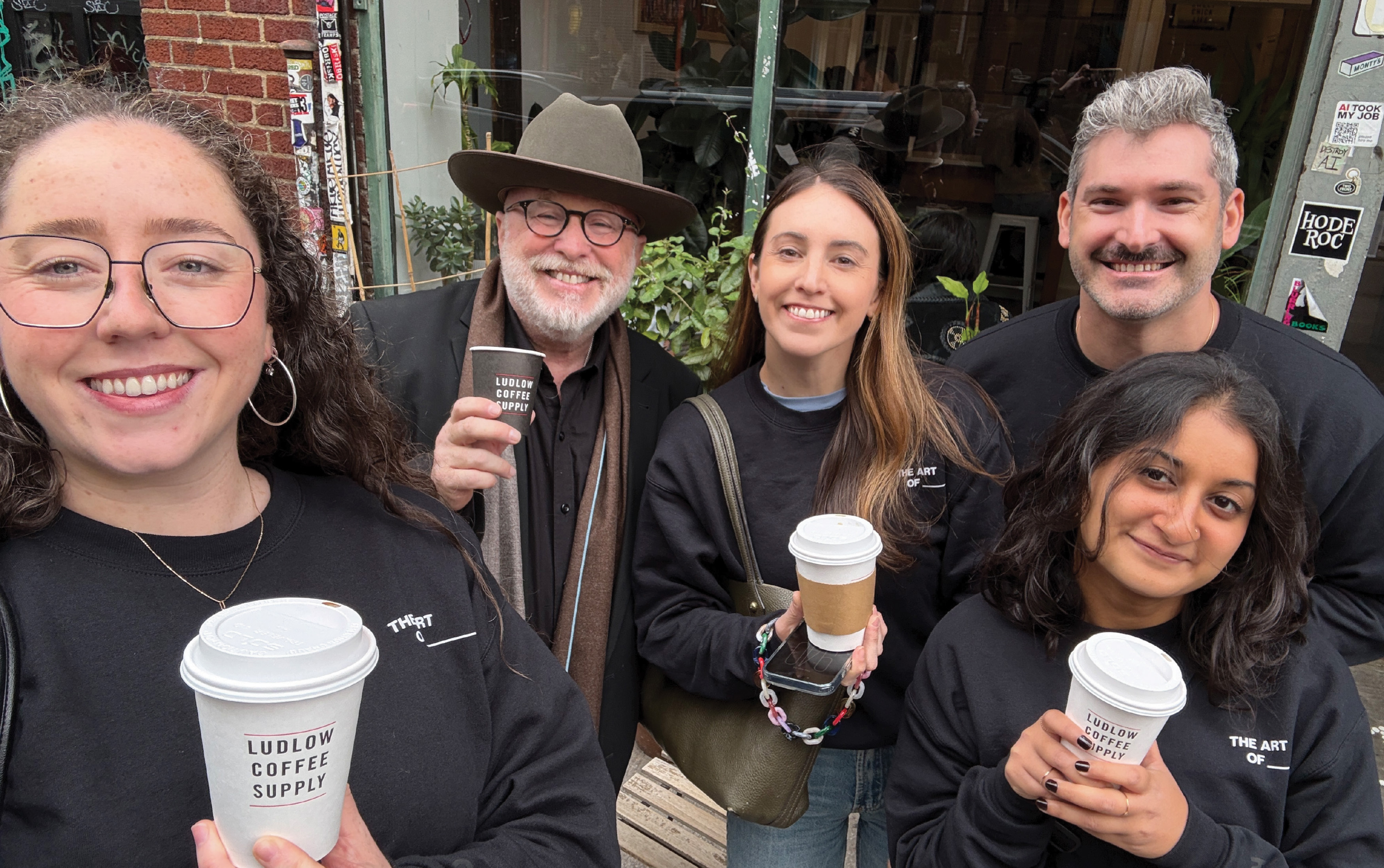
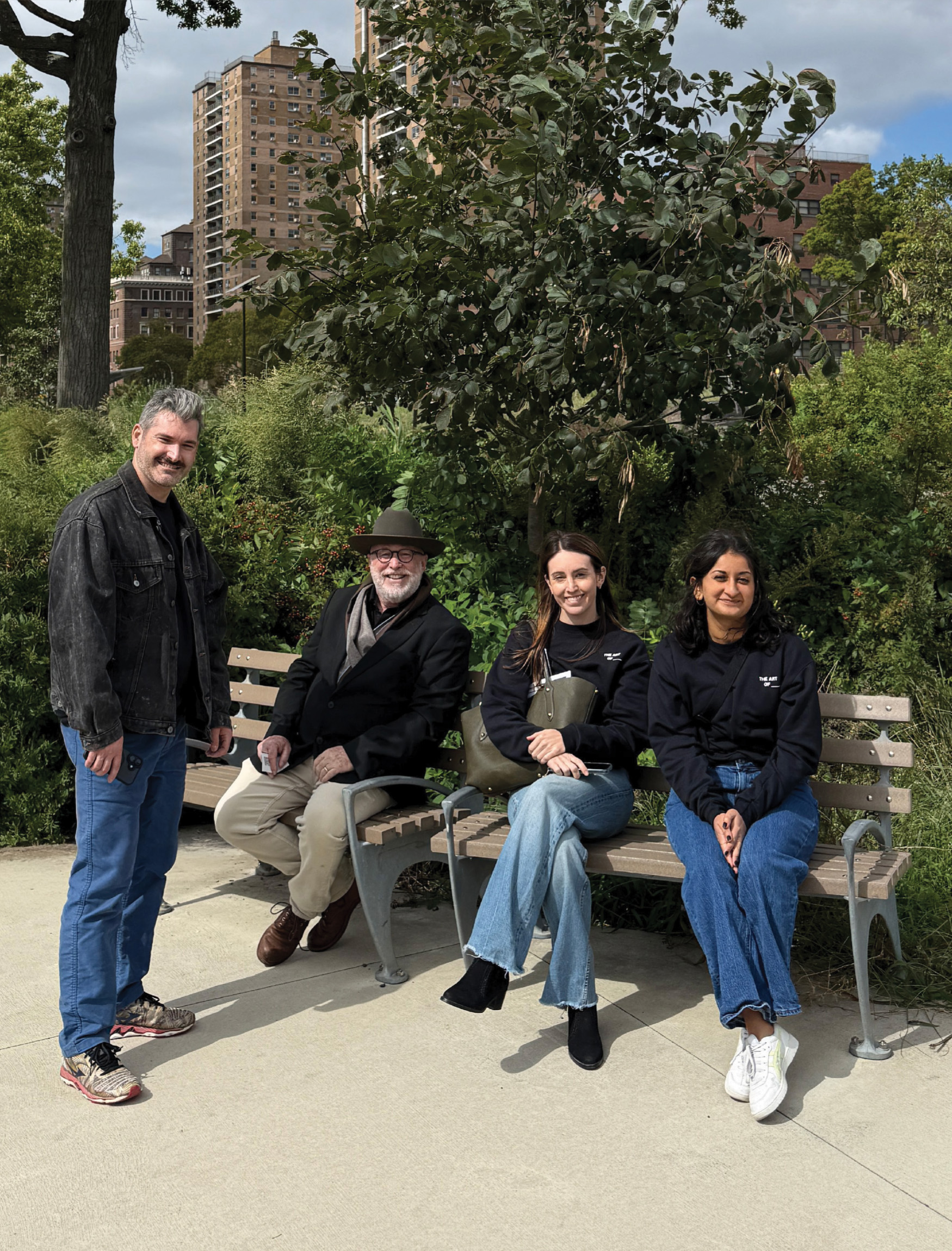
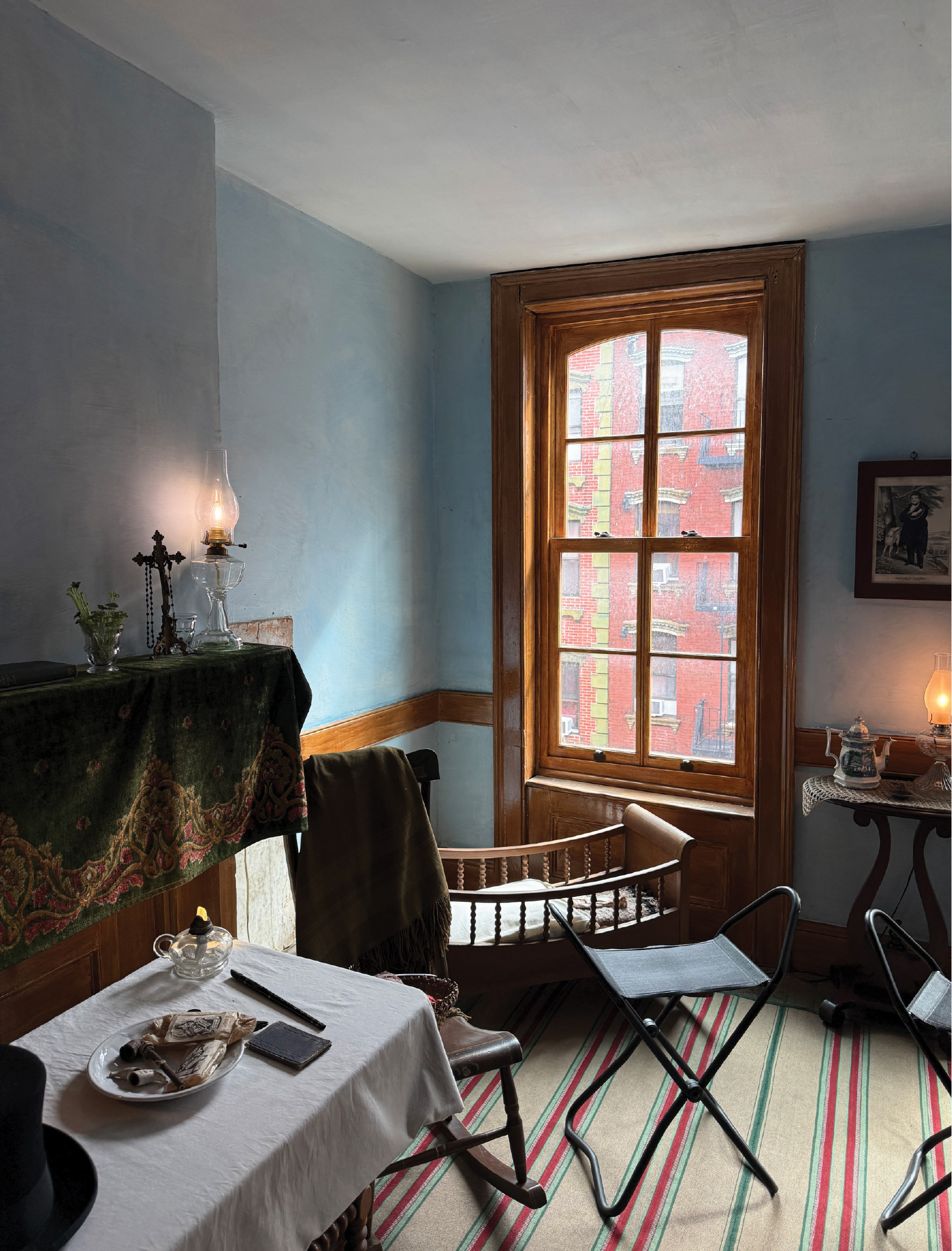
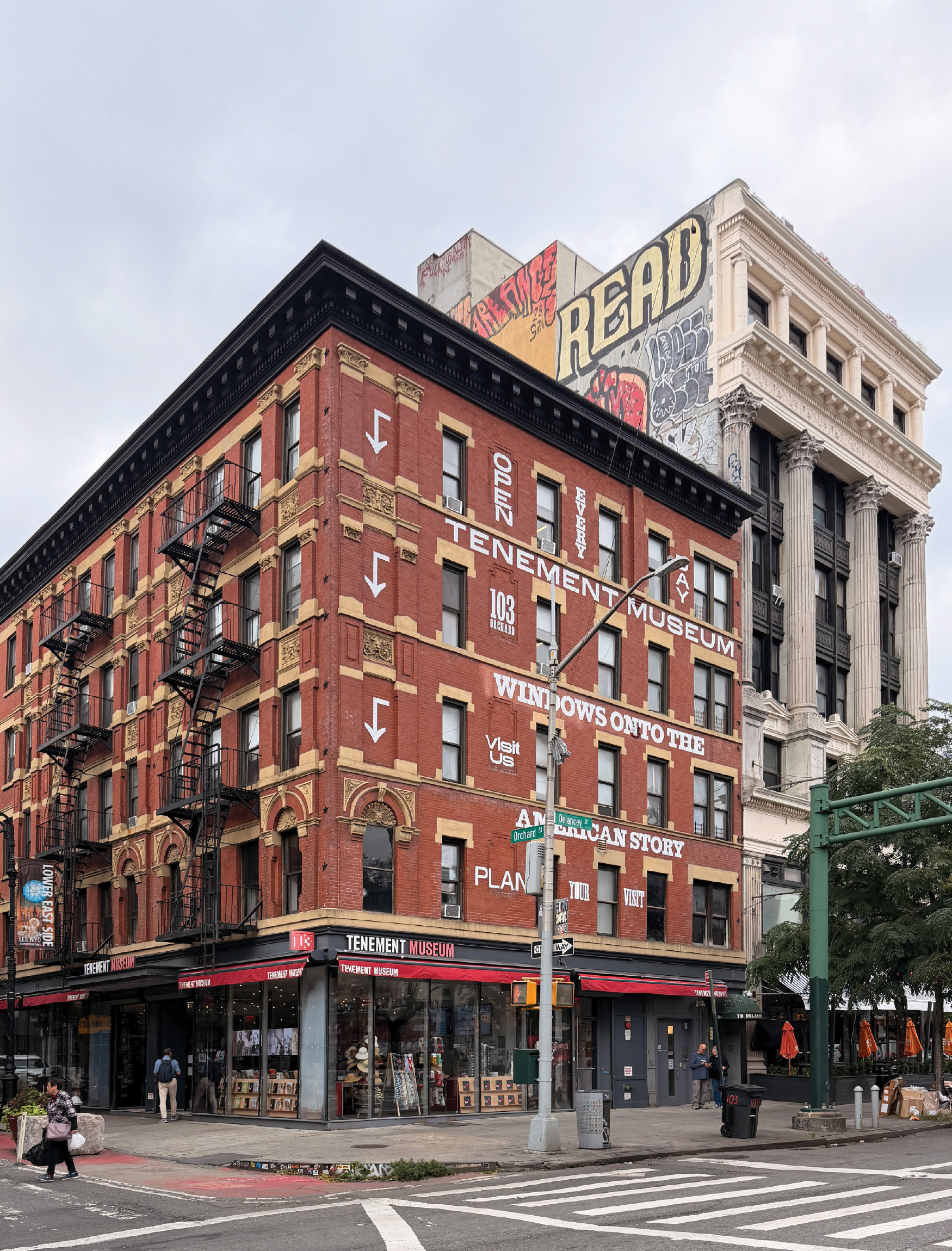
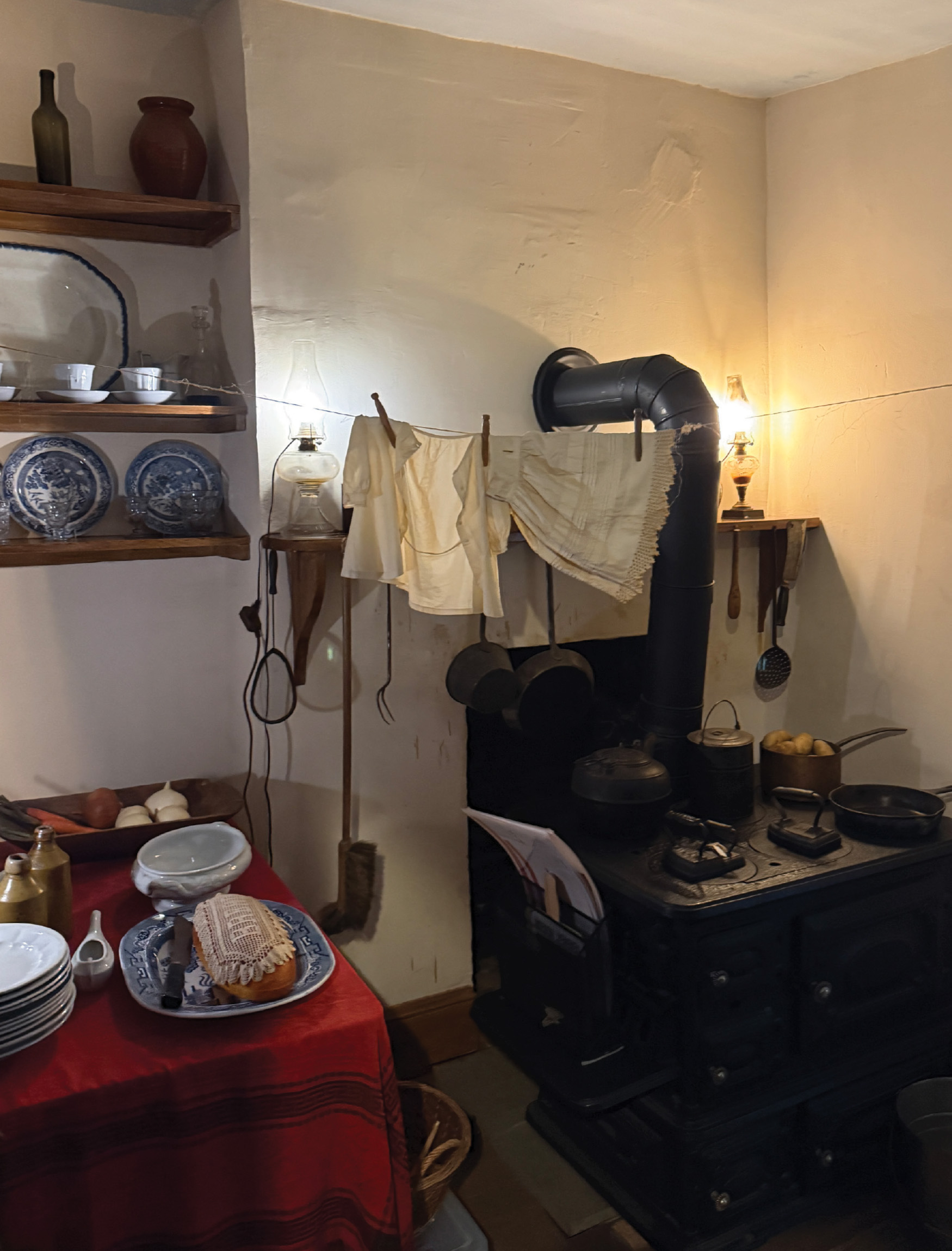
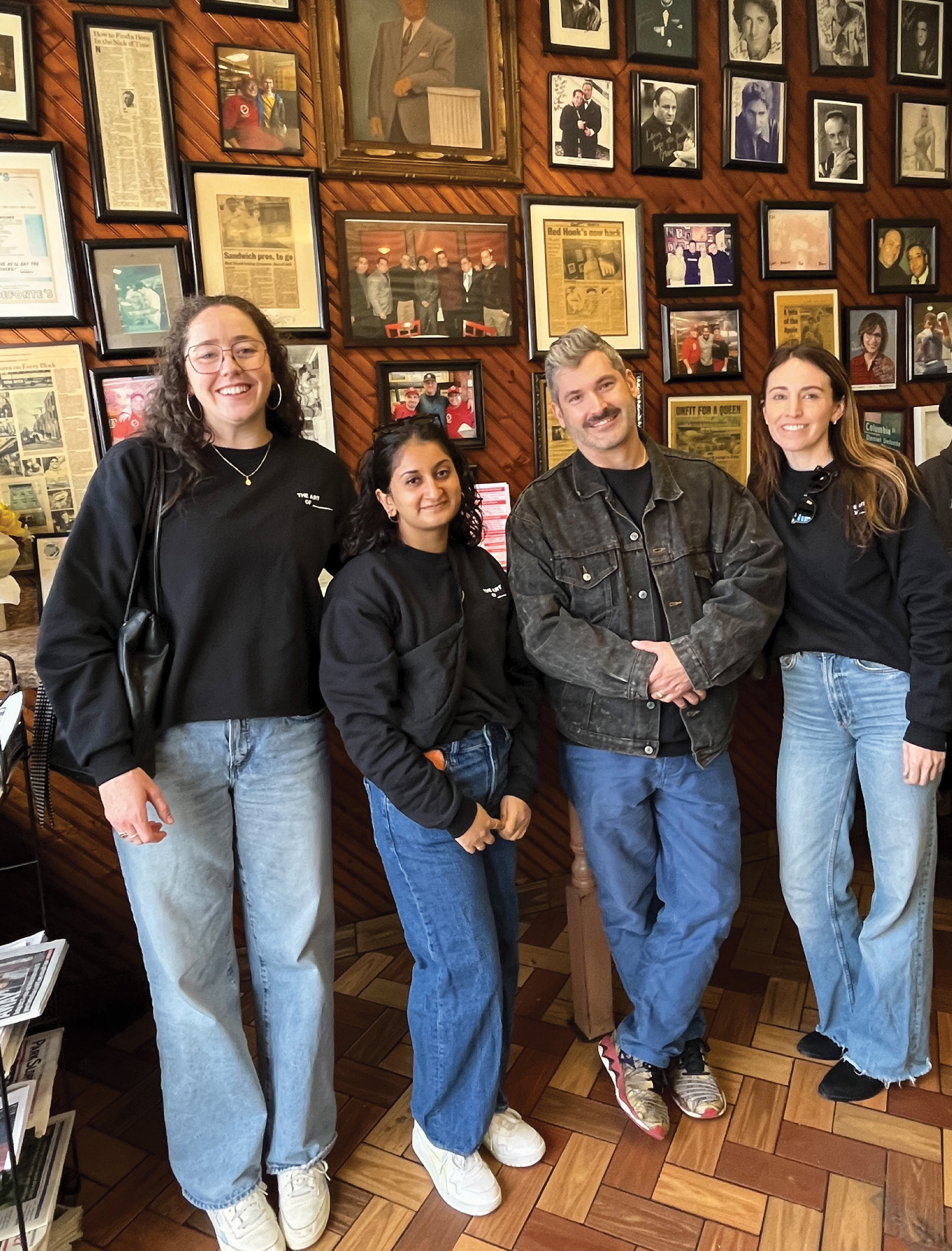
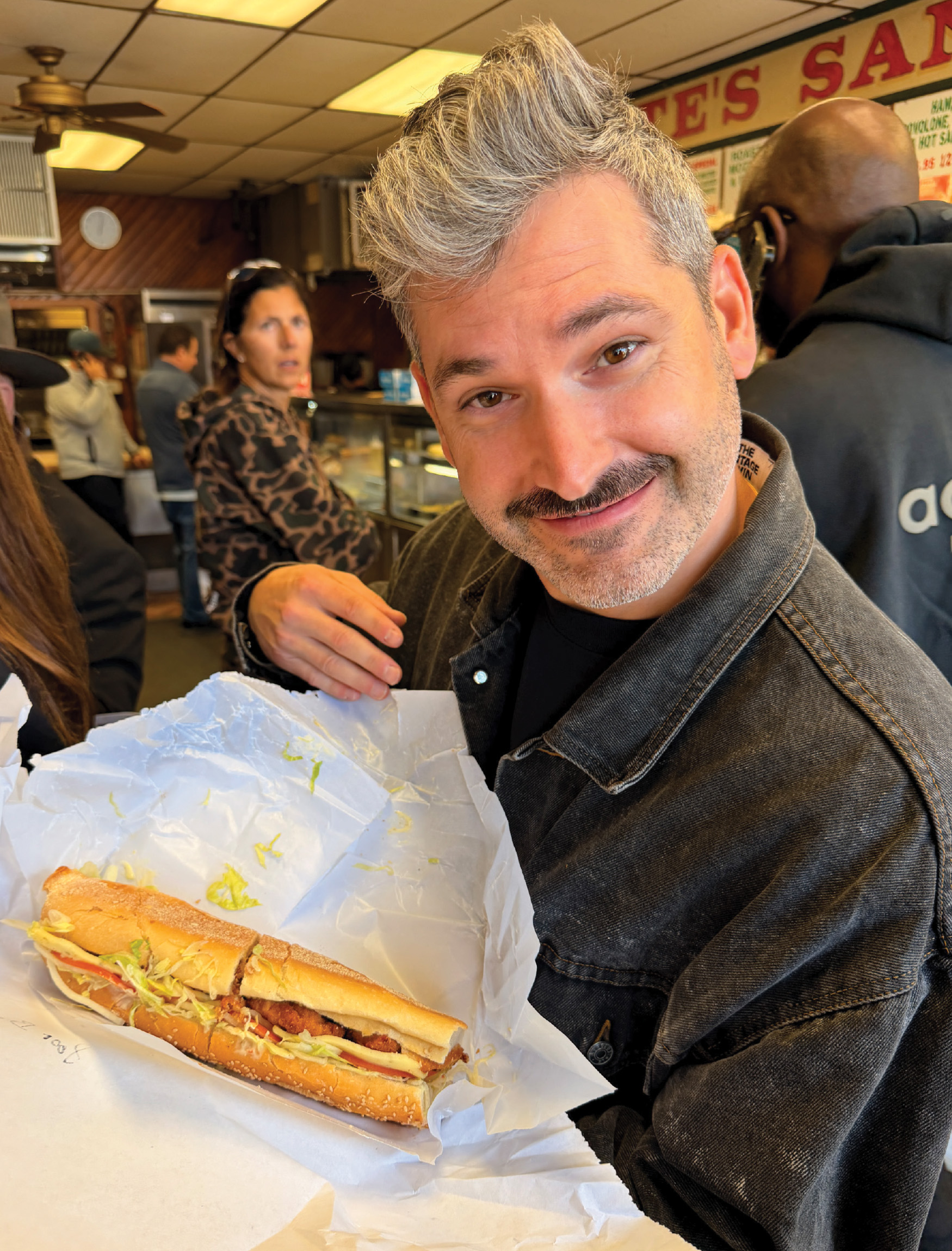
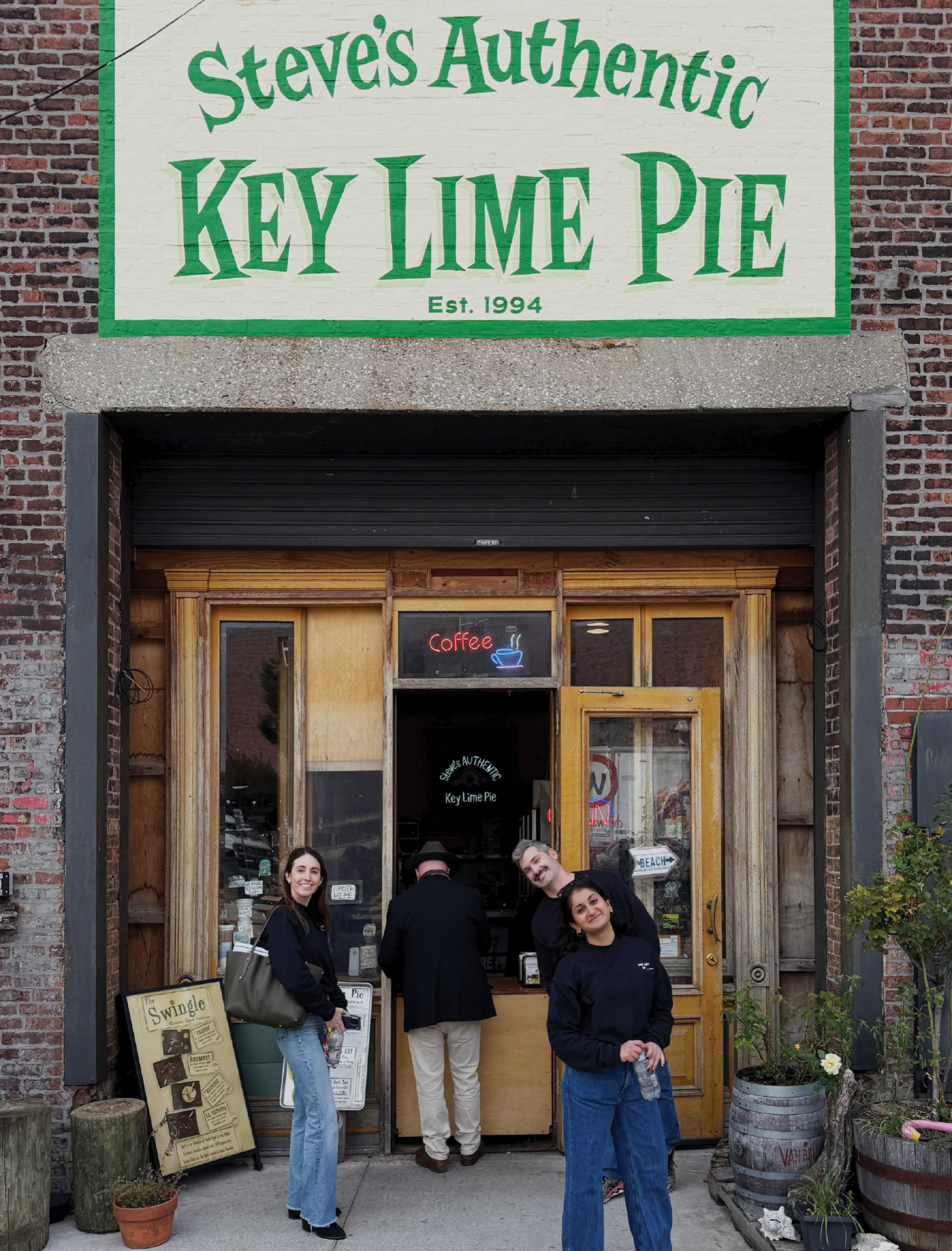
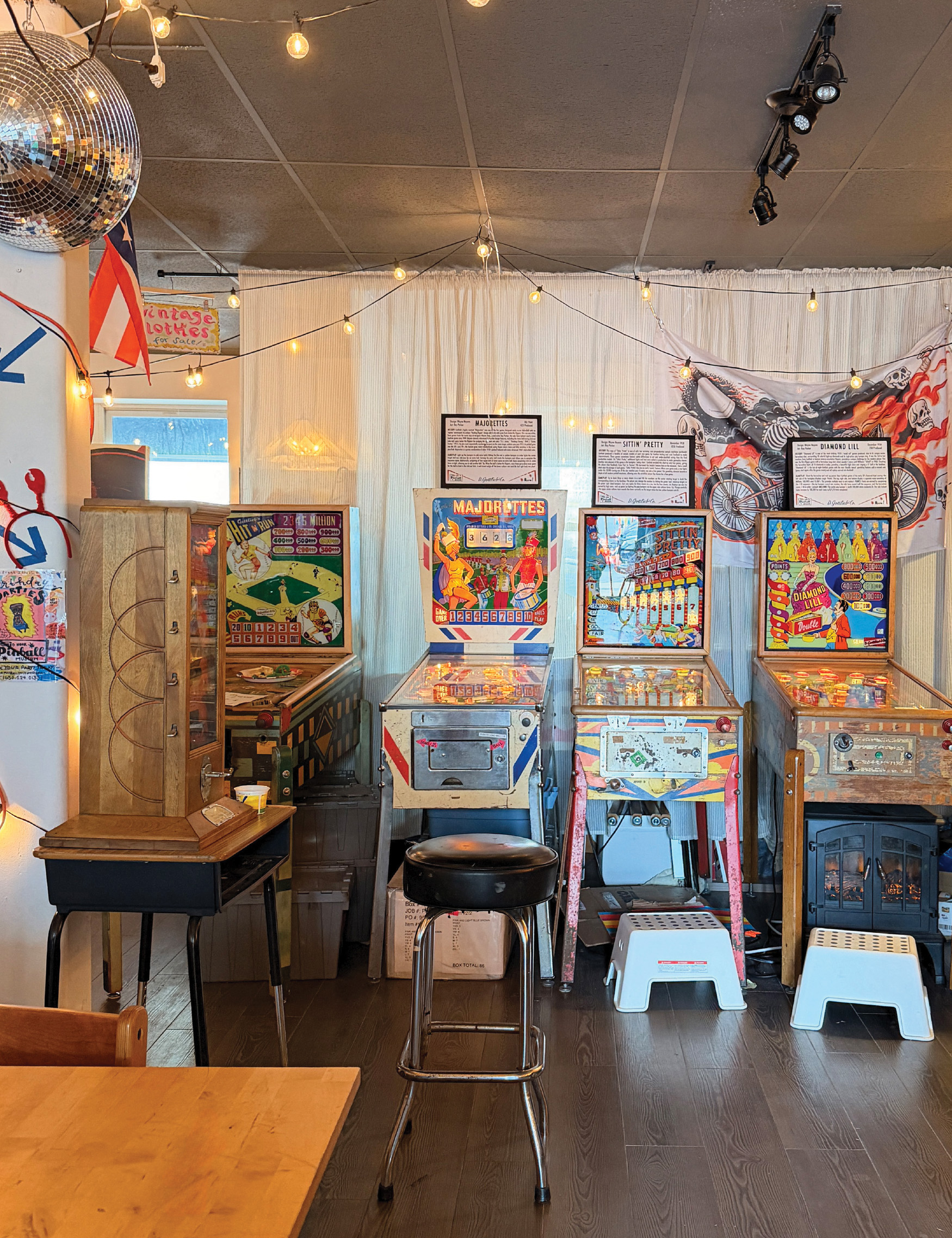
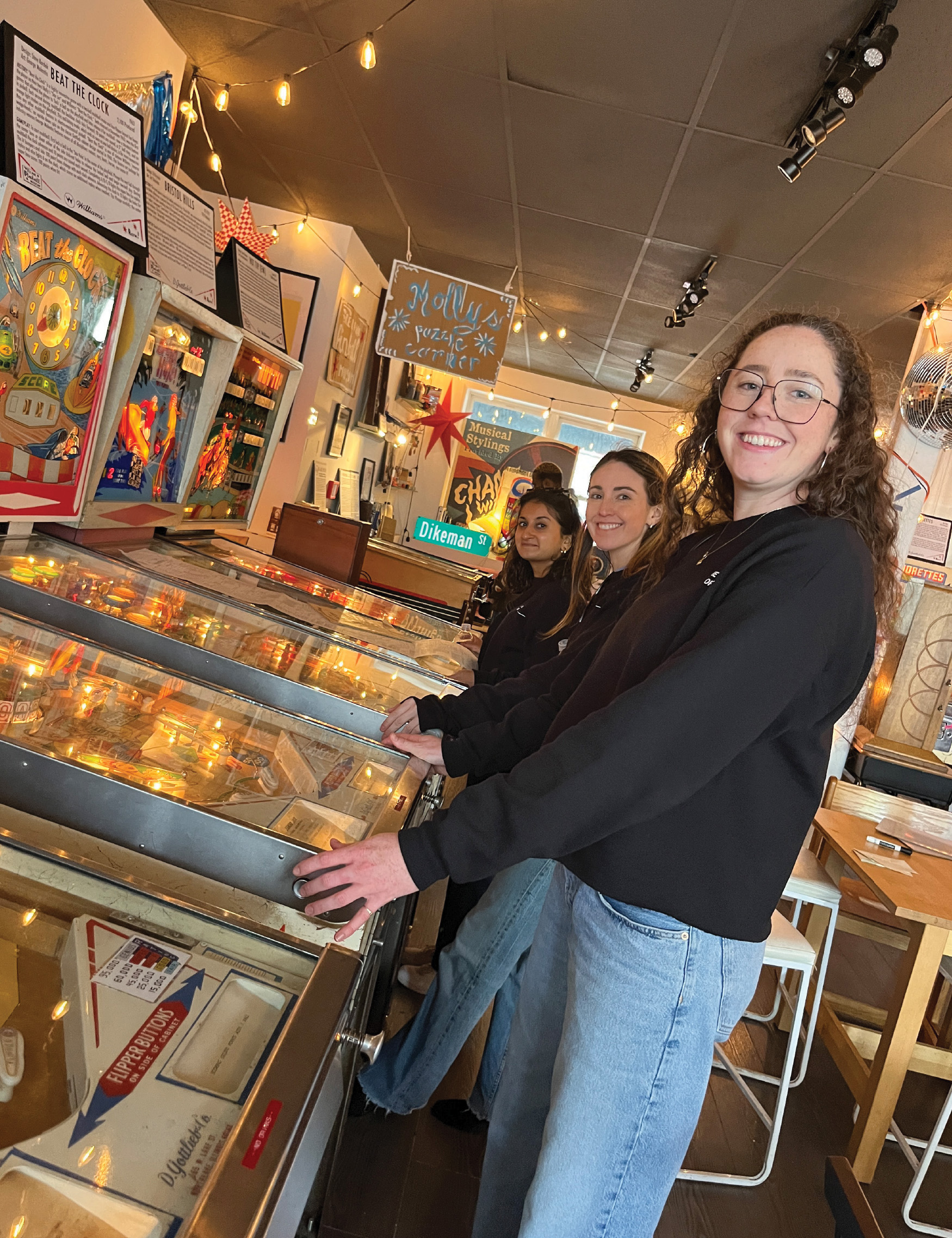
Ludlow Coffee Supply (row 1), The Tenemet Museum (row 2), Deftone’s Sandwich Shop & Steve’s Authentic Key Lime Pie (row 3), Red Hook Pinball Museum (row 4)
The afternoon slowed down at Pioneer Works, housed in an 1866 red brick building where Pioneer Iron Works once produced railroad tracks and heavy machinery. Artist Dustin Yellin reimagined the space as a nonprofit cultural center for the arts and sciences, which opened to the public in 2012. Jake Caddeau led a tour of the center and Yellin’s studio, a close look at The Art of the 3D Collage. During an inside look at the creation process, our team observed artists as they carefully layered acrylic panels and adjusted their designs in real time prior to pouring epoxy. A memorable story involved a stray mosquito that became entombed inside a drying collage. Instead of spoiling the piece, the accident highlighted the medium’s forgiving nature, turning an unforeseen error into a welcome feature. This experience served as a powerful lesson that art can evolve beyond its original plan, demonstrating how letting go of complete control often reveals genuine beauty.
“Pioneer Works was a standout among our visits. As a fan of adaptive reuse, I loved seeing how a former Brooklyn warehouse became a creative space that fosters artistic expression and builds community.”
Down the shoreline, our team stepped aboard the Waterfront Museum, set inside Lehigh Valley No. 79, an all-wooden barge built in 1914 for the Lehigh Valley Railroad. David Sharps, the museum’s Director, Entertainer, and Captain, recounted floating the barge off a mud flat in Edgewater, New Jersey, in 1985 and spending about four years making it seaworthy again. A former juggler and clown, he told our team the story with a performer’s timing: The Art of the Barge, delivered by the captain who rescued and restored it.
All day, a friendly side competition kept cameras out: who could spot the best Red Hook sign or logomark? In a neighborhood where seemingly everything carries the Red Hook name, from storefronts to posters to merchandise, photos quickly filled everyone’s phones. Dinner at Red Hook Lobster Pound, known for lobster rolls made with seafood brought straight from Maine, celebrated The Art of Seafood. The night closed at Sunny’s Bar, a historic waterfront destination hosting live music since the 1890s, celebrating The Art of Bluegrass.
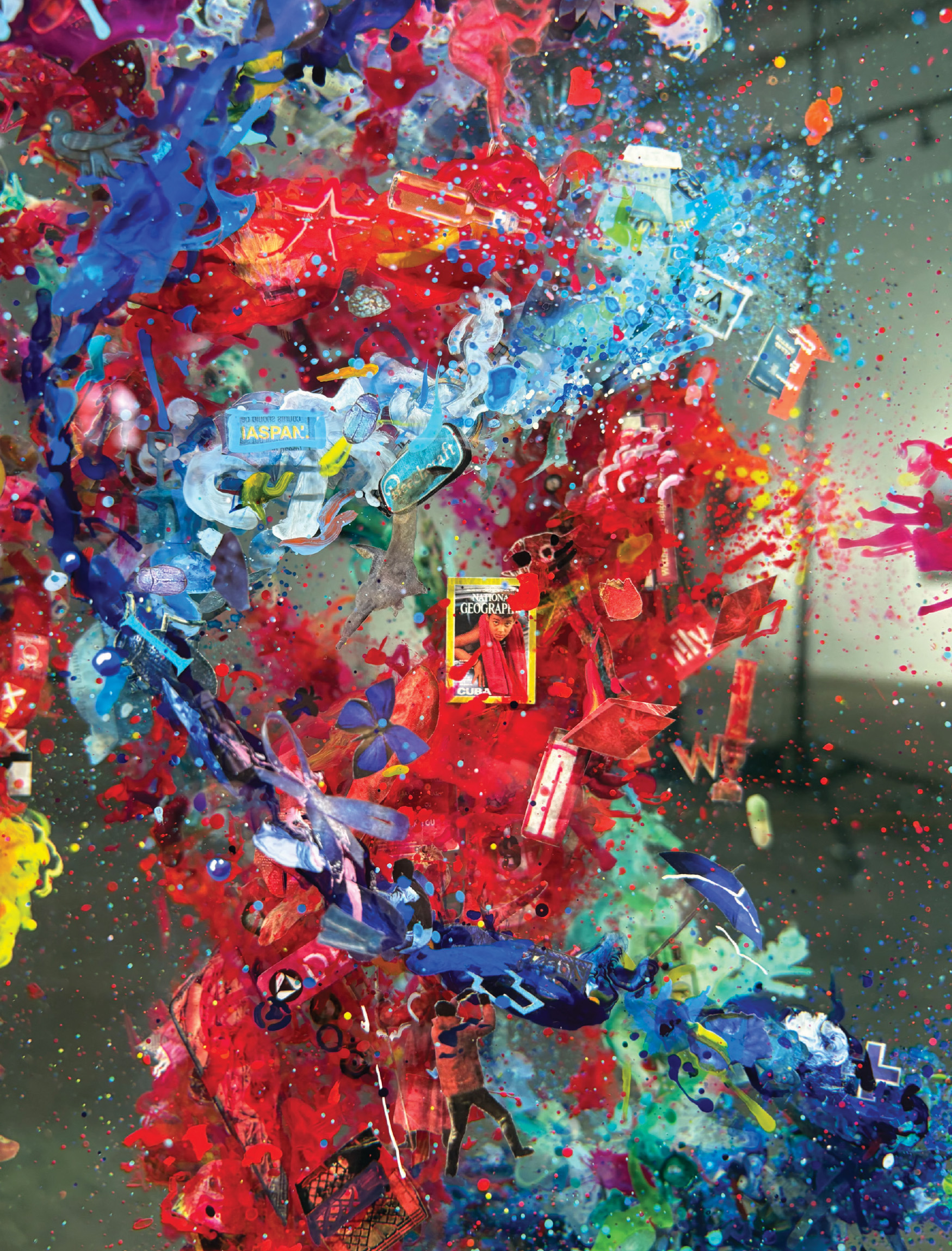
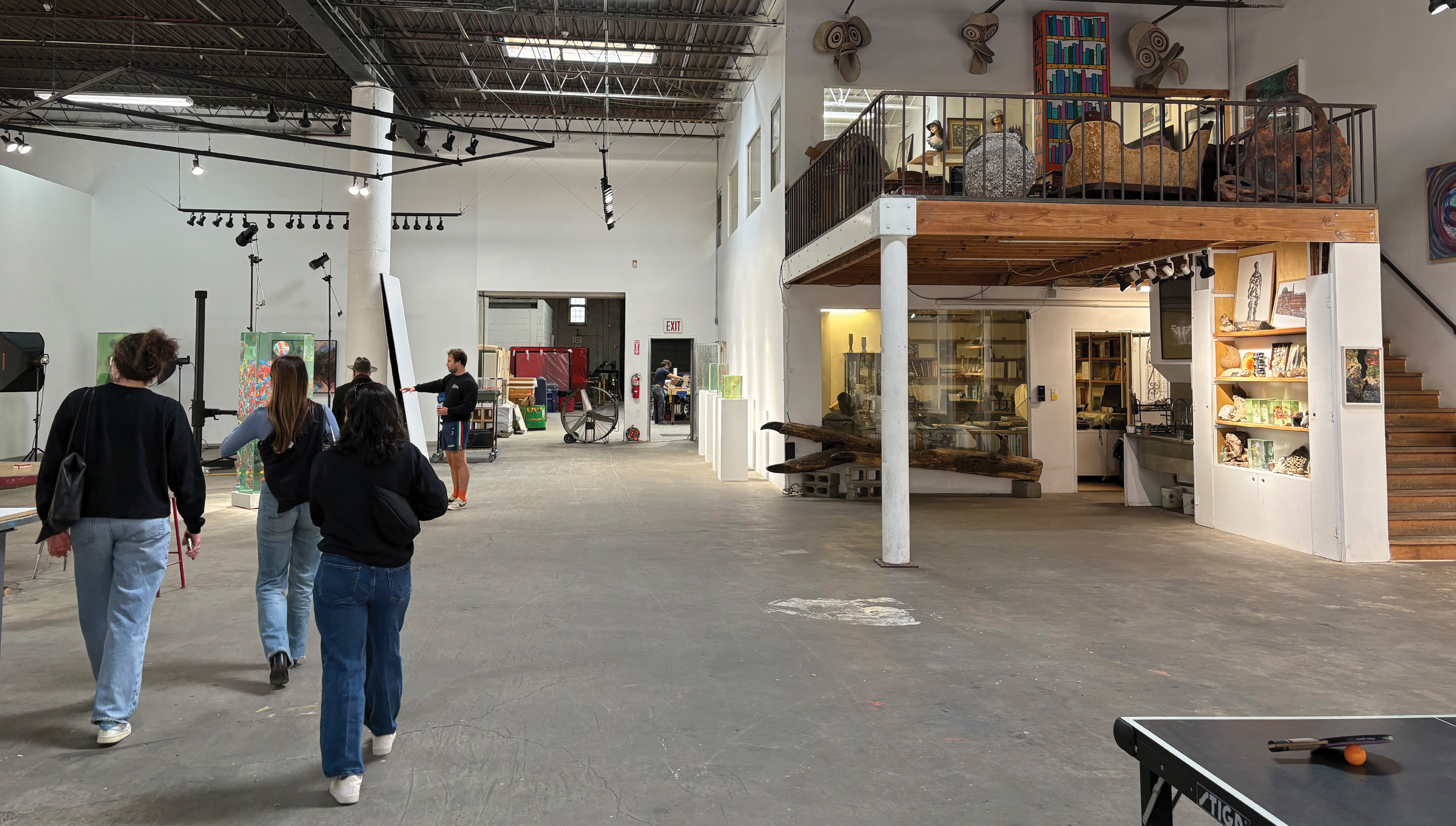
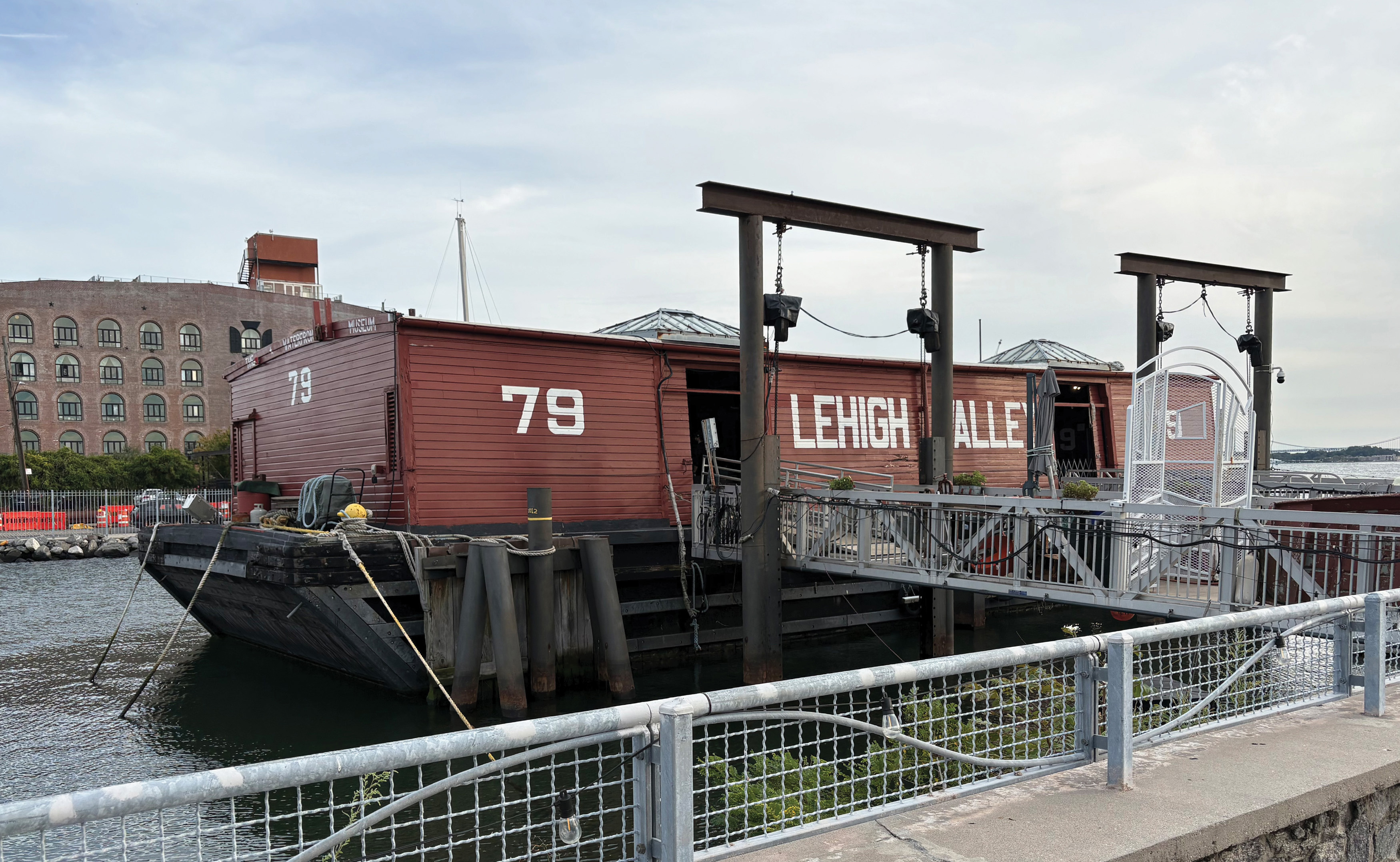
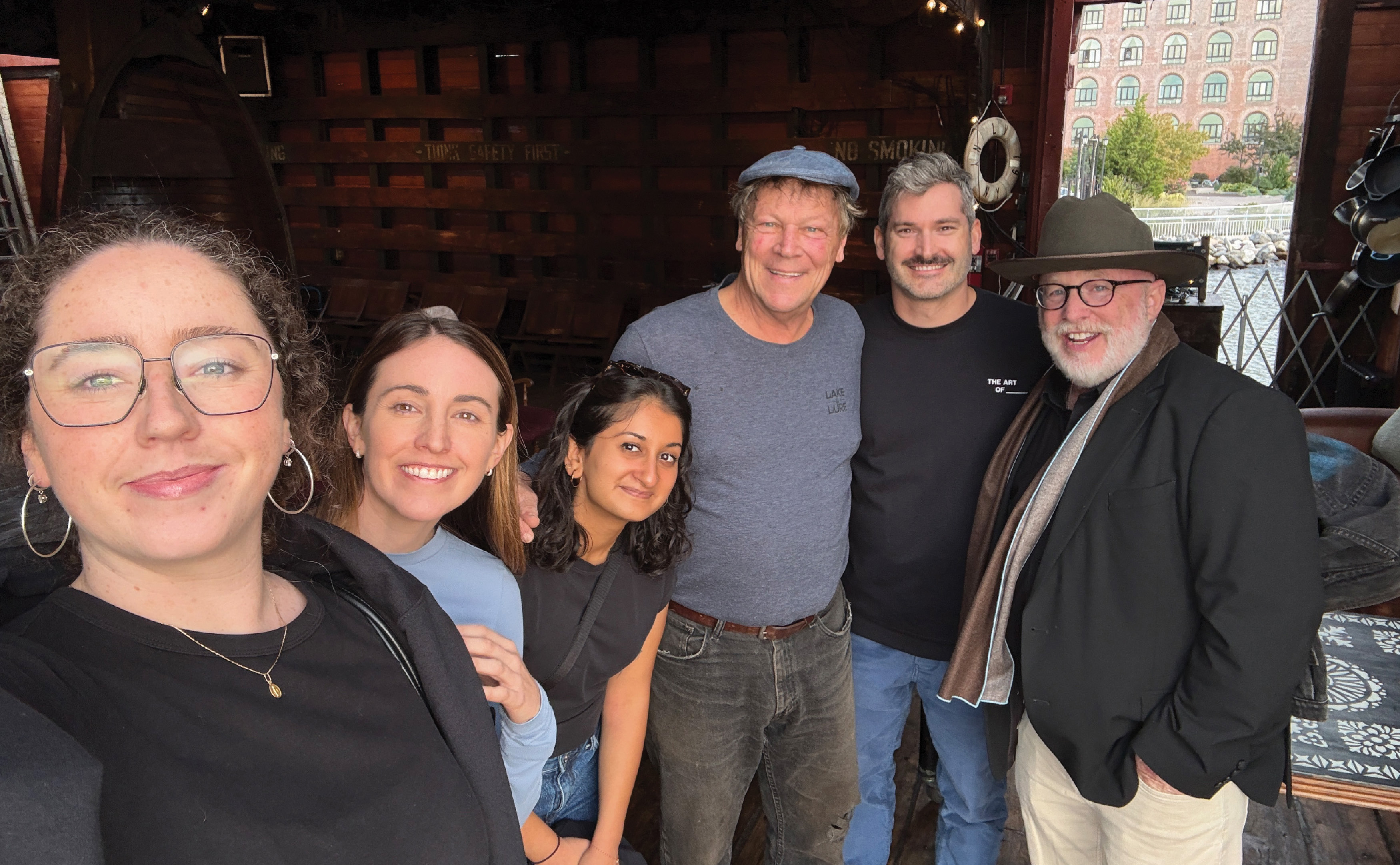
Pioneer Works (rows 1 & 2), Waterfront Museum (rows 3 & 4)
Inspired Through Certainty, Variety, & Delight
One day, four studios, and on paper nothing alike. Yet the paths ran parallel. Each itinerary moved between historical and experiential, craft and community, the carefully preserved and the boldly new. Each leaned on storytellers, from museum directors and artists’ guides to teammates who took a turn as local historians.
“These annual workshops remind me how grateful I am to be part of RSM Design, where the relationships we build are just as important as the work we create together.”
Certainty, Variety, and Delight sit at the heart of RSM Design’s Principle Centered Design process, and this year’s workshop found all three just beyond the studio door.
Certainty came from guides who knew each place inside and out.
Variety lived in the range of stops, from a historic working barge to an immersive digital ecosystem, to one of RSM Design’s own award-winning projects.
Delight was reflected in a game of pinball, a portal to an unknown world, and a wish tied to a tree, where the teams rediscovered something simple: the cities they design for are also the cities that teach them.
Inspiration is often closer than we think. Finding it just takes curiosity, a trusted guide, and a willingness to look again at the places already called home. Our team returned to their studios with fresh ideas and a deeper respect for the discoveries in our own neighborhoods. Next year, the studios look forward to reuniting for RSM Design’s 30th anniversary, marking three decades of exploring together.