March 26, 2026
Learning Lab: Spring ‘26
March 26, 2026
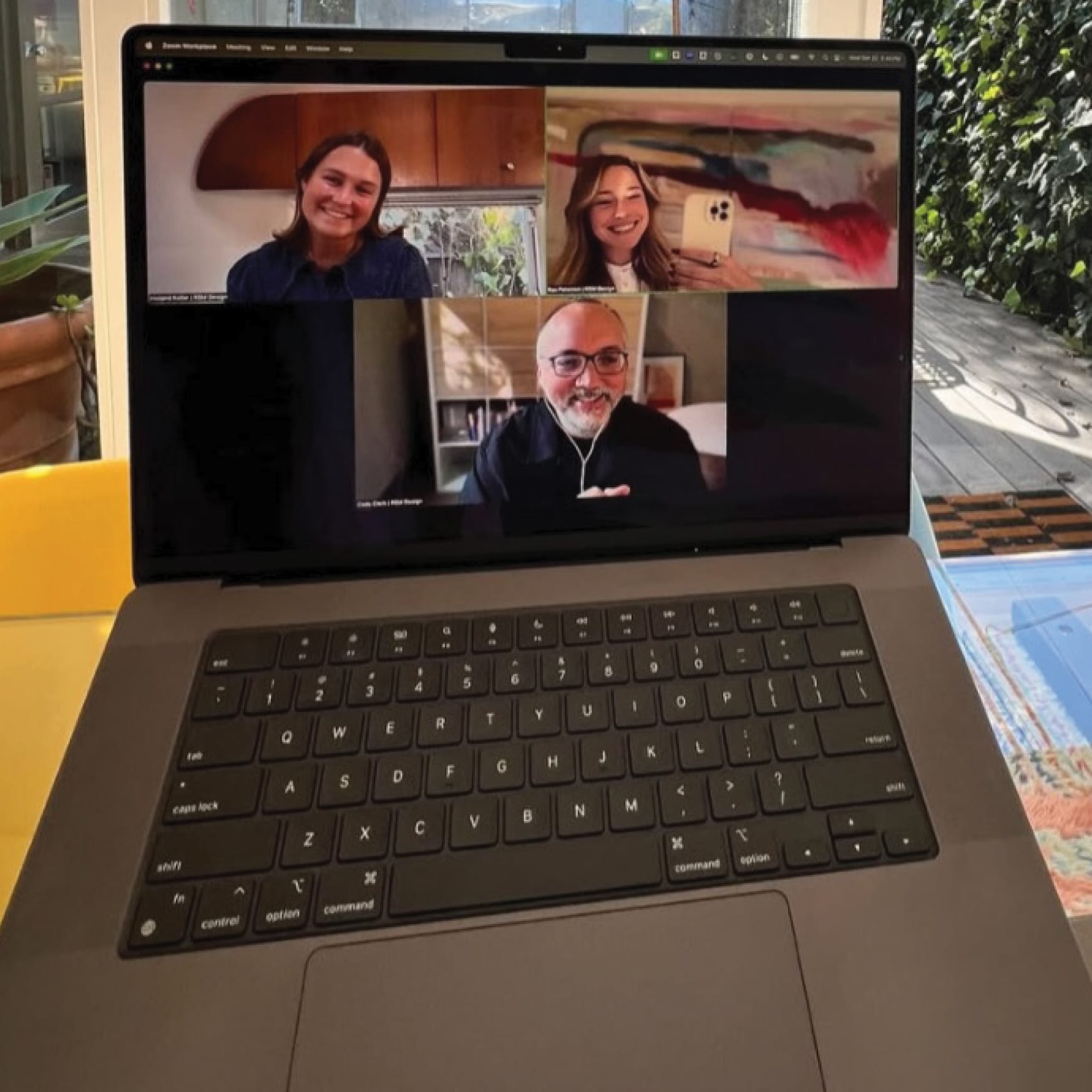
Last October, RSM Design hosted its first Learning Lab, an educational webinar created for students and professors studying environmental graphic design, architecture, and related design disciplines. What began as a simple idea to share our studio process quickly became something more meaningful: a direct connection between emerging designers and practicing professionals.
At RSM Design, we believe some of the most valuable lessons happen when academic exploration meets real-world application. Learning Lab was created to bridge that gap.
LEARNING LAB: SPRING ‘26
The response to our first Learning Lab was encouraging, and we’re excited to continue building on it. RSM Design will host a second Learning Lab in Spring 2026, featuring new case studies and deeper discussions around design strategy, interdisciplinary coordination, and the role of environmental graphics and branding in shaping human experience.
If you’re a student, professor, or part of an academic program interested in joining, we’d love to connect. The next Learning Lab will take place on April 8, 2026 at 3:00 PM PST, hosted virtually via Zoom.
To reserve your spot, please register below. For questions or future updates, reach out to
holland@rsmdesign.com.
We look forward to continuing the conversation and supporting the next generation of designers.
Register for Spring ‘26 Learning Lab ›
AN OPEN INVITATION
Invitations for our Fall 2025 Learning Lab were sent to universities across the United States, including schools our team members attended as well as design institutions we were connecting with for the first time. Designed as a free and open-access resource, the webinar introduced students and faculty to how environmental graphic design operates within the built environment and how ideas evolve into real-world solutions.
LEARNING FROM DESIGNERS WHO TEACH
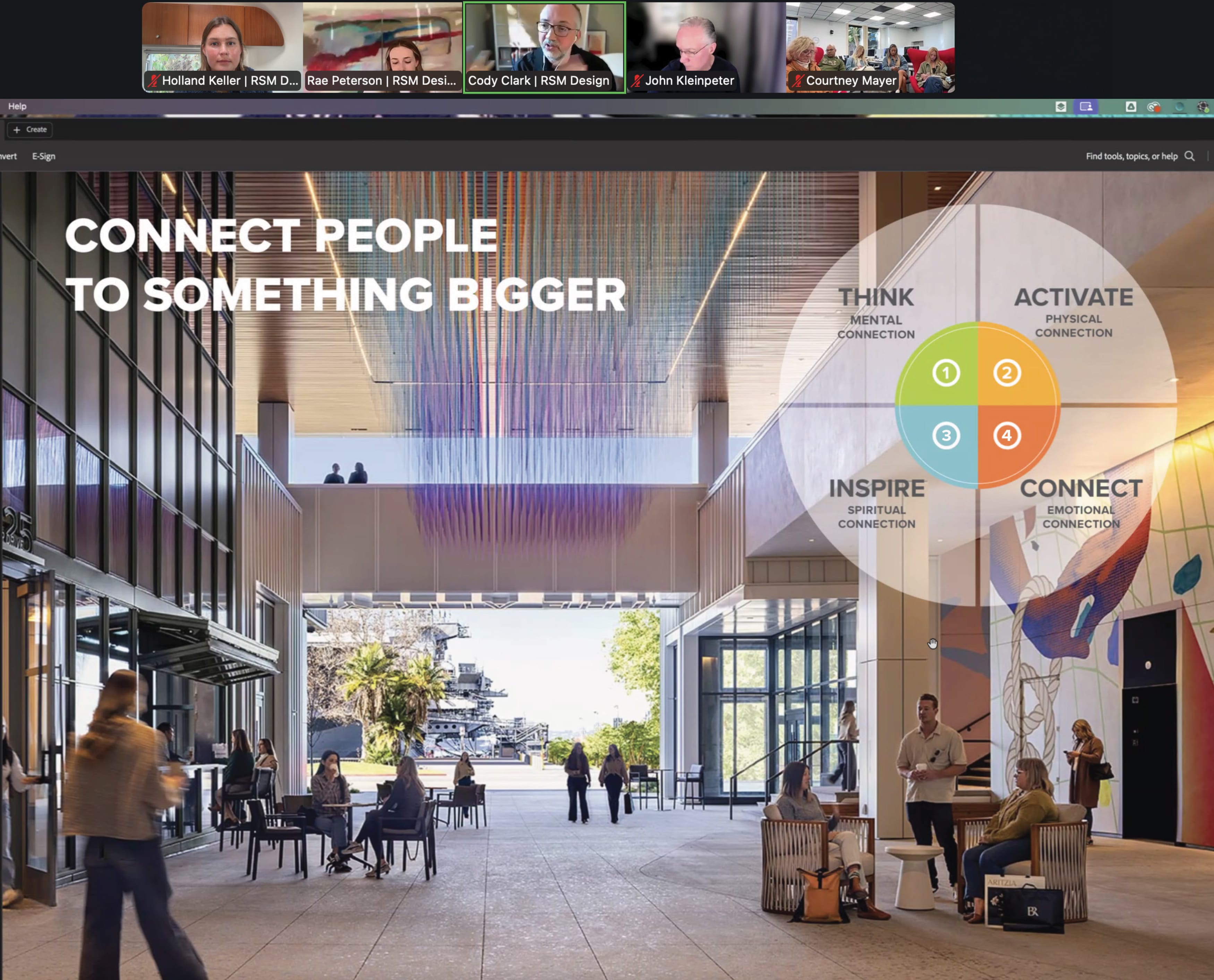
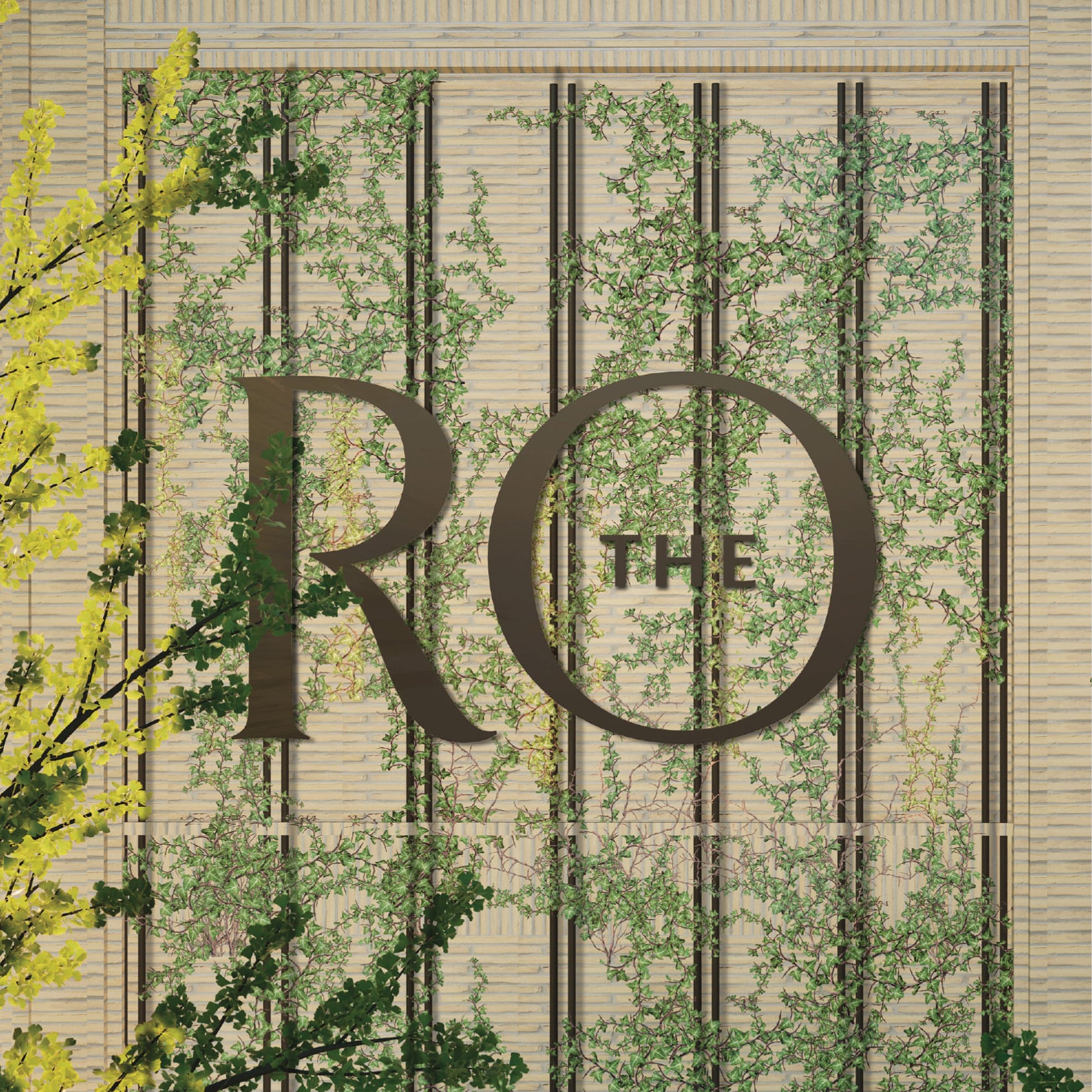
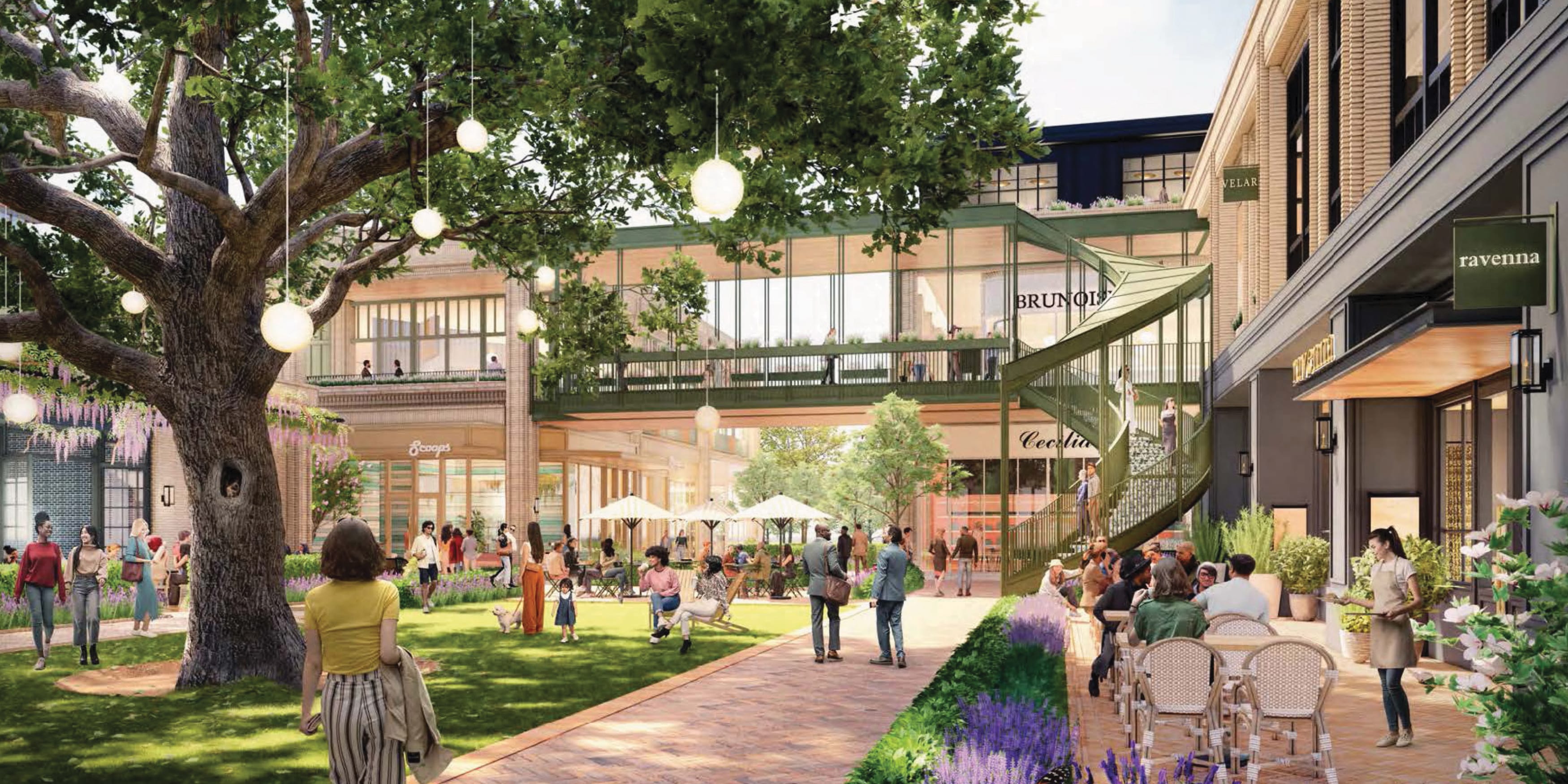
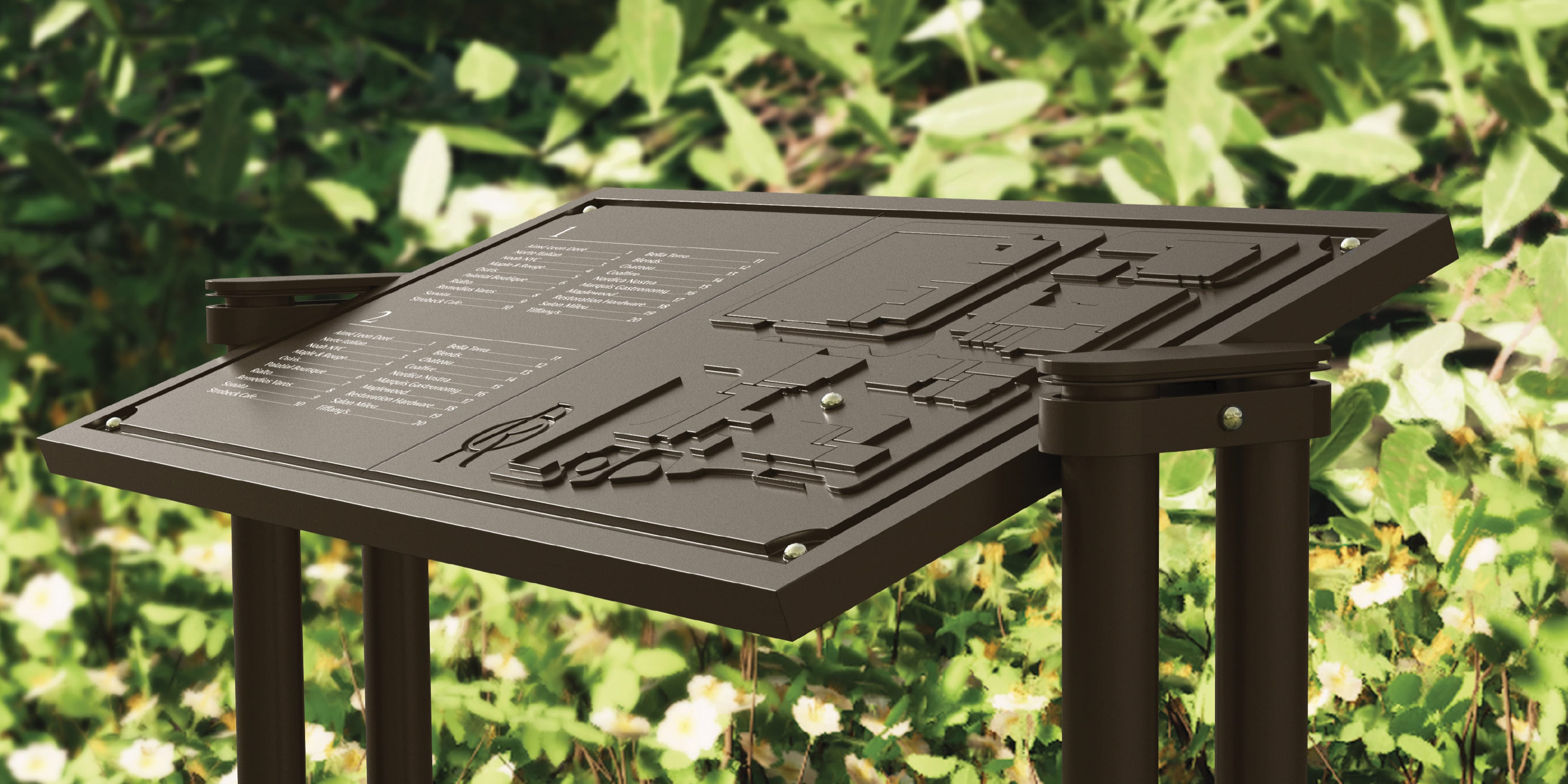
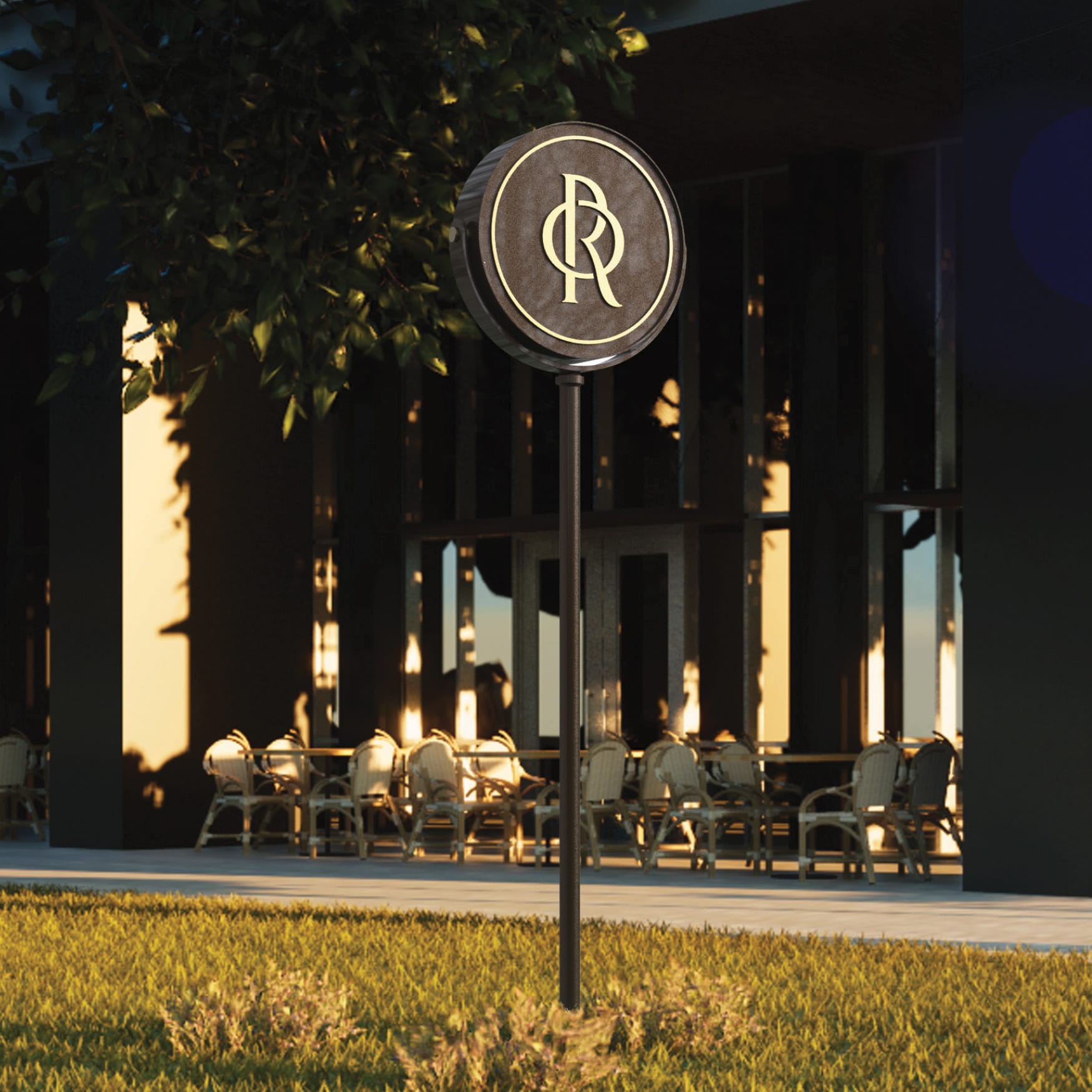
The webinar was led by Principal Cody Clark, former professor at ArtCenter College of Design, alongside Rae Peterson, Senior Designer at RSM Design and alumna of Laguna College of Art and Design. Together, they brought both academic and professional perspectives to the conversation. Rather than focusing on finished work, the presentation explored the design process. Through case studies, the team shared how projects move from research and early concepts to implemented design solutions, highlighting strategies, challenges, and key decisions along the way. Attendees saw early sketches, conceptual frameworks, and the thinking behind wayfinding systems, brand-driven environments, and spatial experiences. Throughout the session, the team explored several key ideas through each case study.


Inspire: Draw creative ideas from real-world projects and explore new ways of thinking.
Activate: See how design choices influence behaviors and experiences in the spaces we inhabit.
Think: Analyze the strategies, problem-solving methods, and design principles that guide successful outcomes.
Connect: Understand how environmental graphic design links people, places, and ideas to create meaningful interactions.
At RSM Design, work happens at the intersection of architecture and graphic design, where clarity of thought and principle-driven design shape how people interact with their environment. Learning Lab translated these ideas into an accessible experience, giving students a clearer understanding of how design concepts take shape and influence the spaces we inhabit.
TEACHING THE “WHY” BEHIND THE WORK
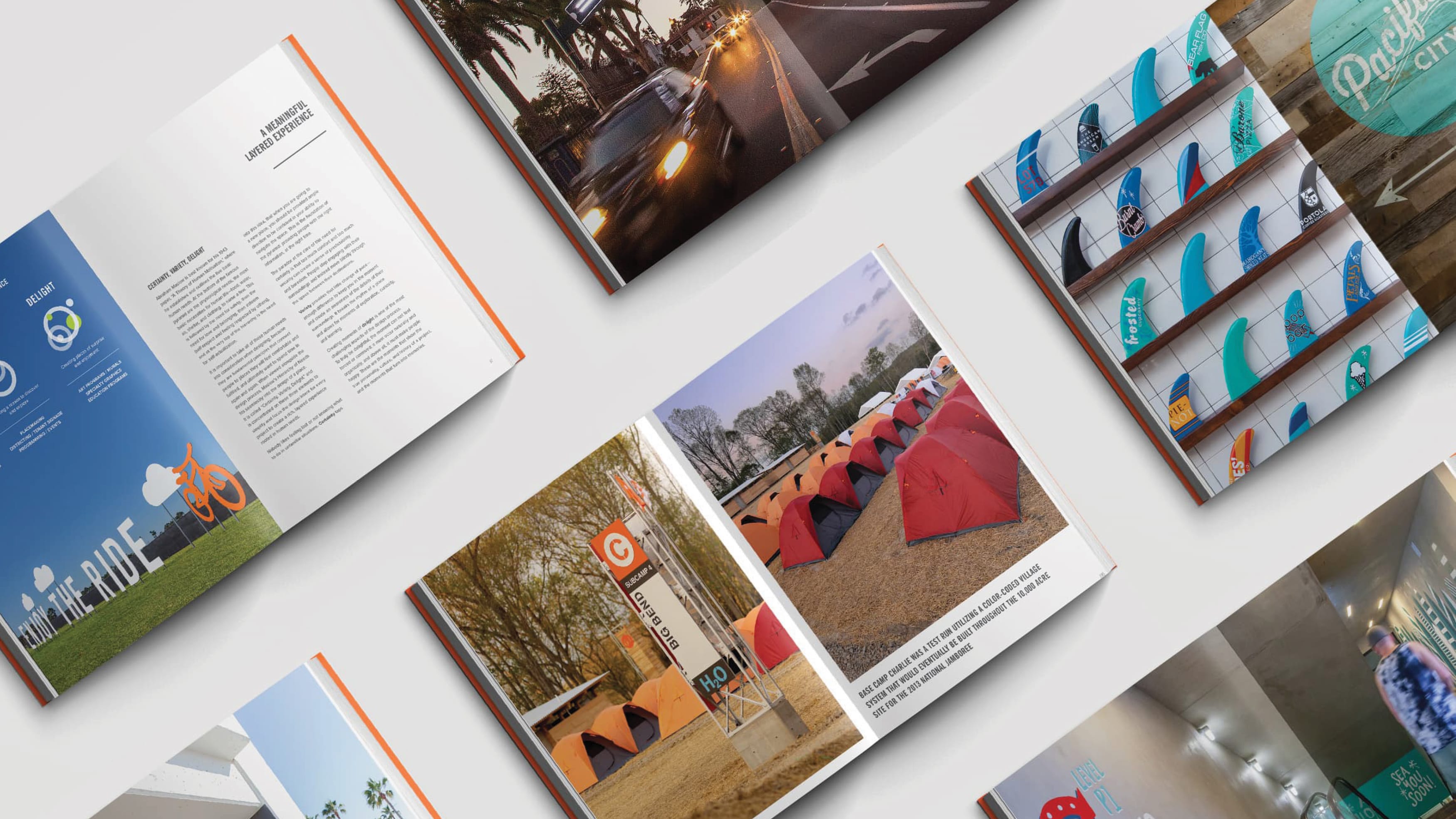
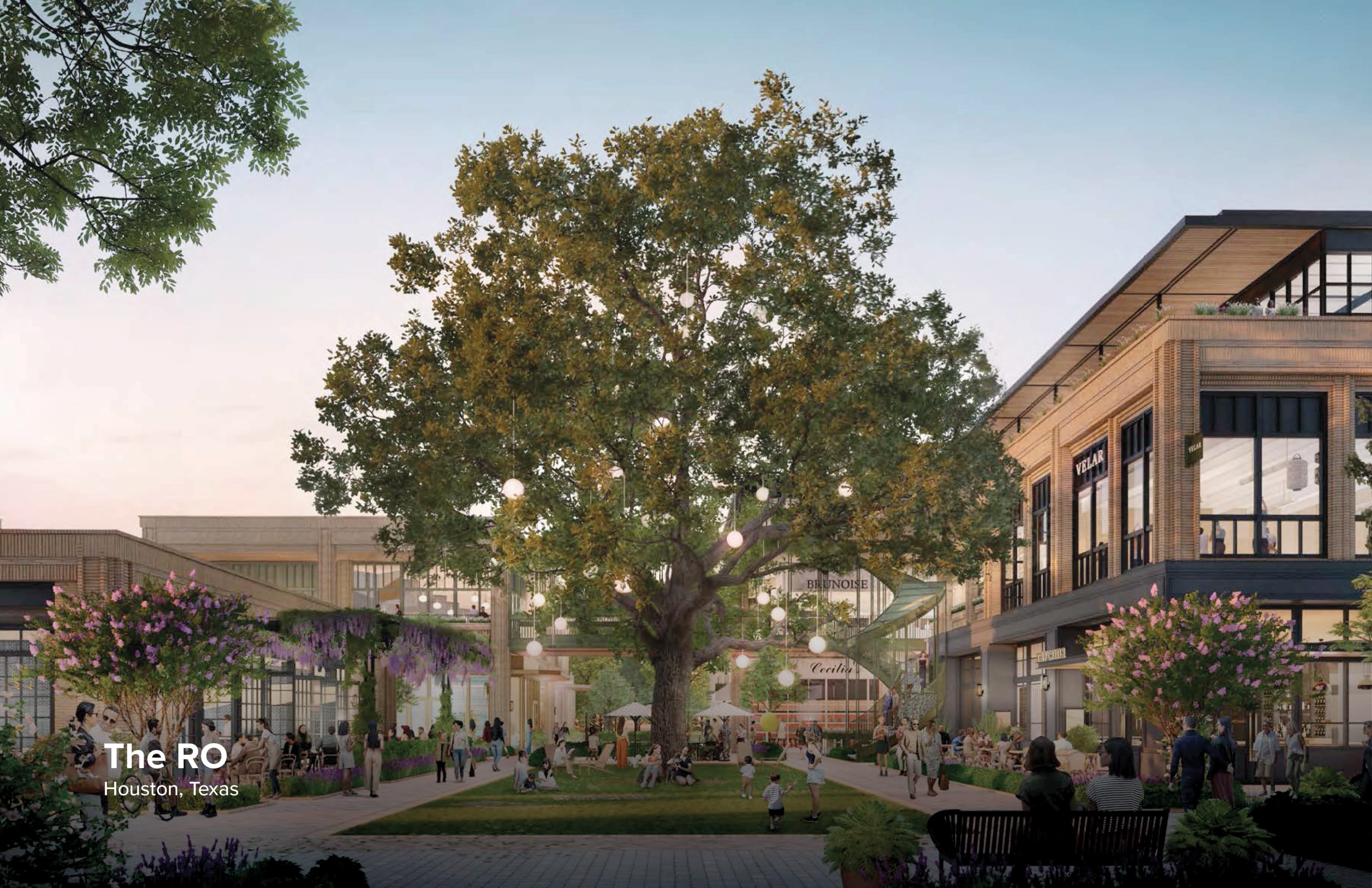
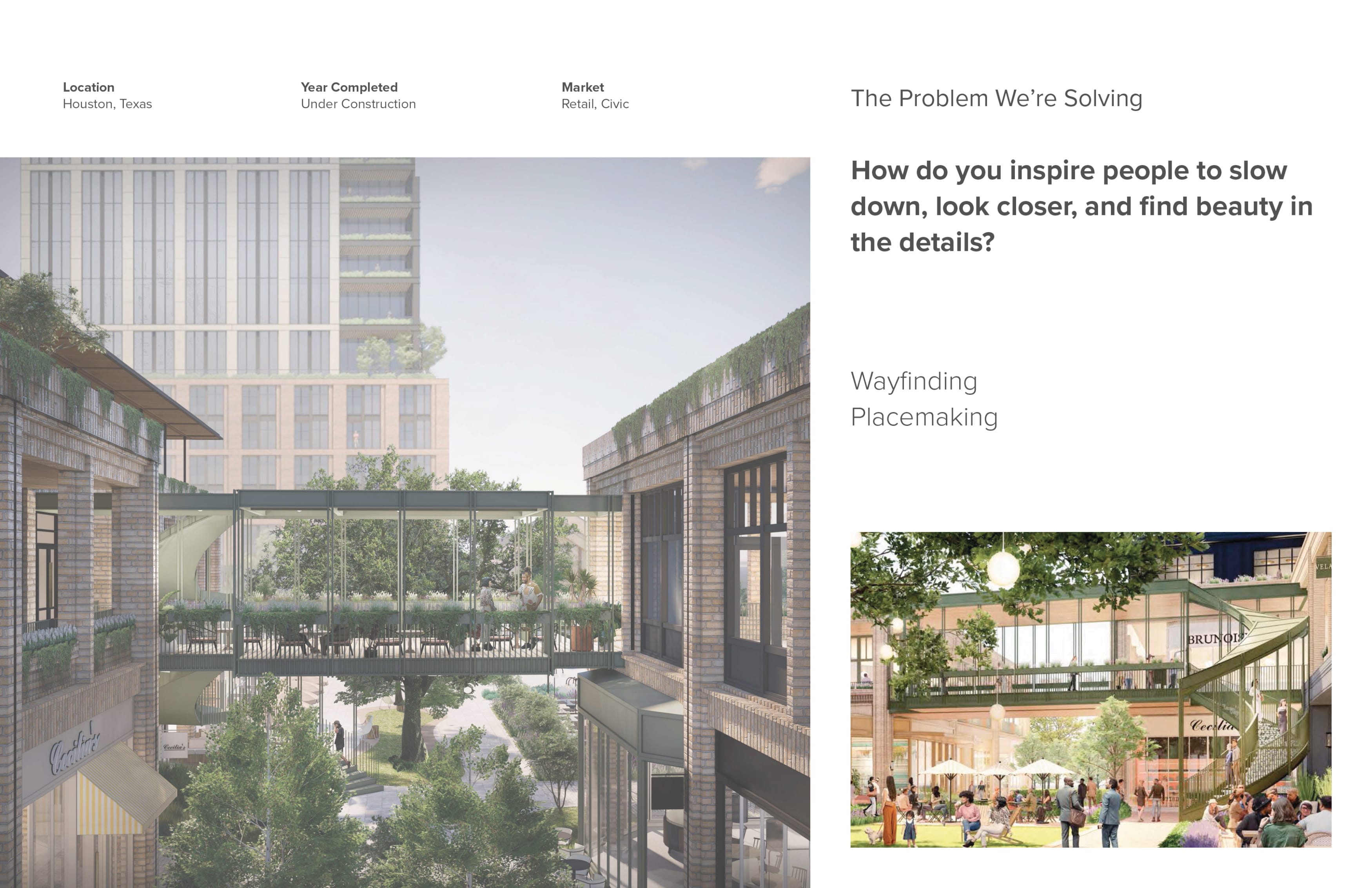
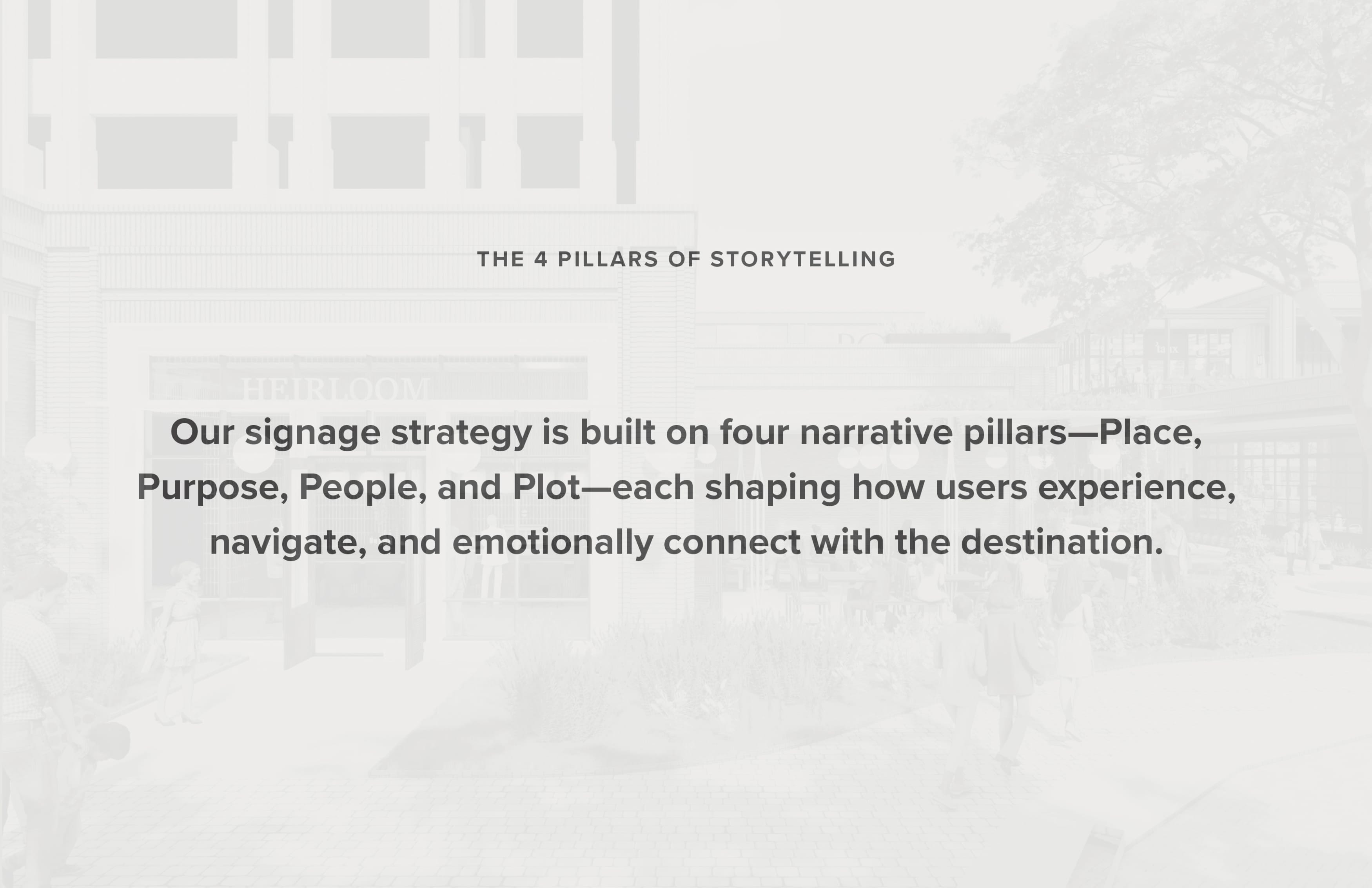
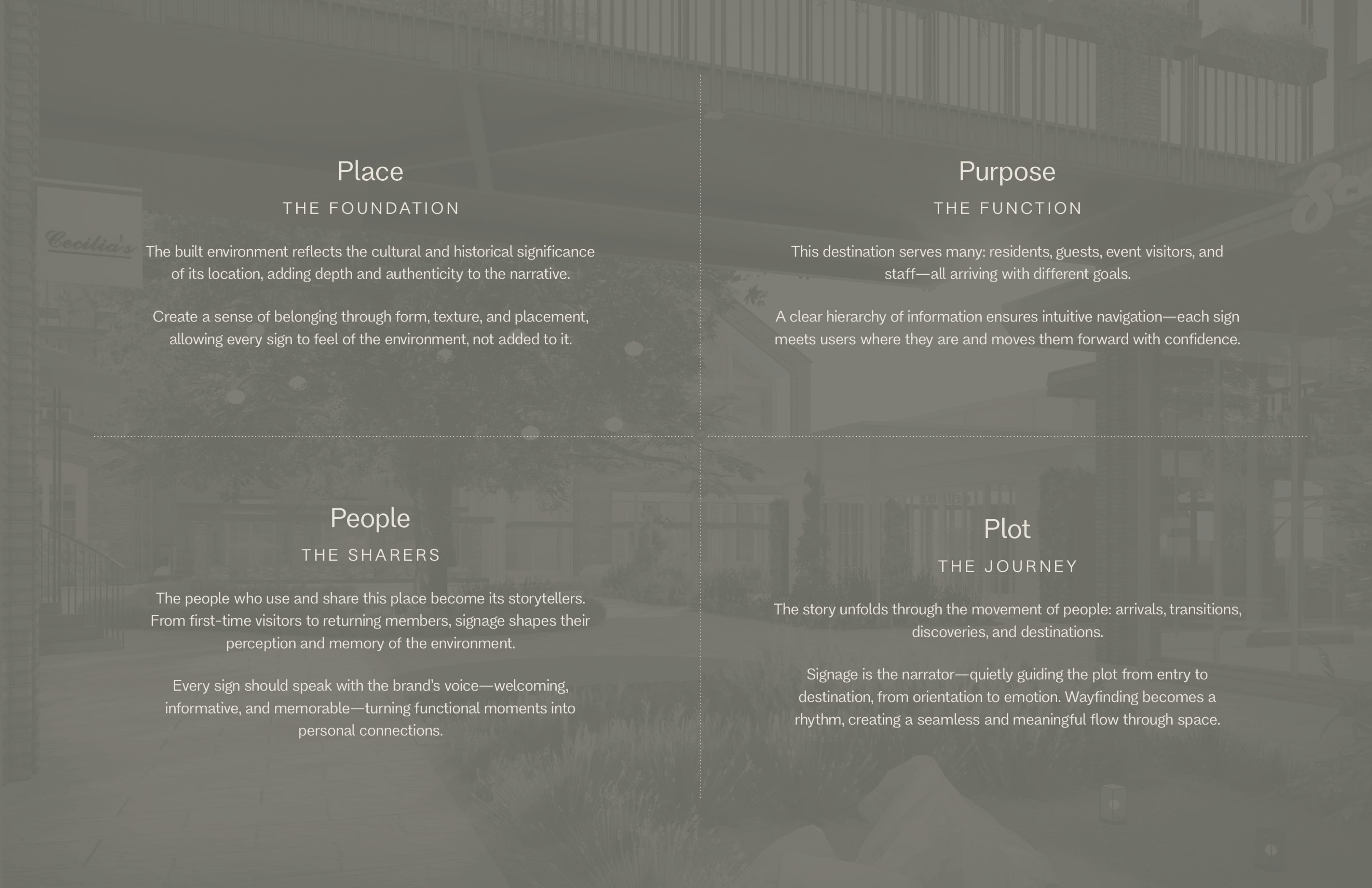
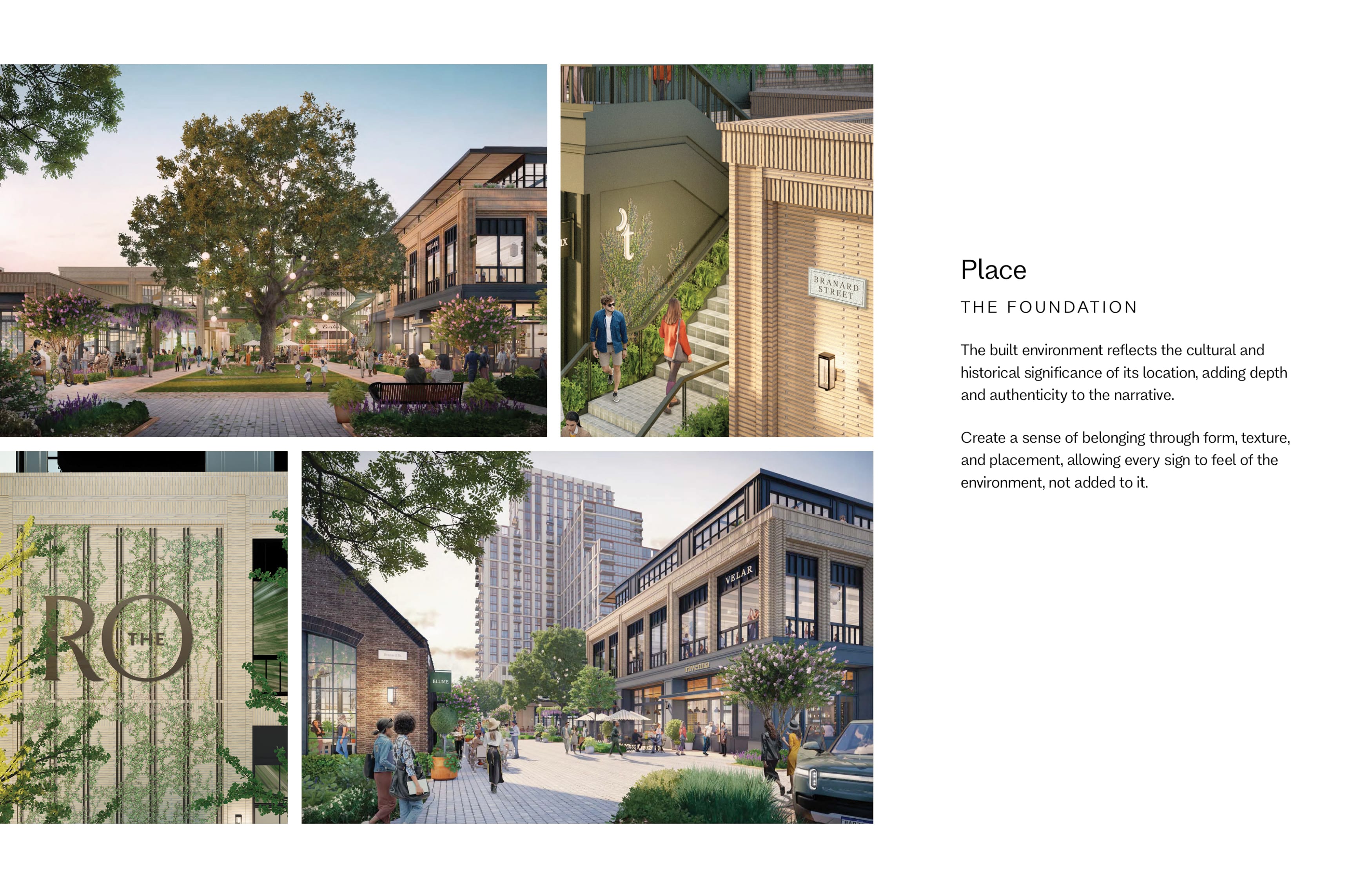
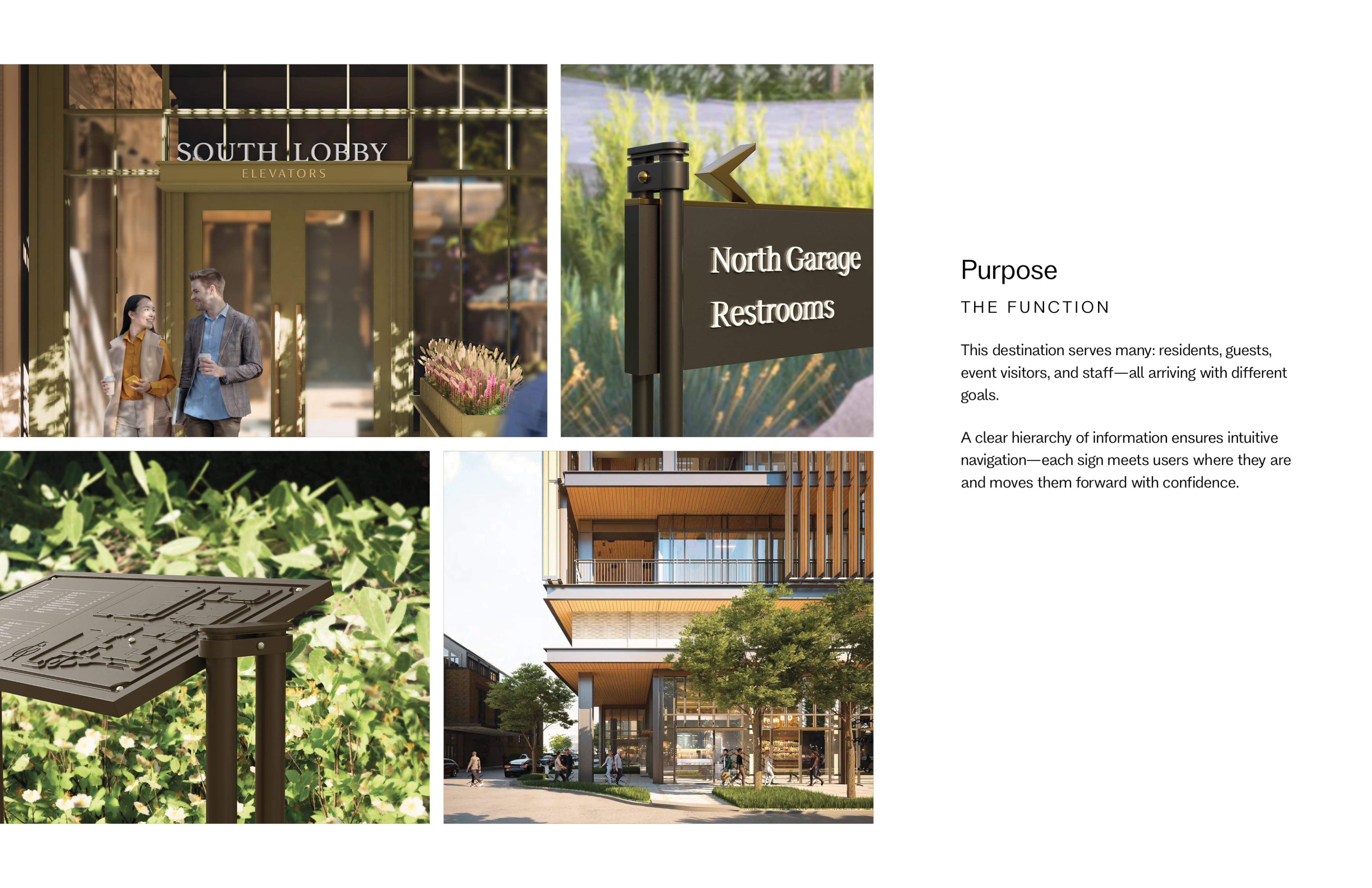
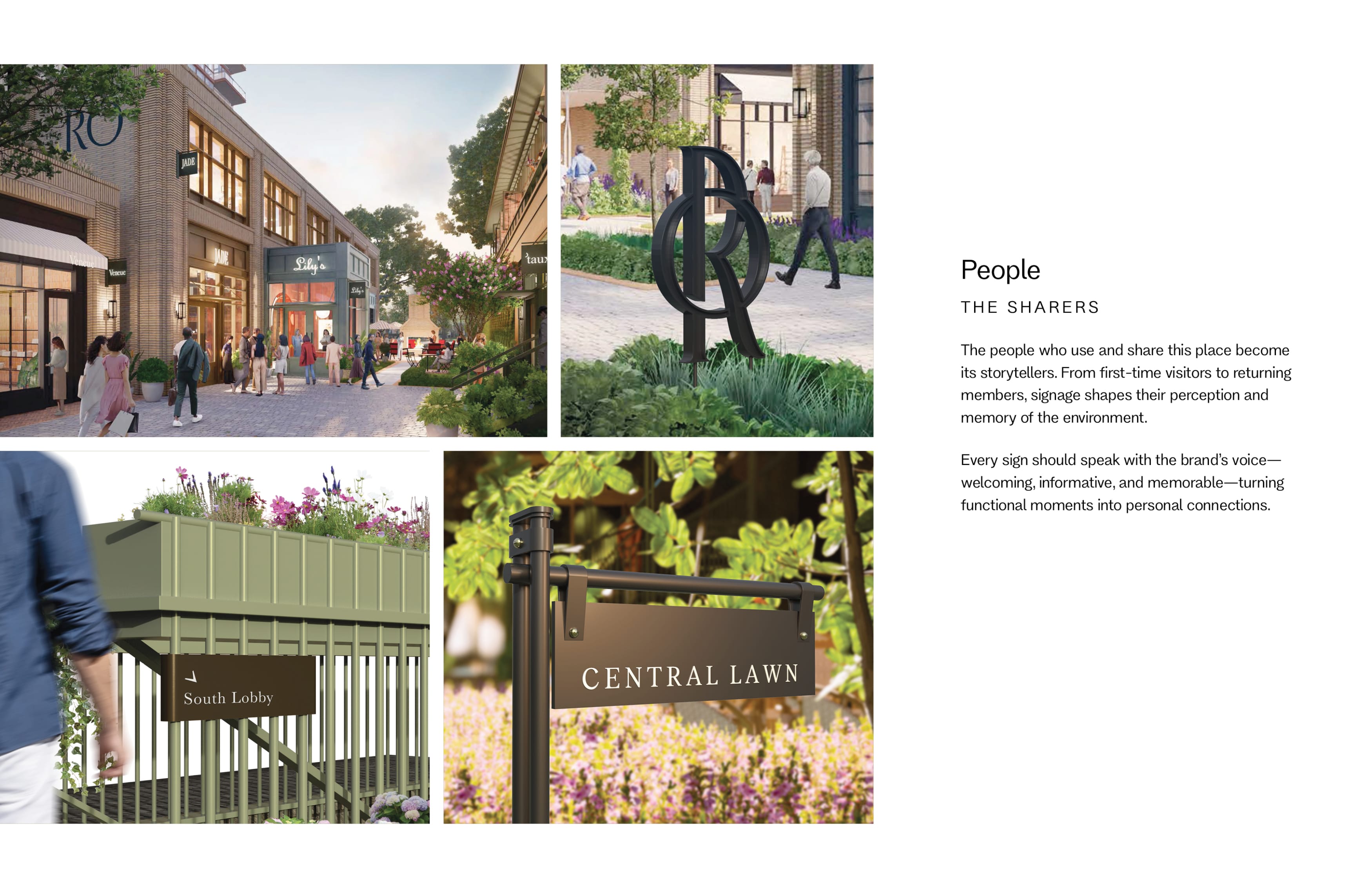
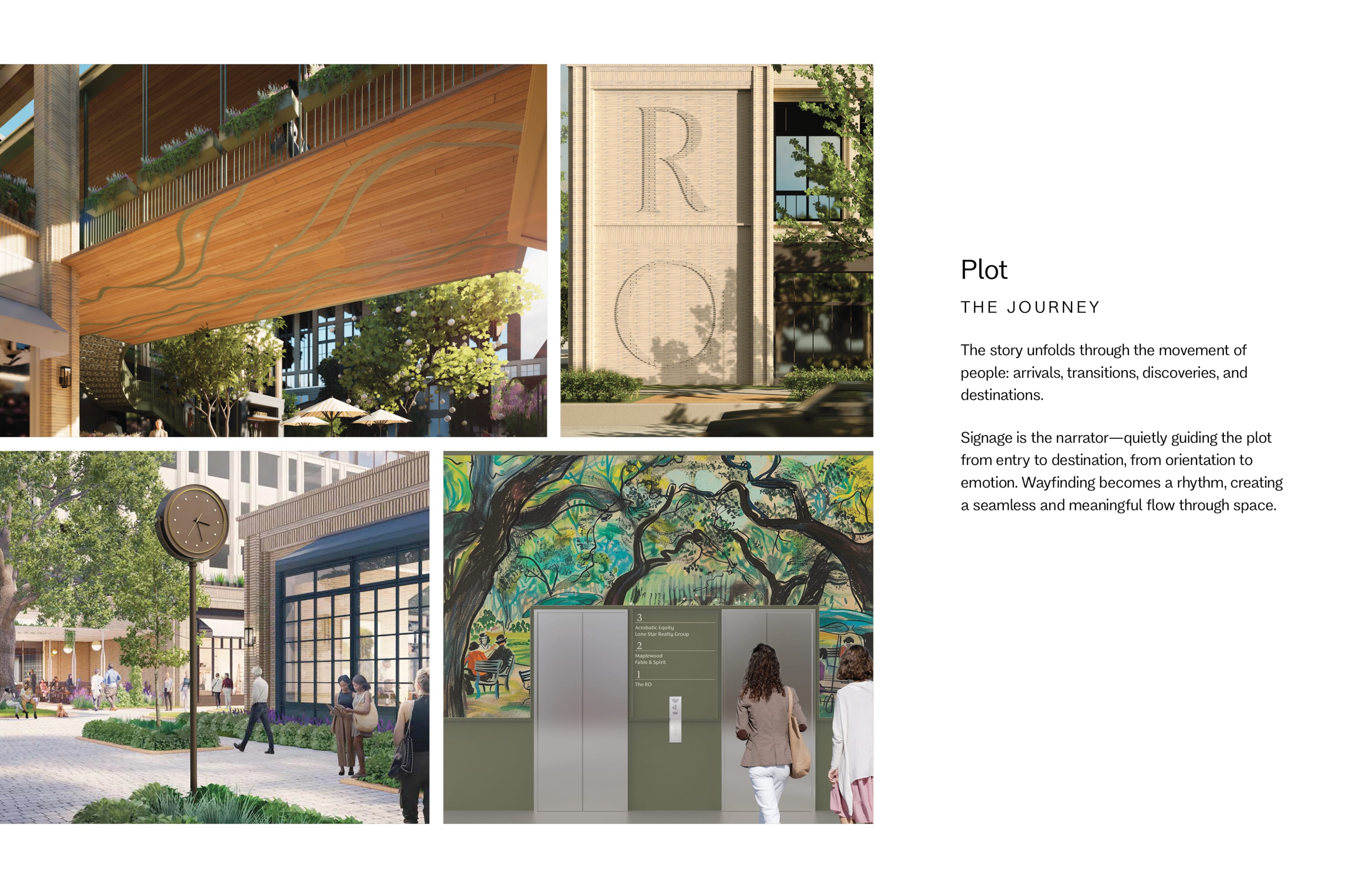
Each case study became an opportunity to explain not just what we designed, but why. We discussed how wayfinding grows from site analysis, how brand narratives influence environmental graphics, and how material choices, scale, and placement shape user experience.
For students, this behind-the-scenes look helped clarify how professional design works in practice. For professors, it offered insight into how academic studios connect to industry expectations. Environmental graphic design often sits between disciplines—branding, architecture, and storytelling—and the case studies showed how these elements come together in the built environment.
A TWO-WAY CONVERSATION
The webinar concluded with a Q&A that quickly became one of the most valuable parts of the session. Students asked thoughtful questions about careers, internships, and building portfolios for interdisciplinary work. Professors raised questions about industry trends, working with architects, and preparing students for real-world projects.
The conversation reinforced something we’ve long believed: education and practice are strongest when they inform each other. Learning Lab was not merely a lecture. It was a dialogue.
WHY IT MATTERS
As a studio of more than 40 designers working across Dallas, Los Angeles, San Clemente, and New York, we’ve completed over 3,000 projects in more than 40 countries. With that experience comes a responsibility to give back to the design community that shaped us.
Many members of our team are alumni of the schools we invited, while others remain closely connected to former professors and mentors. Learning Lab felt like a natural extension of those relationships and an opportunity to support the next generation of designers.
We also recognize that environmental graphic design is not always offered as a formal area of study. By sharing our process, we hope to introduce more students to the field and show how it connects to architecture, branding, and placemaking.
Register for Spring ‘26 Learning Lab ›